Trial Lawyer View Podcast
Matthew Slingbaum
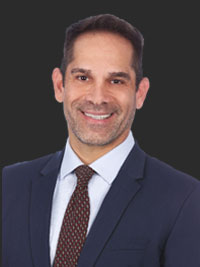
Why Medical Malpractice Cases Cost More Than the Verdict Is Worth
What if the injury is real, the negligence is clear, and the case still cannot move forward because the economics make it impossible?
This is the brutal reality facing medical malpractice attorneys every week. A client walks in with a legitimate claim, the lawyer agrees negligence occurred, but the conversation that follows is devastation: we cannot take this case because the cost of litigating it will exceed what we can recover.
Medical malpractice litigation operates under a different economic model than most personal injury practice. Unlike auto accidents or premises liability cases where an attorney can file suit and investigate through discovery, medical malpractice has a structural barrier that kills cases before they start: the expert requirement.
Before any medical malpractice case in Florida can proceed past pre-suit notice, the plaintiff’s attorney must retain and rely on an expert affidavit. This expert review process is expensive, time-consuming, and essential. But it means cases that might be viable in other practice areas are economically unviable from day one in medical malpractice.
A serious medical malpractice case can require upwards of six figures in hard costs. That includes expert retentions, expert depositions, treating physician depositions paid out of pocket, medical records acquisition, economists, life care planners, and countless hours from attorneys and staff. Some of the most complex cases require substantially more. And that investment happens before trial, often before the case even settles.
The insurance carrier on the defense side is calculating case value based on litigation risk and cost, not on how sympathetic the injury is or how clear the negligence appears. They are evaluating the plaintiff’s attorney as carefully as they evaluate the claim itself. Do you understand the medicine? Have you retained proper experts? Will this case survive summary judgment? The defense values cases on a range of probable outcomes, and that range directly determines settlement authority.
This creates a pricing mechanism that locks out legitimate cases. A client with five million dollars in damages might recover nothing because the case costs 800,000 dollars to litigate, and the case value bottoms out at the policy limits of 250,000 dollars. The math does not work.
Florida compounds this problem through its unique statutory framework. The state is called the free kill state by experts across the country because of how restrictive the wrongful death statute is for medical malpractice cases. If a patient dies as a result of doctor error, the family must meet specific statutory categories to bring suit. If the person was over 25 years old, unmarried, and childless, there is often no viable wrongful death claim despite catastrophic loss. That same death caused by a car accident or a collapsed ceiling at the hospital would be actionable. But death by doctor error? Often not.
Sovereign immunity adds another layer. If the negligent care occurred at a state-owned hospital, the facility and staff members are likely immune from suit. Two identical cases with identical violations of the standard of care become economically incomparable when one occurs at a private hospital and one at a sovereign immune facility. The private case might recover millions. The sovereign immune case hits a 200,000 dollar cap while the client’s damages exceed several million dollars.
These structural barriers mean that case selection in medical malpractice is not about whether negligence occurred. It is about whether the case is economically viable given the cost and the cap, the insurance available, and the damages that can be recovered.
How Attorneys Evaluate Medical Malpractice Cases
The case review process in medical malpractice requires a methodical approach that begins with the client’s account, not the medical records. Understanding what the client experienced, what they were told, and what they believe went wrong creates the narrative and shapes the focus of the expert review.
Once the full medical record is obtained, the evaluation follows a specific framework:
The critical event is analyzed first with all contemporaneous labs, imaging, and notes to understand what happened at the moment of alleged negligence.
Historical records are reviewed to understand the patient’s baseline and preexisting conditions before the critical event.
Subsequent treatment records show how the patient’s condition evolved and what damages resulted from the alleged negligence.
The standard of care is established by determining what a reasonable doctor in a similar situation would have done.
Causation is the hardest question to prove: can the alleged negligence be connected to the actual injury the client suffered.
Damages are quantified across economic loss, future care, modifications, and loss of function.
Viability is the final filter: is there sufficient insurance or other source of recovery, or does the case hit a statutory cap that makes recovery impossible.
Many strong cases die at the viability stage. The negligence is clear. The causation is provable. The damages are real. But the insurance is insufficient or the statutory framework makes the case unrecoverable.
The Danger of Outsourcing Medical Record Review
Law firms are increasingly being sold AI tools that promise to automate medical record review. The technology can be genuinely helpful for organizational tasks like locating a specific operative note in 8,000 pages of records or identifying laboratory trends across weeks of charting.
But outsourcing the actual medical comprehension and case judgment to artificial intelligence is dangerous in medical malpractice work.
A single handwritten note or one lab value can determine an entire case, and AI systems regularly misread or skip over these details.
Handwritten records, scanned images, and documents copied from other facilities confuse AI systems in ways experienced attorneys would immediately catch.
The technology is confident in its answers even when it has skipped weeks of records or misidentified abbreviations that are critical to the case.
AI cannot replicate the judgment that comes from years of experience reading charts at particular facilities, understanding how specific nurses document, and catching subtle deviations that signal problems.
The appropriate use of AI in medical record review is as an assistant within guardrails, not as a replacement for attorney judgment. Use it to find a specific page, organize records, or identify patterns. Do not use it to make your final case assessment.
The Human Element in Medical Malpractice
Medical malpractice attorneys cannot operate on case economics and expert opinions alone. Client preparation for deposition is equally important as attorney preparation of the case itself. A client who becomes confused during their deposition about which provider caused the injury can sink an otherwise strong case.
Beyond deposition prep, the relationship between attorney and client in catastrophic injury cases is inherently personal. Clients sometimes reach out months or years after resolution, on the birthday of a deceased relative or during a difficult moment, because they felt the attorney was not just their lawyer but their advocate and friend.
This human element, combined with rigorous case evaluation and proper use of technology, creates the foundation for a medical malpractice practice that can navigate the structural barriers of the practice area and actually get cases to resolution.
We get into all of this on the episode. Watch it on YouTube, or listen on Apple Podcasts or Spotify.
Full transcript
Automatically transcribed and reviewed. Speaker labels and timings are approximate.
Matthew Slingbaum00:00:00
A lot of times we’ll get that contact and a referrer will be able to identify conduct and clearly appears negligent. And if we don’t have sort of both angles of that situation, and unfortunately it’s cases that we can’t bring forward.
Jason Lazarus00:00:14
That’s Matthew Slingbaum, founding partner of Slingbaum Law, a Florida based plaintiff’s law firm focused mainly on personal injury, negligence and medical malpractice. He believes evaluating a case means looking not only whether negligence occurred, but whether it can actually be proven and pursued.
Matthew Slingbaum00:00:31
I find that the defense is evaluating the lawyers on the plaintiff’s side who will bring in the case forward. Do they understand the medicine? Had they retain the proper experts and really prepare them properly for the depositions and through the case?
Jason Lazarus00:00:46
In this episode, you will learn why proving medical malpractice requires both negligence and causation, how the defense evaluates the lawyer behind the case, and why the cost and complexity of litigation can determine which cases are ultimately worth pursuing. I’m Jason Lazarus, and this is Trial Lawyer View. So I wanted to start off with a question about you being a victim of medical malpractice before you became a lawyer handling those types of cases. Unfortunately, I know it fairly well myself, having been through a personal injury case. I was struck by a car while cycling, so back in 2016. So I’ve I’ve been through it like you. I’m curious though, about how that experience taught you about how medical malpractice cases actually get treated by the system, because I know, like my experience really was educational, even though I had been in the system for a very long time, I had never actually gone through the system myself.
Matthew Slingbaum00:01:49
It definitely taught me several things, and one of them was that suffering an injury and having a provable case are not the same thing. And, you know, many clients, much like myself when I was in that position, are I find you looking for a few different things. One, they want to have an explanation of what happened to them. So a lot of times, of course, medical cases are very complex and it’s very confusing what actually took place. They generally want to know or have some acknowledgment that what happened to them should not have happened. And then I find the last thing that’s important is really now they need to feel heard and that someone is taking what happened to them seriously. And of course, going through it myself makes that understanding in the process a whole lot easier. And I find now applying it to the legal practice that now my responsibility as a lawyer is that it takes something deeply personal that happened to the client or the family of that client, and then do our best to be able to build that into a case that can hopefully survive expert review and pre suit and litigation and if need be, trial. And you know, the other side that I learned of course from being an attorney and applying it back to the cases and with the clients, is that a bad outcome does not necessarily establish negligence. And that distinction can be frustrating. I know it was for me and of course it’s frustrating for the clients to heal, but it’s also made me a more disciplined lawyer and how we approach cases. And of course, being able to communicate with clients.
Jason Lazarus00:04:06
You’ve got to believe it’s difficult in medical malpractice, specifically because of the expenses associated with litigating a medical malpractice case, but also having to deal with people that have been through something that they believe was malpractice. That was difficult, caused, you know, injury. I mean, in my case, that wasn’t the case. But I can imagine, you know, for you, that’s got to be difficult evaluating cases when you got to go back to somebody and say, hey, you know, I know you’ve suffered, but they’re either the case economically you can’t take or there isn’t going to be the ability to survive.
Matthew Slingbaum00:04:49
It’s an enormous difficulty because of course, in a perfect world, we’d be able to help everyone out and we’d be able to take on a lot of cases and be able to wrap that represent that person, hopefully not only get them a recovery, but some closure to what happened. But unfortunately in the medical malpractice room, you know, these cases are extremely time intensive and of course, extraordinarily expensive. So there’s a lot of cases where the economics of the case don’t work out, even though potentially we might have a substantial negligence case that took place. And a lot of times, it requires us to really be able to break down for the client the economics of what actually takes place in this case and the expense, obtaining expert witnesses, the thorough review of the records, what the future holds in that case. And one thing that happens in a lot of these cases, and I have to explain to clients, is when we run into a situation where we we have a lack of coverage, it’s a problem that exists throughout many different arenas in the state of Florida, but primarily in the medical negligence arena when we’re dealing with either nursing home litigation or even a medical malpractice litigation. There’s a lot of surprise, of course, and understandably, when I have to explain to a client that this facility isn’t required to cover, it isn’t required to obtain insurance, or secondarily, that these doctors aren’t required to carry insurance. That’s usually a very big surprise moment for people who don’t have to, of course, do this every day. And unfortunately, a lot of times we might have a substantial case and one that, of course, majorly impacted this client’s life or the loss of a family relative. And I have to explain to them that the economics of the case don’t allow us to move forward, because a lot of situations, the case may cost more than we can recover. And that’s a harsh reality, of course, for the clients to understand. And it’s an unfortunate conversation that we have to have. It seems like on a weekly basis with these potential clients.
Jason Lazarus00:07:06
And then like many states, you know, Florida has caps on damages and certain cases become economically unviable simply because there’s no economic damages, because it’s a child or an elderly person or, you know, different scenarios like that that make it financially impossible to take the case.
Matthew Slingbaum00:07:30
Yeah, that’s a very good example you brought up. You know, Florida is kind of referred to throughout the country. Even when I deal with experts from different states and they generally will call us the Free State. Yes, of course, that which is not a great title to have, of course. And part of that is the way our wrongful death statute situated. And if it’s as a result of a medical malpractice case, then unfortunately, if you don’t make very specific categories and requirements, you’re not allowed to bring that case. And then, you know, just a quick aside, I remember recently I had a family contact me for a particular case. And, it was on behalf of their daughter who unfortunately had passed away. And due to her age and within the requirements of the wrongful death statute, medical malpractice. And since her death happened at the hospital, medical care, we weren’t able to bring the case forward. And the interesting and unfortunate part of the situation, of course, is had she died in a car accident on the way to the hospital, we could take that case. Had a ceiling collapsed at the hospital, or we could take that case. But because it was by doctor error, I had explained to these parents, I’m sorry, I can’t move your case forward. And of course, that is just, a devastating conversation for them to have to have and a devastating conversation for us. And, you know, we’re just hopeful each year around that these, that the rules will hopefully change and be able to, to get these families their day in court as they deserve.
Jason Lazarus00:09:09
So like many and I did as well, you started on the defense side working on behalf of insurance carriers in medical malpractice. I’m curious if there’s anything that you saw there about how cases get valued that most plaintiff lawyers never get to see?
Matthew Slingbaum00:09:27
There’s definitely several things I learned on the defense side that were kind of eye opening, and also very helpful in applying, on our plaintiff’s cases. One thing that I learned really was that on the defense side, the cases aren’t valued according to, say, how severe or offensive the conduct or the injury appears to be. They’re really valued according to the potential litigation costs of that case and the risks of a significant verdict. Usually I’ll have clients say to me, but isn’t the insurance company or that representative, aren’t they seeing what I went through? Or aren’t they seeing what happened to my family? And I say, you know, honestly, the carrier’s really not looking and saying how good of a person was this? Or who did they think may deserve to win this case? And really, they’re looking at this, this range of probable outcomes of the case and deciding how much risks exists at each point in that case. The other thing that I learned, which was again, kind of eye opening from being on the defense side and certainly apply it in our practice, which is that the identity and the conduct of the plaintiff’s attorney really can affect the valuation. And, you know, I find that the defense is evaluating the lawyers on the plaintiff side, will bring in the case forward almost as carefully as they’re evaluating the client. And they really want to see does that lawyer, at least in our arena, do they understand the medicine, how they retain the proper expertise and really prepare them properly for the depositions and through the case? And that really does attract a lot of the value of the cases in their determination.
Jason Lazarus00:11:13
I wanted to, pivot and switch topics. You from doing my research, went back to school and got a master’s in public health and finished is the only student minor standing in the room without a medical background. I’m curious about the business case for spending those years in the classroom. You know why did you do that? And interestingly, I went back, I got it all. But that was specific to, you know, what I was doing. It seems like that degree would help some extent from the business aspect of evaluating these cases. But I’m curious about, you know, the The Wire behind that.
Matthew Slingbaum00:11:54
Yeah. It was, you know, fortunately the program was, a bit of a hybrid program. So it allowed a lot of the classes to be taken at night time. Which of course was maybe a little easier for the practice and whenever possible to do online, but certainly still, pretty time intensive and taking time away, of course, from the everyday cases that we’re working on. And, you know, my belief in going into the program really was that, a medical negligence practice is really heavily dependent on the medical experts who are going to provide us with expert affidavits, testimony during litigation. And I was in a program with doctors, from multiple disciplines, nurses, medical students. So I was able to make a lot of useful contacts across, of course, a a broad range of medical specialties. And whether it be, potentially in a formal opinion or conversation that I need to have on a case before we potentially spend a lot of time, money jumping into it, or even on a case itself where we need to retain an expert, to be able to move to that next step. A lot of those contacts and connections that I was able to make in that program really have continued to serve the practice and a variety of manners. The other thought process that I had in going the program, and I think really kind of helps pay dividends year by year, is I wanted to make sure that my understanding of the medicine and the background of the cases that we were looking at, I wasn’t entirely reliant just on medical experts, you know, medical medical malpractice attorneys. We’re constantly encountering the scientific information, literature and of course, the expert opinions that we’re getting when we speak with our potential experts. And I think it’s really important to understand the methodology coming behind that literature and the scientific opinions. And, I feel truly improved how I’m able to select cases, my communication with the experts when we’re talking about potential cases, and of course, being able to not only conduct the research, but I think also importantly, to be able to have those conversations, and explain those concepts not only to potential juries, but most importantly to the clients.
Jason Lazarus00:14:29
I think that that’s incredible insights that you can bring from that type of experience. I know just some of the things that I learned through my specialization in disability law, which is where I did my oh, elder law that brings another dimension. But I, I think what you did is especially impactful because you’re really in a multi-discipline type of environment. You’ve got the medicine part, which can be quite complex, having been involved in this for, you know, 20 plus years now and sat through a lot of malpractice cases through my role, it’s amazing to see how much medicine a lawyer can understand and become an expert at through the progression of, of some of these more complex medical cases.
Matthew Slingbaum00:15:24
Yeah, I really believe to do this arena, do it effectively. It’s really important to not only be able to wear both hats. The determination each case really, putting on your medical ad and as you said, and understanding the medicine because of course, that’s really the the basis of being able to build this case. And then, of course, switching on to your attorney’s hat and what are the requirements of that case and the statutory needs and how you progress forward? But I think without, you know, being able to kind of simultaneously have both hats on when need be, you really can kind of see the difficulties that some attorneys have, especially the ones who don’t specialize in these areas, taking on the case. And, you know, I’ve seen I’ve seen depositions take place where experts will just kind of start spinning that attorney around, and sort of testing the waters, so to speak, with certain things that they’re saying. And if you don’t immediately stop that line of answer because you understand the medicine. And of course, you have conversations with your experts, you have meetings with your experts, but you can’t prepare for every eventuality or everything that might potentially come up in a deposition or even a trial. So the better understanding that you have medicine overall that you can then, of course, apply to that particular case, really sort of that safety net when you get into those tense moments that you can’t make a phone call or you can’t send an email, and you got to rely on your own background to be able to, to help navigate through that moment.
Jason Lazarus00:17:06
Well, it’s a good segue into what I was going to ask you next, which is if you could walk us through the start of a potential medical case or nursing home case, what records do you pull? What do you read first and what are you looking for? And also, how are you if you are leveraging technology that has evolved now to augment or make that better?
Matthew Slingbaum00:17:33
The review process, it’s really, I guess, multifaceted. I’d say, one of the things that we like to start off first is really speaking with the client, or of course, at that case, the family and getting their account of the situation. We want to know as much as possible what the person experienced. And part of that, of course, goes back to what I was saying earlier. You know, it’s important for the client to feel heard. It’s important for them to be able to discuss their experience. So that’s an important part of the equation. But for our case building scenario and a proper evaluation, being able to have communication with that client, understanding what they in fact experienced, sometimes even communication that they had at that particular facility or with the provider. And what information were they told, particularly what changed in the situation? And of course, what they believe went wrong. You know, one thing that we find in a variety of cases is that a lot of information, especially factual information and sometimes can be equally as important as the scientific or medical part. It doesn’t really live in the records. And of course, from an expert perspective and part of building your case, we always say records are kings, but there’s a lot of pieces of information that can get lost if we don’t have the proper detail and background from the client. Especially sometimes can help focus our evaluation once we get that information from the client and kind of build that into, let’s say, an initial chronology, so to speak. Next step is obtaining the records, you know, and of course, especially in a medical malpractice case, but to a lesser degree in a nursing home cases, it’s vital to obtain really everything that we can get our hands on, because you never know what piece of record it could be. Something from six years prior at a random medical appointment that the defense might be able to utilize to poke a hole in your case. So of course, us frontloading that information, and knowing as much as possible as early as possible, is extremely important to the process. But once we get hold of all of those records and we have that factual scenario and background from the client, usually what we’ll start off with then is looking at the critical event, whatever appears to be the main issue of our case. We want to start with that and get an idea really what took place at that moment in time and somewhat contemporaneously, what was going on with patient labs, films, any doctor’s notes or consults? So we really build around everything that happened at that critical event. Then our next step is essentially going back in time. We want to look at what was the patient’s baseline before this critical event, not only at the facility it took place, but what could be years prior and getting an idea what, if any, preexisting conditions there were and what might have contributed to this problem, or what potential issues we can avoid from, defense arguments regarding that nature. And then secondarily, we want to, of course, see what happened subsequent, you know, what took place after the critical event and whether it’s records from the same facility or, subsequent facilities that the painting went to, went to, we want to see everything that took place and how their medical prognosis has evolved since then in terms of what we’re looking for when we get hold of those records. And after we’ve done part of that evaluation, then we got to turn to generally kind of what our, our standard, requirements are in a particular case, specifically for looking at, say, in a medical practice case. What was our standard of care? What would, a doctor in a similar situation have done in this kind of case with this kind of patient? And once we have a clear, a pretty clear establishment of that, then next we’re going to move on to causation. If we have an idea of what our alleged negligence is. Now, what I like to usually referred to as a connect the dots, can we connect that alleged negligence to what the injury is that the client is complaining of, or what we’re trying to allege? And then, of course, if we if we can resolve and kind of move forward on those two main issues, the next, of course, is damages and getting a firmer idea as to not just the medical condition and the injury itself, but what was this client able to do beforehand that they can no longer do now? How is an impacted them economically? There could be loss of wages. There might be the need for for future treatment or future equipment or even modifications for their homes. So what are all of those damage aspects look at. And then the last aspect of what we’re looking for within the records, then of course is a secondary evaluation, but I think it’s really an essential part of these cases, which is the viability of the claim. And in that regard, we’re looking at is there is sufficient insurance or another source of recovery that we might be able to proceed against. And as you mentioned before, know we have certain caps in the state of Florida. You know, so one of those issues, of course, is maybe this facility that we’re looking at as a sovereign facility. And if it’s considered a state entity hospital, so to speak, then the issues that we run into, are pretty voluminous. We could have two cases with exactly the same kind of issue and the exact violations of standard of care. But if one of those cases took place at a private hospital and we don’t have any concerns of collectability, but at that same issue took place at a sovereign immune hospital, most of the times, the staff members at those facilities are immune from suit. So even if they have potential insurance to get to, we we can’t name them in a suit. So that’s not recoverable. And then, of course, the facility itself is under those state caps. So a lot of times we can have a client who has several million dollars in damages between health insurance means economic impacts, future care. But the most that they’re able to obtain is $200,000. And the cost of doing that case, in addition to what the client needs to get past the leans and some of those aspects, there’s not any recovery that’s going to be substantial enough to be able to move forward. So a lot of times, once we get past our our first three barriers, that viability barrier, knocks a lot of cases down unfortunately. But as you were talking earlier in discussing the benefit, being able to utilize some of the intelligence that’s out there today, and how that potentially impacts our case, I’d say that there’s, there’s definitely some benefits and risk to being able to use that technology. You know, I noticed when we utilized it, a lot of times it could be extremely useful, let’s say, as a organizational tool or even somewhat of an investigative analysis or assistant. You know, like, we have a lot of situations where let’s say we’re looking for a particular operative node or maybe a particular pathology or lab that took place on a day. We might have 8000 pages from that particular facility. That’s going to take a staff number of hours and hours, potentially to find it. Because, you know, when you need to go control F, it’s just not going to work at that moment. Whereas if we plug that piece of record into I, sometimes within a minute or two, we’ll be able to find the exact note we’re looking for. So I think when we’re looking to, let’s say potentially find a node or index a large record or identify even sometimes a laboratory trends that were taking place within the chart. It can be really particularly useful and helpful. However, I don’t feel comfortable. I don’t believe it’s the the proper utilization of that technology at this point. To outsource your final medical record comprehension or case judgment, separating out the I, you know, what I’ve seen, of course. And and and utilizing it and giving it some potential assignments is that sometimes it will it will produce a response. And it’s, it’s confident in its answer. And you’ll see that there might be several weeks of that record that’s missing that got skipped over. Or potentially a record might be ambiguous, or there might be an abbreviation that’s wrong or a medical malpractice case. Just one abbreviation or one lab value might, of course, determine your entire case. So I think, like I said, if you’re you’re using it with certain guardrails, in particular, assignments can be extraordinarily helpful. But it’s really important to kind of keep the parameters on it and make sure that the, you know, attorneys are reviewing their records and having final judgment on their cases.
Jason Lazarus00:27:12
Yeah. Great point on the human in the loop in technology. And we’ve done that with the technologies we built because, you know, the hundreds of years of subrogation experience that we have here, you you can’t you can’t replicate that today. Maybe in the future you you will, but that judgment, they need to have that judgment and ability versus delegating it to a machine that may or may not produce hallucinations and just get things wrong, just flat out wrong. So it is incredibly useful for a lot of things. But you have to you have to use it knowing that there are those, those potential drawbacks to using things like that to replace any type of human judgment that needs to be in place, particularly you know, in complex areas like these areas that we navigate in.
Matthew Slingbaum00:28:14
No, I agree, and, you know, one thing I’ve noticed too, of course, and sort of the benefit of time of doing this for a long period of time, like you guys have, and applying it to your specialty is you might be looking we might be looking at a particular record and see how a particular nurse, let’s say, charts and you’re seeing over and over each day how there’s charts. And then all of a sudden there’s a deviation from that and it’s nothing obvious, but it might be a subtle little change, but that might, of course, have a big impact on your critical event. And that’s a string that we need to pull at. But it’s not necessarily something that AI is going to pick up. That’s just something. Years of experience. So, you know, at this point in time it can’t replace that experience. But like you said, there’s certain activities and certain learned activities, so to speak, that it can be beneficial.
Jason Lazarus00:29:09
I’m curious because I think it’ll be helpful to listeners that maybe, regularly refer out med mal cases. What is the most common reason you turned down a case that the referring lawyer was certain there was a case there?
Matthew Slingbaum00:29:25
Let’s say one of the main reasons that we turned down a case is causation. You know, a lot of times we’ll get that contact and a referrer will be able to identify conduct, and, you know, it clearly appears negligent. And a lot of times I’ll agree with that attorney. You know, the care it was poor. You know, the issue that comes up in a lot of those cases and we have those conversations, of course, is that we still need to be able to prove that the substandard care most likely was the cause of the injury. And, you know, I find that’s a lot of times that hardest conversation that we have to take place that yes, I agree with the attorney. Yes, I agree with the client that something different should have been done here, but I can’t prove that doing it differently would probably have changed the outcome. I guess the one phrase that I kind of go back to a lot in these kind of cases, and I’d say to referring attorneys or clients, is that, you know, especially in a medical malpractice cases, it’s not simply a bad care or bad outcome, kind of, kind of case. A lot of times it’s a bad care plus causation kind of case. And if we don’t have sort of both angles of that situation and unfortunately it’s cases that we can’t move forward on.
Jason Lazarus00:30:45
So as a follow up to that, sometimes a case may not qualify as medical malpractice for various reasons like what you’ve articulated. But there may be alternative theories and negligence such as can be product liability, could be others and still obtain a recovery for the client. How do you how do you view that typically, or how do you work with other lawyers in that situation to see if there are other avenues for recovery for that client?
Matthew Slingbaum00:31:18
It’s a good question. I think, you know, it’s important for us, and it’s one thing I’m always kind of talking to our team about, which is when especially in a referral scenario, if another attorney contacts us about a case or something directly from the client, you know, it’s important not to have the guardrails up so tightly and not to sort of have blinders on. So even if another attorney is contacting us about a potential medical malpractice case, and again, there’s various reasons, it could be the kind of situation I was talking earlier where unfortunately, under the medical malpractice statute, we can’t bring a claim for that family because that individual, they’re over 25 years old and they don’t have a spouse and they don’t have a child. But potentially, if their death was caused by a product, then we’re not stuck within that same limitations. So I make sure whenever we’re speaking to potential clients with potential referral attorneys and you know something? I always recommend everybody get as much detail as possible about the factual background. You know, if you limit their conversation solely to, oh, I think doctor so-and-so did something wrong. Or I think this happened to facility and that’s all you’re looking at. Then potentially, of course, your case is going to fail, because you don’t have another avenue. But as long as you keep all opportunities open and explore all the avenues, you know, a lot of times you might be able to find an alternate direction to be able to take that case in and hopefully get some closure for that family.
Jason Lazarus00:32:53
Just because I think this would be instructive for other areas that lawyers practice in to understand what is it typically cost your firm to work up a medical case through trial, and how does that influence which files you can ultimately take on?
Matthew Slingbaum00:33:14
You know, a serious medical malpractice case can require, you know, upwards of a six figure investment in hard costs. And sometimes the most complicated cases can even require substantially more, you know, and again, everything that’s going into that case, including medical experts, the expert depositions and even the treating physician depositions that we have to pay them out of pocket for their time, getting the records, of course, economist, life care planners, all that kind of adds into those pretty high costs in the case, in addition, of course, to the, you know, the thousands of hours that the attorneys and staff at the spend on that case so frequently have to explain to referring attorney or, of course, to the client that, you know, a lot of times the case is just not economically plausible because of those costs, you know, saying it out loud or having that conversation. Of course, it can sound harsh because, you know, every injury, of course, matters to the person who suffered it or to the family that had a bit through it. But the reality is that a case may involve a legitimate mistake and a real injury, but it still might not support the cost and risk necessary to move forward in the litigation.
Jason Lazarus00:34:33
Now, which is the sad truth sometimes about the economics of these types of cases, particularly medical malpractice or product liability, where there’s just massive investments that have to be made in order to litigate some of these cases because of the the battle of the experts and the complexity of of that type of litigation.
Matthew Slingbaum00:34:52
This in the state of Florida. I mean, really the only requirements, the only area of law that we’re required to have an expert before we can move forward, really, in a medical malpractice case is, you know, I’ve done cases across a kind of, a variety of arenas, class actions, products you know, I always say to clients, unfortunately, a lot of times in those conversations where we can’t move forward, that, you know, if this was an auto, even if this was a class case, I can go filed the next day. If I think we’ve met the requirements of what I need to move forward on that case. But before we can really even contemplate that medical malpractice case, you know, obtaining those experts and the cost of doing so, and of course, you know, every year that case, those case costs get increased, increased. And, like you said, unfortunately, just working that case up to begin with. And then once you actually get in there with case, it can price out the majority of cases. And it really limits the amount of cases that we can take. Unfortunately.
Jason Lazarus00:35:56
As the unfortunate reality and the power of lobbying that makes the laws that create those hoops that you have to jump through. I did med mal defense work, as a baby lawyer. So, you know, I, I know the process and it’s it’s clearly designed to make it tougher on plaintiffs to bring cases. That’s, and I understand there’s some merit to making sure that cases that don’t have merit don’t get brought. But the reality of these cases is you just can’t file medical cases that are just have no basis because of the economics, just purely for the litigation itself. Forget about the suit. So but just the reality.
Matthew Slingbaum00:36:44
Yeah, I agree with you. I think the reality is I don’t know if there’s any, any real percentage of attorneys out there that are jumping into a medical malpractice case. The extraordinary costs and time that they take without doing that, a proper evaluation ahead of time and making that determination. But you know, as the rules have been set forth in the state of Florida, you know, those barricades that that exist sort of everywhere along the way, and, of course, that expert requirement in the specific requirements that take place within, prior to pretty soon getting into there, they really hamstrung the ability of, you know, most of those cases that we’d like to be able to move forward.
Jason Lazarus00:37:27
On what you’ve been very successful in your practice, you’ve recovered hundreds of millions of dollars for clients, and that means you’ve won a lot. But I’m curious about if there’s a specific case that you lost that changed something in the way you go about your practice.
Matthew Slingbaum00:37:47
Is that there’s a case I kind of constantly remind myself and think about, it was a medical malpractice case took place several years ago, and the client had suffered a catastrophic injury while undergoing physical therapy. And we had performed all of our normal steps to investigate the case. We had strong expert support, and the case was moving forward in typical fashion. And the issue that I learned while working that case up, and of course, applied as we continue on in practice, is spend so much time in reviewing and analyzing the medical records who coordinating with your expert. Sometimes you might forget that one misstep from your client, specifically during their testimony, can derail an entire case. And the lesson really was that client preparation is equally, if not potentially more important than the attorney review and preparation. And with this particular client, I mean, we had spoken dozens of times, of course, during the pendency, the case understood the facts and the liability causation, everything that took place. But unfortunately, during her deposition, she became confused as to who was the particular physical therapist who actually caused the injury. And, really kind of consistently insisted during that deposition it had to be this other gentleman. And, you know, unfortunately, that, of course, at least somewhat the case, because that gentleman wasn’t even working that day, so became an issue. And really, what I learned in that scenario and moving forward was that, you know, client preparation for testimony can’t solely take place the day before the deposition, so to speak. You know, especially if you have a client who may be especially nervous or forgetful in those stressful situations, especially if they’re giving testimony for the first time. So now we make it a priority to have several sessions with clients preparing for that deposition, getting used to that moment, and getting used to being asked, you know, asking questions. So that way they are, you know, as comfortable and prepare for their deposition as possible.
Jason Lazarus00:40:07
I’m smirking because it’s so important. Aside from being one of the owners of Synergy, I, as a lawyer, I’ve got a law practice. And here in Florida with Medicaid liens, we have to litigate those for reduction at DOA. And in those hearings, my witnesses are other lawyers. You know, usually it’s the personal injury attorney and then another attorney who acts as a valuation expert. Anyway, I’ve had instances where those lawyers weren’t prepared or came in unprepared and sunk the reduction hearing. I mean, so it’s it’s such an important point because even as lawyers, if we don’t prepare properly, you know, when we’re doing something like that, it impacts the end result. So it’s such a such an important thing in terms of being prepared yourself, but also making sure the witnesses are equally as prepared.
Matthew Slingbaum00:41:05
And even even if they’re attorneys. Right. I guess you can never be overly prepared for that.
Jason Lazarus00:41:12
Yeah, well, you opened your own firm in 2022. You, after 20 plus years inside other law firms. What did you underestimate about running your own business? In terms of the business side of law firms.
Matthew Slingbaum00:41:31
I definitely underestimated how many business decisions really compete with the legal work. You know, inside another firm could be a partner there and run a department, but you still get to primarily focus on the cases. But as the owner, you’re responsible still for the cases, but also the systems and the staff and the culture and the environment and which everybody else needs to be able to do their job. You know, the other aspect, I think that I wasn’t, really prepared for and of course, you’ve learned very quickly is, sort of that cost of ownership that takes on your cognitive level and the amount of time spent and everything, because what I noticed is that, you know, individual decisions, you know, which practice management software, which help plan, they’re not overly tiresome or taking up a lot of your, you know, your cognitive ability in and of themselves. But when every day new decisions arrive and they’re taking decisions away that I’m the only person that can make, you really quickly realize and have to come up with that solution, how to, you know, identify which are the issues that you can delegate and which are the issues that you need to be personally responsible with, and properly be able to effectively run the firm.
Jason Lazarus00:42:57
And the business side of things. And I learned the hard way, starting Synergy, you know, being a lawyer, I didn’t have that business training and background. I just learned it all the hard way. But, you know, when you’re trying to work in the business and on the business both at the same time, it can be incredibly taxing. And, you know, especially when you’re a litigator and and having to be prepared to litigate files, and it’s got to be very difficult to balance all of that.
Matthew Slingbaum00:43:29
Yeah. Ahead. You know, try, as you say, a litigator, especially in the type of cases we do in these complex cases. And it was never AA9 to five job. Of course, it’s very, it’s very exhaustive in and of itself, the case work. But now, of course, adding in the business side and all the responsibilities that have to be done, you know, a lot of time my wife will, will turn to me and it’s, you know, 1130 or 12:00 at night and even if you’re in bed watching a movie and I’m still on my laptop and she’ll say, you know, what are you doing? It’s time. I said, well, you know, unfortunately, these decisions aren’t going to get made by themselves or this work isn’t going to finish itself. And, you know, you just get accustomed to those 16, 17 hour days because that’s the responsibility that you now, in essence, signed up for as an attorney and now as a business owner to do.
Jason Lazarus00:44:26
What we’ve already talked about this a little bit, but I wanted to dig in a little bit. More specifically, a lot of law firms are being sold AI tools specifically for medical record review. I know from doing my research and from you talking about it that you you do read the records yourself. But I’m curious in terms of where you think that technology becomes really dangerous for lawyers, particularly in the medical malpractice venue, because of the sophisticated nature of that type of litigation?
Matthew Slingbaum00:45:02
A lot of the issues that I’m seeing and trying to utilize it, and kind of giving it the opportunity to see what kind of work can be done. A lot of the records that we receive, they’re not just perfectly PDF records that can be evaluated simply and running through the system. A lot of times you get, certain images that might have been copied from another record. A lot of times, of course, you get handwritten records, and a lot of times what I’ll see in those evaluations done by then is either it’s misreading and misinterpreting the record that’s been provided, or it’s just completely skipping over it. And a medical malpractice case, of course. You know, we’ve had cases where literally one, one handwritten note, just a sentence can turn the entire case from something that’s not going to be able to proceed to a really significant case. So relying on AI to be able to interpret records that, you know, of course, can be easily misidentified or missed, that can change the entire course of your case. And, you know, I think said earlier, being able to utilize it to maybe shorten work and look for particular ideas that you already are familiar with. You’ve reviewed your records to know, but you need to find this page quickly or some other aspect that can be beneficial or, you know, providing a nice indexed record for you so you can easily reference, but certainly that initial evaluation and as a final decision making really need to to rest with the attorneys on the record. You know, and again, I also say there’s a certain experience and a certain feel that you get year after year of doing this kind of work. And it’s really hard to replace that judgment, if it’s solely going to be something that’s analytical based upon a particular node in the record, based upon my values, something of that nature. Well, it’s important in being able to build the case. It really doesn’t change the judgment that the attorney needs to make. You know, and last, I’d say one thing that I, I hear every now and then from colleagues who aren’t reviewing the records themselves or aren’t necessarily looking at that record, is, you know, there’s certain value to and your experience in the relationships, you know, you understand that, what the record shows with this particular facility, maybe that’s not the case. We want to move forward on. But with this particular facility, maybe we have a strong relationship with the decision makers there, and that’s not something that you’re going to get. Just feeding a record into the system. You know, that’s something that the attorney needs to to look at those records, be able to properly evaluate the situation of not just the medicine, but, of course, all the other factors that taking place.
Jason Lazarus00:48:01
Well, you’ve been very generous through time. So one final question, and it’s very open ended. I always ask it of all my guests as a practicing lawyer, medical malpractice specialist, someone who owns their own firm, what’s your view?
Matthew Slingbaum00:48:17
I would say my view really is. Importantly, kind of what is our role here? You know, I think as I touched on earlier, that in these type of situations, especially in medical malpractice, where we’re dealing with typically very significant catastrophic injuries or wrongful deaths, that it’s important for the client to be heard. It’s important, I think, for everybody who’s touching that case, you know, most importantly, to really show empathy in that situation. You know, I think as we’re evaluating the case, speaking with the clients, we need to properly understand what that client has lost. And, you know, being able to apply that empathy to the situation, I think it, it helps kind of spur in your evaluation. It spurns your desire to be able to assist these clients. And I think it really sort of drives your ability to investigate and properly deliver a really strong package. In your case, that hopefully is going to influence the defense side and coming to that resolution and then being able to get some hopeful resources and closure for that client.
Jason Lazarus00:49:33
I love it. Empathy is one of our corporate values. You know, it’s it’s so important because messaging not to our team about the importance of their work and how that translates into getting the best possible result for the injured party, like negotiating, not lean as aggressively as possible to pay back the lowest possible amount so the client has more dollars that they walk away because they kind of need those dollars is, you know, it’s a powerful thing, right? It’s, it’s part of what we do is, is helping people. So having that empathy for their situation, being able to use that to get the right result is such a great point.
Matthew Slingbaum00:50:14
I think, you know, as you’re saying, that it’s definitely that issue of sometimes where you kind of potentially ask the jury, but maybe in different words is sort of stepping into the shoes of the client, and being able to get that position. And of course, for us being able to properly work for that case, being able to understand all the aspects, you know, we have to do the same. And, you know, I tell I tell my staff all the time and I, I think this is in general sort of no matter what you do, but definitely involved in personal injury that, you know, we’re all in customer service, so to speak. And the most important thing that that drives that case and keep in mind, of course, is the client. And you might have a conversation on a particular day and they might be going through something, you know, you need to remain open to that. And I’m happy in the sense that I have clients during the pendency of the case, and sometimes even advocates who resolve, who feel comfortable enough, sometimes late at night, sometimes on a particular holiday. Or maybe it was the birthday of the person to send me a text or give me a phone call just to to be able to discuss for a few minutes. And I think as important as properly working up that case and putting the case in the best light possible and getting the client to, you know, the best recovery we can that human aspect to the case and having them feel comfortable and not just considering you, their attorney, but also their friend. You know, that’s something that is really important to always keep in mind. And then, you know, I always keep in the forefront, never want to lose that approach to how we practice law and how we operate a business.
Jason Lazarus00:51:56
Well, as we wrap up, can you briefly talk about your firm or your practices, any other practice areas, and so people get an idea if they have a case, that might be appropriate to refer to your firm.
Matthew Slingbaum00:52:11
So our main office here is located in Oakland Park, Florida, right next to the Fort Lauderdale. In terms of practice areas, the vast majority of the cases that we handle are medical negligence cases. So we do a lot of nursing home litigation, medical malpractice cases. But, you know, I have a lot of experience in other arenas. Two class accidents, product liability. Catastrophic injury, auto accidents or wrongful death. So, does anything that we can ever help anybody out with, you know, they can always reach out to us office wise. Our, easiest. You can always send me an email, which is, AMP’s at sling bomb la.com. We’re always getting a call to an office which is (954) 919-7400. Or, of course, look us up, sling my mail on the web.
Jason Lazarus00:53:04
Perfect. Well, thanks again, Matthew, for your time today. And we’ll see everybody again on the next episode of Travel Review.
Matthew Slingbaum00:53:10
Thank you so much for having me today, Jason. It was a pleasure.
Jason Lazarus00:53:25
The personal injury. Space Travel Law Review is.
Lien resolution, redefined
Synergy helps personal injury firms resolve healthcare liens faster, so your team can stay on the legal work that moves cases forward.