Bradenton Attorney On Digital Evidence in Modern Auto Accident Claims

Whether your crash happened here in Manatee County, or anywhere else in Southwest Florida, in today’s digital age, the landscape of auto accident claims has dramatically shifted. As you deal with the aftermath of a collision, you may find yourself relying on more than just eyewitness accounts and police reports. Digital evidence has become a crucial component in building a strong case. From dashcam footage capturing the moment of impact to smartphone videos documenting the scene, and even social media posts inadvertently revealing key details, technology now plays a pivotal role in substantiating your claim. Understanding how to leverage these digital tools can significantly strengthen your position and potentially lead to a more favorable outcome in your auto accident case.

Traditionally, evidence in these auto accident cases relied heavily on eyewitness testimonies, physical damage assessments, and police reports. However, the digital age has brought a profound shift in how evidence is collected, presented, and utilized in legal proceedings. This shift not only enhances the accuracy and reliability of evidence but also speeds up the claims process, ensuring that justice is served more effectively.

At the law firm of Goldman, Babboni, Fernandez, Murphy & Walsh we will explore the significance of digital evidence in contemporary auto accident claims, examining its various forms, advantages, and the legal considerations that come with it. By understanding the crucial role of digital evidence, claimants and legal practitioners alike can better handle the details of auto accident cases and leverage technology to support their claims.

The Power of Digital Documentation

Digital evidence offers an unprecedented level of detail and accuracy in reconstructing accident scenarios. Dashcam footage, smartphone videos, and even social media posts can provide crucial insights into the circumstances surrounding an incident. These digital breadcrumbs often capture moments that human memory might miss or distort, offering car accident lawyers a more comprehensive picture of events.

The ubiquity of smartphones and other digital devices has democratized evidence collection. Witnesses and involved parties can now easily document accident scenes, injuries, and property damage in real-time. This immediate documentation can be invaluable in preserving critical details that might otherwise be lost or altered over time.

Smartphone Data

In today’s digital age, smartphones have become integral to documenting and managing auto accident claims. These devices, which are constantly with us, offer a wealth of information that can be crucial in legal proceedings. The role of smartphones in documenting accidents extends beyond simply capturing photographs or videos; they also provide valuable data through GPS, timestamps, and other metadata.

Role of Smartphones in Documenting Accidents

Smartphones are versatile tools that can play a significant role in documenting auto accidents. In the immediate aftermath of a collision, drivers and witnesses can use their phones to take photos and videos of the accident scene. This visual evidence can capture critical details such as vehicle damage, road conditions, traffic signs, and the positions of vehicles involved. Additionally, smartphones often have built-in features that enable users to record audio, which can be used to document conversations or statements made at the scene. This real-time documentation can be instrumental in providing a clear and comprehensive account of the incident.

GPS, Timestamps, and Other Metadata

Beyond visual and audio recordings, smartphones provide a range of metadata that can enhance the value of the evidence collected. GPS data, for instance, can pinpoint the exact location of the accident. This geographical information can be crucial in determining the precise location of the collision, validating the claims of the parties involved, and corroborating the testimony with the physical evidence at the scene. For example, GPS coordinates can help establish the trajectory of vehicles leading up to the accident and confirm the positions of vehicles relative to road features.

Timestamps embedded in smartphone photos and videos offer another layer of valuable information. These timestamps can establish the timing of the evidence captured, which helps to create a chronological sequence of events. This is particularly useful in verifying the timing of the accident, understanding the sequence of actions taken by the drivers, and assessing the conditions at the time of the collision. By correlating timestamps with other evidence, such as police reports and witness statements, the accuracy and credibility of the claim can be significantly strengthened.

In addition to GPS and timestamps, smartphones can also provide other forms of metadata that might be relevant in an accident claim. For instance, some smartphones include accelerometer data that records sudden movements or impacts, which can provide additional context about the severity of the accident. This data can complement visual and audio evidence, offering a more comprehensive understanding of the accident.

Overall, smartphone data has become an essential component in the investigation and resolution of auto accident claims. By leveraging the capabilities of smartphones, individuals involved in accidents can gather and preserve valuable evidence that supports their claims and helps clarify the circumstances surrounding the collision. However, it is important to ensure that the data collected is handled properly and in accordance with legal standards to maintain its integrity and admissibility in court. 

Social Media Posts Offer Insight Into What Happened

In today’s digital age, social media has become an unexpected ally for car accident lawyers seeking to unravel the truth behind collisions. These online platforms can provide a wealth of information that may prove crucial in supporting your case.

Social media posts, check-ins, and timestamps can help reconstruct the events leading up to an accident. By carefully examining these digital breadcrumbs, investigators can piece together a more accurate timeline of what transpired before, during, and after the accident.

Images and videos shared on social platforms can offer valuable visual evidence. A seemingly innocent selfie taken moments before a crash might reveal distracted driving, while a post-accident photo could document road conditions or vehicle damage that supports your claim.

Social media profiles can provide insights into a person’s character, habits, and lifestyle. This information may be relevant in assessing liability or determining the extent of injuries. For instance, if an at-fault driver claims they never drink, but their social media shows a pattern of partying, it could significantly impact the case.

Remember, while social media evidence can be powerful, it’s essential to work with experienced car accident lawyers who understand how to properly collect, preserve, and present this digital information in court. Your social media activity can also affect your own case, so always consult with your attorney before posting about an accident online.

Dashcams Provide Crucial Video Footage

In addition to phones, dashcams have emerged as a game-changing tool for automobile accident attorneys and car accident lawyers alike. These unassuming devices mounted on vehicle dashboards offer an unbiased, real-time account of road accidents, providing invaluable evidence in legal proceedings.

Indisputable Evidence for Claims

Dashcam footage serves as a silent witness, capturing every detail of an accident as it unfolds. This visual record can substantiate your version of events, offering clear and indisputable evidence that can significantly strengthen your case. For car accident lawyers, such footage can be the linchpin in proving fault and securing fair compensation for their clients.

One of the most compelling benefits of dashcams is their ability to safeguard against fraudulent claims. In an era where insurance scams are increasingly sophisticated, having video evidence can exonerate innocent drivers from false accusations. Automobile accident attorneys can leverage this footage to quickly dismiss baseless claims, saving their clients from unnecessary legal battles and potential financial losses.

Dashcam recordings can dramatically streamline the claims process. By providing a clear, objective account of the incident, these devices help insurance adjusters and legal professionals quickly assess liability. This efficiency not only saves time but can also lead to faster settlements, allowing victims to receive the compensation they deserve without prolonged legal proceedings.

These compact devices are mounted on a vehicle’s windshield and continuously record the view of the road ahead, providing a real-time video log that can be crucial in the aftermath of an auto accident. Dashcams capture a wealth of information, including interactions with other drivers, road conditions, and traffic signals. This continuous recording allows for a detailed and unfiltered view of the accident, offering insights that may not be apparent from eyewitness accounts alone.

Many dashcams are equipped with loop recording, a feature that overwrites old footage unless an event is detected. This ensures that the moments immediately before and after an accident are preserved, providing a comprehensive perspective on the circumstances leading up to and following the collision. Additionally, advanced dashcams often include accelerometers and G-sensors that can detect sudden changes in speed or direction. This data can corroborate the timing and intensity of the accident, adding another layer of evidence to support a claim.

However, the use of dashcam footage as evidence in legal proceedings involves several considerations. For the footage to be admissible in court, it must meet specific legal standards, including authenticity, relevance, and lawful acquisition. Courts require that the evidence accurately represents the events recorded, so the party presenting the footage must demonstrate the integrity of the recording process. This may involve proving that the dashcam was functioning properly and that the footage has not been altered.

Maintaining the chain of custody is crucial to preserving the integrity of dashcam evidence. This involves ensuring that the footage is collected, stored, and transferred in a manner that prevents tampering or loss. Proper documentation of the evidence-handling process is essential to establish its credibility and reliability in legal proceedings. Additionally, while dashcams provide valuable evidence, they can face technical challenges such as poor video quality, limited field of view, or data corruption, which can impact the reliability of the footage. Legal professionals must carefully assess the quality and completeness of the dashcam evidence and address any technical issues.

Lastly, privacy concerns also come into play with the use of dashcam footage. In some jurisdictions, there are legal restrictions on recording audio or video in certain settings. Ensuring compliance with local privacy laws is essential to avoid potential legal complications.

Smartphone Videos Can Capture Accidents As They Happen

In today’s digital age, smartphones have become powerful tools for documenting auto accidents. These devices can provide crucial evidence that automobile accident attorneys and car accident lawyers can leverage to build a strong case for their clients.

Smartphone videos offer an unparalleled opportunity to capture accidents as they unfold. This real-time documentation can provide invaluable insights into the sequence of events, road conditions, and driver behaviors leading up to and during a collision. Such footage can be instrumental in establishing fault and liability, making it a vital asset for both car accident lawyers and their clients.

While smartphone videos can be incredibly useful, it’s important to note that live streaming while driving is illegal and dangerous in most states. Passengers, however, can safely record accidents without compromising road safety. Always prioritize safe driving practices over capturing footage.

Smartphone footage has even captured extraordinary events beyond typical road accidents. For instance, a passenger’s smartphone video recently documented a plane crash in Nepal, highlighting the potential of these devices to record unexpected accidents that may have legal implications.

By harnessing the power of smartphone videos, automobile accident attorneys can build stronger cases and provide more comprehensive representation for their clients in the digital age.

Surveillance Cameras CCTV Capture Crash Footage

Surveillance cameras have also become another highly effective asset in the investigation of auto accidents, offering a detailed view of the events leading up to and following a collision. The utilization of CCTV (Closed-Circuit Television) footage can provide an objective, third-party perspective that enhances the accuracy of accident investigations and supports the claims process.

Utilization of CCTV Footage in Accident Investigations

CCTV footage can play a vital role in reconstructing the sequence of events during an auto accident. These cameras, often installed in strategic locations such as traffic intersections, commercial properties, and public spaces, continuously record video that can capture pivotal moments of a collision. When available, CCTV footage can offer a clear and unbiased account of the accident, which is invaluable in verifying the circumstances and determining liability.

For instance, footage from a traffic camera positioned at an intersection can reveal how the vehicles involved in the accident were moving before the collision, including their speeds and trajectories. This information can help clarify disputed points, such as whether a driver ran a red light or was following too closely. Additionally, CCTV footage can document other important details such as road conditions, weather, and the behavior of drivers leading up to the accident, all of which can be crucial in building a comprehensive case.

Obtaining Footage from Public and Private Sources

Acquiring CCTV footage involves navigating both public and private sources, each with its own set of procedures and considerations. Public surveillance cameras, such as those operated by municipal traffic management systems, can often be accessed through requests made to local government agencies or law enforcement departments. In many cases, these agencies have protocols for releasing footage related to traffic accidents, and formal requests may be required to obtain the relevant video.

Private surveillance footage, on the other hand, comes from cameras installed on private property such as businesses, residences, or parking lots. To obtain this footage, individuals typically need to reach out directly to the property owners or managers. This process can sometimes be more complex, as private entities are not obligated to release footage unless required by a legal order. In such cases, a subpoena or court order may be necessary to compel the release of the video evidence.

It is important to act quickly when seeking CCTV footage, as many systems have limited storage capacity and overwrite older footage regularly. Promptly contacting the relevant parties and requesting the footage as soon as possible can help ensure that the evidence is preserved and available for review.

Obtaining CCTV footage From Surveillance Cameras

The process of obtaining CCTV footage involves navigating both public and private sources. Public surveillance cameras, such as those managed by municipal traffic control systems, can be accessed through requests to local government agencies or law enforcement departments. These agencies typically have established procedures for releasing footage related to traffic incidents, though formal requests and sometimes legal documentation may be required to obtain the relevant video.

On the other hand, private surveillance footage, which comes from cameras installed on private properties like businesses or homes, requires direct engagement with property owners or managers. Obtaining this footage can be more complex, as private entities are not obligated to release footage unless compelled by legal orders. In such cases, securing a subpoena or court order may be necessary to access the video evidence.

It is essential to act swiftly when seeking CCTV footage, as many systems have limited storage and may overwrite old footage regularly. Promptly contacting the appropriate parties and requesting the footage as soon as possible is essential to preserving the evidence and ensuring its availability for investigation. Overall, surveillance cameras provide invaluable evidence that can enhance the investigation and resolution of auto accident claims, offering a clear, third-party view that can support or refute the claims made by the involved parties.

Vehicle Data Recorders (Black Boxes)

Event data recorders (EDRs) or Vehicle data recorders, often referred to as black boxes, are sophisticated devices embedded in modern vehicles that capture critical data about a vehicle’s performance and operation. These devices, which are similar in function to the black boxes used in aircraft, record a range of information that can be invaluable in the aftermath of an auto accident. The data collected typically includes details such as speed, braking patterns, acceleration, and engine performance. By analyzing this data, investigators can gain a clearer understanding of the vehicle’s behavior leading up to the collision, providing insights into factors like driver reaction times and vehicle dynamics.
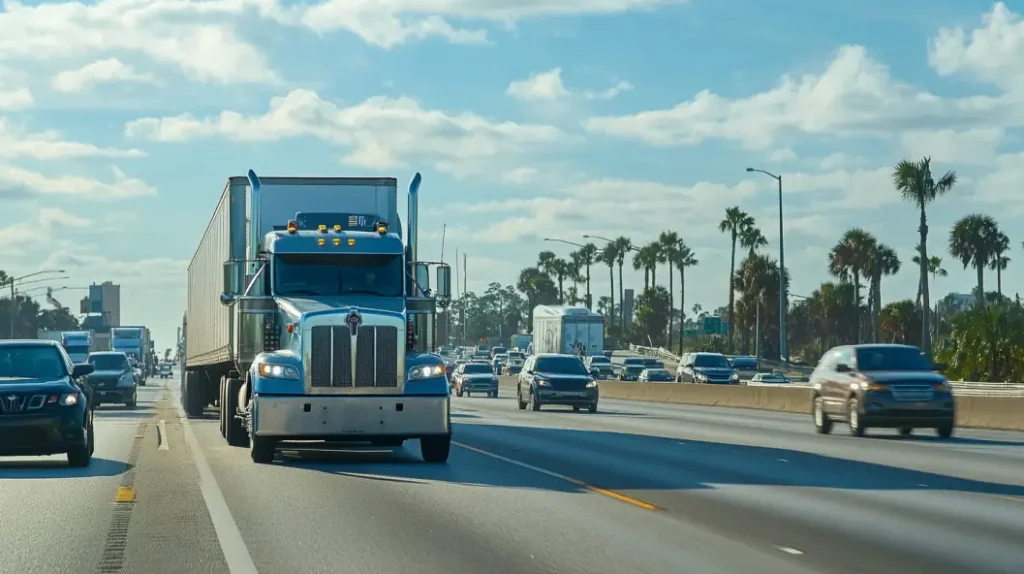
One of the primary types of data recorded by black boxes is the vehicle’s speed at various points leading up to the accident. This information can help determine if the vehicle was traveling above the speed limit or if there were sudden changes in speed that could have contributed to the collision. Additionally, black boxes track braking events, providing data on when and how forcefully the brakes were applied. This can be crucial in understanding whether the driver attempted to avoid the accident and how effectively the braking system was utilized. Other data such as engine performance and throttle usage can also shed light on the operational status of the vehicle at the time of the accident.

Retrieving data from a vehicle’s black box involves a specific process that must be carried out with care to ensure the accuracy and integrity of the information. Typically, the data is accessed using specialized tools and software by trained professionals. The retrieval process often requires connecting to the vehicle’s onboard diagnostics port, which allows for the extraction of recorded data. It is essential that this process is performed correctly to avoid data corruption or loss, and to maintain the chain of custody for the evidence.

The legal implications of using black box data in accident investigations are significant. For the data to be admissible in court, it must meet certain legal standards, including authenticity and relevance. Courts generally require that the data be a true and accurate representation of the vehicle’s performance, which means that the extraction and handling of the data must be documented and conducted in accordance with legal procedures. Additionally, privacy concerns may arise, as the data recorded by black boxes can include sensitive information about the vehicle’s operation and the driver’s behavior. Ensuring that the data is obtained and used in compliance with privacy laws is crucial to avoid legal complications.

Accuracy and Objectivity

One of the most compelling advantages of digital evidence in auto accident claims is its ability to provide accuracy and objectivity. Unlike traditional forms of evidence, which can be subject to personal bias or interpretation, digital evidence offers a precise and factual account of events. This accuracy is particularly valuable in legal contexts where the details of an accident can be complex and contested.

Digital evidence, such as footage from dashboard cameras, surveillance cameras, or data from vehicle recorders, minimizes the risk of subjective interpretations. For example, a dashcam video captures a clear, unaltered view of the accident scene, including the movements of all involved vehicles, road conditions, and traffic signals. This visual documentation reduces the reliance on potentially unreliable eyewitness testimonies and helps to establish a more objective narrative of the incident. By providing a direct record of the events, digital evidence helps to clarify the circumstances surrounding the collision and supports a fair assessment of liability.

Additionally, digital evidence offers detailed and factual documentation that can enhance the credibility of a claim. For instance, GPS data from a smartphone or vehicle data recorder can provide precise information about the location and speed of a vehicle at the time of the accident. This level of detail is crucial in reconstructing the sequence of events and understanding how the accident occurred. By relying on objective data rather than subjective accounts, digital evidence helps to create a comprehensive and accurate depiction of the accident, which can be instrumental in resolving disputes and ensuring that justice is served.

Enhancing Claim Validity

Digital evidence significantly enhances the validity of auto accident claims by strengthening the credibility of the claims and supporting narratives with concrete proof. In the realm of legal disputes, where the details of an accident can often be contested, having objective evidence can make a crucial difference in the outcome of a case.

The inclusion of digital evidence, such as video footage from dashboard cameras or data from vehicle recorders, adds a layer of authenticity and reliability to a claim. This evidence provides an unaltered record of the events leading up to, during, and following an accident. For instance, a dashcam video can capture the precise moment of impact, the behavior of the drivers involved, and the conditions of the road. This direct visual evidence can help substantiate claims by presenting a clear, factual account of the incident, reducing the likelihood of disputes over the details.

Moreover, digital evidence supports narratives with concrete proof, reinforcing the arguments presented by claimants. When a claimant’s account of the accident aligns with the data recorded by a vehicle’s black box or the footage from a surveillance camera, it strengthens the overall case by providing corroborative evidence. This alignment between personal testimony and objective data can be pivotal in persuading insurance companies, judges, or juries of the validity of the claim. By providing undeniable proof of key details, such as the speed of the vehicles involved or the timing of the accident, digital evidence helps to create a more compelling and credible narrative.

Timeliness and Accessibility

Digital evidence offers significant advantages in terms of timeliness and accessibility, which can greatly impact the efficiency of auto accident claims processing. One of the key benefits of digital evidence is its instant availability. Unlike traditional forms of evidence, such as physical documents or eyewitness testimonies, digital data can often be accessed and reviewed immediately. For example, video footage from dashboard cameras or surveillance systems can be retrieved and examined shortly after an incident, providing a rapid and accurate depiction of the events. This immediacy allows for a swift assessment of the situation, which is crucial in the fast-paced environment of legal and insurance claims.

The instant availability of digital evidence facilitates quicker claims processing by streamlining the investigation and decision-making process. When evidence such as GPS data from smartphones or black box data from vehicles can be quickly accessed, it enables claimants, insurance adjusters, and legal professionals to promptly evaluate the details of the accident. This can lead to faster resolutions, as the evidence helps to clarify key aspects of the claim and supports informed decisions. The ability to quickly review and analyze digital evidence can also reduce the time required for negotiations and litigation, ultimately speeding up the overall claims process.

Furthermore, the accessibility of digital evidence extends beyond the initial retrieval. Once collected, digital data can be easily shared among various parties involved in the claim, including insurance companies, legal teams, and experts. This ease of distribution ensures that all relevant parties have timely access to the same information, promoting transparency and collaboration. Digital evidence can also be stored and archived electronically, making it readily accessible for future reference or additional legal proceedings if needed.

Admissibility in Court

The admissibility of digital evidence in court is a critical aspect of its effectiveness in supporting auto accident claims. For digital evidence to be accepted in legal proceedings, it must meet specific legal standards designed to ensure its authenticity, relevance, and reliability. These standards are in place to safeguard the integrity of the evidence and to prevent the inclusion of any data that could be misleading or incorrect.

Ensuring that digital evidence meets legal standards involves several key steps. First, the evidence must be authenticated, meaning that its origin and integrity must be verifiable. This involves demonstrating that the data has not been tampered with or altered since its collection. For example, when presenting video footage from a dashboard camera, it is essential to prove that the footage is an accurate and unmodified recording of the incident. This often requires providing documentation of the evidence collection process and any subsequent handling to establish a clear chain of custody.

Second, the evidence must be relevant to the case at hand. This means that the digital data must directly pertain to the facts of the accident and contribute meaningful information to the resolution of the claim. Relevant data might include video footage that captures the moment of impact or GPS data that provides insight into the vehicle’s speed and location. The relevance of the evidence helps to ensure that it will be useful in establishing the facts and supporting the arguments presented in court.

However, the admissibility of digital evidence can face challenges and rebuttals from opposing parties. One common challenge is questioning the reliability of the evidence. Opposing parties may argue that the data is not accurate or that it has been improperly handled. For instance, they may challenge the authenticity of video footage by suggesting that it could have been edited or manipulated. To counter such challenges, it is important to provide detailed documentation and expert testimony that verifies the accuracy and integrity of the evidence.

Another challenge might involve disputing the chain of custody. If there are any gaps or inconsistencies in how the evidence was collected, stored, or transferred, it could lead to arguments that the evidence is inadmissible. Ensuring meticulous record-keeping and following established protocols for handling digital evidence are crucial in addressing these concerns.

Privacy Concerns And Digital Evidence Civil Cases

Privacy concerns are a significant consideration when using digital evidence in auto accident claims, as they involve balancing the need for evidentiary information with respect for individual privacy rights. As technology becomes more integrated into daily life, the collection and use of digital data, such as video footage from dashboard cameras or GPS information from smartphones, raise important questions about privacy and data protection.

Balancing privacy rights with evidentiary needs requires careful consideration of the scope and extent of data collection. While digital evidence can provide valuable insights into the circumstances of an accident, it is crucial to ensure that the data collected does not infringe on individuals’ reasonable expectations of privacy. For instance, while a dashcam recording might capture the moment of an accident, it may also inadvertently record private conversations or activities unrelated to the accident. To address these concerns, it is important to limit the use of digital evidence to information directly relevant to the case and to avoid unnecessary intrusion into personal privacy.

Ensuring lawful acquisition and usage of digital evidence is essential to comply with privacy laws and regulations. The process of obtaining digital evidence must adhere to legal standards to protect individuals’ rights and avoid potential legal challenges. For example, in many jurisdictions, recording audio or video in public spaces is subject to specific regulations, and consent may be required from all parties involved. Similarly, accessing data from private devices or surveillance systems often requires proper authorization, such as consent from the device owner or a court order. Ensuring that evidence is collected and used in accordance with these legal requirements helps to maintain the legitimacy of the evidence and prevents potential privacy violations.

Furthermore, once digital evidence is acquired, it must be handled and stored in a manner that respects privacy and data protection principles. This involves implementing secure storage practices to prevent unauthorized access and ensuring that any data sharing is done in compliance with legal standards. Proper documentation of the evidence-handling process and adherence to data protection protocols are essential in safeguarding privacy and maintaining the integrity of the evidence.

Case Studies and Examples

Real-life examples illustrate the powerful impact that digital evidence can have on auto accident cases. One notable case involved a collision at a busy intersection where a vehicle ran a red light and caused a multi-car accident. The primary evidence presented was video footage from a traffic camera mounted at the intersection. The footage clearly showed the traffic signal turning red before the vehicle entered the intersection, corroborating the claim of the injured parties. This video evidence was crucial in establishing fault and securing a favorable settlement for the plaintiffs.

In another case, a driver claimed that they had braked in time to avoid an accident, but the opposing party disputed this assertion. The defense presented data from the vehicle’s black box, which recorded the exact speed and braking patterns leading up to the collision. The data revealed that the driver had not applied the brakes until moments before impact, directly countering their claim. The black box evidence was instrumental in proving the true nature of the driver’s actions and led to a successful outcome in favor of the plaintiffs.

These examples highlight how digital evidence, such as video footage and vehicle data recordings, can provide clear and objective insights into the circumstances of an accident. By offering detailed, factual documentation, digital evidence can play a decisive role in resolving disputes and ensuring that justice is served.

Why Automobile Accident Attorneys Should Act Quickly to Gather Digital Evidence

In today’s digital age, the swift collection of electronic data has become crucial for automobile accident attorneys seeking to build strong cases for their clients. Digital evidence provides an objective and detailed account of incidents, often capturing critical moments that can make or break a claim.

Time is of the essence when it comes to gathering digital evidence. Surveillance footage may be overwritten, dashcam data could be lost, and social media posts might be deleted. Car accident lawyers must act promptly to secure these valuable resources before they vanish.

Digital evidence offers unparalleled accuracy in determining fault. High-resolution videos can reveal traffic violations, smartphone data may indicate distracted driving, and GPS records can verify vehicle locations. This precision helps attorneys establish liability and negotiate fair compensation for their clients.

Quick evidence collection can effectively counter misleading accounts of an incident. By securing digital proof early, automobile accident attorneys can challenge inaccurate statements and strengthen their client’s position. This proactive approach often leads to faster resolutions and more favorable outcomes.

The rapid acquisition of digital evidence is not just beneficial—it’s essential for modern auto accident claims. As technology continues to evolve, so too must the strategies employed by legal professionals to protect their clients’ interests.

Digital evidence has become an indispensable tool in modern auto accident claims. By leveraging dashcam footage, smartphone videos, and social media posts, you can significantly strengthen your case and increase your chances of a favorable outcome. As technology continues to evolve, the importance of digital evidence in legal proceedings will only grow. To protect your interests, it is crucial that you act quickly to preserve and collect all available digital evidence following an accident. By working closely with an experienced attorney who understands the significance of digital evidence, you can ensure that your rights are protected and that you receive the compensation you deserve in the aftermath of an auto accident.

Digital evidence has become a cornerstone in modern auto accident claims, offering unparalleled accuracy, objectivity, and timeliness. Its ability to provide real-time and detailed documentation enhances the credibility of claims, supports narratives with concrete proof, and facilitates quicker claims processing. As technology continues to advance, the scope and effectiveness of digital evidence are likely to evolve, introducing new tools and methods for capturing and analyzing data.

Looking forward, the integration of emerging technologies, such as advanced sensor systems and artificial intelligence, promises to further refine the role of digital evidence in legal proceedings. As these technologies develop, they will offer even greater precision and insight into the complexities of auto accident cases, shaping the future of legal and insurance claims.

At Goldman, Babboni, Fernandez, Murphy & Walsh, we understand the critical importance of digital evidence in navigating auto accident claims. Our experienced team is dedicated to leveraging the latest technological advancements to support your case and ensure that you receive the justice you deserve. If you have been involved in an auto accident and need expert legal representation, contact us to discuss how we can assist you with your claim.

More On Digital Evidence And Injury Cases:

Leveraging Tech in Legal Cases Post-Auto Accidents – Proof

Phones Track Everything but Their Role in Car Wrecks

Social Media as Evidence in a Car Accident Claim

https://www.nist.gov/digital-evidence

The post Bradenton Attorney On Digital Evidence in Modern Auto Accident Claims appeared first on Justice Pays.

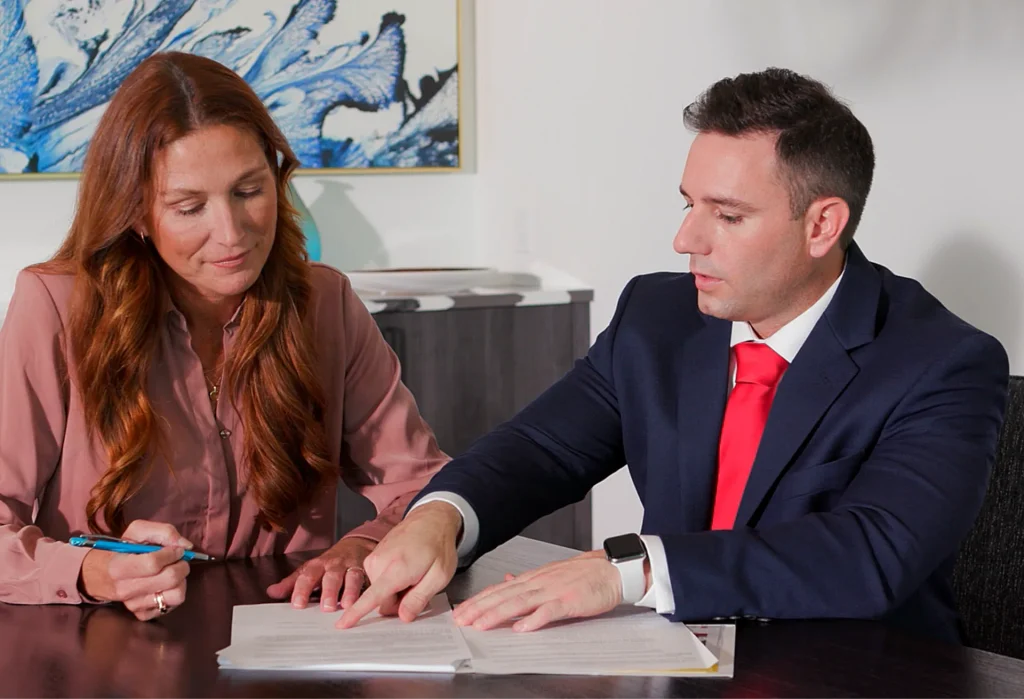
The Pitfalls of Binding Legal Contracts Through Online Signups At Big Law Firms and How We Offer a Better Approach

Choosing the right law firm to handle your case can be confusing. For many clients, large law firms present an appealing option, often because of their extensive resources and wide range of services. However, these firms are frequently luring unwary clients into signing up using convenient apps even before they have spoken with a live attorney, and before they know what they are signing up for. While this might seem like a typical business practice, for the client in a legal case it can introduce significant complications and drawbacks for those who sign on.

The issue with these online forms and apps is that they often lock clients into agreements before they’ve had a chance to truly get to know their legal team. Imagine entering into a long-term commitment without meeting the people who will be representing you or understanding their dedication to your case. This lack of personal connection can leave clients feeling disconnected and uncertain about the quality of the legal support they’re receiving.

Moreover, once you’re signed on with these online forms and apps, switching attorneys can be fraught with challenges. If you find that the service isn’t meeting your expectations, the terms of the contract might make it difficult to seek alternative representation without incurring additional costs or dealing with bureaucratic hurdles.

In contrast, Goldman, Babboni, Fernandez, Murphy & Walsh takes a markedly different approach. They believe in putting clients first and ensuring that there is a genuine connection before any formal agreements are signed. Understanding the pitfalls associated with online forms and app signups in large law firms and highlights how Goldman, Babboni, Fernandez, Murphy & Walsh’s client-focused strategy offers a more personable and effective alternative. By fostering personal relationships and providing transparency from the outset, this firm ensures that clients receive the attention and care they deserve, avoiding the impersonal and restrictive nature of traditional binding contracts.

The Drawbacks Of Signing Up Using An App Before You Speak Face To Face

Lack of Personal Connection: One of the major drawbacks of these online forms and apps in large law firms is the significant lack of personal connection. Many of these firms rely on online sign-up forms, a method that might seem convenient but often fails to provide the crucial personal touch that clients need. When clients are locked into agreements through these impersonal online processes, they might find themselves committed to a firm without ever having met or spoken directly with the attorneys who will handle their case.

This lack of face-to-face interaction can be particularly problematic. Legal matters, by their nature, require a high level of trust and open communication between clients and their attorneys. When clients are bound by contracts before meeting their legal team, it creates a situation where they may end up working with attorneys they’ve never met in person or had the chance to discuss their case with in detail. This impersonal approach can undermine the essential rapport needed for a successful attorney-client relationship. It’s challenging to build the necessary trust and understanding through a screen or an online form alone, which can leave clients feeling uneasy or disconnected from their legal representation.

Furthermore, the online sign-up process using forms and apps often prioritizes efficiency over personal engagement. While it streamlines the intake process for the firm, it can result in clients interacting primarily with administrative staff or junior attorneys rather than the experienced lawyers who will be handling their cases. This shift can lead to a lack of direct communication with the attorneys who will make the critical decisions about their case, impacting the overall quality of legal support and client satisfaction.

Difficulty in Switching Attorneys: One of the more challenging aspects of online signups and apps in large law firms is the difficulty clients face when attempting to switch attorneys. Once clients are locked into these contracts, changing legal representation can become a tangled and costly ordeal.

When a client decides to seek alternative representation due to dissatisfaction with their current attorney’s service, the binding contract can complicate the transition. Many of these online signups and phone apps include terms that not only bind clients to the firm but also impose penalties or additional fees for terminating the agreement. This financial burden can deter clients from making a switch, even if their needs are not being adequately met.

Moreover, the process of switching attorneys involves several logistical hurdles. Clients must be able to handle withdrawing from the current firm, which often includes formal notifications and potential disputes over unpaid fees or work completed. This can be an exhausting process, particularly for individuals who are already dealing with the stress and challenges of their legal issues.

In addition to the financial and procedural barriers, clients may also face delays in finding new representation. The process of identifying and securing a new attorney, especially one who is well-suited to handle their case, can take time. During this period, clients might experience a lapse in legal support, which can affect the progress and outcome of their case.

The result is that clients often feel trapped in a situation where they are forced to stay with a firm that does not meet their expectations or adequately address their legal needs. This sense of entrapment can exacerbate the stress of the legal process, leaving clients frustrated and disillusioned.

In contrast, firms like Goldman, Babboni, Fernandez, Murphy & Walsh offer a more flexible approach.

Personal Service

By prioritizing client relationships and avoiding binding contracts until clients are fully comfortable with their legal team, they mitigate the risk of such complications. This client-first approach ensures that individuals can make informed decisions about their representation and switch if needed, without facing undue financial or procedural barriers.

Getting Stuck With Big-Firm Impersonal Service and Firm-Centric Priorities

One of the significant drawbacks of the automated nature of online sign-ups in large law firms is the impersonal service that clients often receive. When clients engage with a firm through an online form or phone app, they frequently interact with administrative staff or junior attorneys who may not have a through understanding of their specific case. These interactions can be transactional and brief, focusing more on processing paperwork than on addressing the nuances of a client’s situation.

The real concern with signing up over an app, is that clients may never get the opportunity to speak directly with the experienced attorneys who will ultimately handle their case. This lack of direct communication can lead to a gap in understanding and a diminished quality of representation. Personal touch is crucial in legal matters, where each case has unique aspects that require detailed attention and strategic planning. When clients are primarily interfacing with non-attorney staff, they miss out on the valuable insights and personalized guidance that seasoned lawyers can provide. This impersonal approach can impact not just the effectiveness of the legal strategy but also the client’s overall experience and satisfaction with the firm.

Additionally, large firms with binding contracts often exhibit a commitment to their internal processes and retention strategies over the individual needs of their clients. These firms may prioritize maintaining a steady client base through rigid contracts and automated systems, sometimes at the expense of delivering tailored legal services. The focus on retaining clients through contractual obligations rather than providing personalized care can result in clients feeling undervalued and neglected.

In such environments, the firm’s internal priorities, such as meeting quota targets or adhering to procedural norms, can overshadow the client’s immediate needs and concerns. This firm-centric approach means that clients might experience delays in communication, lack of responsiveness, or a generalized service that fails to address their specific legal issues effectively. As a result, clients may find their cases receiving less attention and their concerns being sidelined, further highlighting the gap between what they need and what the firm is delivering.

In contrast, at Goldman, Babboni, Fernandez, Murphy & Walsh we take a more client-centered approach, ensuring that every client has direct access to experienced attorneys who are actively involved in their case from the beginning.

Attorney Danny Murphy Helping Auto Accident Client Get Compensation

This personalized service fosters a stronger attorney-client relationship and ensures that each client’s unique needs are met with the attention and care they deserve. By prioritizing client interaction and satisfaction over internal processes, these firms can offer a more effective and responsive legal service.

How Goldman, Babboni, Fernandez, Murphy & Walsh Does It Differently

Meeting Bernie Walsh

Goldman, Babboni, Fernandez, Murphy & Walsh takes a notably different approach by prioritizing a client-first philosophy. Here’s how they set themselves apart:

Personalized Onboarding: Unlike many large firms, Goldman, Babboni, Fernandez, Murphy & Walsh ensures that clients are not bound by contracts before they have the opportunity to meet their legal team. Prospective clients are encouraged to visit the firm, meet with our attorneys, and get to know the team who will be handling their case. This approach allows clients to feel comfortable and confident about their choice of legal representation before any formal agreement is made.

Building Relationships: Our firm places a strong emphasis on building personal relationships with clients. By meeting and working closely with clients before finalizing any agreements, the attorneys at Goldman, Babboni, Fernandez, Murphy & Walsh can better understand their clients’ needs. This helps establish a solid foundation for effective representation and ensures that clients feel personally supported throughout the legal process.

Flexibility and Transparency: Goldman, Babboni, Fernandez, Murphy & Walsh offers a flexible and transparent approach compared to firms that use binding contracts as a retention tool. Clients have the opportunity to discuss their case in detail, ask questions, and ensure they are comfortable with the team that will be handling their legal matters. This level of transparency helps build trust and ensures that clients feel valued and understood.

Commitment to Client Care: The firm’s commitment to client care extends beyond just providing legal representation. By fostering an environment where clients feel personally connected to their legal team, Goldman, Babboni, Fernandez, Murphy & Walsh prioritize the client’s best interests. This personalized service ensures that clients receive dedicated attention and care throughout the entire legal process.
The pitfalls of binding contracts in large law firms can significantly impact the quality of service and the client experience. The impersonal nature of online sign-ups and the difficulty in switching attorneys can leave clients feeling trapped and undervalued. These issues highlight the importance of choosing a law firm that prioritizes personalized attention and client care.

Goldman, Babboni, Fernandez, Murphy & Walsh offers a compelling alternative to these drawbacks. By focusing on building personal connections and ensuring clients meet their legal team before any formal agreements are made, they provide a level of service that is both attentive and individualized. This client-first approach not only enhances client satisfaction but also ensures that every case receives the dedicated care it deserves.

If you’re looking for a law firm that truly understands your needs and values a personal connection, Goldman, Babboni, Fernandez, Murphy & Walsh is here for you. Contact us today to schedule a consultation and experience firsthand how our commitment to personalized service can make a difference in your legal journey. Your case deserves the dedicated attention of a team that puts you first—let us show you how we can help!

The Pros & Cons of Long-Term Contracts and When to Use …

Negotiating Large Corporate Contracts: Top Ten Dos and …

Persuading Consumers to Sign Long-Term Contracts

4 reasons you’ll save money by using a lawyer for contracts

Top 10 Reasons to Hire a Lawyer

Why In-House Legal Departments Should Use More …

Why Hiring a Business Lawyer is Essential

Sarasota Bradenton FL Car Accident and Personal Injury …

Goldman Babboni Fernandez Murphy & Walsh

The Big Benefits Of A Personal Injury Lawyer

The Benefits of a Good Accident Lawyer

How to Find the Best Car Accident Lawyer – Money

Find A Car Accident Lawyer Near You

The post The Pitfalls of Binding Legal Contracts Through Online Signups At Big Law Firms and How We Offer a Better Approach appeared first on Justice Pays.

Bradenton Man Critically Injured After Being Struck By Hit And Run Vehicle

MANATEE COUNTY – Florida Highway Patrol reported that a 49-year-old man from Bradenton was critically injured after being hit by a vehicle very early Monday morning.

The crash took place before sun up in the area of the 5100 block of US 41, as an unknown driver was heading north on US 41.

Ahead of the oncoming vehicle was a 49-year-old man from Bradenton who the report states was “possibly laying on the US 41 travel lane”.

At 3:42 AM the driver of the vehicle encountered the pedestrian and struck them with their vehicle, and failed to stop and contact authorities instead they fled the scene of the collision.

The pedestrian was critically injured by the impact, and taken to an area hospital for emergency treatment.

FHP is asking that anyone with knowledge of the crash to please contact them by calling *FHP, or through the Manatee Crime-stoppers website.

The post Bradenton Man Critically Injured After Being Struck By Hit And Run Vehicle appeared first on Justice Pays.

Driver Flees Scene Of Crash After Being Rear-Ended On US 41 In Palmetto

MANATEE COUNTY – Florida Highway Patrol has reported that an unidentified driver has fled the scene of an auto accident in Palmetto Monday night.

The crash took place as a Van driven by an unknown driver was traveling north on US 41 in Palmetto north of the intersection with 49th Street East Monday night.

Following behind the van was a sport utility vehicle driven by a 70-year-old man from Ruskin Florida.

At 10:52 PM, the SUV collided with the rear of the van, injuring the driver of the SUV.

After being struck by the SUV, the driver of the van exited the vehicle and fled the scene on foot.

Damage from the crash caused the van to begin leaking diesel fuel onto the roadway, creating a hazard that forced the closure of US 41 as the spill was contained and cleaned up.

The driver of the SUV sustained minor injuries during the crash, and FHP has stated the whereabouts of the driver of the van are unknown at this time.

The post Driver Flees Scene Of Crash After Being Rear-Ended On US 41 In Palmetto appeared first on Justice Pays.

Sarasota Attorney’s Helpful Guide On Florida Motorcycle Accident Laws

Whether you’re driving in scenic downtown on Bayfront Drive, on your way to work on Bee Ridge Road, or enjoying the Siesta Key breeze along Midnight Pass Road, understanding the legal issues that govern motorcycle riding is not just a matter of compliance—it’s crucial for your safety and protection. Sarasota’s roads, while offering picturesque views and a sense of freedom, also present unique challenges and risks that every motorcyclist must be prepared to face. This is why having a thorough knowledge of motorcycle accident laws specific to Sarasota is essential.

In this comprehensive guide, we will look into the complexities of Sarasota’s motorcycle accident laws, providing you with the critical information needed to safeguard your rights and ensure you are fully protected on the road. Whether you’re an experienced rider who has spent years exploring Florida’s highways or someone new to the exhilarating experience of motorcycle riding, knowing your legal rights, responsibilities, and options is not just beneficial—it is essential. Motorcyclists in Sarasota face a range of issues, from helmet requirements, helmet exemptions, and insurance obligations to understanding fault in the event of an accident. Each of these elements plays a vital role in your ability to navigate the aftermath of an accident effectively.

The experienced legal team at Goldman, Babboni, Fernandez, Murphy & Walsh is here to empower you with the knowledge necessary to confidently handle any situation that may arise on the road. We recognize that motorcycle accidents can be overwhelming and disorienting, and our goal is to ensure that you are well-prepared, well-informed, and equipped with the legal understanding to protect your rights after being involved in a serious accident.

Florida’s Motorcycle Accident Laws

For those involved in Motorcycle accidents in Sarasota, a clear understanding of the laws that specifically apply to motorcyclists will be helpful when taking your first steps at recovering. Unlike drivers of cars and trucks, motorcyclists face unique legal distinctions that can significantly impact the outcome of an accident claim. The law firm of Goldman, Babboni, Fernandez, Murphy & Walsh is dedicated to helping motorcyclists understand the rules and ensure that their rights are fully protected on Sarasota’s roads.

Florida’s No-Fault Law and Motorcycles

One of the most critical distinctions in Florida’s legal system is the difference between how motorcycle accidents and other vehicle accidents are treated under the law. In Florida, the no-fault law requires most drivers to carry Personal Injury Protection (PIP) insurance, which covers medical expenses and lost wages regardless of who is at fault in an accident. However, this law does not apply to motorcycles! This means that as a motorcyclist in Sarasota, you are not required to carry PIP insurance, which can leave you more vulnerable in the event of an accident.

The absence of PIP coverage for motorcyclists means that if you are injured in an accident, you cannot rely on your own insurance to cover medical expenses or lost wages. Instead, you must seek compensation from the at-fault party, which involves proving their negligence. This requirement places a significant burden on the injured motorcyclist, as you will need to gather evidence, witness statements, and possibly expert testimony to establish that the other party was responsible for the accident. Given all the factors that can be involved in a motorcycle accident, having a knowledgeable attorney from Goldman, Babboni, Fernandez, Murphy & Walsh by your side can be crucial in this process and ensure that you receive the compensation you deserve.

Sarasota’s Motorcycle Traffic Laws

Familiarizing yourself with Sarasota’s motorcycle traffic laws is not just about following the rules of the road—it’s about protecting your rights and your ability to pursue an injury claim if you are involved in an accident. Sarasota, like the rest of Florida, has specific laws that govern how motorcycles should operate on the road, and violating these laws can have serious consequences.

One of the most important traffic laws for motorcyclists to understand is the prohibition of lane splitting in Florida. Lane splitting, which involves riding between lanes of slow-moving or stopped traffic, is illegal in Sarasota and throughout the state. Engaging in lane splitting can result in a citation and, more importantly, can negatively impact your ability to recover damages if you are involved in an accident while lane splitting. Insurance companies and courts may view lane splitting as reckless behavior, which could reduce or eliminate your compensation.

Additionally, Sarasota’s motorcycle traffic laws include specific right-of-way rules, which dictate when and how motorcyclists must yield to other vehicles and pedestrians. Understanding these rules is essential, as failure to comply can lead to accidents and legal complications. For example, at busy intersections like U.S. 41 and Fruitville Road, knowing when you have the right of way can prevent collisions and ensure that you are not held liable if an accident occurs.

Helmet and Eye Protection Requirements

Helmet and eye protection requirements are another critical aspect of motorcycle safety and legality in Sarasota. Florida law mandates that all motorcycle riders under the age of 21 must wear a helmet at all times while riding. This law is designed to protect younger, less experienced riders who may be more prone to accidents and serious injuries. However, for riders aged 21 and over, the law offers an exemption: you can choose to ride without a helmet if you carry at least $10,000 in medical insurance coverage specifically for injuries sustained in a motorcycle accident.

While this exemption provides some flexibility for adult riders, it also comes with significant risks. Choosing to ride without a helmet, even with the required insurance coverage, can increase your vulnerability to severe head injuries in the event of an accident. Moreover, if you are involved in an accident and were not wearing a helmet, this decision could impact your legal standing. Insurance companies and courts may consider your choice not to wear a helmet as contributory negligence, which could reduce the amount of compensation you are eligible to receive.

Regardless of age, Florida law also requires that all motorcycle riders wear eye protection. This requirement is in place to prevent injuries caused by debris, insects, or other hazards that could impair your vision while riding. Non-compliance with this law can not only lead to citations but also affect your ability to recover damages if your lack of eye protection contributed to an accident or injury.

Protecting Your Rights on Sarasota’s Roads

Mastering Sarasota’s motorcycle accident laws is your first line of defense in protecting your rights and ensuring your safety on the road. Understanding the details of Florida’s no-fault law as it applies to motorcyclists, adhering to specific traffic laws, and complying with helmet and eye protection requirements are all crucial steps in safeguarding your well-being and legal standing. However, the complexities of these laws can be difficult to handle on your own, especially in the aftermath of an accident.

That’s why it’s essential to consult with a qualified attorney who specializes in motorcycle accident law. The experienced legal team at Goldman, Babboni, Fernandez, Murphy & Walsh is dedicated to helping Sarasota’s motorcyclists understand their rights and responsibilities, providing personalized legal advice tailored to your unique situation. By staying informed and seeking expert guidance, you can ride with confidence, knowing that you are fully protected and prepared for any legal challenges that may arise on Sarasota’s roads.

Proving Liability After a Motorcycle Crash

In the aftermath of a motorcycle crash, one of the most critical steps in seeking compensation is proving liability. Establishing who is at fault can be complex, especially when multiple parties are involved or when the details of the accident are disputed. To successfully prove liability, it’s essential to demonstrate that the other party’s negligence or reckless behavior directly led to your injuries. This process involves gathering substantial evidence and, in many cases, working with experts who can lend credibility to your claim. The law firm of Goldman, Babboni, Fernandez, Murphy & Walsh is committed to guiding you through this process to ensure that your rights are fully protected and that you receive the compensation you deserve.

Establishing Negligence

At the core of any motorcycle accident claim is the concept of negligence. To establish negligence, you must prove that the other party failed to exercise reasonable care, resulting in the accident that caused your injuries. This is a legal standard that requires demonstrating four key elements: duty of care, breach of duty, causation, and damages.

  • Duty of Care: Every driver on the road has a legal obligation to operate their vehicle in a manner that ensures the safety of others. This duty of care extends to motorcyclists, pedestrians, and other drivers. For example, drivers are expected to follow traffic signals, observe speed limits, and remain vigilant for other road users, including motorcyclists.
  • Breach of Duty: A breach occurs when a driver fails to fulfill their duty of care. In the context of a motorcycle accident, this could involve actions such as speeding, running a red light, failing to yield the right-of-way, or distracted driving. For instance, if a driver fails to yield to a motorcyclist at an intersection like U.S. 301 and Main Street in Sarasota, they may have breached their duty of care.
  • Causation: Proving causation involves demonstrating that the breach of duty directly caused the accident and, consequently, your injuries. It is not enough to show that the other driver was negligent; you must also establish that their negligence was the direct cause of the crash. For example, if a driver’s failure to check their blind spot before changing lanes led to a collision with your motorcycle, this would establish causation.
  • Damages: Finally, you must show that the accident resulted in actual damages, such as medical expenses, lost wages, pain and suffering, or property damage. The extent of these damages will be central to determining the compensation you may be entitled to receive.

Successfully proving each of these elements is essential to building a strong motorcycle accident claim. However, this process can be challenging without the right legal support, particularly when dealing with insurance companies or in cases where liability is contested. The attorneys at Goldman, Babboni, Fernandez, Murphy & Walsh have the expertise to navigate these complexities, ensuring that all aspects of negligence are thoroughly demonstrated in your case.

The Importance of Evidence

Gathering comprehensive evidence is a critical step in proving liability in a motorcycle accident case. The strength of your evidence can significantly influence the outcome of your claim, as it provides the factual basis for establishing negligence and causation. Without solid evidence, it can be difficult to prove that the other party was at fault, and you may struggle to secure the compensation you deserve.

Key types of evidence that can bolster your motorcycle accident claim include:

  • Photographs of the Accident Scene: Detailed photographs taken immediately after the crash can capture crucial details, such as the positioning of vehicles, skid marks, road conditions, and any visible injuries. These images can provide a visual record that supports your version of events.
  • Traffic Camera Footage: If the accident occurred at a busy intersection or on a road with surveillance cameras, obtaining traffic camera footage can be invaluable. This footage can show the sequence of events leading up to the crash, helping to establish fault.
  • Witness Statements: Eyewitnesses can offer independent accounts of the accident, corroborating your claims about what happened. Witness statements can be particularly persuasive in cases where the at-fault party disputes your account of the crash.
  • Police Reports: A police report often contains an officer’s observations of the accident scene, as well as any citations issued. While not always admissible in court, these reports can provide a strong foundation for your claim, especially if the police determined that the other party was at fault.
  • Medical Records: Documentation of your injuries, including medical evaluations, treatment plans, and ongoing care, is essential for proving the extent of the harm caused by the accident. These records not only demonstrate the physical impact of the crash but also help quantify your damages in terms of medical expenses and future care needs.

Collecting and preserving this evidence as soon as possible after the accident is crucial. Over time, physical evidence can be lost, memories can fade, and witnesses may become harder to locate. By working with an experienced attorney from the outset, you can ensure that all relevant evidence is gathered, documented, and presented effectively to support your claim.

Working with Experts

In many motorcycle accident cases, the testimony and analysis provided by expert witnesses can be instrumental in proving liability and securing fair compensation. Experts bring specialized knowledge and credibility to your case, helping to clarify complex issues and strengthen your arguments.

  • Accident Reconstruction Specialists: These experts analyze the physical evidence from the crash scene, such as vehicle damage, skid marks, and debris, to reconstruct the sequence of events that led to the accident. Their findings can provide a clear, scientific explanation of how the accident occurred, helping to establish fault in disputed cases.
  • Medical Experts: Medical professionals can provide detailed insights into the nature and extent of your injuries, as well as the long-term impact on your health and quality of life. Their testimony can be crucial in demonstrating the severity of your injuries and the need for ongoing medical care or rehabilitation, which can significantly affect the amount of compensation you receive.
  • Economic Experts: In cases where the accident has led to significant financial losses, such as lost wages or diminished earning capacity, economic experts can quantify these losses. Their analysis can ensure that all economic damages are fully accounted for in your claim, helping to secure a settlement that reflects the true financial impact of the accident.

By working with these and other experts, your legal team at Goldman, Babboni, Fernandez, Murphy & Walsh can build a compelling case that thoroughly demonstrates the other party’s negligence and the full extent of the damages you have suffered. This comprehensive approach not only increases your chances of a favorable outcome but also ensures that you receive the maximum compensation possible for your injuries and losses.

Compensation Available for Motorcycle Accident Victims

Motorcycle accidents can result in devastating injuries and significant financial burdens for victims and their families. Understanding the types of compensation available and how to effectively pursue these claims is essential for anyone involved in a motorcycle accident in Sarasota. The legal team at Goldman, Babboni, Fernandez, Murphy & Walsh is committed to helping accident victims follow this complex process to ensure they receive the full compensation they are entitled to under Florida law.

Understanding Florida’s Insurance Requirements

In Florida, the laws surrounding insurance coverage for motorcyclists differ from those for other motor vehicles, primarily because Florida’s no-fault insurance system does not apply to motorcycles. As a result, motorcyclists are not required to carry Personal Injury Protection (PIP) insurance, which typically covers medical expenses and lost wages regardless of who is at fault in a car accident. Instead, motorcyclists must rely on liability insurance to cover damages in the event of an accident.

Florida mandates that motorcyclists carry a minimum of $10,000 in property damage liability coverage and $30,000 in bodily injury liability coverage per person, with a total of $60,000 for accidents involving two or more individuals. However, these minimum amounts may be insufficient to cover the full extent of damages in the case of a severe accident, where medical expenses, rehabilitation, and other costs can far exceed these limits.

Read the Insurance Requirements In Florida for Motorcycles

Given the potentially high costs associated with motorcycle accidents, it is advisable for motorcyclists to carry insurance coverage above the state-mandated minimums. This can include higher limits on bodily injury liability, uninsured/underinsured motorist coverage, and comprehensive coverage that protects against theft or damage to the motorcycle itself. Unfortunately, even with adequate insurance, pursuing compensation can be challenging, especially when the at-fault party lacks sufficient coverage or disputes liability. This makes it crucial to understand the full spectrum of compensation options available and to work with an experienced attorney to navigate these challenges effectively.

Types of Compensation

Motorcycle accident victims in Sarasota may be eligible for various types of compensation, depending on the specifics of their case. Understanding the full range of potential compensation is key to ensuring that all damages are accounted for in a claim. The types of compensation typically available include:

  • Pain and Suffering: Beyond the tangible costs associated with an accident, victims may also be entitled to compensation for pain and suffering. This includes the physical pain endured due to injuries, as well as the emotional and psychological impact of the accident. Pain and suffering compensation can be substantial, especially in cases involving severe or permanent injuries, such as spinal cord injuries, traumatic brain injuries, or amputations.
  • Medical Expenses: Compensation for medical expenses is one of the most critical components of a motorcycle accident claim. This includes not only the immediate costs of emergency care and hospitalization but also ongoing and future medical expenses. These can encompass surgeries, physical therapy, prescription medications, and the cost of any necessary medical devices or home modifications. It is essential to accurately document all medical expenses and to work with medical professionals to estimate future care needs, which may be substantial in cases involving long-term or permanent injuries.
  • Lost Income and Earning Capacity: If a motorcycle accident leaves you unable to work, either temporarily or permanently, you may be entitled to compensation for lost income. This includes not only the wages lost during recovery but also any reduction in earning capacity if your injuries prevent you from returning to your previous job or limit your ability to earn at the same level as before the accident. In some cases, vocational experts may be required to assess the impact of your injuries on your future earning potential.
  • Property Damage: Compensation for property damage typically covers the cost of repairing or replacing your motorcycle and any other personal property damaged in the accident. Given the often significant value of motorcycles and the possibility of total loss, property damage claims can be substantial.
  • Rehabilitation Costs: In addition to medical expenses, you may be entitled to compensation for rehabilitation costs. This can include physical therapy, occupational therapy, and other forms of rehabilitation necessary to recover from your injuries. In some cases, this also extends to psychological counseling if the accident has caused significant emotional or mental distress.
  • Loss of Enjoyment of Life: In cases where injuries from the accident have significantly reduced your quality of life, you may also seek compensation for loss of enjoyment of life. This covers the inability to participate in activities you once enjoyed, such as hobbies, sports, or other forms of recreation.

Building a Strong Case for Compensation

Securing the maximum compensation available after a motorcycle accident requires building a strong, well-documented case. This process begins immediately after the accident and continues throughout your recovery. The strength of your case will often determine the amount of compensation you receive, making it essential to approach this process with diligence and care. Here are the key steps involved:

  • Understanding the Accident Circumstances: A thorough understanding of how the accident occurred is crucial. This includes identifying the at-fault party, understanding the road conditions, and knowing the traffic laws that were applicable at the time of the accident. In some cases, accident reconstruction experts may be necessary to provide a detailed analysis of the crash, especially in complex or disputed cases.
  • Documenting Injuries and Damages: Accurate and comprehensive documentation of your injuries and other damages is essential. This includes medical records, bills, and any documentation related to your ongoing treatment or rehabilitation. Additionally, keeping a journal of your recovery process, noting pain levels, physical limitations, and the emotional impact of the accident, can provide valuable evidence for non-economic damages such as pain and suffering.
  • Gathering Compelling Evidence: The evidence you collect can make or break your case. This includes photographs of the accident scene, damage to your motorcycle, and any visible injuries. Witness statements are also crucial, as they can corroborate your version of events and provide an unbiased account of the accident. Police reports, which often include the officer’s assessment of fault, are another critical piece of evidence.
  • Accurately Calculating Losses: Accurately calculating both current and future losses is vital to ensure you are fully compensated. This includes not only medical expenses and lost income but also future costs such as ongoing medical care, rehabilitation, and the potential loss of future earnings. Working with financial and medical experts can help ensure that all potential losses are accounted for in your claim.
  • Legal Representation: Dealing with the legal issues after a motorcycle accident can be challenging, particularly when dealing with insurance companies that may attempt to minimize your claim. Consulting with an experienced motorcycle accident attorney at Goldman, Babboni, Fernandez, Murphy & Walsh can significantly enhance your ability to secure the compensation you deserve. An attorney can help you build a strong case, negotiate with insurance companies, and represent your interests in court if necessary.

Hiring a Motorcycle Accident Attorney in Sarasota

When you’re involved in a motorcycle accident in Sarasota, securing the services of an experienced attorney from Goldman, Babboni, Fernandez, Murphy & Walsh is not just a wise decision—it’s essential. Our firm’s attorneys possess in-depth knowledge of Florida’s complex motorcycle laws and are adept at navigating the intricacies of each case with precision. By choosing to work with our team, you’re not simply hiring representation; you’re gaining a powerful ally who is intimately familiar with local regulations and committed to vigorously advocating for your rights. We understand the unique challenges motorcyclists face on Sarasota’s roads, and our legal expertise is tailored to ensuring that you receive the best possible outcome for your case.

Reducing Stress and Focusing on Recovery

One of the most significant advantages of enlisting a skilled motorcycle accident lawyer in Sarasota from Goldman, Babboni, Fernandez, Murphy & Walsh is the peace of mind we provide. After an accident, your primary focus should be on healing and regaining your strength. Our attorneys take on the burdensome and often stressful aspects of your case, allowing you to do just that. We handle all interactions with insurance companies, meticulously gather evidence, and manage the extensive paperwork required for your claim. By taking on these responsibilities, our legal team ensures that you can prioritize your physical and emotional recovery, knowing that your case is in capable hands.

Access to Valuable Resources

At Goldman, Babboni, Fernandez, Murphy & Walsh, we leverage a vast network of professionals to bolster your motorcycle accident case. Our firm collaborates with top accident reconstruction specialists, medical experts, and skilled investigators, all of whom are integral to building a compelling claim. These resources enable us to thoroughly examine every detail of your accident, ensuring that no aspect is overlooked. By utilizing this comprehensive approach, we work diligently to secure the compensation you deserve for your injuries and losses. Our commitment to a meticulous and thorough case strategy underscores our dedication to achieving justice for our clients in Sarasota.

Frequently Asked Questions About Motorcycle Accidents in Sarasota

  • Reporting Requirements: Florida law mandates reporting any motorcycle accident resulting in injury, death, or property damage. This requirement ensures proper documentation and facilitates legal processes. If you’re involved in an accident, contact local law enforcement immediately to file an official report.
  • Importance of Legal Representation: Even in seemingly minor motorcycle accidents, Sarasota riders should seek legal assistance. Injuries from these incidents can be more severe than initially apparent, potentially leading to long-term health issues or financial burdens. An experienced attorney can help protect your rights and ensure you receive fair compensation.
  • Fatal Accident Cases In Sarasota: In the tragic event of a fatal motorcycle accident, Sarasota attorneys play a crucial role. They meticulously examine the facts surrounding the incident, including road conditions, vehicle maintenance records, and witness statements. This thorough investigation provides essential legal guidance for families seeking justice and compensation.

Remember, time is of the essence in motorcycle accident cases. Promptly contacting a qualified Sarasota attorney can significantly impact the outcome of your case, ensuring your rights are protected and maximizing your chances of a favorable resolution.

Motorcycle accident laws can be complex. Armed with the knowledge we have given you, you’re better prepared to protect yourself legally and financially should an accident occur. Remember, the nuances of each case can significantly impact outcomes. While this guide provides a solid foundation, consulting with experienced attorneys at Goldman, Babboni, Fernandez, Murphy & Walsh can offer tailored advice for your specific situation. By staying informed and proactive, you’re taking crucial steps towards safeguarding your interests on Sarasota’s roads. Ride safely, stay vigilant, and know that legal support is available when you need it most.

The post Sarasota Attorney’s Helpful Guide On Florida Motorcycle Accident Laws appeared first on Justice Pays.

Seven People Injured In 3-Vehicle Crash On I-75 Tuesday Afternoon

SARASOTA – Florida Highway Patrol reported a multi-vehicle crash on northbound Interstate-75 south of Bee Ridge Road resulting in seven people being injured Tuesday afternoon.

The crash began as a 61-year-old man from Lawrenceville Georgia was driving a Nissan sedan traveling north within the left lane. Also traveling in the Nissan were four passengers, including a 45-year-old man from San Jose California, another man from Lawrenceville Georgia, a woman from Maple Louisiana, and a 15-year-old teenager from Maple Louisiana.

Driving in the center lane adjacent to the Nissan sedan was a Mack truck semi driven by a 21-year-old man from Winter Haven Florida with two other passengers, a 22-year-old man from Lake Wales Florida, and a 20-year-old man also from Lake Wales Florida.

Traveling north in the right lane of I-75 next to the Mack Semi was a 38-year-old man from Bradenton driving a Pickup truck.

At 3:40:00 PM, the driver of the Nissan sedan attempted to change lanes moving from the left lane into the center lane, however, the report states that the driver “failed to make sure the center lane was clear before changing lanes”. This action resulted in the front right portion of the Nissan slamming into the left side of the Mack Truck. The force of the crash caused the Mack Truck to swerve to the right and crash into the pickup truck driven by the man from Bradenton, the right front of the Mack Truck colliding with the left front of the pickup.

All told seven people sustained minor injuries in the chain-reaction crash. Those injured included both the driver and several passengers of the Nissan sedan, including the 15-year-old girl from Lawrenceville GA, and the 45-year-old man from San Jose California.

All three of the occupants of the Mack Truck sustained minor injuries during the accident. The man from Bradenton also sustained minor injuries in the crash.

Fortunately, according to the report, all parties involved in the crash had been wearing seat belts at the time of the collision.

FHP has stated that the crash remains under investigation.

The post Seven People Injured In 3-Vehicle Crash On I-75 Tuesday Afternoon appeared first on Justice Pays.

Sarasota Attorney Offers Insights On Managing Long-Term Disabilities After A Motorcycle Accident

Whether your crash happened while on your way to work on Bee Ridge Road, or on Tamiami Trail heading home, after being hurt in a motorcycle accident, long-term disabilities can present overwhelming challenges. You may find yourself dealing with many complex challenges like medical care, rehabilitation, and financial strain. Understanding your options for support and legal recourse is crucial during this difficult time. The lawyers of Goldman, Babboni, Fernandez, Murphy & Walsh, aim to provide you with actionable insights on managing long-term disabilities resulting from motorcycle accidents. From exploring rehabilitation programs to securing essential legal aid and disability support, we’ll walk you through the steps to reclaim your life and protect your rights in Sarasota and beyond.

Understanding Long-Term Disabilities From Motorcycle Accidents

As you deal with the aftermath of a motorcycle accident, it’s essential to understand the potential long-term disabilities that may arise. These lasting impacts can significantly alter your life, requiring ongoing medical care, rehabilitation, and lifestyle adjustments.

Common Long-Term Disabilities

Motorcycle accidents often result in severe injuries that can lead to long-term or permanent disabilities, profoundly impacting the lives of those affected. One of the most serious outcomes of motorcycle accidents is Traumatic Brain Injuries (TBI). TBIs can occur when a rider’s head strikes the ground or another object during a crash, even if they are wearing a helmet. The consequences of a TBI can be extensive, including cognitive impairments, memory loss, and personality changes. These impairments can affect a person’s ability to perform daily activities, maintain employment, and engage in social interactions, often requiring long-term medical care and rehabilitation.

Motorcycle accidents often result in severe injuries that can lead to permanent disabilities. You may encounter:

  • Traumatic Brain Injuries (TBI): These can cause cognitive impairments, memory loss, and personality changes. Traumatic Brain Injury (TBI) is one of the most severe and life-altering consequences of motorcycle accidents. It occurs when a sudden trauma causes damage to the brain, often as a result of the head striking an object or experiencing a violent jolt. The severity of TBIs can range from mild concussions to severe brain damage, with long-lasting effects that significantly impact an individual’s life. Cognitive impairments are a common outcome of TBIs, affecting memory, attention, and problem-solving abilities. Individuals with TBIs may experience difficulty in retaining new information, concentrating on tasks, or making decisions, which can hinder their ability to work, study, and engage in daily activities.

In addition to cognitive challenges, TBIs can lead to profound emotional and behavioral changes. Personality shifts, mood swings, and increased irritability are frequently reported by those who have suffered a TBI. These changes can strain relationships with family and friends, as the injured person may no longer exhibit the same behaviors or emotional responses they did prior to the injury. Depression and anxiety are also common, exacerbated by the frustration and limitations imposed by the cognitive impairments and physical challenges associated with TBIs.

Physical symptoms of TBI can include persistent headaches, dizziness, and fatigue. In severe cases, individuals may experience seizures, coordination and balance issues, and sensory problems such as blurred vision or ringing in the ears. These physical symptoms can be debilitating, affecting one’s ability to perform even simple daily tasks and reducing overall quality of life. The need for ongoing medical care and rehabilitation, including physical therapy, occupational therapy, and speech therapy, is often necessary to help individuals regain as much function as possible and learn to cope with their new limitations.

The financial burden of TBI is substantial, encompassing not only the immediate medical costs of emergency care and hospitalization but also long-term expenses related to rehabilitation, medications, and potentially lost income due to the inability to work. The need for specialized equipment and home modifications to accommodate disabilities can further strain financial resources. Insurance may not cover all expenses, leaving families to navigate significant out-of-pocket costs.

Support systems, including family, friends, and specialized support groups, play a critical role in the recovery and adjustment process for individuals with TBI. Emotional and practical support can help mitigate some of the challenges faced by those with TBI and their caregivers. Additionally, advocacy for better safety measures and increased research funding is crucial to improving outcomes for TBI patients and preventing these types of injuries in the future.

Spinal Cord Injuries

Spinal Cord Injuries: Resulting in partial or complete paralysis, affecting your mobility and independence. Spinal Cord Injuries are another common and devastating result of motorcycle accidents. These injuries can lead to partial or complete paralysis, significantly affecting a person’s mobility and independence. Depending on the severity and location of the injury, individuals may lose function in their legs (paraplegia) or both their arms and legs (quadriplegia). Spinal cord injuries often require lifelong care, including physical therapy, assistive devices, and home modifications to accommodate mobility limitations. The psychological impact of such a drastic change in physical abilities can also be profound, leading to depression and anxiety.

Amputations

Amputations: Loss of limbs can necessitate prosthetics and extensive physical therapy.

Amputations are a tragic consequence of severe motorcycle accidents, where limbs may be so badly damaged that they cannot be saved. The loss of a limb necessitates the use of prosthetics and extensive physical therapy to help individuals adapt to their new circumstances. Beyond the physical challenges, amputations can lead to significant emotional and psychological distress as individuals adjust to their altered body image and functionality. The financial burden of prosthetics and ongoing rehabilitation can also be substantial.

Severe Nerve Damage

Severe Nerve Damage: Leading to chronic pain, loss of sensation, or impaired motor function. Severe Nerve Damage is another debilitating outcome of motorcycle accidents. This type of injury can lead to chronic pain, loss of sensation, or impaired motor function, significantly impacting an individual’s quality of life. Chronic pain from nerve damage can be persistent and difficult to manage, often requiring long-term pain management strategies and medications. Loss of sensation and motor function can hinder a person’s ability to perform everyday tasks, affecting their independence and overall well-being.

Persistent Effects and Ongoing Treatment

It’s important to recognize that some injuries may not manifest immediately. For instance, you might seek treatment for back pain up to two years after the incident. This underscores the importance of thorough medical evaluations and ongoing care.

Traumatic Brain Injury (TBI) often leads to persistent effects that can last for years, or even a lifetime, requiring ongoing treatment and management. One of the most challenging aspects of TBIs is that some symptoms may not manifest immediately after the accident. For instance, cognitive impairments such as memory problems, attention deficits, and difficulty concentrating may only become apparent as the brain continues to heal and as individuals attempt to return to their daily routines. Emotional and behavioral changes, such as increased irritability, depression, and anxiety, can also develop gradually, making it crucial for individuals to undergo thorough medical evaluations both immediately after the incident and in the following months and years.

The delayed onset of symptoms highlights the importance of comprehensive and continuous medical care. Regular follow-up appointments with neurologists, neuropsychologists, and other specialists are essential to monitor the progress of the injury and to adjust treatment plans as needed. This ongoing care often includes various forms of rehabilitation, such as physical therapy to address motor deficits, occupational therapy to assist with daily living activities, and speech therapy to improve communication skills. Cognitive rehabilitation therapy is particularly important for helping individuals regain cognitive functions and develop strategies to cope with cognitive impairments.

Chronic pain, such as persistent headaches or back pain, is another long-term effect that can emerge or persist long after the initial injury. These conditions often require pain management strategies, which may include medications, physical therapy, and alternative treatments like acupuncture or chiropractic care. In some cases, individuals may need to seek treatment for back pain or other chronic conditions up to two years after the incident, emphasizing the need for a proactive and ongoing approach to healthcare.

The financial burden associated with the ongoing treatment of TBI can be substantial. In addition to the costs of medical evaluations and therapies, individuals may require medications, specialized equipment, and modifications to their home or workplace to accommodate their needs. Lost income due to the inability to work or reduced work capacity further exacerbates the financial strain on affected individuals and their families. Navigating insurance claims and securing adequate coverage for long-term care can be a complex and stressful process, making it important for patients and their families to seek support from medical professionals, social workers, and legal advisors.

Support systems play a crucial role in the recovery and management of TBI. Family members, friends, and caregivers provide essential emotional and practical support, helping individuals with TBI navigate their daily lives and cope with the challenges posed by their injuries. Support groups and counseling services can also be invaluable, offering a space for individuals to share their experiences and receive guidance from others who understand their struggles.

Impact on Daily Life

Long-term disabilities from motorcycle accidents can profoundly affect your:

  • Ability to work and earn income
  • Personal relationships and social life
  • Mental health and emotional well-being
  • Independence and quality of life

Understanding these potential outcomes is crucial for planning your recovery and seeking appropriate compensation. It’s advisable to consult with medical professionals and a qualified Sarasota motorcycle accident attorney to fully grasp the extent of your injuries and their long-term implications.

By being informed about possible long-term disabilities, you can better prepare for the challenges ahead and ensure you receive the support and resources necessary for your recovery and adaptation to a new way of life.

Rehabilitation Options After a Motorcycle Accident Injury

Not Just Whiplash: Bradenton Attorney Explains 7 Types of Injuries from Rear-End Crashes

After a motorcycle accident, your journey to recovery may seem exhausting. However, with the right rehabilitation options, you can significantly improve your quality of life and regain independence. Let’s explore some key approaches to help you on your path to recovery.

Holistic Medical Rehabilitation

Holistic medical rehabilitation is crucial in piecing your body back together after a motorcycle accident. This comprehensive approach addresses not only your physical injuries but also your emotional and psychological well-being. You’ll work with a team of specialists, including physical therapists, occupational therapists, and pain management experts, to create a specified recovery plan. This multidisciplinary strategy ensures that all aspects of your health are considered, maximizing your chances of a successful recovery.

Holistic medical rehabilitation is essential for effectively addressing the multifaceted injuries that can result from a motorcycle accident. This comprehensive approach goes beyond merely treating physical injuries by also focusing on emotional, psychological, and social well-being. The goal is to piece your body and mind back together, ensuring a complete and sustained recovery.

Following a motorcycle accident, the journey to recovery can be complex and requires the coordinated efforts of a multidisciplinary team of healthcare professionals. Physical therapists play a pivotal role in this process, working to restore mobility, strength, and function to injured areas. They use various techniques, such as manual therapy, exercise regimens, and advanced modalities like electrical stimulation and ultrasound therapy, to promote healing and improve physical capabilities.

Occupational therapists are equally crucial in holistic rehabilitation. They help individuals regain the ability to perform daily activities and return to their normal routines. This might involve exercises to improve fine motor skills, coordination, and strategies to adapt tasks and environments to meet the needs of individuals with physical limitations. The aim is to enhance independence and quality of life, allowing individuals to engage in meaningful activities and regain a sense of normalcy.

Pain management experts are also integral to the rehabilitation team, especially for those dealing with chronic pain resulting from their injuries. These specialists develop personalized pain management plans that may include medication, physical therapy, cognitive-behavioral therapy, and alternative treatments such as acupuncture or nerve blocks. Effective pain management is critical for enabling patients to participate fully in rehabilitation activities and improve their overall well-being.

Psychological support is another cornerstone of holistic medical rehabilitation. The emotional and psychological impact of a motorcycle accident can be profound, leading to conditions such as post-traumatic stress disorder (PTSD), anxiety, and depression. Psychologists and counselors provide essential mental health support, helping individuals process their experiences, develop coping strategies, and build resilience. Group therapy and support groups can also offer a sense of community and understanding, allowing individuals to share their journeys and learn from others facing similar challenges.

Nutritionists and dietitians may also be involved in holistic rehabilitation, as proper nutrition is vital for healing and recovery. They can provide guidance on diets that promote tissue repair, boost energy levels, and support overall health. Ensuring that the body receives the necessary nutrients can enhance the effectiveness of other rehabilitation efforts and contribute to a faster recovery.

A holistic approach also emphasizes the importance of social support systems. Family members, friends, and caregivers are encouraged to be active participants in the rehabilitation process. Their involvement can provide emotional support, assist with daily tasks, and help maintain a positive and motivating environment for recovery. Education and training for caregivers are also crucial, ensuring they are equipped to provide the necessary support and care.

  • Rehabilitation Hospitals
    • Sarasota Memorial Hospital Rehabilitation Pavilion: Offers comprehensive inpatient and outpatient rehabilitation services with a multidisciplinary team, including physical therapists, occupational therapists, and pain management specialists.
  • Integrated Health Clinics
    • HCA Florida Sarasota Doctors Hospital: Provides a holistic approach to rehabilitation, incorporating physical therapy, pain management, and psychological support.
  • Specialized Therapy Centers
    • Fyzical Therapy & Balance Centers: Focuses on physical therapy, balance, and vestibular rehabilitation, offering personalized treatment plans to aid in recovery.
  • Holistic Wellness Centers
    • The Healing Room: A center that combines physical rehabilitation with alternative therapies such as acupuncture, massage therapy, and nutritional counseling.
  • Pain Management Clinics
    • Sarasota Interventional Pain Management: Specializes in comprehensive pain management strategies, combining medical treatments with holistic approaches like mindfulness and cognitive-behavioral therapy.
  • Mental Health and Counseling Services
    • Coastal Behavioral Healthcare: Provides psychological support, counseling, and mental health services as part of a holistic rehabilitation program.
  • Chiropractic and Acupuncture Clinics
    • Sarasota Chiropractic, Physical Therapy & Massage: Offers a blend of chiropractic care, acupuncture, and massage therapy to address both physical and emotional aspects of recovery.
  • Comprehensive Outpatient Rehabilitation Facilities (CORFs)
    • Sarasota Orthopedic Associates: Provides a wide range of outpatient rehabilitation services, including physical therapy, occupational therapy, and pain management.
  • Wellness and Recovery Centers
    • The Wellness Connection: Emphasizes holistic healing through a combination of physical therapy, nutritional advice, and mental health support.
  • Holistic Health Centers
    • Alive & Well Sarasota: Offers integrative health services, including functional medicine, nutritional counseling, and alternative therapies to support overall wellness and recovery.

Cognitive Rehabilitation

Fine-tuning your mental gears is equally important in your rehabilitation journey. Cognitive rehabilitation focuses on improving your cognitive functions, such as memory, attention, and problem-solving skills, which may have been affected by the accident. You’ll engage in various exercises and activities designed to strengthen your mental abilities and help you regain confidence in your cognitive capabilities. This type of rehabilitation is particularly crucial if you’ve experienced a traumatic brain injury.

Fine-tuning your mental gears is an essential aspect of the rehabilitation journey after a motorcycle accident, particularly if you have experienced a traumatic brain injury (TBI). Cognitive rehabilitation focuses on enhancing and restoring cognitive functions such as memory, attention, executive function, and problem-solving skills that may have been compromised due to the injury. This form of rehabilitation is integral to helping individuals regain confidence in their mental abilities and return to their daily activities.

Cognitive rehabilitation involves a variety of structured exercises and activities tailored to address specific cognitive deficits. The process typically begins with a comprehensive assessment conducted by neuropsychologists or cognitive therapists to identify areas of impairment and strengths. Based on this evaluation, a personalized rehabilitation plan is developed to target the individual’s unique needs.

Memory Rehabilitation Memory deficits are common following a TBI. Cognitive rehabilitation for memory may include exercises to enhance both short-term and long-term memory. Techniques such as memory drills, the use of mnemonic devices, and visual aids can help improve recall. Therapists might also teach strategies for organizing information and creating routines to compensate for memory difficulties. For instance, keeping a detailed daily planner or using smartphone apps for reminders can be practical tools for managing memory issues.

Attention and Concentration Training Attention and concentration are often impaired after a brain injury. Rehabilitation activities designed to improve these skills may include tasks that require sustained attention, such as puzzles, reading comprehension exercises, and computer-based training programs. Therapists might also introduce mindfulness practices and meditation to help individuals improve their focus and reduce distractibility. Gradual exposure to increasingly complex tasks helps build the capacity for sustained attention over time.

Executive Function Enhancement Executive functions encompass a range of high-level cognitive processes, including planning, organizing, decision-making, and flexible thinking. Cognitive rehabilitation for executive function might involve problem-solving tasks, goal-setting exercises, and activities that require strategic planning. Therapists often use real-world scenarios to practice these skills, such as planning a project or managing a budget, to ensure that improvements are applicable to everyday life.

Problem-Solving Skills Problem-solving skills can be particularly challenging after a TBI. Rehabilitation efforts in this area focus on teaching systematic approaches to identify problems, generate potential solutions, evaluate options, and implement effective strategies. Role-playing exercises and simulation activities can be used to practice these skills in a safe and supportive environment.

Computer-Based Cognitive Training Advancements in technology have led to the development of computer-based cognitive training programs. These programs provide interactive exercises designed to improve various cognitive functions. They can be customized to the individual’s specific needs and allow for repetitive practice, which is essential for cognitive improvement. The use of technology also enables therapists to track progress and adjust the training regimen as needed.

Holistic Approach Cognitive rehabilitation often takes a holistic approach, integrating physical and emotional aspects of recovery. Physical exercise, proper nutrition, and adequate rest are essential for optimal cognitive function. Therapists may incorporate elements of physical therapy to enhance overall brain health, recognizing the interconnectedness of physical and cognitive well-being.

Psychological Support Emotional and psychological support is a critical component of cognitive rehabilitation. The frustration and stress associated with cognitive impairments can be significant, and counseling or psychotherapy may be necessary to help individuals cope with these challenges. Support groups and peer mentoring programs can also provide valuable emotional support and practical advice from others who have experienced similar struggles.

Reintegration into Daily Life A primary goal of cognitive rehabilitation is to facilitate reintegration into daily life, whether that means returning to work, school, or managing household responsibilities. Therapists work with individuals to develop strategies for handling daily tasks, improving organizational skills, and enhancing social interactions. Vocational rehabilitation services might also be part of the process, providing support for individuals looking to re-enter the workforce.

Adaptive Technologies

Adaptive technologies play a significant role in paving your path to independence after a motorcycle accident. These innovative tools and devices can help you overcome physical limitations and perform daily tasks with greater ease. From mobility aids like advanced prosthetics to communication devices and home automation systems, adaptive technologies can dramatically improve your quality of life. Your rehabilitation team will work with you to identify the most suitable adaptive technologies for your specific needs and teach you how to use them effectively.

By combining these rehabilitation options, you’ll be better equipped to face the challenges of long-term disabilities resulting from your motorcycle accident. Remember, recovery is a process, and with the right support and resources, you can make significant strides towards regaining your independence and well-being.

When you’re grappling with long-term disabilities following a motorcycle accident, navigating the complex world of disability benefits can be overwhelming. The experienced attorneys at Goldman, Babboni, Fernandez, Murphy & Walsh are here to guide you through this challenging process.

Expertise in Personal Injury and Disability Claims

With over 100 years of combined legal experience, the team at Goldman, Babboni, Fernandez, Murphy & Walsh specializes in personal injury and wrongful death cases. Their in-depth knowledge of Florida’s legal landscape positions them uniquely to assist you in managing your disability benefits effectively.

Comprehensive Assistance with Disability Benefits

The firm’s attorneys can help you:

  • Understand your eligibility for various disability benefits
  • Navigate the application process for Social Security Disability Insurance (SSDI) or Supplemental Security Income (SSI)
  • Appeal denied claims or unfavorable decisions
  • Ensure you receive the full range of benefits you’re entitled to

Personalized Advocacy for Your Unique Situation

Every motorcycle accident case is unique, and so are the resulting disabilities. The legal team at Goldman, Babboni, Fernandez, Murphy & Walsh takes a personalized approach to each client’s situation. They’ll work closely with you to understand the full impact of your injuries on your daily life and future earning potential.

Long-Term Support and Guidance

Managing disability benefits isn’t a one-time event—it’s an ongoing process. The attorneys at Goldman, Babboni, Fernandez, Murphy & Walsh provide continued support, helping you navigate changes in your condition, periodic reviews of your benefits, and any challenges that may arise in maintaining your disability status.

By enlisting the help of these experienced Sarasota attorneys, you can focus on your recovery and rehabilitation while they handle the complex legal aspects of your disability benefits. Their commitment to client advocacy ensures that you’ll have a strong ally in your corner throughout this challenging journey.

Life Adjustments and Disability Support Resources

Adapting to life with a long-term disability after a motorcycle accident can be challenging, but numerous resources are available to support you through this transition. Our law firm will help you to explore the various options for rehabilitation, legal assistance, and disability support.

Rehabilitation and Community Integration

Your journey towards recovery and reintegration into community life may involve extensive rehabilitation. Seek out specialized rehabilitation centers that offer comprehensive programs tailored to your specific needs. These programs often include physical therapy, occupational therapy, and psychological support to help you regain independence and adjust to your new circumstances.

Local disability resource organizations offers valuable assistance in improving the lives of individuals with disabilities. They can provide guidance on accessing community-based services, employment support, and adaptive technologies to enhance your quality of life.

Long-Term Services and Support (LTSS)

LTSS programs are designed to help people with disabilities fully participate in community life. These services may include:

  • Personal care assistance
  • Home modifications
  • Transportation services
  • Assistive technology
  • Information on benefits and financial planning
  • Connections to local support groups
  • Guidance on housing options
  • Career counseling and vocational rehabilitation services

Remember, while adjusting to life with a disability can be overwhelming, you’re not alone in this journey. Utilize these resources and seek support from healthcare professionals, legal advisors, and disability advocacy groups to ensure you’re making informed decisions about your care and future.

Explore local and state-level LTSS programs to determine which services you qualify for and how they can support your daily living needs.

FAQs About Motorcycle Accidents and Long-Term Disabilities: Advice From a Sarasota Motorcycle Accident Attorney

How a Bradenton Motorcycle Accident Attorney Can Help You Recover Damages

What constitutes a long-term disability from a motorcycle accident?

Long-term disabilities resulting from motorcycle accidents typically involve severe injuries that significantly impact your daily life and ability to work for an extended period. These may include spinal cord injuries, traumatic brain injuries, or loss of limbs. Such injuries often require ongoing medical treatment and rehabilitation, potentially lasting months, years, or even a lifetime.

How can an attorney help with my long-term disability claim?

A Sarasota motorcycle accident attorney can provide invaluable assistance in navigating the complex legal landscape surrounding long-term disability claims. They can help you gather necessary medical evidence, negotiate with insurance companies, and pursue compensation for your injuries, lost wages, and ongoing care needs. An experienced attorney will also ensure that all deadlines are met and your rights are protected throughout the legal process.

What types of compensation may be available for long-term disabilities?

Compensation for long-term disabilities from motorcycle accidents may include:

  • Medical expenses (past and future)
  • Lost wages and loss of earning capacity
  • Pain and suffering
  • Rehabilitation costs
  • Home modifications
  • Assistive devices

Your attorney can help you pursue the full range of compensation to which you may be entitled, ensuring that your long-term needs are adequately addressed.

How long do I have to file a claim for a long-term disability?

In Florida, the statute of limitations for personal injury claims, including those involving long-term disabilities from motorcycle accidents, is generally four years from the date of the accident. However, it’s crucial to consult with an attorney as soon as possible after your accident to ensure that your rights are protected and evidence is preserved.

As you navigate the challenging road of long-term disability following a motorcycle accident, remember that you are not alone. By actively engaging in your rehabilitation, seeking appropriate legal representation, and utilizing available disability support services, you can maximize your recovery and quality of life. The journey may be long, but with perseverance and the right resources, you can overcome many obstacles. If you find yourself struggling with the complexities of your situation, don’t hesitate to reach out to experienced professionals who can guide you through the process. Your resilience and determination, coupled with proper support, can lead to a brighter future despite the challenges you face.

More On Motorcycle Accident Recovery

Motorcycle Accidents Can And Often Do Lead To …

Motorcycle injury treatment: What to expect

Orthopedic Treament For Motorcycle Accident Injuries

Goldman Babboni Fernandez Murphy & Walsh – 349 Reviews

Life Navigators: Reliable Disability Support Services

Living Well with a Disability

Disability and Health Inclusion Strategies

About the National Institute on Disability, Independent …

Goldman Babboni Fernandez Murphy & Walsh – Sarasota, …

The post Sarasota Attorney Offers Insights On Managing Long-Term Disabilities After A Motorcycle Accident appeared first on Justice Pays.

Two Injured After Blowout Causes Crane Truck To Overturn On I-75 Thursday

MANATEE COUNTY – Florida Highway Patrol reported that two people were treated for injuries after a blowout caused a large crane truck to lose control Thursday afternoon.

The accident began on Interstate 75 near Mile Marker 217 as a 45-year-old man from Holiday Florida was driving a semi tractor-trailer crane truck heading northbound in the inside center lane Thursday afternoon.

Adjacent to the crane truck also heading north, was a 70-year-old man from St Petersburg Florida driving a Sport Utility Vehicle.

At 1:30 PM the crane truck suffered a sudden tire failure in the right-front tire causing the large vehicle to rotate in a clockwise direction and collide with the left front of the SUV.

After colliding with the SUV the crane truck overturned onto its left side before coming to a stop on the eastern grassy shoulder of I-75.

Two Injured After Blowout Causes Crane Truck To Overturn On I-75 Thursday

The impact of the truck hitting the SUV caused the SUV to rotate in a clockwise direction and then come to a stop beside the stricken crane truck.

Fortunately, neither driver suffered life-threatening injuries and both drivers were transported to local hospitals for medical treatment. The Florida Highway Patrol has stated that the crash remains under investigation.

Photos are courtesy of the Florida Highway Patrol

The post Two Injured After Blowout Causes Crane Truck To Overturn On I-75 Thursday appeared first on Justice Pays.

Can I Settle My Car Accident Claim in Sarasota Without An Attorney?

When you’ve been involved in a car accident in Sarasota, you may wonder if hiring an attorney is necessary to settle your claim. While it’s possible to handle the process alone, negotiating with insurance companies who understand legal procedures and have an entire legal department dedicated to reducing their payouts can be overwhelming, especially when you’re dealing with injuries and emotional stress. At Goldman, Babboni, Fernandez, Murphy & Walsh, we understand the pain and suffering you’re experiencing. Our dedicated team of attorneys is committed to easing your burden and ensuring you receive the compensation you deserve. Before deciding to settle your claim without legal representation, consider the potential risks and benefits of having an experienced advocate by your side after an auto accident in Sarasota.

Should I Hire a Car Accident Lawyer in Sarasota?

When you’re involved in a car accident in Sarasota, you may wonder if hiring an attorney is necessary. While it’s possible to handle a claim on your own, there are compelling reasons to consider professional legal representation.

Car accident lawyers possess in-depth knowledge of Florida’s traffic laws and insurance regulations. This expertise is crucial when negotiating the complexities of your case. You’ll benefit from their experience in dealing with insurance companies and their understanding of how to maximize your compensation.

Our skilled attorneys can gather and preserve critical evidence to support your claim. They’ll obtain police reports, medical records, and witness statements, ensuring no crucial detail is overlooked. This thorough approach strengthens your case and increases the likelihood of a favorable outcome.

Compensation for Long-Term Impacts

Your lawyer will help you seek compensation not just for immediate medical bills, but also for long-term effects of your injuries. This includes:

  • Lost wages from missed work
  • Potential future medical treatments
  • Diminished earning capacity
  • Pain and suffering

By hiring a car accident lawyer in Sarasota, you’re investing in peace of mind and professional advocacy. The team at Goldman, Babboni, Fernandez, Murphy & Walsh is committed to easing your pain and suffering, guiding you through the legal process, and fighting for the compensation you deserve.

The Benefits of Having a Lawyer For Your Car Accident Claim

When you’re involved in a car accident in Sarasota, hiring our attorneys at Goldman, Babboni, Fernandez, Murphy & Walsh can significantly impact the outcome of your claim. Here are some key advantages of enlisting legal representation:

Statistics show that individuals who hire lawyers often receive substantially higher settlements compared to those who handle claims independently. Your attorney’s expertise in negotiating with insurance companies can lead to more favorable compensation, ensuring you’re adequately reimbursed for your losses.

Research strongly supports the observation that legal representation leads to higher settlements for personal injury claims. According to a study conducted by the Insurance Research Council (IRC), individuals who hire attorneys to handle their claims receive settlements that are, on average, 3.5 times higher than those who do not have legal representation. This significant difference just how important when trying to get the best outcomes it is to get an attorney for personal injury cases.

Key Findings from the IRC Study

The IRC study highlights several key factors that contribute to the higher settlements achieved by claimants with legal representation:

  • Professional Negotiation Skills:
    • Lawyers possess advanced negotiation skills that are honed through years of experience. They understand the tactics used by insurance companies to minimize payouts and are prepared to counter these strategies effectively.
    • Example: In Sarasota, a claimant involved in a multi-vehicle accident initially received a settlement offer of $25,000. After hiring an attorney like ours at Goldman, Babboni, Fernandez, Murphy & Walsh, the negotiated settlement increased to $90,000 due to the lawyer’s ability to effectively counter the insurance company’s lowball offer and present a compelling case for higher compensation.
  • Comprehensive Case Preparation:
    • Attorneys meticulously prepare each case by gathering extensive evidence, including medical records, police reports, witness statements, and expert testimonies. This thorough preparation ensures that no crucial detail is overlooked and that the case is presented in the strongest possible light.
    • Example: A pedestrian struck by a vehicle in downtown Sarasota was initially offered $15,000 for their injuries. With the help of an attorney like ours at Goldman, Babboni, Fernandez, Murphy & Walsh who gathered comprehensive medical documentation and expert testimony regarding long-term health impacts, the final settlement reached $75,000.
  • Accurate Valuation of Claims:
    • Lawyers have the expertise to accurately value claims by considering all relevant factors, including current and future medical expenses, lost wages, pain and suffering, and diminished earning capacity. This comprehensive valuation ensures that claimants seek adequate compensation for all their losses.
    • Example: A cyclist injured in a Sarasota traffic accident faced substantial medical bills and long-term rehabilitation costs. Without legal representation, the initial offer was $20,000. After hiring an attorney who accurately valued the total damages at $150,000, the claimant received a settlement close to this amount.
  • Legal Knowledge and Strategy:
    • Legal professionals understand the details of personal injury law and can develop effective strategies tailored to the specifics of each case. This includes knowing when to push for a settlement and when to take the case to trial for a potentially higher award.
    • Example: In a complex case involving a commercial truck accident in Sarasota, the claimant’s initial settlement offer was $50,000. The attorney, recognizing the potential for a much higher award at trial due to the severity of the injuries and clear liability, ultimately secured a $300,000 settlement after filing a lawsuit.

Additional Studies and Supporting Data

  • All-Industry Research Advisory Council (AIRAC): Similar to the IRC findings, AIRAC reported that claimants with legal representation receive settlements that are, on average, 2-3 times higher than those without attorneys. This study reinforces the importance of professional legal assistance in personal injury cases.
  • Insurance Information Institute (III): The III’s data suggests that legal representation not only increases the likelihood of a higher settlement but also improves the chances of receiving a settlement at all. Claimants without attorneys are more likely to have their claims denied or undervalued.

The Role of Attorneys in Higher Settlements

The ability of attorneys to secure higher settlements is attributed to several key factors:

  • Thorough Investigation and Documentation:
    • Attorneys conduct thorough investigations to gather all pertinent evidence. This includes obtaining detailed medical records, accident reports, witness statements, and expert opinions. Comprehensive documentation strengthens the case and supports higher compensation claims.
    • Example: A Sarasota resident involved in a slip-and-fall accident at a local business initially received an offer of $10,000. After an attorney conducted a thorough investigation and gathered substantial evidence, the settlement increased to $60,000.
  • Effective Communication and Persuasion:
    • Lawyers are skilled in effectively communicating and persuading insurance adjusters and opposing counsel. Their ability to articulate the severity of injuries and the impact on the claimant’s life is crucial in securing fair settlements.
    • Example: In a car accident case in Sarasota, the insurance company initially offered $35,000. The attorney presented a compelling narrative of the claimant’s suffering and future medical needs, resulting in a final settlement of $150,000.
  • Leverage in Negotiations:
    • Attorneys leverage their knowledge of case law, past settlements, and the threat of litigation to push for higher settlements. Insurance companies are more likely to offer fair compensation when faced with the prospect of a well-prepared lawsuit.
    • Example: A Sarasota driver involved in a rear-end collision faced an initial settlement offer of $20,000. The lawyer’s preparation for trial and strong negotiation skills led to a pre-trial settlement of $100,000.

Expert Negotiations

Insurance companies are skilled at minimizing payouts. Your lawyer serves as a powerful advocate, handling all communications and negotiations on your behalf. This levels the playing field, preventing you from being pressured into accepting a low settlement offer.

Proving Fault and Determining Losses

Car accident lawyers possess the experience and knowledge necessary to thoroughly investigate your case. They can:

  • Gather and analyze crucial evidence
  • Interview witnesses
  • Consult with accident reconstruction experts
  • Accurately calculate both current and future losses

This comprehensive approach strengthens your claim, increasing the likelihood of a fair settlement that covers all your accident-related expenses.

Peace of Mind

Entrusting your car accident case to the experienced attorneys at Goldman, Babboni, Fernandez, Murphy & Walsh provides you with the invaluable peace of mind needed during a stressful recovery period. Navigating the aftermath of a car accident can be overwhelming, with numerous legal complexities, paperwork, and negotiations that require meticulous attention and expertise. By allowing our team to manage these aspects, you can focus solely on your recovery and well-being, confident that your case is in capable hands.

Our firm takes a comprehensive approach to managing your case from start to finish. This begins with an in-depth consultation to understand the specifics of your accident, injuries, and personal circumstances. We handle all communications with insurance companies, ensuring that you are not pressured into accepting lowball offers or making statements that could be used against you. Our attorneys meticulously gather and organize all necessary evidence, including medical records, police reports, and witness statements, building a robust case to support your claim.

Throughout the legal process, our team provides continuous guidance and support, keeping you informed at every step. We explain the intricacies of your case in clear, understandable terms, allowing you to make informed decisions without feeling overwhelmed by legal jargon. Our goal is to empower you with knowledge while shouldering the legal burdens on your behalf. This includes advising you on the best course of action, whether it involves negotiating a fair settlement or pursuing litigation for maximum compensation.

Goldman, Babboni, Fernandez, Murphy & Walsh is staffed with attorneys who specialize in car accident and personal injury law. Our extensive experience in this field means we are well-versed in the strategies that lead to successful outcomes. We understand the tactics used by insurance companies and have a proven track record of countering them effectively. This specialized knowledge ensures that your case is handled with the highest level of competence, increasing the likelihood of a favorable resolution.

Legal processes involve various complex tasks such as filing motions, drafting legal documents, and adhering to strict deadlines. Missing a deadline or filing incorrect paperwork can jeopardize your case. By entrusting these tasks to our attorneys at Goldman, Babboni, Fernandez, Murphy & Walsh allows you to eliminate the risk of procedural errors that could undermine your claim. We ensure that all legal documents are meticulously prepared and submitted on time, maintaining the integrity of your case.

The peace of mind that comes from knowing your case is in expert hands extends beyond legal assurance. It provides significant emotional and financial relief during a challenging time. Recovering from an accident involves physical healing and emotional adjustment, both of which can be hampered by the stress of managing a legal case. Our team’s commitment to your case means you can focus on your health and recovery, without the added anxiety of legal proceedings.

Financially, our attorneys work on a contingency fee basis, meaning you do not pay any upfront costs. We only receive payment if we secure a settlement or win your case in court. This arrangement ensures that our interests are aligned with yours, providing further peace of mind that we are fully committed to achieving the best possible outcome for your case.

Consider a Sarasota resident who was severely injured in a multi-car collision. Faced with mounting medical bills and an initial low settlement offer from the insurance company, they turned to Goldman, Babboni, Fernandez, Murphy & Walsh. Our team took over the case, handling all legal aspects while the client focused on their recovery. We gathered comprehensive evidence, consulted with medical experts to accurately assess long-term impacts, and negotiated assertively with the insurance company. The result was a settlement that far exceeded the initial offer, covering all medical expenses, lost wages, and providing compensation for pain and suffering.

Another example involves a pedestrian accident case where the victim sustained life-altering injuries. The insurance company’s initial settlement offer was insufficient to cover future medical costs and lost earning capacity. Our firm’s attorneys stepped in, meticulously documenting the full extent of the injuries and future needs. Through expert negotiation and readiness to go to trial, we secured a settlement that ensured the victim’s financial stability and access to necessary long-term care.

What Happens If I Try to Settle Without a Lawyer?

Attempting to settle your car accident claim without legal representation can be risky. While it’s possible to negotiate with insurance companies on your own, you may face several challenges that could impact the outcome of your case.

Potential Pitfalls

Without a lawyer, you might struggle to accurately assess the full value of your claim. Insurance adjusters often try to minimize payouts, and you may not be aware of all the damages you’re entitled to, such as future medical expenses or lost wages. Additionally, you may inadvertently say something that could be used against you, potentially reducing your compensation.

Negotiating the aftermath of a car accident without legal representation can expose you to numerous pitfalls that could significantly impact the outcome of your claim. Understanding these potential risks is crucial to making an informed decision about whether to hire a lawyer. Here are some detailed explanations of the challenges you might face without professional legal assistance.

One of the most significant pitfalls is the potential for inaccurately assessing the full value of your claim. Car accident claims involve more than just immediate medical expenses and vehicle repair costs. Without a lawyer, you might overlook critical components of your compensation, such as future medical expenses, rehabilitation costs, lost wages, diminished earning capacity, pain and suffering, and emotional distress.

Example: After a car accident in Sarasota, a claimant without a lawyer might accept an initial settlement offer that only covers current medical bills and car repairs, not realizing that future surgeries and physical therapy sessions will also be necessary. An experienced lawyer, however, would ensure these future expenses are accounted for in the settlement, potentially increasing the claim’s value by tens of thousands of dollars.

Dealing with Insurance Adjusters

Insurance adjusters are trained professionals whose primary goal is to minimize the payout on claims to protect the insurance company’s bottom line. They often use various tactics to achieve this, including offering quick, lowball settlements, disputing the severity of injuries, and delaying the claims process.

Example: An insurance adjuster might offer a $10,000 settlement to a Sarasota resident injured in a car accident, knowing that the actual value of the claim, considering long-term medical treatment and lost wages, could be closer to $50,000. Without a lawyer, you might feel pressured to accept the low offer due to immediate financial needs or lack of awareness of the claim’s true value.

Lack of Awareness of Entitled Damages

Without legal expertise, you might not be fully aware of all the damages you are entitled to claim. Beyond direct costs, compensation can include non-economic damages such as pain and suffering, emotional distress, loss of enjoyment of life, and even punitive damages in cases of gross negligence.

Example: A person who suffers from chronic pain and emotional trauma after a severe car accident in Sarasota might not know they can seek compensation for these non-economic damages. An attorney would ensure these aspects are included in the claim, providing a more comprehensive compensation package.

Risk of Inadvertent Admissions

During interactions with insurance adjusters, claimants without legal representation might inadvertently make statements that could be used against them. Insurance companies can use recorded statements or casual remarks to undermine your case, such as suggesting you admitted partial fault or downplayed the severity of your injuries.

Example: You might tell an insurance adjuster, “I’m feeling better now,” during a phone call. This statement could be used to argue that the injuries are not as severe as initially claimed, potentially reducing the settlement amount. An attorney would advise against making such statements and would handle all communications to avoid these pitfalls.

The legal process involves filing the correct paperwork, adhering to deadlines, and understanding legal jargon and procedural requirements. Missing a deadline or improperly filing a document can jeopardize your entire claim.

Example: In Florida, the statute of limitations for filing a personal injury claim is generally two years from the date of the accident. However, specific circumstances can alter this timeline. You without legal knowledge might miss a critical deadline, resulting in the loss of your right to pursue compensation. An attorney ensures all deadlines are met and documents are correctly filed.

Negotiation and Litigation Skills

Without a lawyer, you lack professional negotiation and litigation skills. Lawyers are trained to negotiate aggressively and effectively, and they understand the strategies that work best in securing favorable settlements. They are also prepared to take the case to court if necessary, which can be a significant leverage point in negotiations.

Example: If an insurance company refuses to offer a fair settlement, a lawyer can file a lawsuit and prepare to take the case to trial. The threat of litigation often prompts insurance companies to offer more reasonable settlements to avoid the costs and risks associated with court proceedings.

Navigating Complex Procedures

The claims process involves intricate legal procedures and deadlines. Missing a crucial step or filing deadline could jeopardize your entire case. Insurance companies have teams of experienced adjusters and attorneys working to protect their interests. Without proper legal guidance, you may find yourself at a significant disadvantage.

Long-Term Consequences

Settling too quickly or for too little can have lasting consequences. Once you accept a settlement, you generally can’t reopen the case if you discover additional injuries or expenses later. A lawyer from Goldman, Babboni, Fernandez, Murphy & Walsh can help ensure that all current and future costs related to your accident are accounted for in your settlement.

While it’s possible to settle without an attorney, having experienced legal representation can significantly improve your chances of receiving fair compensation and ease your pain and suffering during this challenging time.

Goldman, Babboni, Fernandez, Murphy & Walsh – Here to Ease Your Pain

When you’re dealing with the aftermath of a car accident in Sarasota, you need a legal team that understands your pain and can guide you through the complex process of seeking justice. Goldman, Babboni, Fernandez, Murphy & Walsh is here to ease your burden and fight for your rights.

With over 100 years of combined legal experience in personal injury and wrongful death cases, our firm has established itself as one of Florida’s largest and most successful personal injury practices. This wealth of experience helps our lawyers win accident claims and the ability to navigate even the most challenging cases.

Your peace of mind is our top priority. Our firm’s reputation speaks for itself, with 349 customer reviews attesting to our commitment to client satisfaction. These testimonials reflect our dedication to easing your pain and suffering while vigorously pursuing the compensation you deserve.

When you choose Goldman, Babboni, Fernandez, Murphy & Walsh, you’re not just getting legal representation – you’re gaining a team of advocates who will stand by your side throughout the entire process. From gathering evidence to negotiating with insurance companies, we handle every aspect of your case, allowing you to focus on your recovery.

By leveraging our extensive resources and expertise, we strive to alleviate the stress and uncertainty that often accompany auto accident claims in the Sarasota area. Let us shoulder your legal burdens while you concentrate on healing and moving forward with your life.

FAQs About Car Accident Lawyers in Sarasota

What is a contingency fee basis?

Car accident attorneys in Sarasota typically work on a contingency fee basis. This means you don’t pay upfront costs for legal representation. Instead, your lawyer receives a percentage of the settlement or verdict if your case is successful. This arrangement allows you to access quality legal services without financial strain during your recovery.

How can a lawyer help with insurance negotiations?

Sarasota car crash lawyers can handle negotiations with insurance companies on your behalf. They understand the tactics insurers use to minimize payouts and can counteract these strategies effectively. Your attorney will advocate for your rights, ensuring you’re not pressured into accepting a low settlement offer.

What types of compensation can I receive?

Experienced car accident lawyers in Sarasota can help victims get the compensation they deserve. This may include:

  • Medical expenses (current and future)
  • Lost wages and earning capacity
  • Pain and suffering
  • Property damage
  • Rehabilitation costs

Your attorney will assess all aspects of your case to pursue maximum compensation for your injuries and losses.

How long do I have to file a claim?

In Florida, the statute of limitations for car accident claims is generally four years from the date of the accident. However, it’s crucial to consult with an attorney as soon as possible to preserve evidence and strengthen your case.

While settling a car accident claim without an attorney in Sarasota is possible, it often leads to suboptimal outcomes. You may risk undervaluing your claim or overlooking critical damages. The experienced team at Goldman, Babboni, Fernandez, Murphy & Walsh is dedicated to easing your pain and suffering following an auto accident. Their attorneys possess the expertise to navigate complex legal processes, negotiate with insurance companies, and secure the compensation you deserve. By entrusting your case to these skilled professionals, you can focus on recovery while they handle the legal intricacies. Don’t compromise your rights or financial future – seek the guidance of a trusted Sarasota law firm to ensure the best possible resolution for your car accident claim.

The post Can I Settle My Car Accident Claim in Sarasota Without An Attorney? appeared first on Justice Pays.