
Trial Lawyer View Podcast
David P. Vicknair
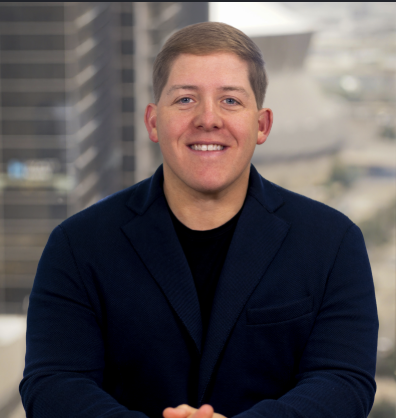
David Vicknair on Building Firm Culture That Scales During Explosive Growth
David Vicknair grew his Louisiana personal injury firm from four people to 36 in approximately three years. He did this deliberately, funding growth from capital he’d accumulated over years of practicing trial law and making investments outside the practice, then building executive leadership infrastructure the moment he realized he couldn’t run everything himself.
The single most concrete decision Vicknair made was hiring a COO and a marketing and new client director when the firm reached capacity. Without that move, he said the growth would have broken everything. Instead, those hires became the fulcrum point that let him scale without centralizing every decision in his own head.
What breaks first when a personal injury firm scales rapidly is the absence of executive level leadership. Vicknair had plenty of mid-level managers who could eventually rise into executive roles, but that transition takes time to develop. He needed people with soft skills to navigate personalities, conflicts and broader strategic questions, people who understood the firm’s culture and could protect it while the organization doubled and tripled in size.
How do you install culture deliberately when most of your team didn’t work there when it was small. Vicknair describes his hiring philosophy simply. He looks for people who are motivated, coachable, willing to accept accountability and genuinely interested in improving. If they’re not those things, they leave or he lets them go. The reason this works, he explained, is because he’s stopped overcomplicating it. You can’t avoid conflict by trying to keep everyone happy. You have to fire fast when someone isn’t aligned, understand that turnover happens even at the best companies, and accept that without allowing it to undermine the foundation.
Communication is how culture survives at scale. Vicknair holds monthly Lunch and Learn sessions covering three or four discrete topics with the legal team, recorded and stored in their learning management system so new hires can reference them during their first ninety days. Pre-litigation case managers run separate training sessions for their teams to address specific problems people are seeing in files. Lawyers get tactical training from outside speakers on topics like deposition taking and negotiation. Every quarter, he publishes performance metrics showing which departments and individuals hit their scoreboard targets, and ties those metrics to bonuses.
He built accountability into the system so trial lawyers and case managers can’t hide. Every case manager makes one outbound call to each client monthly. The firm publishes a report showing what percentage of calls each person completed. Vicknair ties five to seven performance indicators to quarterly bonuses across pre-litigation, marketing, new client intake and administration. This tells people what success looks like in their specific role, and gives them a scoreboard to track themselves against.
Why a personal injury firm needs to view itself as both a law practice and a business structure is obvious once you see it but most lawyers resist it. Vicknair pushed back hard during a panel discussion where lawyers tried to pick one or the other. You can’t choose, he said. You’re both. More importantly, a law firm with strong capitalization and sound business operations makes better decisions about case strategy because you’re not making calls from panic or survival instinct. You can evaluate each case on its own merits instead of needing to settle everything to keep the lights on. If the business is sound, the practice is sound, he said, because you don’t have a natural conflict between them.
Make Training Part of the Firm’s Infrastructure
The Louisiana firm established monthly lunch and learn sessions for its legal department. Each hour covered three or four topics, and the sessions were recorded and stored in a learning management system.
This created a growing library of training material that existing employees could revisit. New hires also received access to these resources during their first 90 days.
As the library expanded, the training approach became more targeted.
General legal department sessions moved from monthly to every other month. A developing pre-litigation leader began conducting training focused on problems identified in actual case files. The firm also introduced separate monthly training for lawyers, sometimes bringing in outside specialists to cover subjects such as depositions and negotiation.
The practical lesson is that training needs to remain accessible after the session ends.
When employees can revisit recorded instruction, they have a resource to consult before bringing every question to a senior colleague. Managers can also focus new training on the problems their teams are currently encountering.
Over time, that approach reduces the dependence on individual employees to repeatedly explain the same processes.
Make Accountability Visible Across Departments
Training establishes expectations, but leadership also needs a way to evaluate performance.
The firm’s pre-litigation department measures five to seven quarterly performance indicators tied to employee bonuses. Similar role-specific measures have been extended into marketing, new client, and administrative departments.
Employees are given a clearer understanding of what successful performance looks like in their positions.
One particularly useful measure concerns client communication.
Every case manager is responsible for making one outbound call to each client every month. Completion percentages are published in a report shared throughout the organization.
This gives leadership visibility into whether a basic client service commitment is being fulfilled.
A practical operational review should examine:
Reporting structures that reveal which decisions still depend on the managing partner.
Training resources employees can access when they encounter unfamiliar situations.
Performance measures that connect everyday responsibilities with client service and departmental results.
These reports should provide managers with information they can act on.
When expectations are defined and results are visible, employees have a clearer understanding of their responsibilities and where improvement is needed.
Protect the Culture as the Team Expands
Adding employees quickly makes culture harder to communicate through informal interactions.
The Louisiana firm responded with a more rigorous hiring process and recurring conversations about its values. Quarterly state of the firm meetings give the entire organization an opportunity to review progress, discuss areas requiring improvement, and understand where the business is headed.
The owner places considerable importance on hiring people who accept coaching, want to improve, and are comfortable with accountability.
He also recognizes that personnel decisions cannot be delayed indefinitely. When someone is clearly unsuitable for a role, allowing the situation to continue can undermine the standards expected of the rest of the team.
That commitment to culture extends to client relationships.
The firm has invested in hospitality initiatives, including client appreciation dinners and a dedicated client center. Rather than calculating an exact return from every individual event, leadership considers broader referral trends alongside acquisition costs and average fees.
The objective is to strengthen relationships that support the business over time.
Financial Strength Protects Client Outcomes
Operational discipline becomes especially important when financial decisions affect legal strategy.
A well-capitalized personal injury practice has greater flexibility to evaluate each case according to its merits and the client’s individual circumstances. The owner does not have to make decisions primarily around immediate financial survival.
That perspective is reinforced by extensive trial experience.
After taking approximately 36 to 40 cases to verdict through arbitrations, bench trials, and jury trials, the Louisiana firm’s owner still considers mediation an important route to resolution.
A settlement can provide certainty and allow an injured client to move forward. A verdict may introduce additional proceedings, including post-trial motions and appeals, extending the emotional and financial uncertainty surrounding the case.
The firm’s financial position helps preserve the ability to choose the appropriate strategy for each client.
There is also a broader leadership principle behind these operational decisions.
A successful trial practice can maintain aggressive advocacy while treating clients, colleagues, and opposing counsel with professionalism and kindness. Strong leadership requires accountability, but it also requires humility and respect for the people involved.
For firms pursuing growth, the goal is to develop an organization where financial stability, capable leadership, and consistent systems reinforce the quality of legal representation.
That is how a practice creates opportunities for its employees while protecting the clients who depend on it.
We get into all of this on the episode. Watch it on YouTube, or listen on Apple Podcasts or Spotify.
Full transcript
Automatically transcribed and reviewed. Speaker labels and timings are approximate.
David P. Vicknair00:00:00
The defense attorney in that case sent me a long narrative and copied all the laws. But how? Basically, I didn’t know how I was doing. This was a terrible case and a joke of a case. I will say they spent a lot of money settle. In that case, I was like, if this is a terrible case, we need more terrible cases.
Jason Lazarus00:00:13
That’s David P Vicknair, partner at Scott Vicknair Injury Lawyers in Louisiana with somewhere between 36 and 40 cases taken to verdict. Early on, a room full of far more experienced defense lawyers mocked him in writing that fuel built a firm that grew from for people to 36 in about three years.
David P. Vicknair00:00:32
I want to challenge every lawyer who’s out there. It’s like, you don’t need to send that mean email. It’s like being a strong advocate and being a strong trial lawyer is not have to be exclusive from being kind, from being professional.
Jason Lazarus00:00:46
He scaled without private equity by building the systems and leadership his firm needed to grow. In this episode, you’ll learn how he developed leaders from within, built a culture around shared values, and why he believes kindness is a strength in an adversarial profession. I’m Jason Lazarus and this is Trial Lawyer View. I want to start with a little bit of a wayback question, but you are a college athlete, from what I understand, before going to law school, I’m curious what, if anything, carried over from being an athlete and being competitive? And what, if anything, did you have to unlearn? Because I, I’ve been a lifelong athlete. I was competitive cyclist for years and years until I got hit by a car that that kind of ended my career in 2016. I quit racing back then, but I know my competitive experiences and racing in Europe and doing all the things I did really were a lot of positives for myself in my business endeavors. I’m curious about the positives and negatives for you. It’s a.
David P. Vicknair00:01:54
Great question. I’m going to caveat me being a college athlete, which I was a fake college athlete. I was a walk on and the football team at Nicole, I don’t consider myself when I definitely was a college athlete that year. It was a job, and the starters and a lot of the football players on the Nicholls football team that year only dressed out for one game, but I walked on, made the team. They they still treat me to this day like I was one of the starters and I was on the team. They’re just great guys, all of them, and I love that. That year it was such a different experience in high school football, in a different but unique and cool way. And in any event, it’s translated. I’ve been actually was thinking about this as funny. You asked it a week or two ago. I had a federal trial last week and I just wanted to frickin win. And it’s like, I can’t explain what that it is. You know, as an athlete that, some athletes have it and some don’t, which is like, are you going to be for like a trial purpose? Right? Like it’s the hours in the evening from like 8 p.m. to 10:30 p.m. before you go to bed, where you’re double checking deposition transcripts, and cross-referencing that against your cross-examination outlines and making sure that your questioning is tight and aligned to be ready for that moment in an impeachment scenario, that you can just kill that witness that you need to if they if they don’t tell the truth or if they go outside the lines or what they’ve testified to, I say kill metaphorically, of course, I would not kill anyone. But it that desire, that killer instinct from the standpoint of like wanting to prepare in in sports we see it in the after hours preparation, the you know, summers when you’re out of season or the fall winter, depending on what sport you’re in, where you put the work in, that when the lights on, there’s going to be you’re going to have a little edge because you did. You went the extra mile. And so I can’t explain that killer instinct and why some athletes have it, some don’t. Some are disciplined enough to put the work in and some warrant. I think it’s just a bit of probably human nature and work ethic all mixed in together. But I, I know that that it has helped me in trial practice and has also helped me in business. And so I don’t know how else to say. I think team sports are one of the most formative and important things that any kid can do to help them for their career and future, because I think it’s one of the most formative and helpful things that I did.
Jason Lazarus00:04:25
100% agree with you. By the way, if you walked on to a football team, you were a college athlete. I don’t think you want to diminish that. Have you noticed how most conversations about law firm growth stop and intake marketing and trial results, but rarely addresses what happens after resolution? That’s the gaps Synergy focuses on. We partner with personal injury law firms to manage the operational side of health care, lien resolution and compliance, brain structure and clarity. One of the most overlooked but costly parts of what your team does day in and day out. If you’re thinking more seriously about operations beyond the courtroom, you can explore Synergy Services through the link in the show notes or by scanning the QR code on the screen. Now back to today’s conversation. But like you, you know, I mean, I’ve I’ve taken that competitive spirit, that work ethic and poured it into. I have a law practice and I still litigate with Florida medicaid with Medicaid liens here. So I still get that chance to do it. And I, I think all the skills that I’ve utilized over the years and preparation and training and all those things and that competitive instinct, that desire to win for your client, make sure my client, who’s a medicaid recipient gets the most out of their personal injury recovery by protecting them from Medicaid to overreaching into elements of damages they shouldn’t. So I get it. And I think that it is such a wonderful experience, and I was glad that all three of my kids got to experience that, because I think it does. It does create, skills and changes you in a way that’s positive for future things like the business world for sure.
David P. Vicknair00:06:08
And I think, yeah, I mean, I, I really agree with everything you just said, and I think it was a couple of weeks ago, I listened Jason to a podcast. I don’t know if it was Gary van der chunk who was a chunk I’m a huge fan of or somebody. It was a non law related podcast and I try to consume a lot of non law related business and general motivational type life improvement, learning content as well. And it was kind of putting people who are in business or in or whatever you if you’re marketing whatever it is that you’re doing like trying to help you understand a little bit about what bucket do you fit in and like, what are the things that drive you right? And it really struck me because it kind of like broke us up into 3 or 4 buckets, all of us. Right. And one of the ones I was like, that is me. It’s like I want to push the limits of my own abilities and understand what I can reach and what I can accomplish. And I’m trying to push myself. And when you distill down with team sports or and what sport is, even if it’s not a team sport, whether it’s golf or a singular sport like it is about pushing your limits, about understanding how far can you go. It’s the same thing in the military. It’s the same thing in anything and in life where we’re trying to understand our limits and how we can be our best selves. And so I just think, you know, anything that you can do that can give you that experience will help you, especially as a, as a lawyer. Right? Like as a lawyer, like, will you get it? Like we are pushing ourselves to the limit. We’re confronting fears. We’re confronting anxieties and uncertainties about different pieces of practice. I look back on it and all made perfect sense now, but it didn’t at the time.
Jason Lazarus00:07:46
Yeah, I get that. In doing my research, I saw you had talked about some early experiences of being sort of thrown to the wolves by a very experienced trial lawyer that you went to work for, and I’m curious if there were any particular cases right out of law school that changed how you saw the litigation landscape, and if so, what what happened and what did that teach you about, you know, the practice and how you’ve incorporated that now?
David P. Vicknair00:08:22
Yeah, that’s a great question. There were a few, the there was one which was representing some homeowners against a couple of contractors and their own homeowner’s insurance company. That was just an amazing case for many different reasons. The homeowners were incredible people. The situation, the case had all kind of divergent claims. There were negligence claims that weren’t contractually based against some contractors. There were contractual based claims against the homeowners insurer, plus bad faith claims. There were covers, disputes. There were covers, lawyers. There was all these big law firms. It was covers. Lawyers got brought in separately from the defense counsel for the carrier and or the contractors carriers. And so there were a lot of different law firms, a lot of different lawyers, all of whom were vastly more experienced than me. And they really took joy and reminded me of that all the time. And, and, you know, I just it just pissed me off every time they do it. And it drove me. It was like that fuel that it was like for an athlete. We’re talking about athletes that kind of go for it. As an athlete, when somebody tells you you can’t do it or diminishes you, or it’s like that fuel that just drives you. And it’s like looking back on it now while I was there towards me. And the litigation was condescending and I was rough and elbows and trying to figure out my way around that case. It was the best gift they could have given me, because I would have burned the whole fricking house down on that case to prove them wrong and to and to vindicate these clients. And ultimately, every single one of them settled along the way. I saved the email from one of them, and I still have it in my desk where she, the defense attorney in that case sent me a long narrative and copied all the lawyers. But how? Basically, I didn’t know I was doing this was a terrible case and a joke of a case and all these things, and I think I have confidential in that settlement. But I will say they spent a lot of money settle. In that case, I was like, if this is a terrible case, we need more terrible cases. And so that that case really taught me a lot of lessons on the litigation front, procedural games, procedural tactics that either I saw employed or I was able to, like, try to test out and use both at the corporate deposition level and that dealing with experts who were not cooperating and providing disclosures and materials and things of that nature. I just learned that that case was like a crash course. And then the second one I just comes to mind is there was a practitioner who I worked for that you mentioned for four years out of school, and he just kind of let me run in the first, you know, he let me handle a larger personal injury case that was being tried. And I tried the case, and it was kind of one of the first trials that he didn’t really come with me or send somebody to come with me and was like, you just got it. You go do it. And, and and he helped me and supported me. But he like really just like was like, all right, it’s time to fly. And that was a big confidence builder. And I put the work in. I spent all the time in preparations, the weekends to be over prepared, 300% prepared for that trial, which was a very fair and great verdict for the client and a great result. And we just rocked that trial. We really rocked the trial and went up against a much more experienced defense attorney. But I’m really proud of the work that was put in that case. And those two cases kind of stand out well.
Jason Lazarus00:11:42
So to that point, you’ve tried a fair number of cases. You were involved in the BP oil spill litigation. And I, I think I’ve got this right, that you’ve said that every win sits inches away from a loss, which is a great quote. I don’t know if you stole that from somewhere or if that’s you, but it’s great.
David P. Vicknair00:12:02
Football movie.
Jason Lazarus00:12:03
Yeah. There you go. I knew it goes back to football. Yeah. Hey, you know, well, being a bit of a suffering football fan these days, I’m a New York Giants. Florida State Seminoles and UCF Knights.
David P. Vicknair00:12:20
Well, we have some hope with, you know, we’re hoping.
Jason Lazarus00:12:23
Yeah, we’ll see what happens. But what does that many trials due to your judgment about which cases to try and which ones maybe you look to resolve through, you know, mediation.
David P. Vicknair00:12:37
I don’t think Jason is like any type of exact science or, or formula to that. I think that more often than not, what we want to do is not let the carrier or the defendant dictate which case gets tried. We want to try the good cases and settle the bad cases, or at least the cases which we have so many problems that we are concerned they will become insurmountable at trial. I shouldn’t say bad cases. We are on the spectrum. Just like any law firm. You have your best cases and you have your worst cases, and there’s everything in between. And even the best cases have issues that you have to deal with and challenges. But you get a sense as a trial lawyer, I think of here are the cases which I would love to try them because like I’m holding a I’m holding four kings in my hand or I have a straight flush. You know, the cases that you’re like, I, I don’t even have two pair, okay? It’s like, I don’t I want to this is a case that it’s in the client’s best interest. More likely than not. And the firm’s interest to resolve the claim, and, and, you know, 99% of the time, those interests are never really in conflict. And we typically have good client control when we have problems. They, the lawyers may ask me to get involved, to maybe give a different perspective to the client to explain in a different way, or in a different from a different person, a different vessel to them about like why we think the case needs to settle for this amount, etc. but I think it has at least taught me the cases. I think I was trying to count the day. Now I’m up to like somewhere between 36 to 40 cases to verdict between arbitrations, judge trials and jury trials, and which in the age of when I came up, is candidly like a lot of trials because, you know, my mentor had like 200 jury trials, which is insane. But like, mediation wasn’t a thing back in the 70s and 80s and 90. And, you know, luckily, I think mediation is a super positive thing. It’s really helped push most of the cases to amicable resolution, which is where most of them should end. We don’t the system is not set up to absorb if every case was tried. So that’s my big picture answer, Jason, is that like we want to try the cases we feel strongly about trying and the ones that we feel like there’s a lot of problems, we want to settle them. Now, that being said, I believe one of the better trial lawyers and negotiators in the country is a guy named Andrew Finkelstein. And even Andrew talks about I was just at a seminar where he talked about this, and he’s this coming from his mouth, who he gets these huge verdicts and he is a master negotiator and he really knows how to build a case he’s lost cases to, just like any trial lawyer. But, you know, straight out of his mouth three weeks ago and I strongly agree with him is the best case, the settled case. It’s the best thing for the client. It’s the best thing for the lawyers. It’s the best thing for the carrier. There is certainty that the claim is closed and everybody gets to move on with their life. So that’s the overarching themes, I guess I would say, to be able to answer that.
Jason Lazarus00:15:28
That’s a great point about mediation, though, having been through my own personal injury case and it’s settled at mediation, for nearly policy limits and I, I wasn’t willing to, to really accept anything other that I was prepared to go to trial but didn’t want to go to trial because it already had, even though it was a pretty clear liability. I got hit in a bike lane, you know, by a car. So I, you know, not not too much question on liability, but still, you know, these cases they, they drag out. And so your point is a good one that if you can resolve it short of trial, at least it doesn’t drag it out, you know, years because I think my case was about a year and a half, even with just going to mediation and, you know, not a super complicated case either. So but I was thankful just to have that put behind me, because that really was the start of truly recovery. Like until that was done, I don’t think someone that’s been through what I went through or, or a lot worse, which we see every day in what I do and what you do, you know, it’s it’s tough. It’s tough on you mentally, physically, emotionally, every part of that.
David P. Vicknair00:16:41
I’m really sorry that you experience that and had to go through that. But you hit on a lot of things that I see every day, that our lawyers see every day, which is people don’t see everything in between when the case starts, when there’s amicable resolution or a verdict and verdict is, you know, amicable resolution is the end, right? Like you can move forward after that. The case is closing and you’re moving forward. But verdict is not. There are appeals. That process goes on for years is more anxiety and uncertainty. And you can’t anxiety and the uncertainty associated with the case itself. It’s ongoing nature with a trial showing up to testify in front of 12 people, the vulnerability needed to be able to talk about very private things and how this is impacted your life in front of strangers. Like, that’s not like an awesome thing. Like there’s a lot of mental challenges with that. And it’s not it’s not like you’re taking a cruise or taking a vacation, like it’s a process that isn’t necessarily the most enjoyable process for everybody. And so when it settles, that allows you like it happened to you. You’re able to move forward and like work on recovery both mentally and physically. And so I you know, I want that for every client. And sometimes they do need to be tried and the process drags out longer. Sometimes they have to be tried and for various reasons isn’t always the defendants. But a lot of times it is. And sometimes they need to be taught a lesson at trial and then they’re in a more, you know, they’re in a different posture, post-trial and post-trial motions and appeal and amicable resolution than they were before. You taught them a lesson at trial. And so it goes both ways. I’ve had clients who I think probably should not have gone to trial, but we got pushed there, and that probably was a mistake in hindsight. But, you know, I think the the big picture thing is certainty for the client and moving forward in recovery, like you said, you were able to achieve.
Jason Lazarus00:18:35
Yeah. Which by the way, I, I don’t look at it as a bad thing that happened to me because there were a lot of positives that came out of it for me. I know, I mean, I wish that I hadn’t had to learn those lessons the way I did, but, you know, sometimes something like that can can really reset your priorities in terms of what’s important. And so it did for me. So I and I think it’s made me better at what I do, because I certainly can understand when I’m talking with an injured party about, you know, in my law practice, creating a special needs trust or a trust, I set up a trust for myself. And so I and I negotiated my own liens, you know, doing what I do, obviously it made sense for me to do that. So there’s insights that come from that, from a business perspective that I think were very positive as well, from that standpoint to. So.
David P. Vicknair00:19:33
Yeah, I just have to say, I think there’s a really positive lesson in something that you just said right there in important lesson is you’re either an optimist in life. Life is what you created. Like life doesn’t just exist. It’s our perception and what we make of it. And so you’re either an optimist or you’re cynical or you’re a cynic. And so what you just told me is sort of like a small masterclass. I don’t don’t really know you, but I already know that you’re an optimist and you’re a half glass full person because you took a negative thing in your life and you turned it into man. How did this make me better? And how did that how am I going to improve from this? And so I just think that’s a really good lesson. And, you know, I look back at negative things that happened to me in my life and they all resulted in positives, you know?
Jason Lazarus00:20:15
So sometimes it does take a little while to, to gain that perspective. And it did. Yeah. Because I honestly I was angry for a long while. I mean, I had to go do some therapy just because you’re inherently you’re like, why did this happen? You know, I at the time I was training super hard. I was in the best shape of my life, which was a blessing because, you know, when I went into the hospital because I was on a event in ICU. So, I mean, there could have been many complications from that. And thankfully, I had zero complications. Yeah. So, you know, there’s certainly are a lot of positives, but it took me a long while to get to that point. And it’s funny because I was, you know, doing my research, I was looking at some of your, your social posts and you posted something from, Ted Lasso and talking about, you know, leading with heart in the right way. And I think that those are all things that, you know, are are important. Being optimistic and having that optimism, having the, you know, the passion for what you do. And, and I can clearly tell that you’re you’re one of those people not having met you before, but seeing what you’ve built. And that’s kind of where I wanted to go next because I, you know, you went from I think if if I’ve got my stats right for people to 36 in somewhere around 36 months. Yeah. And I’m curious.
David P. Vicknair00:21:38
Scary when you put it like that.
Jason Lazarus00:21:40
Yeah. Well, so if you go back to the starting point of where that kind of expansion started, was there a decision that you made? That sort of was what catapulted that growth and did what you expect to happen happen, or was it just merely kind of organically it evolved?
David P. Vicknair00:22:06
Good questions. I think both. I made a decision that I wanted to grow and I wanted to grow, not because I necessarily needed more money or that was money was the number one thing. Right. I wanted to grow for various reasons. Obviously, we’re in a capitalist society and you take risks. You expect reward one day. But, I wanted to grow for various reasons. Number one, I could sense that I couldn’t keep practicing the way I was practicing. I wanted to not have a heart attack in law practice. I wanted to build systems and processes and have an organization with different departments and people responsible for the things I hate doing that are necessary in business, but maybe they’re great at doing and they like doing. You know, it’s like I always beat on HOH as a, as a task that I despise. But it’s like, you know, guess what? There’s people in the world who love HR and they’re good at it. And just because we’re all different, we’re all unique. And so we all have different talents. We’re all special. We all have different things that we can do well, that others can’t do well, or things we enjoy doing that others don’t enjoy doing. So, you know, for me, that was like one big piece of it. I also knew that the people who were with me at the time, we were smaller, like they had dreams and aspirations to grow and and for where they wanted to go and what they wanted their career to be. Right. And you can’t really, like, meet the goals and the dreams and ambitions of the other people on your team and deliver them, you know, future opportunities, future pay increases, future promotions, future skills, more benefits. You know, every year we’re able to offer more benefits. We’re working on new benefit things to add into our benefits package. As I’m talking about this at a leadership level. And so all those things that improve the lives and the careers of the people on your team can’t really necessarily be achieved without some level of growth. I’m not saying you have to get grow as fast as we did or anything like that, but you do have to grow in some ways to meet the expectations or the goals of ambitious and high standard type A players on your team. And so those were some of the big things running through my head, and I was just ready to go for it. I just, I, I don’t know, I was told I told everybody three years ago, I was like, I’m putting all the chips in the table. This is what we’re doing. And I’m like a guy who I’m like, If I’m doing it, I’m not doing it, I’m doing it. We’re not tiptoeing. We’re not putting our toe in the water like we’re going and and I was ready to do it. I had saved the capital and put the money aside and had done all the investments from real estate investing and debt deals and other investments and saving and reinvestment and other real estate deals and things in my law practice over the years, to put myself in a financial position where I wasn’t overleveraged and taken loans or taken in private, whatever the new thing is today, private equity and like crap, I was going to be able to control it. I was going to be at a manage it and do it the way I wanted to do it. And I’m still able to do that. And it’s been a really fun ride and I can’t see what. I can’t wait to see what the next 3 to 5 years going to bring.
Jason Lazarus00:25:05
Well, I know television to some extent drove your growth through advertising, and I know your mom appears in some of the commercials I’m curious about.
David P. Vicknair00:25:17
Oh, now some Miles is giggling back. There used to be something. Now it’s all good.
Jason Lazarus00:25:21
Whose idea was that and what did it do for the brand? In a market where every firm is running similar kind of ads? I’m assuming because I’m sure it’s something sound like Orlando, which is, you know, we’ve got some some really big firms here in Orlando that compete against each other that I know you’ve heard of. So, but I’m curious because it’s, it’s cool. And I had Mike Morris on the podcast a couple of years ago, and he runs, as with his mom, too. I just I think it’s just interesting.
David P. Vicknair00:25:52
Yeah. So we shamelessly emulated Mike and, not shamelessly. We’re happy to announce that we were him, leading him in a lot of the concepts in their marketing campaign. It’s like a lot of Mike’s marketing. Marketing I like there’s some of it I don’t like, some of it that doesn’t feel like it’s me, you know, or feel like it’s us. And so that’s the wonderful thing about, you know, talking to my friend Tony Olbrich about emulation a couple of months ago is emulations neat? Because you can kind of take concepts and learn from others, induce things similar to what they do, but do it in your own way. And so for me, learning, getting to be friends with Mike and John and Kate and the and and all the people in that world, they’re all friends of mine now and close friends and mentors. John is like a real one of, I would say, my foremost mentor in this space I found myself in now, you know, getting to know them and understand some of the marketing concepts behind what they’re doing. We’re doing it just it just made a lot of sense to me. And I related to it because mom and I are close. We talk every couple days. We’ve been close my whole life. And and it was just kind of like, mom, you want to be in a commercial? She said, yeah, let’s do it. And so it kind of just went from there and it’s just been a lot of fun. She’s really good at it. She’s enjoying it. She’s loving the celebrity and getting everybody recognizing her and talking about it, and it gives us an opportunity to spend some time together, which is, you know, not the worst thing in the world.
Jason Lazarus00:27:18
Well, since we were talking about that, that growth, that explosive growth that you’ve seen as you’ve scaled the firm, what broke first, like specifically what made you realize the firm had outgrown the way you were running it with that kind of growth?
David P. Vicknair00:27:36
I think maybe that we didn’t have any executive level leadership, meaning like we have a ton of really effective mid-level managers right now who I think all have the ability to be at a higher level executive down the line. Right. But that kind of that transition where you go from, okay, I’m managing a few people or I’m managing a defined scope versus I’m managing a bunch of different, broader things, plus all of those things, plus having the soft skills to navigate a bunch of different personalities, situations, conflict. That takes time to develop those people. And we didn’t really have those people in place, and we started to bring a couple of those people in. And that has kind of, I think, really been a focal point for us from the standpoint of like, I don’t need to be the person in, in the big picture, food chain, whatever you want to call it. Org chart that each of these department heads and or mid-level managers kind of report to where we have highly skilled people who understand the culture and or servant leadership, people which are two like priorities of mine, like they have to be a servant leader and they have to understand our culture and protected and and value it. I knew we needed people like that and we also need to. I was just talking about this yesterday, and I’m constantly thinking about like, we’re slowly developing all those other people who we see being in that role one day, because that’s highly important, is to train up and move people up in leadership who or emblematic of and protect and live the culture and a servant leadership concept and or servant leadership focus organization. So I don’t know if that’s exactly the answer to your question, but I think that was a big turning point for us in the last year or two, is when we had those people in place. We have a coup, we have a marketing and new client director, and I think we’re going to be able to develop from inside the organization other leadership type positions like that over time as well.
Jason Lazarus00:29:37
Not saying credibly. Great point. Because, you know, the the infrastructure of a business, particularly as you scale and grow, is incredibly important. We have over 100 team members now. And, you know, I realized at a certain point to that I, I had way too much of my plate needed to bring in a lot of other people to help and bring in people outside of the industry to that had different outlook in terms of, you know, scaling and growing a business like ours so completely, completely get where you’re coming from on that. I think it’s it’s incredibly important for any business. And a lot of law firms, you know, don’t necessarily view their they view themselves as a law practice versus a business structure that needs that infrastructure. And I, I think that’s any firm that’s not doing it. The way you doing it with what’s going on is probably going to suffer a fate that their they perhaps don’t see coming, just with everything going on, you know, with private equity coming into the space, with technology becoming so available, that makes it much easier to compete on a smaller scale. And get to the point where you’ve gotten to. So I think there’s going to be a lot of things that change that dynamic. So the importance of it is in business, I think is, is can’t be can’t be understated.
David P. Vicknair00:31:12
I think you’re probably right. And I think it’s also a false, you know, it’s a Hobson’s choice. I don’t understand that some of these bar social events or some of the panels that I’ve been involved in, and there have been a few and it’s like, are we a practice or are we a business? And every other lawyer is like, we’re this, we’re this, and they’re trying to pick one or the other. And I’m like, it isn’t rocket science. We’re both okay. And and they’re not mutually exclusive. They don’t have to be against each other or fighting each other. You can be a very successful business while being a highly effective and result driven, client focused law firm. And in fact, I would strongly argue and would love to debate anybody who would fight my next conclusion, which I think is 100% right. Or I wouldn’t say it, is that you actually are a better law firm if you are a strong, capitalized business, because then you are not making decisions based upon short term monetary gain and or survival, which impacts the merits of the client’s underlying case. And so when you have a strong business, then you can prioritize individual individualism of each case and the goals of each individual case and each individual client. And to me, if the business is sound and the practice is sound because they don’t have to find natural conflict.
Jason Lazarus00:32:28
And if you don’t have the infrastructure in place and you’re not looking at the metrics, you have to make decisions out of fear or panic. That is just the worst possible place to be from a business perspective. And as you said, from a client perspective, that’s that’s such a bad place to to ultimately be. So I wanted to ask you about something. I saw that you indicated that you lead firm operations, you train the legal team and admittedly obsess over the systems that are put into place to deliver better results and the best possible experience for the clients that you represent. So I’m curious, what does your training actually look like? How do you deliver that? How often and how do you know it’s working and that the team is doing things the way that you want?
David P. Vicknair00:33:26
The answer is we don’t always know, and you can’t be in every case at granular level of detail to be perfect. But I think high level, we have a lot of systems in place and I’ll just run through some of them. So and the legal department, we for a couple years now had run a monthly lunch and learn where we cover about 3 or 4 topics in an hour session with the entire legal department and training. And we recorded all those and we moved them into our learning management system, which book? So that everybody who was a part of them now can go back to them if they need to. And also, we put new hires through our call it the clicky clicky first 90 day training and our learning management system in way book. They have all access to all those videos. Number one. And you know, I’ve realized about 3 or 4 months ago, okay, we don’t need every lawyer and every case manager and every remote team member in these every month anymore. We’ve done a lot of this training. And so we can start scaling these back to where now we’re just doing those every other month, and we’re going to probably end up just doing them once a quarter next year. But in the interim we filled in like some of those gaps. Like this month we’re going to have a pre litigation case manager who we’re trying to train and move up to run the be our pre litigation director and remove her active docket. So we have her doing like a pre litigation training zoom for 45 minutes with all the pre litigation case managers and remote team members and going through topics which they know from just I call it canvasing the ground. Like getting on the ground talking to people. What are the problems you’re seeing in files. Let’s cover those 3 or 4 topics in a 45 training, 45 minute training seminar and discussion. And by the way, let’s record it and put it in the LMS system. So what we’re doing is creating a learning database, a video training, along with testing and portals to support training, as well as some side by side training. So we I just talked about Shante a little bit, but like eventually the goal is like she’s kind of learning like if, if we have one case manager starting and they’re being trained by their pod or their team side by side as well, the human interaction training, well, then if we have somebody like Shante who can come over the top and do like weekly check ins, like, hey, what are you struggling with? What specific items can I assist with in training? How can I help with training? They are like, so that’s some of the non-lawyer training tools, right? That or the everyday tasks that need to be done correctly on the file to make sure it’s done correctly. On the lawyers side, what I’ve started to do now is lawyer training sessions once a month in different tactical topics. I’m bringing in some lawyers and other people from outside the firm who are really good at specific things to train the lawyers on discrete issues, whether it be deposition, taking, negotiation, things like that. And then, you know, one of the things that we do, for example, in pre litigation is we have quarterly performance indicators. And so we measure 5 to 7 things that are very important in the pre litigation department. And that’s tied to their quarterly bonuses. And we’ve expanded that outside the legal department to the marketing department to the new client department to the administrative department. And we’ve tried to develop all of these different indicators to say, hey, here are the three or 4 or 5 things that if you do these things really well on a quarterly basis, are going to mean success for you and your role. And, you know, we’re back to football. Winners like to know what the scoreboard is, and they like to be able to figure out how to check the scoreboard. And so people who like accountability and like having a high standard, they like those things because they want to know what success means for them in their particular role. And so those are just a bit of it. Some of it, you know, I guess the last thing I’ll say is our, our outbound call program where we force for maybe the wrong word, but we do force, every, you know, case manager is, is responsible to make one outbound call to every single client once a month. And then we we collate reports on it, and we publish a report once a month to the entire firm. So everybody sees how many percentage of the calls do they make. And I have a lot of pride in that because communications a big problem for lawyers clients. And so we feel like if we can get communication right 95% of the time, that’s half the battle.
Jason Lazarus00:37:46
Yeah, 100%. Well, I wanted to delve into your culture a little bit with a few questions, because I find it’s it’s rare to hear kind of what I heard a little bit from your team about the culture there. And it’s very, you know, deliberate, a culture of hospitality, which I think is, is a dying art. And, you know, I, I saw that, you know, ultimately your desire was stated to, to build a firm that handles a case the way the client wants it handled, that the, you know, making sure that the the journey is, is the right one for the client. And I’m curious, you know, with the hiring spree that you had over that 36 month period. Yeah, that means that most of the people that are in your firm really didn’t work for the firm when it was smaller, and perhaps easier to install culture. So how did you build the culture deliberately inside of the firm, instead of having it just kind of be what it is as you add people? Because I know that can be difficult.
David P. Vicknair00:39:04
We’re basically a cult, the the fair. I mean, and flippantly. But I kind of don’t we, you know, nobody’s drinking arsenic lacing fruit punch here, anything. We’re not that kind of cult, but we have a lot of like minded people, a lot of different people. They’re all special. They’re all unique. Nobody’s the same but like minded in the sense that they’re motivated. They want to receive coaching. They want to improve. They want to accept accountability. And if they don’t, they just leave. It’s really that simple. And I think we overcomplicate that so much, because we are a lot of owners or a lot of people in business want to avoid conflict internally. And I did for many years. One of the most prideful things I have is like, hope just made seven years, a mouse in the back of the room. He made two years. We’re having people make three years. Caitlin will be five years in January. So like, it gives me a lot of pride to start developing people who are tenured here for extended periods of time. And obviously, my goal would be to keep the people who we love forever, right? But I also have stopped taking. I have stopped worrying or being, you know, like I have accepted that. Like, unfortunately, sometimes the worst part of business is just you have to fire fast. You do. And we don’t have to fire people often. We have a much more rigorous hiring process. And by the way, firing shouldn’t be like a taboo thing. Like sometimes you have to fire somebody because they’re just not a right fit for your team. It doesn’t make them a bad person. It doesn’t make them mean that they’re not going to have a bright future or be somewhere else. Maybe just at that point in their lives. Who they are and what the team needs is not who that person is for that role with the team. And so we have that from time to time. Also, when people leave that we, you know, they leave. I mean, it sucks. You know, you put all this training into these people and they leave and it’s like, you know, you don’t want to have to deal with that. It’s like bring somebody new in, but like it is just a part of the business world. And unfortunately, you know, if you look at Microsoft App or any of these large corporations, most of them are not even hitting 50% on their hires. So if you got the organizations with the most resources, capital, talent available to mankind, and they can’t keep 50% of their hearts, like you just can’t beat yourself up about that stuff, even though you still do. I’m saying it and I still do it to myself. But like, you know, I, I think the other side of it is communication. So we talk about these things all the time, and I guess that’s just the football coach in me. Like I just we try to communicate it as often as we can. We try to communicate the core values. We try to communicate the wins at our quarterly state of the firms. Those are great opportunities to have the whole team together and talk about those types of things, what we’re doing as an organization, what we’re trying to do, what we’re doing well, what we need to get better at, and we’re not doing well. And I think if you just start to do that consistently and communicate that over and over again, and you bring like minded people in who are like, man, this is a cool place to work. And I like seeing the scoreboard and I like seeing how the organization is doing, and I like seeing me grow with the company. Like that’s a really cool thing. And like 99% of other places that they could work at don’t do that. And most of them have been to those crappy places and they’re like, man, this place rocks, and I want to be here as long as I can. And I want the organization to succeed because I’m succeeding. And and tide lifts all boats. So all these things are simple, but it takes ownership and leadership having the right mindset and setting the tone, in my opinion, for what the principles of the organizations are and what the standard is. And once you allow the standard to be lowered and you don’t hold people accountable, then you are gnawing at the foundation of the organization.
Jason Lazarus00:42:48
Yeah. And two things that I’m very passionate about and have really made an effort within our organization to instill which are, you know, adhering to our values, living not as we lead the servant leadership mentality, and then also having people truly understand the purpose, like what they do, how it matters, how it impacts lives. Because what you do and what we do every day, we are helping someone through what is one of the most difficult experiences that someone can have in their life? And I know it because of what I said about my experiences. So, you know, it is something that we continue to highlight every month in our all hands meeting. When we do a mission moment and talk about the ways that we’ve helped to injure party by making sure their net recovery was protected against, you know, overreaching lean orders. And just like you guys, I mean, we’re part of that, that ecosystem that helps someone through a very difficult time. So having your people understand that and also leading with the right principles is the way you’re deliberate about building culture. And clearly you’ve done a great job of that. And it was interesting. I saw something I think it might have been on LinkedIn, where you were talking about the first client appreciation dinner you had, where very few people attended, and the most recent one was over 100 some odd people. And you’ve built a client center, you’ve put money in a hospitality and merchandise. You know, most personal firms don’t do anything like that. How do you measure or do you measure a return on that? And how do you know all of that’s working?
David P. Vicknair00:44:38
Good questions and good timing, because Miles was just miles. There was just one of my, Tiffany, who was still does a little bit of consulting work with the who was our fractional CMO before we brought Whitney Cadwell in full time. Just had Miles on her. I think she had like a webinar for like a little bit over an hour talking about the dinner. And some of those topics came up and I got to catch a half of about 30 minutes of it this morning. Miles never stopped talking, so I could I couldn’t finish it, but I’m very proud of Miles. He came here two years ago from a TV station, didn’t have a ton of like project based or functional marketing experience, and he’s grown exponentially in the last two years. And now he’s on webinars talking about some of these concepts, which gives me a lot of pride in what the organization is doing for our team members. But what he said is true. We can’t measure it except to look at our referral numbers, which every year go up percentage over time. And so I just don’t care. I know it’s working. I, I my gut tells me it’s working. The growth of the organization tells me it’s working. The growth of the brand tells me it’s working. And so I’m not one of these picayune minutia lawyers who’s like, like a webhook to link this to this. I mean, that is so stupid in my opinion, and misses the big picture concept of what marketing is, which is very simply relationships. It is relationships you’re building at this client dinner. You’re building a relationships stronger and stronger relationships with the clients and their family members. They’re like, hey, can we bring the neighborhood? Yeah, bring them all. Okay, I’ll pay another $5,000. And by then, drinks and food, like those relationships or would build your brand, right? And maybe they don’t need you right now, but whatever it is you do, whether you’re a plumber, an HVAC contractor, whether you’re an electrician or a lawyer, like, they may need you at some point. And if you have a brand that has been developed through a relationship, you have broken through the first barrier of marketing, which is trust building, and they trust you and they have a good relationship with you. And by the way, for most companies like I think are, they should trust us because we always want to do the right thing and do the best thing for the client. And so I don’t really think about it. I know it’s working when I look at our referral numbers year over year, but there’s so many other things, Jason, that we do besides just the dinner that go into that. I don’t get in the in the minutia of ROI to this and this and this. I mean, at the end of the day, it’s like, what do we spend on marketing? How many sound cases do we have? What does it compare that number, our our acquisition costs, our average fee. And that’ll tell you the health of your company pretty quickly.
Jason Lazarus00:47:12
So a couple more questions. I’ll let you go. I know you’re busy. Yeah. It’s okay when you.
David P. Vicknair00:47:17
Go a long time. I keep talking about this stuff.
Jason Lazarus00:47:20
When you’re at the top of an organization, whether it’s a law firm or an organization like mine, it can be a little bit isolating. And as you grow more rapidly, it can get worse. I know you mentioned Mike Morse and the fireproof folks, and but I’m curious, who do you call when you don’t know the answer? And how did you go about building the right kind of circle for that to help you?
David P. Vicknair00:47:47
I think it is very lonely. It is in there certain moments that people don’t see, not even your leadership team that are hard, that are challenging. So I’m going to start at the personal level first. I think building a network of people around you in different roles is healthy. So I have a trainer lifting weights, I think is healthy and having a trainer that, you know, sometimes I don’t really necessarily talk about business things that much when we’re training in the morning from 6 to 7, but I’m really just trying to let my pre-workout kick in and get me moving. But like, having that like, is good for me, right? Mentally having a therapist who I would do a walk with once a month and some months, I’m like, why am I doing therapy? I don’t think I need therapy, like he’s asking me, how’s everything going? Everything’s good. But like some months I’m like, I really needed that hour to walk the park and talk to that person. And so I think having, you know, I have we have a business coach having built that infrastructure in place where you have different people around you or who kind of optimizing you, it’s no different. And I really learned this from Ben Glass about how I thought of myself and what the firm needed me to be. It’s no different than I’m not. Like, certainly I’m not saying I’m Tom Brady or Drew Brees or anything like that, but, you know, a high level athlete, what do they have around them? They have an agent. They have a dietitian and a food. Somebody preparing their food. They have a trainer. They have all these different people surrounding them who are supporting them along their journey. We’re back to sports, but they are becoming their best self because they have people supporting them and helping them become their best self. So I, I look now at that and realize that that has been a huge help to me of building like a lot of those key support mechanisms in my day to day, week to week, month to month life through iOS with our business coach and through training and therapy with some of the different individual people. My financial advisor, like all those people, help support you and become your best self. Number one. And then the the second part of it, to answer your question is I don’t ever look for the how. I’ll look for the who. And that’s a great book for anybody who hasn’t read it, who not how everything in life has basically been done except for like this regenerative AI crap. That scared the hell out of me. Because now the ChatGPT defectors and anthropic defectors are talking about how they’re nervous in a year that AI could end civilization. So I’m kind of scared about that and China complying with us, but and good.
Jason Lazarus00:50:07
I’m not alone in that.
David P. Vicknair00:50:10
But pretty much everything else, right. Like everything you want to do has been done by somebody before. And so who not has a great concept that told my leadership team about a topic. A day ago, there’s actually a Whitney. I’m a call her out. She’s wonderful. But she was like going on and like, how do we I think we need to figure out how and blah, blah. And I was just sitting there with like a quiet little smirk. I’m like, Whitney, my friend, who not how I got the person for that. So I don’t know who to go to to answer that question you have. And so it’s really just, you know, kind of feeling it around, find out who are the people who have done some of these things that you’re interested in doing, no matter what it is, and and letting them kind of help you solve the problem.
Jason Lazarus00:50:48
Yeah. All great points. I mean, especially taking care of yourself as part of that, because if you’re leading an organization and you don’t do that, then there’s no way you can be as effective or as an optimal leader as possible because it all starts, you know, with the person at the top, they set the tone and it’s just like they say on the airplanes. Put the oxygen mask on yourself first and then help everyone else. And you know that that regime of health and fitness and mental wellness. Like you, I’m six days a week and doing various different things to ride my bike. Some a little more cautious about that after being struck. But, you know, I mean that how that helps your mental fitness and your resilience and overall health, which again, contributes to your ability to contribute to your organization in the right ways. Is is such a such a great point? Aside from, obviously, what you’ve talked about in terms of having the right people around you, the teams, the advisors, the mentors, and, you know, if if someone’s listening to this adds and built on a network, it’s it’s such an imperative. Otherwise it’s much harder.
David P. Vicknair00:52:07
Yeah. I mean, for me, like I mentioned John the Chaser earlier, John is the Mecca because John is, in the personal injury space, probably the most effective CEO from an organizational and management standpoint. I think that exists. And the second piece of John is that he’s a huge servant. Leadership, humble humility, kindness. There’s humanity exudes from him. And so like what I want to like learns from somebody or or really if I look for people who I respect or really like, want to know more about, typically it’s people who are humble, people who focus on humanity and kindness, people who are focused on learning. Like those are all the things that I care about that I think are powerful and important. And so, you know, I developed this relationship with him and like, I don’t need to talk to him that much. It’s really just on a pickle or a thing like that. Like I’m like, I don’t know. I wonder what he thinks about this or this one’s a unique one. And then you just kind of develop this network and whatever it is that you’re doing of good people who have done a lot of different things, as you know, and, and that you can learn a little bit from them. And it’s like I’m in a network of different lawyers and law firm owners and they’re like, hey, I know Vik Nair. And then we’re really great at this. Like, David, will you tell us about how you do this? Yeah. Would you like the whole deck sheet and would you like me to share it? And so like when you just around yourself with kind giving and abundance mindset type people, it typically leads to more of those people and it just improves you and you become more of that.
Jason Lazarus00:53:39
Great point. Well, final question and candidly, I typically prepare guests for this, and I forgot to do that before we got on the air because.
David P. Vicknair00:53:49
I like it.
Jason Lazarus00:53:49
I’m ready. You’re a pro though. So and this is this is going to give you just a stage to do whatever you want with because.
David P. Vicknair00:53:56
All right.
Jason Lazarus00:53:57
Here we go. The podcast is trial or review. So I always ask, you know what’s your view as a trial lawyer. But I think for this, I would ask you, as someone who has scaled an organization quickly, who has that servant leadership mentality, has this, you know, idea around old fashioned humanity and hospitality for your clients. What’s your view? And again, you can talk about whatever you want sort of to close out the episode. If I didn’t ask you something that you want to talk about, talk about it. If you want to emphasize a point you’ve already mentioned, go ahead for yours.
David P. Vicknair00:54:35
I want to talk about Ted Lasso, and I want to talk about why I think that show is such a success. And I want, I think in the world today, I was listening. I’m trying to force everybody to listen to this episode. This is a great episode on Mel Robbins podcast right now with one of my favorites, Gary Vaynerchuk. And one of the things that him and Mel were talking about. I don’t want to ruin it for anybody, but like, I think with the world we need more in the world of right now is more humility, more kindness, more humanity, like people. Not to think that all of those things are weaknesses. Those things are strengths. Okay? It’s much harder, especially in an adversarial system. As a trial lawyer, it’s much harder to be kind and be professional and be respectful, but be adversarial and want to win and be aggressive, right? And so those are the hard things in life. Like those are the things that I think we have somewhat lost and that people are like not talking about anymore. And it kind of pisses me off. And I’m like, let’s like get out of this phase of thinking like, why is kindness or humility or humanity and building people up in your teams? Like, why is that thought of as weak? I think that’s freaking strong. And I feel really passionate about that and feel like I am strong at those things, and I’m working to get stronger at those things every day. And I think that’s how I was in the Ted Lasso, because I think, like, why is Ted Lasso become a cultural phenomena, right? Or this show that has become such a business and and just like general enjoyment, success, it’s just good nature, like positivity. It’s watching team sport be successful by the organization and the coaches and the players kind of fumbling around in life, but building each other up in a good and hilarious way with good, dry humor. And so I guess for me, I think I want to challenge every lawyer who’s out there. It’s like, you don’t need to send that mean email. And by the way, I’ve typed a lot of them and had to delete them. And I’ve sent some that when I was younger and more intemperate and dumb that I regret. It’s like being a strong advocate and being a strong trial lawyer does not have to be exclusive from being kind, from being professional, and from and losing your humanity and who you are as a human and who you’re trying to become as a person.
Jason Lazarus00:56:48
So hey, man, man, especially with just what’s sort of happened in this country for for getting politics for a second. I mean, I think we’ve got a little more polarized and find less of what binds us all together, which is, you know, what you just talked about is really, truly, what binds us together is the ability to connect and do it at a level of meaning and not be, you know, mean.
David P. Vicknair00:57:15
I’m going to steal this from Gary. On that note, Vanderjagt because he says, you want to stop being so cynical. Stop listening to politicians.
Jason Lazarus00:57:22
Yeah.
David P. Vicknair00:57:23
Okay.
Jason Lazarus00:57:24
Well, the news really, frankly.
David P. Vicknair00:57:27
Oh yeah. Yeah.
Jason Lazarus00:57:29
There’s a book I read and I can’t remember the name of it, but basically the the point of the book was you are kind of what you allow your into your mind. And if you are not guarding what you put in your brain, whether it’s through social media these days or the news outlets, you can you can become very negative just by virtue of what you allow into the the space between your ears. Unfortunately.
David P. Vicknair00:57:56
So 100% you become what you surround yourself with. So surround yourself with people who are constant learners and who are half glass full people who want to improve and want you to succeed and want to improve you and don’t listen to crap. And by the way, as it relates to the freaking algorithm, Gary talks about that too. It’s like there’s this neat little feature on all your social media channels where you can type. Not interested. So the algorithm isn’t the reason that you have become a certain way. And in some ways, I think unfortunately, which people may not like to confront, the algorithm may be revealing things about you that you don’t want to confront.
Jason Lazarus00:58:32
If anyone listening to the podcast today has a case to refer in your neck of the woods, can you talk a little bit about your practice, where you guys are operating out of, and what types of cases you typically handle?
David P. Vicknair00:58:46
Yeah, absolutely. And we’re we practiced across the state of Louisiana. Anybody who’s got a case in Louisiana, we’d love to be able to talk to you about potentially working on it with you. We handle all spectrums of the envy world down here. We handle personal injury cases from car accidents. We have trucking cases. We have, unfortunately, a fair amount of wrongful death claims. We have premises, we have a heavy premises liability practice, a lot of, various type of general pie claims. We also have a fairly robust maritime practice where we handle a bit of Longshore and or Jones Act in general, maritime claims associated with people who are working on rigs, on supply vessels, on the docks and or a lot of the river tugs and riverboats and stuff. So, we even get maritime cases that are in a different state but are still maritime because they’re on the river. And and so we kind of handle the whole gamut in the injury world. We don’t do med internally, but if you get it to us, we will connect you with like we have some great med mao attorneys. It’s such a niche practice down here that we work with. We’d love to help anybody connect with them. And then as relation to finding us. And we’re basically on every social platform. I write on LinkedIn twice a week and you can find us pretty much everywhere.
Jason Lazarus01:00:02
Well, thank you for joining me today on Trial Lawyer View. And we’ll see everybody on the next episode.
David P. Vicknair01:00:07
Thanks for having me, Jason.
Jason Lazarus01:00:08
If today’s episode gave you a new perspective on how your firm operates or sparked a useful idea, consider sharing it with a colleague and be sure to follow the show so you don’t miss future conversations with leaders across the personal injury space. Trial or review is brought to you by Synergy, a strategic operations partner helping personal injury law firms resolve health care liens more efficiently. If you’re looking to accelerate case flow and allow your team to focus on high level legal work that moves cases faster. Consider partnering with Synergy. I’m Jason Lazarus and I’ll see you in the next episode.
Lien resolution, redefined
Synergy helps personal injury firms resolve healthcare liens faster, so your team can stay on the legal work that moves cases forward.