Trial Lawyer View Podcast
Rose Harper
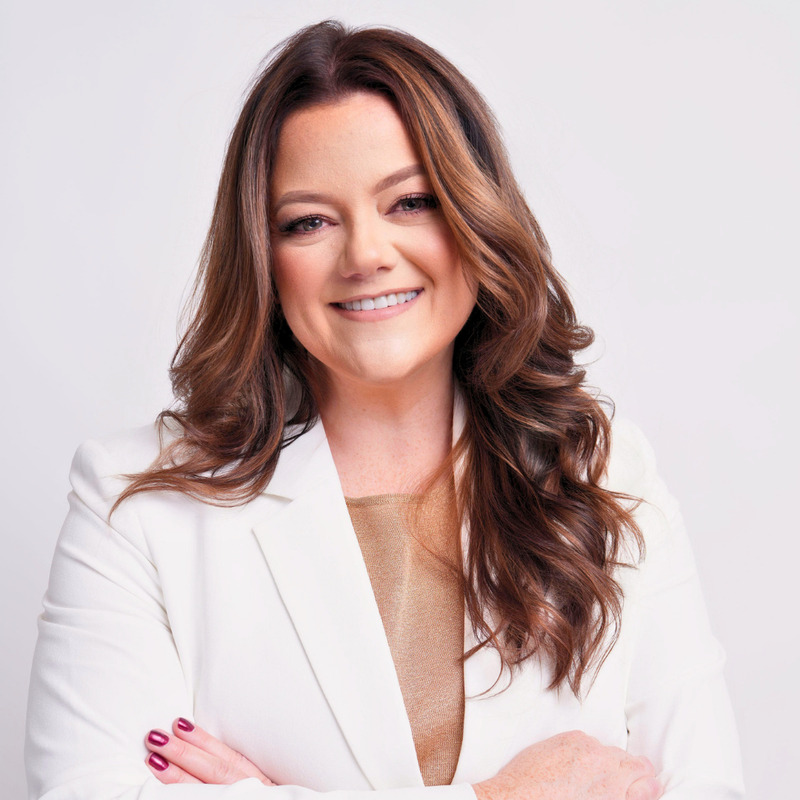
How Rose Harper built a referral-based PI firm without advertising
Rose Harper, a personal injury attorney licensed in New York, New Jersey, and Pennsylvania, built a referral-based practice by her second year without running a single advertisement. She left her previous firm in 2024 and started her own practice with a deliberate approach to case selection and client relationships, which goes against how many modern PI firms scale.
The decision to go solo came from conviction. Harper had spent three years as a trial attorney on the defense side at Liberty Mutual, then moved to plaintiff representation. She had taken cases to jury verdict and practiced across multiple states, with the credentials to practice alone. What made the transition work came down to case selection and the willingness to say no to revenue.
Building a PI firm without advertising requires everything else to be intentional. Harper's first hire was an administrative assistant to handle email management, document scanning, and filing. She was not going to bootstrap intake and operations herself. That decision freed her time for client communication and networking, the work only she could do. Within a year, she realized her attempt to diversify into estate planning was costing her money and attention. She abandoned it and went all-in on personal injury, which matched what she actually enjoyed about the work.
The attorney you refer clients to has to earn the trust first. Harper built her co-counseling relationships by understanding what other firms needed. Larger practices with established names reject most cases that come through their doors because they only take high-value matters like amputations and wrongful death. She positioned herself to handle the cases they did not want: the ones with lower policy limits or soft tissue injuries that require time but do not justify their overhead. That value exchange built her first co-counsel relationships. She did not chase the whale cases. She built a referral network with attorneys who knew her name and that she would actually take their phone calls.
Consistent communication became her advantage in building that network. Harper is personal and deliberate about staying in contact. She shares her personal cell number and business contact card with every attorney she meets. When she recommends another lawyer to one of her clients, she bases it on case facts and which attorney has actually gotten results on similar claims. That approach protected her reputation and created repeat referrals from other firms.
The co-counsel model costs real money. She gives away a percentage of attorney fees on every case she places with another firm. She worries, as many lawyers do, that placing a client with someone else means losing that client forever. What she found is that clients still call her. They still consider her part of the legal team even when another firm is doing the heavy lifting. The benefit of a strong referral network, and the ability to match clients with the right specialist, has outweighed the revenue share. The clients she keeps are the ones she can actually handle at her skill level, which keeps quality high.
Technology can speed up the work. The relationships still have to be built in person and over the phone. Harper uses Lead Docket, Lexamica, and Filevine for case management and CRM. The core of her co-counsel practice remains relationship-based. LinkedIn helps her stay visible with the attorneys who can send her cases. Shared platforms can give access to case files across firms. They do not replace the lunches and phone conversations that actually drive referrals in a trial lawyer's world.
The second year is when the momentum compounds. Harper's first year was survival, borrowing cases and effort where she could. She even took on work she did not enjoy. In year two, she brought on a mentor and a mindset coach and stayed consistent, then let the compounding of her networking pay off. That acceleration came from consistency over time. The first deposits of effort took months to show results. By the second calendar year, that consistency created the trajectory she was looking for.
We get into all of this on the episode. Watch it on YouTube, or listen on Apple Podcasts or Spotify.
Full transcript
Automatically transcribed and reviewed. Speaker labels and timings are approximate.
Rose Harper00:00:00
Why wouldn't I want a relationship with them where they can get the home run? And maybe I can send those cases that require more funding to them, and they can send me cases that I can flip. So those types of relationships when you're just starting are really, really important.
Jason Lazarus00:00:15
That's Rose Harper, founder of Rose Harper Law. She built her personal injury practice by learning that growth does not mean keeping every case. It's about knowing what fits your firm, referring out what doesn't, and building the kind of relationships that keep the right cases coming back to you.
Rose Harper00:00:30
The right client for someone else's firm might not be the right client for me, and vice versa. And ultimately, at the end of the day, like the most important thing is that the client is getting the best results and that they're getting the proper service.
Jason Lazarus00:00:43
In this episode, you'll learn how Rose uses co-counsel relationships to take on opportunities beyond her firm's own resources. Why knowing which cases to keep and which to refer can actually fuel growth, and how building the right network can create better outcomes for both the firm and the client. I'm Jason Lazarus, and this is trial lawyer view.
Jason Lazarus00:01:05
You spent three years of the trial attorney inside Liberty Mutual before you represented someone on the plaintiff's side. What did you learn about how a carrier actually puts a number on a file that most plaintiff lawyers still get wrong? Or maybe don't understand?
Rose Harper00:01:24
That brings to mind a couple of cases, that we took all the way to a jury trial. When I was on the defense side. And the reason that we did that is because we felt really strongly about how our doctors were analyzing the medical evidence. And ultimately, I got a defense verdict. The case that comes to mind when you ask that question, the carrier.
Rose Harper00:01:52
And even in that case, we did make offers, a plaintiff. We, you know, they made offers that they felt like provided something to the plaintiff to kind of compensate them for what they thought, you know, was associated with the accident. But ultimately, at the end of the day, they're really like, into investigating the claims.
Rose Harper00:02:17
So on the defense side, we dug a lot into, like, people's social media post, you know, digging that type of thing up. So in this particular case, the plaintiff brought a claim for a clavicle bone fracture. Related to, like, a light to medium impact to the rear of the vehicle. And it just didn't make sense for the accident.
Rose Harper00:02:41
And also the radiology readings that we got from our experts were that it was actually an older fracture and it wasn't acute or new related to the accident. So from looking at the Facebook post, we discovered that there was a prior accident of falling off a four Wheeler. And so kind of like putting that all together, it made us realize, like, he really did fracture his clavicle.
Rose Harper00:03:11
We're not disputing that he had a clavicle fracture, but we're disputing the fact that it was related to the motor vehicle accident. And it was actually a prior injury that failed to get diagnosed at the time properly. And due to, like his treating physician misread, the MRI report. So at the trial, I was kind of able to like because the plaintiff was nice, like I had, you know, the plaintiffs, like, came across well, and I kind of was able to deflate the room and take the pressure off both people, the plaintiff and the defendant, who was like a mom who had her kids in the car.
Rose Harper00:03:53
You know, she, you know, was lowering the radio and went into a parked car. So I was able to kind of deflate everything by just saying, like, look, we're really here because an x ray was misread, and and that happens. But that doesn't mean that my client should pay for injuries that are not related to the accident because of the doctor's mistake in misreading the x ray as the timing of the fracture.
Rose Harper00:04:22
So I think that was like a really I mean, I did like pat myself on the shoulder, but I think that was a really great strategy. And afterwards, the judge also like, spoke with me in opposing counsel, who was a really experienced med mal attorney, actually for plaintiff. And he was just like, I think you have a really great skill here.
Rose Harper00:04:42
You should continue to pursue the trial work. So that was really an encouraging moment for me. And also just the insurance companies, like willingness to I was like, maybe a mid-level attorney at the time going against a really experienced medical attorney. But, you know, we took it all the way to a jury verdict. I think they are willing to take those cases that they just like the medical evidence is not there.
Jason Lazarus00:05:09
I'm curious, as a follow up to that, in terms of the use of I now by a lot of, you know, people on both sides of the but it seems like, you know, there is this now algorithm that's being used within, insurers to try and ferret out claims by using AI as, you know, sifting point, so to speak.
Jason Lazarus00:05:36
Where do you think that that is going to come into play, in terms of how it impacts your practice?
Rose Harper00:05:45
Well, already it's incredibly helpful. I think that in my mind, a laser is down to the fact that the medical providers offices need to be more diligent about what they're doing because the AI is just covering a ton of mistakes. I mean, even something like, you know, I have a case right now where it's like the police put the wrong data of accident on the police report, even though the, you know, all the other dates on the police report are correct.
Rose Harper00:06:15
Right. Like the date the supervisor looked at it, the date that everyone approved it, you know, things like that. But there was a typo in the date of the accident. But that's an aside sample. But within medical records, often there's a lot of mistakes are using templated documents. It says slip and fall when it was actually a motor vehicle accident.
Rose Harper00:06:33
You know, things like that. Like I think the providers are going to have to, really be more diligent about like that. Their narrative notes are being accurately transcribed onto their records and things like that. So that's kind of what I see, that coming down to. And the providers are going to have to do a lot more affidavits to correct their records.
Rose Harper00:06:59
Because the AI is picking up on all those discrepancies.
Jason Lazarus00:07:02
Great point. Interestingly, I had a chiropractor on the podcast not too long ago, and he was talking through just how important documentation is in terms of medical terminology, particularly because of the use of these AI systems that are, you know, able to go through thousands of pages of medical records and, you know, in seconds and that heightens the importance even further of, you know, the the way things are documented and to your point of your case on the defense side.
Jason Lazarus00:07:35
Great examples of how this can backfire from either side of the table.
Rose Harper00:07:41
Yeah, definitely. And I think that's one of the key things that I took away from on the defense side is on the plaintiff side, I really pay a lot of close attention and try to get the medical records as soon as possible, like updated regularly so that I know what is going on with the treatment, because also like that's something that can be caught.
Rose Harper00:08:03
Like if I can realize at the beginning like, hey, I think, you know, like talking to someone like what you're what you're relaying to the doctor and being is being documented for your symptoms, you know, doesn't match with what they're like recommending for you or not recommending offense like another big issue. I feel like a lot of times people are treating for months and months and they're still in a lot of pain, so their pain hasn't resolved and the doctors just come back three days a week.
Rose Harper00:08:35
I mean, I don't know what you know, and then the client's getting upset with me because they're still in pain and our case is not resolve them. Yeah. The vicious cycle sometimes.
Jason Lazarus00:08:45
Well, I want to switch gears and ask you about your decision to leave your previous practice and start your own firm in 2024. What did you either need in place or put in place before you were willing to make that move? And what did you decide? Ultimately, you can live without when you were going down this path?
Rose Harper00:09:08
So when I decided to make the change from working at the firm that I was at, I felt convicted that I needed to move on to the next step in my career. That's kind of always been my, like, a guiding post. So like in my life, I felt convicted that I wanted to go to law school.
Rose Harper00:09:31
Even when I first started my career working on the defense side, like it was my first big job. I was working in Manhattan on Wall Street, but I felt convicted, like I had to leave there and I had no other job lined up, and I was a single mom, but I just listened to my gut instinct. I ended up getting a better job making more money 30 minutes from my house.
Rose Harper00:09:50
So, I just always continue to follow that conviction when I feel it really strong and, like, I can't ignore this. So, at the time, I was feeling really convicted that I needed to leave where I was, and, and go out on my own. You know, I had enough experience at that point, and I have jury verdicts that I've taken.
Rose Harper00:10:11
I had experience in both New York and New Jersey litigation, working with bilingual law clients. So I just decided, let me give this a go. And, you know, the blessing of having my law degree and being a lawyer is that I can go out on my own. And if it doesn't work out, I can always go back and get an amazing position at another firm.
Rose Harper00:10:36
So I feel like I had the safety net of my pedigree, my academia, and, I could give this a shot.
Jason Lazarus00:10:44
So when you're starting out, case selection is critically important from a revenue perspective and personal injury and continues to be very important. I'm curious about what your filter is today in terms of case selection and how it's different from the one that you used in month one of starting your firm.
Rose Harper00:11:06
Oh yeah, month one. It was like you're calling me. I couldn't believe people were like, signing up with me. I was like, I don't have a website that. Yeah, you're sure you want me to, reference that? Even? I was, like, so excited and, you know, even to this day, all of my clients are word of mouth.
Rose Harper00:11:23
So I am fully like referral deals and word of mouth. So that's a huge blessing. And it's been amazing. And I'm really grateful for the clients that trust me with their cases. But definitely as time has gone on, you know, when I was first starting, I would pretty much, you know, was kind of like whatever was walking in the door, you know, was giving it a go.
Rose Harper00:11:46
And also my first year, I was, putting a lot of my time and effort into estate planning, actually. And I was just kind of like, well, I already know this, so I'll do it. And and over the course of that year, I was putting all of my time and energy and money into estate planning, which was a new practice area for me.
Rose Harper00:12:09
And I only broke that with the state planning. And then at the end of the year, the personal injury was my moneymaker and I had fun with the pie because I like it. So, you know, I mean, it's not that I don't like the estate planning, but it's a very different practice. You know, like personal injury is like, I played college volleyball on scholarship Division two volleyball.
Rose Harper00:12:29
And it's like to me, Pi is more aligned with like the athlete. You know, it's a very quick it's like I just like the negotiation part. There's a lot of things that I really like about it. So, you know, you have to be great at communicating storytelling, whether it's, you know, with the client, educating them about the legal process or with the insurance company educating them about your client's experience.
Rose Harper00:12:54
So I ended up switching to solely focus on personal injury moving forward.
Jason Lazarus00:13:01
And you get that about the estate planning side. I got my all on an elder law, and, you know, that I never wanted to do is say, planning because I was always doing in my law practice, which is separate from Synergy. I've always done special needs planning for people that are disabled and injured. That little niche, just never appealed to me.
Jason Lazarus00:13:20
The estate planning side and I ended it as part of my course curriculum in, getting my, degree, so I can understand. I, you know, obviously trial work is a bit more fun and more complicated than getting, immersed in and documents. I wanted to ask you about your team because you built a I built a multicultural, bilingual team with purpose.
Jason Lazarus00:13:47
And if we set aside clients service benefits for a second of doing the. What has that changed about how your firm operates and how you recruit more people as you grow?
Rose Harper00:13:59
We have such an amazing team right now. Like, I'm so excited for the team that we put together. And, I feel like maybe in another year I'll be better positioned to fully answer that question. But I just think that we come together so nicely. Like, I enjoy meeting with them. We actually have a team meeting every morning, and we set our priorities for the day, and we're in communication all day like they're awesome.
Rose Harper00:14:29
They're such rockstars and very like client focused, making sure that our clients know, hear from us and we're knowing what's going on in their lives. Because life is still happening in the background. Even though we're working on their legal case, they have full lives with kids and parents and, you know, everything else going on. But in terms of our team coming together, it's just been so beautiful to have so many people from so many different backgrounds come together and, we help each other.
Rose Harper00:15:02
We have a lot of camaraderie together. Like it's been really, really amazing and, we're really grateful for everyone that we have.
Jason Lazarus00:15:12
On our team.
Jason Lazarus00:15:13
We'll get back to the show in just a moment. But let me ask you this. What if your firm could scale without adding operational drag as case volume grows? Lean resolution and compliance compliantly slow everything down. Synergy works alongside personal injury firms as an operations partner, managing these processes so team stay focused on clients strategy and outcomes, not administrative details.
Jason Lazarus00:15:38
If you want to understand how firms are handling this at scale, click the link in the show notes or scan the QR code on the screen to learn more. Now let's get back to the episode.
Jason Lazarus00:15:48
Such an important thing in terms of success of a business. It's your internal brand. How you build your team and we've got a fair bit of our team is international, and it's interesting seeing how that all fits into the equation of, you know what, what that brings to your culture. So kudos to you for for doing that because I think it's it's such a a wonderful thing to have the multicultural aspect.
Jason Lazarus00:16:18
I know it has been for us to have that be a part of our now culture of, of a company. And we've got 100 team members. So it's it's been interesting to watch, how that that impacts the interactions in a positive way, very positive way by having, that aspect to it. I'm wondering with your team and your how you operate your firm, what actually gives you leverage today over your competitors?
Jason Lazarus00:16:49
Is it your people, your systems, technology, outside help because, you know, it's things have really started to change a bit with technology in particular. But I don't know that that's necessarily always the answer, particularly in personal injury where it's such a personal thing that you're dealing with.
Rose Harper00:17:10
Christ centered, I'm Christ focused. I have fully submitted my life to Christ in every area. So I operate with full integrity. And I think that that's the most important thing in life. But differentiator ultimately.
Jason Lazarus00:17:25
But and part of what you do, your practice has evolved into is co counseling with a lot of different firms across three different states. Can you talk through the economics of doing that for other firms who perhaps don't do it and talk about what maybe you've given up and what do you get?
Rose Harper00:17:48
You know.
Jason Lazarus00:17:50
I.
Rose Harper00:17:50
Know it's not a lot of money. No. No. I think that's like the hard part when you look back like, you know, I've, I have co-counsel with a lot of US law firms, which has been amazing. You know, it's been really, really great. I actually really enjoyed it. I've sent out, like, placed a lot of clients with a lot of other law firms, and other law firms have signed people, to me as well.
Rose Harper00:18:16
And I just really, really value the relationships that I've built with other law firms. Like they're so amazing, and I'm so glad that I get to support them, too. Like, I've just met so many really great people and with the same concept, like we there's enough for all of us to win, and the right client for someone else's firm might not be the right client for me, and vice versa.
Rose Harper00:18:42
And ultimately, at the end of the day, like the most important thing is that the client is getting the best result and that they're getting the proper service. So it's like if a case comes to me and I'm like, well, I know I just spoke with this attorney and he got an amazing result on the same exact facts.
Rose Harper00:18:57
What? I'm going to play some with him. Of course, that's like a no brainer. So I that's what I'm talking about with like operating with integrity. Like I just want to make sure like, I don't want anything falling on me. I want to make sure the, the if the right case goes to the right attorney, you know, so like I always tell people, you know, I can be your legal resource.
Rose Harper00:19:15
I have such a robust network. You know, it's so funny because a lot of attorneys reach out to me for connections with all types of or all kinds of, different resources that they need. And I'm able to just connect them right away and they're like, how do you know all these people, like, from all across the country and stuff?
Rose Harper00:19:34
But I think that's just a part of, like what I enjoy. I really like getting to know people and, remaining connected. So. And that's been great, a great aspect of having my own firm.
Jason Lazarus00:19:48
Do you feel like there's been any significant trade offs in having, you know, a chunk of your business be co-counsel relationships?
Rose Harper00:19:59
Well, I guess, like one of the biggest things is, you know, you're giving away that portion of revenue, right? So when a case comes in, you know, if you know that your average attorney fee is, you know, whatever it is and you're deciding, you're making the decision that I want to co-counsel on this case and you're giving up whatever percentage you agree to.
Rose Harper00:20:19
You know, that's ultimately, what you're potentially losing. And I think people worry as well, like, oh, well, if I send this client to this law firm, then they capture that client and the client's like in that law firm forever. But the truth is, like, even the clients that I please with other attorneys, they still call us like they are calling us all the time.
Rose Harper00:20:45
So we're still there. We still, you know, we're still a part of the process. And, and I, I really appreciate that and love that. And, that's fine that they want, you know, they still want us to be their legal resource. And that's such a blessing. It's really great.
Jason Lazarus00:21:01
Well, you know, when you co-counsel cases, it only works if the other firm and you trust each other with clients because you're just talking about the. I wanted to ask you about how did you earn those first relationships that you made in a coach counseling aspect, and what makes a lawyer from a bigger firm want to bring you in for example?
Rose Harper00:21:31
Well, so having, being an up and coming and growing law firm, you know, on certain cases, it's just known that you have to be able to have the ability to fund that case and some of these larger teams, as, I mean, you might need $100,000 to pursue that case. So, you know, that's a business decision. Also, like, I might have to say, you know what?
Rose Harper00:21:58
I know this firm, they got it. They can they can do that and handle it. And they're the right person for this case. So why wouldn't I want a relationship with them where they can get the home run? And maybe I can send those cases that require more funding to them. And they can send me cases that I can flip, you know, with lower policy limits or, you know, soft tissue cases or things like that.
Rose Harper00:22:21
So those types of relationships, when you're just starting are really, really important. And the firms that are more established, they don't want to spend their time on certain cases. Like I know attorneys like they only want amputations, wrongful death. You know, they're like in it for like, you know, it's almost like they're like a surgeon, you know, like they're at that level.
Rose Harper00:22:40
It's like if they're not in surgery, I can't be bothered, you know what I mean? Like, so I'm finding those people that they got a lot of people coming to them, but they're going to reject, like almost all of them because they only want the whale. So I'm establishing a relationship where it's like, well, you can on with me and I'll take care of them and they'll be happy.
Rose Harper00:23:03
And, and you know, you'll get your co-counsel fee at the end. Well, it works out.
Jason Lazarus00:23:09
You know, I'm curious about the technology aspect of counseling because there's a lot of, software now. And solutions around that particular. I'm curious if you're using any of that sort of thing or if you just manage it the old fashioned way through your case management system, because I, I've had some guests on that have had different, varying, business models around connecting, connecting lawyers to each other to co-counsel cases.
Jason Lazarus00:23:41
So I'm just curious if you're utilizing any of that type of technology or now.
Rose Harper00:23:46
Yeah, we have a lead docket. We have, Lexa, relationships. We have an we use file line for our CRM. Those are our main platforms right now that we're using.
Jason Lazarus00:24:01
But specifically around coach counseling, you know, I know, I've had some guests on that have created some specific types of platforms to facilitate that. I'm just curious if you believe that that's because it sounds like you've just built this the old fashioned way, which is, you know, making relationships versus doing it in some technology platform.
Rose Harper00:24:27
Well, in terms of like building relationships, also, LinkedIn has been really helpful on LinkedIn is incredibly helpful for building professional like referral networks and connections. But like for example, even within lead docket or Alexa meta or file line, like if you have two firms that use those same platforms, then it's you can give certain accesses to certain people to certain case files or whatever.
Rose Harper00:24:58
If you're talking about that type of integration. But in terms of relationship building, absolutely. Like it's in person, it's going to lunches, it's having phone conversations. Probably one of my best assets or things I bring is that like, I'm very responsive. And I communicate regularly with people. So I think that being top of mind, like everyone sees that.
Rose Harper00:25:28
And, you know, I used to think like, oh yeah, everyone. So it's like top of mind, but it's so important and it's really, really important. You don't want people to be like, who is that PR attorney? I spoke to? You know what I mean? Like, you want them to know your name and know where you're located and what you do.
Rose Harper00:25:45
So anyone that I communicate with, they always got this as my personal side, as my name. This is where I'm licensed is what I practice. I'm also going to send you a link to my business contact card for easy sharing and access. So hopefully they have me saved both my personal cell and my business contact card.
Jason Lazarus00:26:03
Well, I wanted to pivot back to some questions around how you started your firm because I think from doing my research when you started the firm, it was basically just you. Maybe you had one person, I don't know, but you've built a team since we talked about that, I wanted to ask about what was the first role that you hired for?
Jason Lazarus00:26:23
Not not an attorney, but some type of other supportive role. And how did you figure out it was time to hire that person?
Rose Harper00:26:34
The first role that I hired was for an assistant, basically to help me with email management, you know, saving documents to file, you know, scanning or saving things. So just like the admin and really it's because that I wanted to free up my time to do other things. So I wanted to make sure that I was doing the client communication and that I was able to go to networking events that, I was able to, like, allocate my time for the most impactful things that I needed to get done, especially because it was just her and I that first year, working all of the PII cases that I had.
Rose Harper00:27:19
And, since then, obviously my team has really grown a lot. And, you know, so making hiring decisions is definitely challenging when you're a new entrepreneur. And I'm sure, like at every stage of growth, there's like a new challenge in that respect, right? Because like when you get to a certain point, then you need an executive suite or managers or things like that.
Rose Harper00:27:44
So I'm sure there's like a mindset shift that needs to happen at each step as you continue to delegate. But absolutely, I think that that was key to allowing me to continue to grow the firm. Instead of being having me do every single thing that if I was at a firm, I would have a paralegal, I would have a legal assistant, there would be a receptionist.
Rose Harper00:28:10
So even though I was starting out, I knew that I should still get the support that I need to get in order to continue to grow.
Jason Lazarus00:28:18
So over that first course of the first year, what do you feel like you got just completely wrong? That you would tell another lawyer who's starting out with their own practice to avoid?
Rose Harper00:28:33
I was thinking too small. I was trying to force myself into a new area of law because I thought, that's better for me to do as a mom than do what I love doing, which is personal injury. And I should have just been confident enough to do what I love from the beginning and put it out there.
Rose Harper00:28:58
So I basically wasted like a whole year. And I was like, doing coaching programs for estate planning. I was like, I was like, really trying to force myself to do it. And like, ultimately, at the end of the day, I mean, I'm glad that I realized after that year, like, I should stop trying to force and do what I love doing and, you know, it'll work out.
Rose Harper00:29:25
So I wish I had just done my full time from the very beginning, but I guess it took me time. And, I learned a lot during that year and I'm glad that I did it ultimately, because it helped me to reinforce that that that I love personal injury. That's what I want to do.
Jason Lazarus00:29:41
And it's not a typical really, you know, you most people's journey in business is is not a straight line. I know mine most definitely has not been a straight line from doing insurance, defense work as a lawyer to get into selling and consulting and planning to starting my own company and growing it, since 2008. So it's definitely for most people.
Jason Lazarus00:30:08
I think you just learn by trial and error and you figure out exactly where you're supposed to be. Ultimately, even if it takes a little bit to get there. Part of it is, what you learn along the way. And that journey is, is immensely helpful. It's it's been for me. And I'm sure you've, you've you took some things away from that that are important lessons for you in terms of your, your continued development of your firm.
Jason Lazarus00:30:36
So if a fellow trial lawyer is listening to this right now and is thinking about making this same kind of jump, what would be the honest version of what year one looks like from your perspective? To them.
Rose Harper00:30:51
Everything like the momentum will build over time, so just a do not give up link. Keep pushing forward, keep going. And I didn't really get amazing acceleration or momentum probably until like middle of this year. I would say. So like my second full calendar year. So the first year, you know, you're just like, you have to do all the things and just do them.
Rose Harper00:31:22
It's okay. You still have to do them, you know, and just power through. You can do it. Keep going and find the people who like, support you. You know, there are people out there. I wouldn't I would avoid the people who are putting negative thoughts on your hand and believe in yourself.
Jason Lazarus00:31:40
Well, what do you think has been the catalyst in your second year for that growth that you described in, you know, the creating, more of a hockey stick trajectory?
Rose Harper00:31:53
I got, a mentor at the beginning of this year. So I'm working, with Jennifer Gaw. She's been mentoring me, and I'm also in a mindset program with David Neagle. So those two people have been crucial for my growth this year. And also, it is just the fact that I remained consistent and didn't give up and stayed the course.
Rose Harper00:32:16
And all of those efforts over time compound. It's like compound interest and it takes a little while. It took me a year and some change, but eventually those deposits, I was a consistency. The relentlessness added up and it's worth it and it's worth it.
Jason Lazarus00:32:37
Yeah, the mentor part and having people around you that are consultants that can help you get to the next level because invariably, as a smaller business, you're you're running on a more streamlined budget and resources are at a premium. So, you know, you've got to leverage people outside the organization as much as you can. And Jen, Jennifer Core has been on the podcast.
Jason Lazarus00:33:05
She's great. I can see exactly how she could help accelerate a practice with with her insights and such a valuable thing to have, you know, things like that to you. Ultimately propel you and support as you, you know, scale because, you know, I know firsthand from scaling Synergy. It's it's it's not easy. It is a it's a it's a full time job.
Rose Harper00:33:33
Yeah. And a lot of self-doubt. You know, for someone who's never been an entrepreneur, entrepreneurship, I mean, I've been a mom for a long time already. I have a 22 year old son, but I feel like I didn't step into a full adulthood understanding the responsibilities until becoming an entrepreneur, because, you know, I have my, you know, our clients, our team and my kids and family.
Rose Harper00:34:02
So the responsibility level has just increased exponentially. And and it's serious and it's important and it's amazing. I'm honored to be in this position. But definitely entrepreneurship can it's a it's a totally different journey. So yeah, it's been really, really helpful to have people who have already done it guide me so that I don't feel like I'm making mistakes left and right and can just better understand, like certain things are the natural course that you're going to have to take as a part of the entrepreneurship journey.
Jason Lazarus00:34:38
Yeah. And what I mean, I think one of the critical parts of that is personal growth. If you're at the top of an organization, is better understanding of yourself, what you're good at, what you're not good at, so that you make sure you're you're filling the gaps that you can't fill because they're just not in your sweet spot.
Jason Lazarus00:34:56
I know for me, that's then part of my my journey. I'm curious because you are running a firm carrying caseload and raising children, and you've mentioned that what have you deliberately decided not to do? And how do you hold that line when you're handling a case that requires more of you, then you want to give.
Rose Harper00:35:26
The latter part a much for us to think about that a little bit more. The former part of the question, easy will I became fully aligns. Probably last year in my life kind of fell apart. My husband left me and I was trying to build this law firm, and I'm in a state where I have no family.
Rose Harper00:35:51
So, he would there was so much happening. And, in that time, I made the decision. I'm going to will I felt convicted that I should, remain sober and abstinent and, let my life properly work its course and let God do his work. And I think by remaining will, I know by remaining, kind of, like, obedient to to what God was putting on me for how I need to conduct myself.
Rose Harper00:36:22
That's been. There's like no other way to proceed like that. That's for me. That was what was necessary. And it's helped me to be successful in so many other areas of my life. The fact that I'm, you know, I'm living in this manner, focused on focusing all of my attention on, you know, being healthy spiritually, mentally, physically and focused on growing my law firm, being there for my clients and raising my kids.
Rose Harper00:36:53
So kind of just being that stable rock. And that's also kind of how I describe myself as a lawyer, too, like a rock. Because I focus on my case law and I focus on the facts. And I kind of know, like, I really work up the case at the beginning and continue to get those stories along the way from my client about how things are impacting their life.
Rose Harper00:37:13
I already know how this case is going to be presented in front of the jury, and so, you know, like a lot of adjusters will like all this process. It's it, you know, I feel like I'm just like, no, this is what it is. You know, I'm just like a stable rock and it doesn't matter what's happening around me.
Rose Harper00:37:31
Just going to stay the course because I know, like, you know, at the end of the day, like what? I see the value of the size or what I see the future of my children being right and how I want to raise them and where we're going to be and all these things. So I think, being stable, being a rock in terms of like clients who maybe are a little, more demanding of my time for example, like, you know, I've had people over the years, just some, some people are just a little, unreasonable, you know, like, I'm a human to.
Rose Harper00:38:07
Yes, I'm your lawyer, but I also need to sleep and shower and workout and eat and live so I can be available, you know, in every single moment that you'd wish I would. But, really, just having compassion with those clients and helping them through conversation to understand what the relationship is and what the boundaries are. And if that doesn't work for them, that's okay.
Rose Harper00:38:37
You know, like, I don't know, I feel like also part of having my own firm is I get to choose my clients too. So if it's not a great fit for me and they don't want me as their lawyer, it's okay. You know, you know, it's a it's a two way relationship.
Jason Lazarus00:38:52
But it is demanding. Having been through my own personal injury case, just actually just had a ten year anniversary of it, which is crazy to me. You know, the the experience of that and how it impacted my life having, you know, been in this space for, you know, almost 20 years, a point when it happened and how difficult it was for me knowing everything I knew about it, having a friend, you know, locally who was a trial lawyer who represented me.
Jason Lazarus00:39:24
So that's a different dynamic. You know, it is I and having worked with clients directly for years and years and years and continue to do that, I understand exactly what you're saying, but I also understand from the client's perspective, having been through it now, it kind of opened my eyes a bit about, you know, making sure I'm always showing up with empathy and compassion to, to understand that what they've been through is something pretty horrific.
Jason Lazarus00:39:53
By the time they're going to you or to me. You know, I always tell people, hey, you never want to meet me in my professional capacity because it means something bad happened. You unfortunately and, you know, so I try to be very mindful of that. But to your point, I mean, I've certainly had clients I've worked with that just didn't respect the boundary.
Jason Lazarus00:40:18
And I know that's that's borne out of kind of what they're going through, but it's still difficult to manage sometimes because like you said, as a person, you still have your own set of responsibilities. You have other people that depend on you. You have your own health and wellness to take into account as part of it all.
Rose Harper00:40:38
Yeah, exactly. And like but I do do certain things like I'll try to make sure like for example, like with social media, I will actually take a Saturday once a month. And that's when I film content. So like I do these things on purpose. So like, you know, if a client ever brings that up, it's like, well, said, I take my own personal time to film content, so I'm not doing that during the week when I could be talking to the adjusters or, you know, but, but that's just something I'm that I don't I don't think that you really.
Rose Harper00:41:09
Anyone needs to do that. That should be. You should be able to have a business day or an admin day or something where you're doing these other aspects of the business, because at the end of the day, you are running a business, you know.
Jason Lazarus00:41:21
Yeah. So want to ask you a little bit about the future, of practices like yours seeing what's going on, because we're seeing, you know, more and more advertising dollars go out there. You're seeing piggyback roll ups with the MSOs and ABS, and, you know, these services are getting client cases as well, which are points more towards scale in the personal injury space.
Jason Lazarus00:41:52
And, you know, here locally we have Morgan and Morgan, which is, you know, one of the biggest firms in the country, not just, you know, Pi, I mean, you know, huge, huge machine I'm curious about from your perspective, in five years, what do you think's left for a firm of your size? And what will you have to do to adapt to what's changing in the marketplace?
Rose Harper00:42:18
I'm going to, like the local chamber. Then I go to local attorney events. I mean, also like the I mean, I'm 40, but like, I feel young, like I'm like, I feel internally, I feel like I'm 20, but I'm 40. So I'm like all the younger attorneys coming up, you know, I like, you know, we're building our referral network.
Rose Harper00:42:43
We're building our, you know, professional network. And we're going to, maintain that, you know, like we're helping each other to grow and build. And I think that I, I don't really concern myself with these other things. Again, like to go back to that rock that it's not something that I concern myself with because I've already seen my ability to grow a robust and thriving caseload of clients that want to work with me without running ads and without doing any of that.
Rose Harper00:43:20
So I feel confident that that will continue to grow over time. And I, I you know what? I am starting to get irritated with a lot of the like marketing companies that are really heavy in like the Facebook groups and, you know, a lot of them, it's just like, like a young girl, like posed, sexy and being like in an accident.
Rose Harper00:43:47
Call me. And she's like a marketer. It just really rob me the wrong way. And I can't believe the cases they get cases in. And then they sell those cases to law firms. I just think it's so disgusting and I wish it would stop. But other than that, yeah, that's my.
Jason Lazarus00:44:06
Way. I think there's always going to be, you know, actors like that in any space. And but it is particularly unfortunate, I think, here because, you know, where a case ends up has a real determinant on, you know, how that person recovers because if they get the wrong person representing them. Not, you know, I mean, certainly there's there's bad lawyers, but there's also lawyers who don't necessarily specialize in certain types of cases.
Jason Lazarus00:44:38
In certain types of cases, you do want, you know, product liability is a good example of that where you may need or trucking cases. You may need a lawyer with certain experience because of either the defendant or the mechanics of that particular case. So, you know, those types of things can run counter to what's best for the injured party, which is, you know, from our perspective, you know, that paramount I know from my business standpoint and from my personal standpoint, having been through what I was, went through as, in my own personal injury case, you know, that that's that's what's meaningful is the right outcome for the client.
Rose Harper00:45:21
Absolutely, definitely. And I think that's also like to your point, and that's why I'm going to like advance to meet people or joining the organizations because it's through talking to other trial lawyers or other attorneys about their cases, cases that they recently handled settled the verdict, whatever. You know, that's how you it's like in them talking about the discovery process.
Rose Harper00:45:49
And, you know, the fact that it came down to and all those things, being able to have those conversations when the case comes up, then now I know me reach out to them. I just this just came up as well. So that's been really, really helpful as well to make those connections and then know, like who is the best for certain types of cases.
Rose Harper00:46:13
Absolutely.
Jason Lazarus00:46:14
So final question. I want to let you go because you've been generous with your time. And this is very open ended as a female trial lawyer who's built a successful personal injury practice in relatively short time, what's your view?
Rose Harper00:46:29
My view is that life is great. Figure out what you want to do and go after it. You can do it.
Jason Lazarus00:46:39
Great advice. So I try to live by every day.
Jason Lazarus00:46:43
We only have so many years on this planet and, getting to do what you love, which I am so lucky I get to do what I love every day and help people. It's it's a blessing. Not that I get that opportunity, and I'm. I'm very thankful for it. And thank you for your time today. If a listener has a case in your area, wants to refer a case to you, wants to co-counsel, a case to you, can you talk a little bit about your practice and how they can get in touch with you?
Rose Harper00:47:15
Yeah. So I handle cases in New York, new Jersey and Pennsylvania. You can reach out to me on LinkedIn, Rose Harper, or you can call our law firm (201) 377-2337.
Jason Lazarus00:47:28
Okay. We'll include all that in the show notes and a link to your website. Rose, thank you for joining me today on trial. You. And we'll see everybody on the next episode. Yeah.
Jason Lazarus00:47:38
If today's episode gave you a new perspective on how your firm operates or sparked a useful idea, consider sharing it with a colleague and be sure to follow the show so you don't miss future conversations with leaders across the personal injury. Space Trial Law Review is brought to you by Synergy, a strategic operations partner helping personal injury law firms resolve health care lines more efficiently.
Jason Lazarus00:48:00
If you're looking to accelerate case flow and allow your team to focus on high level legal work that moves cases faster, consider partnering with Synergy. I'm Jason Lazarus and I'll see you in the next episode.
Lien resolution, redefined
Synergy helps personal injury firms resolve healthcare liens faster, so your team can stay on the legal work that moves cases forward.