The Shocking Truth About Nursing Home Abuse and Neglect in Florida

The Shocking Truth About Nursing Home Abuse and Neglect in Florida

Nursing home abuse and neglect have become increasingly prevalent issues in Florida, with the well-being of elderly loved ones residing in nursing homes a matter of great concern. This article aims to expose the alarming reality of nursing home abuse and neglect in Florida. It discusses the prevalence of such incidents, the factors contributing to them, and the legal measures available to seek justice for victims.

The Prevalence of Nursing Home Abuse and Neglect in Florida

Nursing home abuse and neglect cases have reached alarming levels across the state of Florida. The National Council on Aging reports that approximately one in ten Americans aged 60 and older has experienced some form of elder abuse. According to data from the Florida Department of Elder Affairs, there were over 9,000 allegations of elder abuse in 2022 alone. Shockingly, these numbers likely represent only a fraction of the actual incidents, as many cases go unreported due to fear, intimidation, or the inability of victims to communicate their suffering effectively.

Factors Contributing to Nursing Home Abuse and Neglect

Several factors contribute to the occurrence of nursing home abuse and neglect. Some of the key factors include:

  • Staffing Shortages: Insufficient staffing levels in nursing homes often result in overworked and stressed caregivers, leading to neglect or mistreatment of residents.
  • Inadequate Training: Insufficient training and a lack of proper protocols for handling elderly residents can contribute to the occurrence of abuse and neglect incidents.
  • Negligent Hiring Practices: Failure to conduct thorough background checks on employees may result in hiring individuals with a history of abuse or violence.
  • Lack of Oversight and Accountability: Inadequate monitoring and supervision by regulatory authorities can allow abusive behavior to go unnoticed or unaddressed.

Types of Nursing Home Abuse and Neglect

Nursing home abuse and neglect can take various forms, including:

  • Physical Abuse: The intentional use of physical force that results in pain, injury, or impairment, such as hitting, pushing, sexual abuse, or restraining residents.
  • Emotional Abuse: Inflicting emotional pain or distress through intimidation, humiliation, or verbal insults, causing emotional anguish to residents.
  • Neglect: Failure to provide adequate care, including proper nutrition, hygiene, medical attention, or assistance with daily activities, leading to physical or mental harm.
  • Financial Exploitation: Unauthorized use or control of an elderly resident’s finances or assets for personal gain, leading to financial harm.

Warning Signs of Abuse and Neglect

Identifying signs of nursing home abuse and neglect is crucial to protect vulnerable seniors. Some common indicators may include unexplained injuries (bruises, fractures), sudden behavioral changes (agitation, withdrawal), poor hygiene, malnutrition, dehydration, unexplained financial transactions, and unattended medical needs. Family members and caregivers should remain vigilant and report any suspicions promptly.

Seeking Justice for Victims

If you suspect nursing home abuse or neglect in Florida, it is crucial to take immediate action to protect your loved ones. Here are the steps to consider:

1. Document Incidents: Keep a record of any suspicious or concerning incidents, including dates, times, and descriptions of what occurred.

2. Report to Authorities: Contact the local authorities and file a report with the Florida Department of Elder Affairs or the local Adult Protective Services agency.

3. Seek Legal Assistance: Consult with experienced nursing home abuse attorneys, such as Domnick Cunningham & Yaffa, who can guide you through the legal process, protect your rights, and seek justice on behalf of the victims.

4. Pursue Compensation: Through a personal injury lawsuit, victims and their families may be eligible to seek compensation for medical expenses, pain and suffering, and other damages caused by nursing home abuse and neglect.

Preventive Measures and Advocacy

Preventing nursing home abuse requires a comprehensive approach involving society, policymakers, families, and healthcare providers. Stricter regulations, improved staff training, enhanced oversight, and regular inspections are essential to ensuring the safety and well-being of nursing home residents. By advocating for systemic change and raising awareness, we can work together to protect our elderly population.

Contact Domnick Cunningham & Yaffa Today for a Free Consultation About Your Nursing Home Abuse Case

At Domnick Cunningham & Yaffa, we believe that everyone deserves to live with dignity and respect, especially our elderly loved ones. When you entrust your loved ones to a nursing home, you expect them to receive the care and attention they deserve. Unfortunately, the reality is that nursing home abuse and neglect are far too common in Florida. This is where we come in.

Our team of experienced attorneys has a deep understanding of the complex legal issues surrounding nursing home abuse and neglect. We have successfully represented countless victims and their families, holding nursing homes accountable for their actions and helping our clients obtain the compensation they deserve.

We are passionate about protecting the rights of Florida’s elderly residents and will fight tirelessly to ensure that they receive the justice they deserve. Our attorneys are dedicated to providing compassionate, personalized representation to each of our clients. We understand that the effects of nursing home abuse and neglect can be devastating, both physically and emotionally, and we are committed to helping our clients through this difficult time.

If you suspect that a loved one has been the victim of nursing home abuse or neglect, it is important to take action right away. Our attorneys can help you understand your legal options and guide you through the process of pursuing justice on behalf of your loved one.

Don’t let nursing home abuse and neglect go unpunished. Contact us today to schedule your free consultation and let us help you fight for justice. Let us be your voice in the pursuit of justice.

The post The Shocking Truth About Nursing Home Abuse and Neglect in Florida appeared first on Domnick Cunningham & Yaffa.
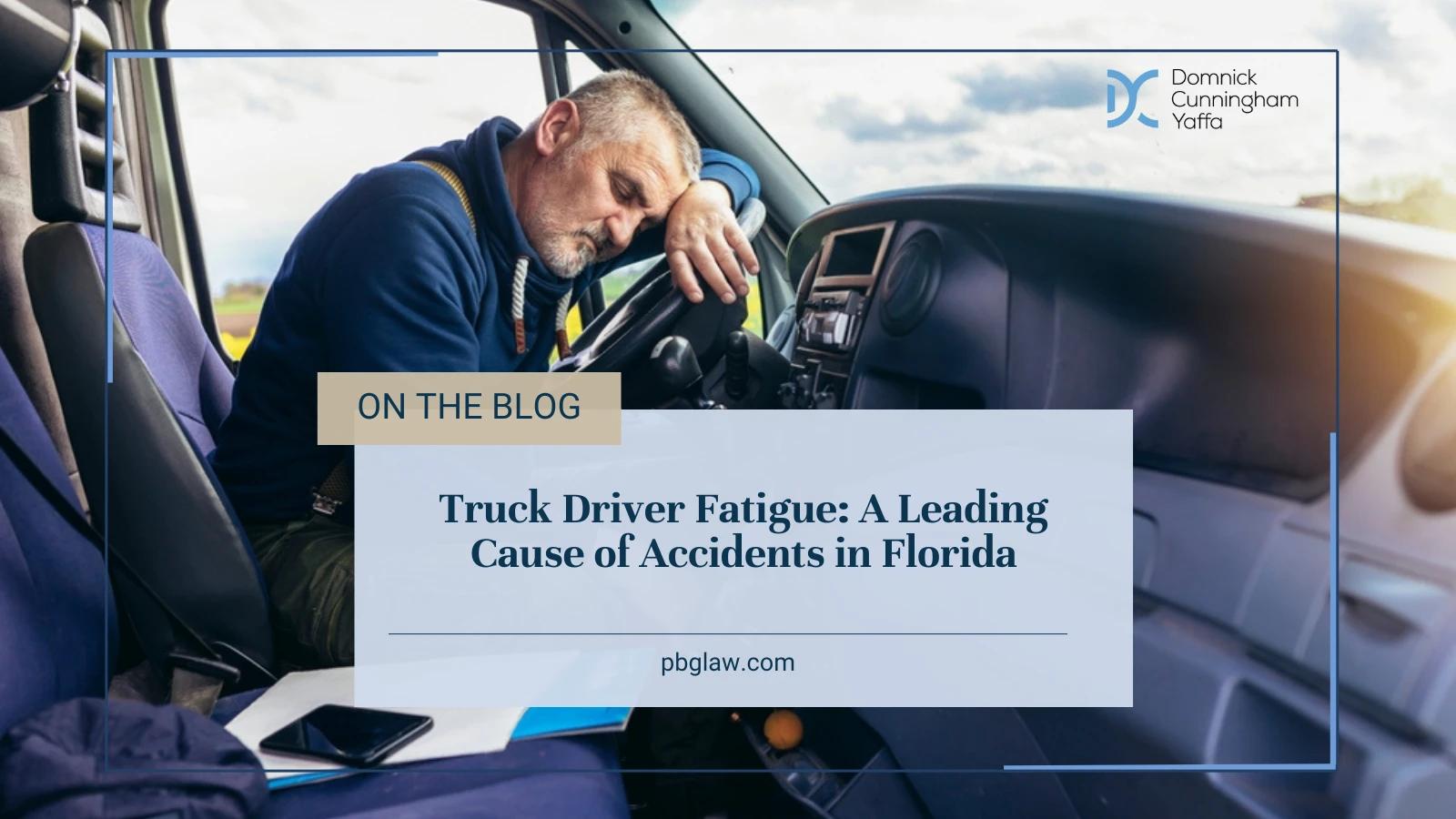

Truck Driver Fatigue: A Leading Cause of Accidents in Florida

Truck Driver Fatigue: A Leading Cause of Accidents in Florida

The scenic highways of Florida, with their breathtaking views and serene landscapes, have made the state a top destination for trucking companies and their drivers. From the sun-soaked beaches of Miami to the bustling city life of Tampa and the enchanting charm of Orlando, the Sunshine State provides an enticing backdrop for the transportation industry. However, with the allure of the open road comes a dangerous reality – the alarming rise of truck driver fatigue, a significant contributor to accidents on Florida’s roads.

At Domnick Cunningham & Yaffa, we understand the devastating impact of truck accidents caused by driver fatigue and are committed to helping victims seek justice. In this post, we’ll delve into the dangers of truck driver fatigue, the regulations governing hours of service for truck drivers in Florida, signs of driver fatigue, legal avenues for accountability, and real-life case examples highlighting successful claims related to fatigue.

Regulations and Limits on Hours of Service for Truck Drivers in Florida

Truck driver fatigue has long been recognized as a problem in the transportation industry, leading to accidents, injuries, and fatalities. To address this issue, federal and state regulations have been put in place to limit the hours of service for truck drivers.

Federal Regulations

The Federal Motor Carrier Safety Administration (FMCSA) establishes and enforces regulations for the hours of service for truck drivers in the United States. These regulations are designed to prevent driver fatigue and ensure the safety of both truck drivers and the general public.

Some key federal regulations include:

  • 14-Hour Rule: Truck drivers are limited to a maximum of 14 hours of duty time per day, with a maximum of 11 hours of driving time.
  • Rest Breaks: Drivers must take a 30-minute rest break within the first 8 hours of their shift.
  • Weekly Limits: There are also weekly limits on the total number of hours a driver can work. For example, a driver cannot exceed 60 hours on-duty in 7 consecutive days or 70 hours in 8 consecutive days.
  • 34-Hour Restart: After reaching the weekly limits, a driver must take a 34-hour restart period before starting a new workweek.

Florida-Specific Regulations

In addition to federal regulations, Florida has its own specific rules governing truck driver hours of service. These regulations may differ slightly from federal regulations, and it’s important to understand both sets of rules when dealing with truck driver fatigue cases in Florida.

At Domnick Cunningham & Yaffa, we have a deep understanding of both federal and state regulations and how they apply to truck accident cases involving driver fatigue. Our legal team can leverage this knowledge to help victims of these accidents seek compensation.

Signs of Driver Fatigue and Its Contribution to Accidents

Recognizing the signs of truck driver fatigue is crucial in preventing accidents and protecting the safety of Florida’s roads. Driver fatigue can impair a truck driver’s ability to react quickly and make sound judgments, leading to catastrophic accidents. Some common signs of driver fatigue include:

  • Excessive Yawning: Frequent yawning is a classic sign of fatigue and drowsiness.
  • Heavy Eyelids: Drooping or heavy eyelids can indicate a driver’s struggle to stay awake.
  • Inability to Focus: Fatigued drivers often have difficulty maintaining focus on the road, which can result in swerving or erratic driving.
  • Slowed Reaction Time: Fatigue can significantly slow a driver’s reaction time, making it difficult to respond to sudden changes in traffic.
  • Microsleeps: Microsleeps are brief periods of sleep that occur while a driver is still technically awake. These can be incredibly dangerous when operating a large commercial vehicle.
  • Drifting or Weaving: Fatigued drivers may drift between lanes or weave on the road due to inattention or drowsiness.
  • Inconsistent Speed: Speed fluctuations and erratic driving patterns are telltale signs of driver fatigue.

Truck driver fatigue poses a substantial risk to the safety of all road users. At Domnick Cunningham & Yaffa, we are dedicated to holding fatigued truck drivers and their employers accountable for the accidents they cause.

When a truck accident occurs due to driver fatigue, victims have legal avenues for seeking compensation for their injuries and losses. It’s crucial to understand the legal options available to hold fatigued truck drivers and their companies accountable:

Negligence Claims

In many cases, truck driver fatigue can be attributed to negligence on the part of the driver or their employer. Negligence claims may include:

  • Violation of federal or state regulations governing hours of service.
  • Failure to provide adequate rest breaks or rest facilities.
  • Negligent hiring practices that lead to fatigued drivers.
  • Negligent maintenance and inspection of the truck, which can contribute to accidents.

Vicarious Liability

In some cases, the trucking company can be held vicariously liable for the actions of its drivers. This means that if a fatigued driver causes an accident while performing their job duties, the company can be held responsible for the driver’s actions.

Product Liability

If a mechanical failure in the truck’s systems or components contributes to the accident, there may be a product liability claim against the manufacturer of the defective part.

Wrongful Death Claims

Truck accidents caused by driver fatigue can result in tragic fatalities. In such cases, surviving family members may pursue wrongful death claims to seek compensation for their losses and the loss of their loved one.

Domnick Cunningham & Yaffa has a strong track record of successfully representing clients in all types of truck accident cases, including those involving driver fatigue. Our legal team is well-versed in the legal avenues available to hold negligent parties accountable and will fight tirelessly for our clients’ rights.

Case 1: Fatigued Driver on the I-95

In a tragic accident on the I-95, a fatigued truck driver failed to notice slowing traffic ahead and rear-ended a passenger vehicle, causing multiple injuries and fatalities. A legal team represented the victims, establishing that the driver’s exhaustion and failure to adhere to hours-of-service regulations were the primary causes of the accident. The lawyers secured a substantial settlement for the victims and their families.

Case 2: Sleep-Deprived Trucking Company

Another case example is taking legal action against a trucking company that consistently pressured its drivers to exceed federal and state hours-of-service limits. This pressure led to widespread fatigue among the company’s drivers and numerous accidents. A lawyer was able to prove the company’s negligence in court and secure a significant verdict in favor of the clients.

Case 3: Defective Brakes and Fatigue

A truck driver who had been struggling with excessive hours on the road due to tight delivery schedules experienced brake failure while driving on a Florida highway. The resulting accident caused severe injuries. A legal team launched an investigation and discovered that the brakes had been inadequately maintained. They pursued a product liability claim against the brake manufacturer and a negligence claim against the trucking company, securing compensation for their client’s injuries.

Contact an Experienced Truck Driver Accidents Lawyer At Domnick Cunningham & Yaffa for a Free Consultation About Your Case Today

Truck driver fatigue is a significant problem in Florida, leading to numerous accidents, injuries, and fatalities on our roads. At Domnick Cunningham & Yaffa, we have a deep understanding of the regulations governing truck driver hours of service, the signs of driver fatigue, and the legal avenues available to hold fatigued truck drivers and their companies accountable.

Our firm is dedicated to helping victims seek justice and compensation for their injuries and losses. If you or a loved one has been involved in a truck accident caused by driver fatigue, don’t hesitate to reach out to us for a free consultation. Our experienced legal team is here to fight for your rights and ensure that those responsible for the accident are held accountable.

Truck driver fatigue is a preventable cause of accidents, and together, we can work to make Florida’s roads safer for everyone.

The post Truck Driver Fatigue: A Leading Cause of Accidents in Florida appeared first on Domnick Cunningham & Yaffa.
How long do most personal injury claims take?

How long do most personal injury claims take?


When faced with the aftermath of an injury, many turn to personal injury lawyers to navigate the complex legal landscape. Understanding the timeline of a personal injury claim is crucial for setting realistic expectations and preparing for the journey ahead.

Moreover, knowing the chances of winning a personal injury lawsuit can provide valuable insight into the process and outcomes of such legal endeavors.

Personal injury claims vary greatly in duration, with factors like case complexity, the extent of injuries, and legal negotiations playing significant roles.

Typically, a straightforward case may resolve within a few months, while more complex scenarios, particularly those involving severe injuries or disputed liability, can take a year or more.

The majority of personal injury cases are settled pretrial within one to two years.

A pivotal aspect influencing the duration is the chances of winning a personal injury lawsuit, which depend on evidence quality, legal representation, and the injury’s impact on the claimant’s life.

How long does a lawsuit take for a car accident?

Car accident lawsuits, a common type of personal injury claim, often have varied timelines. For instance, cases involving rear-end personal injury settlements are usually more straightforward, potentially settling in a shorter time frame due to the clear nature of fault.

On average, car accident claims can take anywhere from a few months to two years to settle, depending on the case complexity.

However, when injuries are severe or fault is disputed, the process can extend significantly, sometimes taking years to reach a resolution.

At what point do most cases settle?

Many personal injury claims settle during the pre-trial phase, often after the discovery process but before the case goes to trial. Settlements are frequently reached when both parties find common ground.

Settlement times in personal injury cases can vary widely based on factors such as the severity of the injury, clarity of fault, and insurance company policies.

Factors like emotional pain and suffering settlement amounts can influence when a case settles. These settlements are negotiated based on the injury’s impact on an individual’s life and well-being, often leading to intense negotiations.

What is pain and suffering worth?

The valuation of pain and suffering in personal injury claims is complex and subjective. Pain and suffering multiplier examples include quantifying emotional distress, loss of enjoyment of life, and physical pain.

Emotional pain and suffering can significantly influence settlement amounts, often leading to higher compensation in cases with profound psychological impacts.

This figure is typically calculated by multiplying actual damages, like medical expenses and lost wages, by a number that reflects the severity of the non-economic damages. The multiplier varies greatly, emphasizing the uniqueness of each case.

Contact a Florida Personal Injury Lawyer | Domnick Cunningham & Yaffa

Navigating a personal injury claim can be a daunting and time-consuming process. Understanding the typical duration of these claims, the factors influencing their settlement, and the worth of pain and suffering is crucial for anyone embarking on this legal journey.

For further guidance and assistance, consider reaching out to experienced personal injury lawyers who can provide personalized advice and support tailored to your specific case.

The post How long do most personal injury claims take? appeared first on Domnick Cunningham & Yaffa.

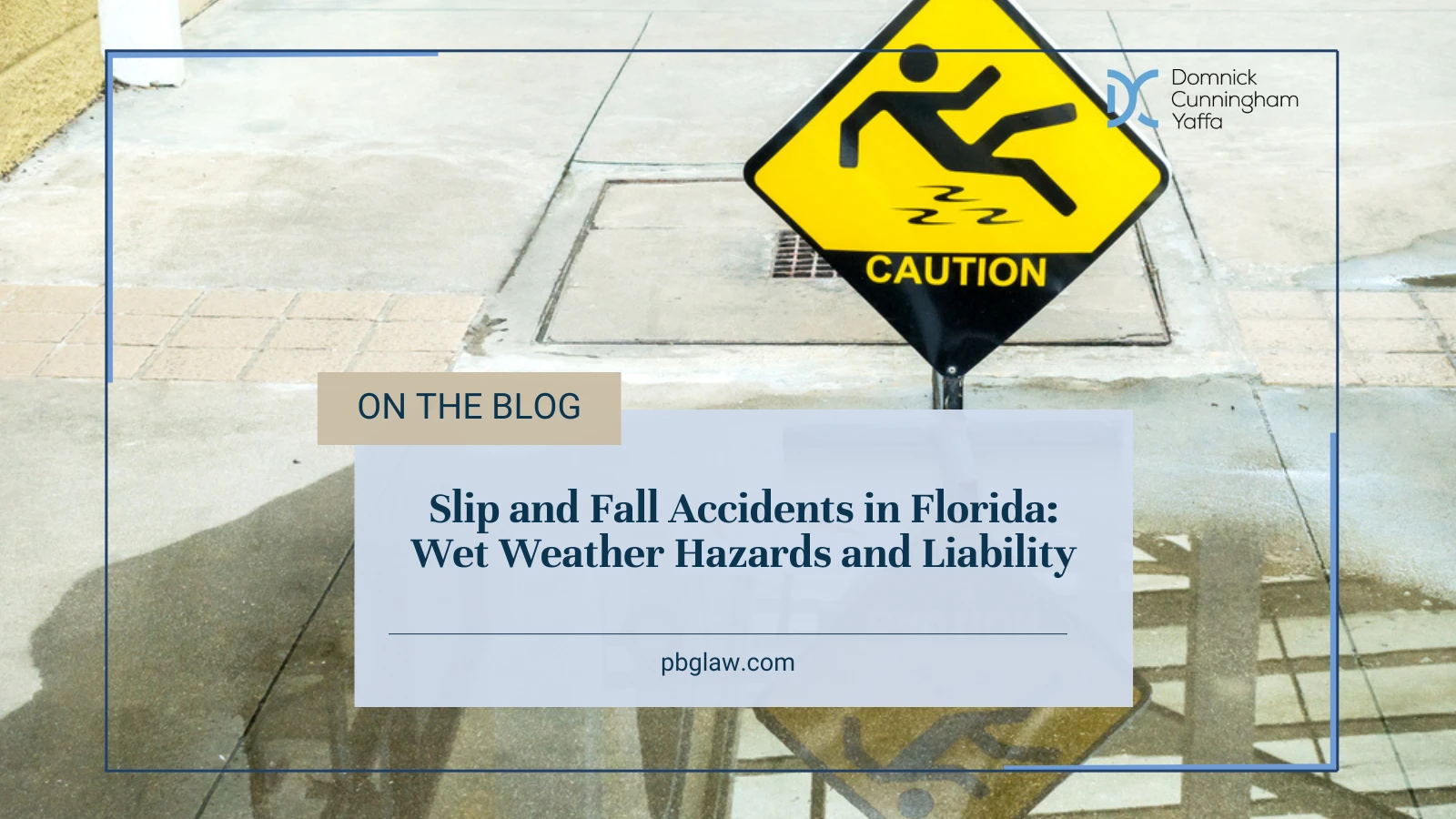
Slip and Fall Accidents in Florida: Wet Weather Hazards and Liability

Slip and Fall Accidents in Florida: Wet Weather Hazards and Liability

Florida, known for its year-round sunshine and warm climate, might not be the first place that comes to mind when you think of slippery sidewalks and wet weather accidents. However, even in the Sunshine State, the winter season brings rain, dew, and cooler temperatures that can turn seemingly safe surfaces into potential hazards. Slip and fall accidents during the wetter winter months are a real concern, and property owners and businesses must be aware of their legal responsibilities.

At Domnick Cunningham & Yaffa, we understand the significance of these accidents and the implications for victims. In this article, we’ll delve into the increased risk of slip and fall accidents during Florida’s winter, explore the legal liability property owners face, discuss the types of compensation available to slip and fall victims, provide real case examples of successful claims in wet weather slip and fall cases, emphasize the importance of evidence such as photographs and accident reports, and conclude by underlining the value of legal representation in such cases.

Florida’s winter season, though milder than what is experienced in many other states, still poses challenges when it comes to maintaining safe premises. Wet sidewalks, slippery floors, and icy patches can catch individuals off guard, leading to painful and sometimes severe accidents. Property owners, both residential and commercial, have a legal duty to maintain their premises to minimize the risk of such accidents.

Duty of Care

Property owners in Florida have a legal responsibility to ensure that their premises are reasonably safe for visitors, which includes customers, tenants, and guests. This duty of care extends to maintaining safe walking surfaces, especially during wet and slippery conditions. Failing to do so can result in legal liability.

Negligence

Negligence is a crucial concept in slip and fall cases. To establish negligence, a victim must prove that the property owner or business operator failed to take reasonable precautions to prevent the accident. This may include failing to address known hazards, neglecting to put up warning signs, or not properly maintaining walking surfaces.

Premises Liability Laws

Florida has specific premises liability laws that determine the legal responsibilities of property owners. Under these laws, property owners may be held liable for injuries sustained on their premises due to negligence. It’s important to understand that liability can extend to both individuals and businesses.

Types of Compensation Available to Slip and Fall Victims

When a slip and fall accident occurs due to the negligence of a property owner or business, victims may be entitled to compensation for their injuries and related expenses. Several types of compensation are available to help victims recover from the physical, emotional, and financial toll of these accidents.

Medical Expenses

Victims of slip and fall accidents can often face substantial medical bills. Compensation can cover costs such as hospital stays, surgery, medications, physical therapy, and any future medical needs resulting from the accident.

Lost Wages

Injuries from slip and fall accidents can lead to missed workdays or even long-term disability, resulting in lost wages. Compensation can help victims recover the income they would have earned if not for the accident.

Pain and Suffering

Pain and suffering compensation is intended to account for the physical and emotional distress a victim experiences as a result of the accident. This type of compensation can be challenging to quantify, but it aims to provide relief for the mental and emotional toll of an accident.

Property Damage

In some cases, slip and fall accidents may also lead to damage to personal property, such as phones, laptops, or clothing. Victims may be entitled to compensation for the repair or replacement of these items.

Legal Fees

Engaging legal representation is a critical step for slip and fall victims seeking compensation. Fortunately, legal fees are typically covered as part of the compensation package, making it more accessible for those in need of legal assistance.

Case Examples Illustrating Successful Claims in Wet Weather Slip and Fall Cases

To understand the practical implications of slip and fall accidents during Florida’s wetter winter season, let’s explore some examples where victims successfully claimed compensation.

Case 1: Supermarket Slip and Fall

In a local supermarket, a customer slipped and fell on a wet floor that had been freshly mopped without any warning signs. The victim suffered a severe back injury that required surgery and extended rehabilitation. The supermarket’s negligence was evident, as they had failed to follow standard safety protocols for maintaining a dry and safe environment. The victim filed a lawsuit and was awarded compensation for medical expenses, lost wages, and pain and suffering.

Case 2: Apartment Complex Negligence

A tenant in an apartment complex slipped and fell on an icy walkway. The apartment management had neglected to address the hazardous conditions and failed to provide adequate snow and ice removal services. The tenant suffered a broken arm, and the property owner was found liable for negligence. Compensation was awarded to cover the tenant’s medical bills, lost income, and pain and suffering.

Case 3: Restaurant Liability

In a popular restaurant, a customer slipped and fell on a slippery floor that was inadequately maintained. The restaurant staff failed to clean up a spilled liquid promptly, leading to the accident. The injured customer pursued a legal claim, and the restaurant owner was held accountable for negligence. The victim received compensation for medical expenses and pain and suffering.

These examples highlight that slip and fall accidents during Florida’s wetter winter months are not uncommon, and property owners or businesses can be held responsible for their negligence.

The Importance of Evidence like Photographs and Accident Reports

If you find yourself in a slip and fall accident during the winter months in Florida, gathering and preserving evidence is crucial for a successful legal claim. This evidence can make a substantial difference in proving negligence and securing the compensation you deserve.

Photographs

Photographs are powerful pieces of evidence. They can capture the hazardous conditions that led to the accident, such as wet floors, icy sidewalks, or spilled liquids. It’s essential to take photos immediately after the accident, as the property owner or business may attempt to rectify the situation.

Accident Reports

Reporting the accident to the property owner or business is a crucial step. It creates an official record of the incident, which can be used as evidence in your case. Ensure that the report accurately reflects the conditions at the time of the accident and any conversations or admissions made by the property owner or their representatives.

Witness Statements

If there were witnesses to the accident, their statements can be invaluable. Witness testimony can corroborate your account of the incident and strengthen your case.

Medical Records

Detailed medical records are essential to connect your injuries directly to the slip and fall accident. These records can help establish the extent of your injuries and the treatment required.

Surveillance Footage

In some cases, surveillance footage from the property or business can provide clear evidence of the conditions leading to the accident. Requesting and preserving such footage is important.

Contact an Experienced Slip and Fall Accidents Lawyer at Domnick Cunningham & Yaffa for a Free Consultation About Your Case Today

Slip and fall accidents during the wetter winter season in Florida can have severe consequences for victims, from physical injuries to financial hardship. Understanding your legal rights and the potential compensation available is crucial in such situations. The legal team at Domnick Cunningham & Yaffa is dedicated to helping victims navigate the complexities of slip and fall cases, holding negligent property owners accountable, and securing the compensation needed for recovery.

If you or a loved one has been injured in a slip and fall accident during wet weather conditions in Florida, do not hesitate to seek legal representation. The success of your case may depend on the evidence gathered, the legal strategies employed, and the experience of your legal team. With the right support, you can move forward with confidence, knowing that your rights are protected and that you have a chance to secure the compensation you deserve. Remember that it’s not just about your well-being but also about ensuring that negligent property owners take responsibility for their actions and contribute to making our communities safer for everyone.

The post Slip and Fall Accidents in Florida: Wet Weather Hazards and Liability appeared first on Domnick Cunningham & Yaffa.

What percentage of malpractice suits are successful in Florida?

What percentage of malpractice suits are successful in Florida?

In the realm of healthcare, the occurrence of medical mishaps can be distressing, more so when they are suspected to be due to professional negligence. In Florida, medical malpractice suits represent a significant aspect of the legal system, balancing patient rights with professional accountability.For individuals impacted by potential medical negligence, comprehending the success rates of these legal battles is of paramount importance.

Florida’s medical malpractice law is guided by a stringent legal framework that often works in favor of the negligent actors. A medical malpractice claim in this state requires the plaintiff to demonstrate convincingly that the healthcare provider’s actions or inactions deviated significantly from the accepted standards of medical care and that this deviation directly caused harm or injury.

This legal process involves intricate steps, including the necessity for pre-suit investigations, a requirement unique to Florida’s legal system. These preliminary steps are crucial as they involve obtaining expert affidavits, which play a pivotal role in substantiating the claim. The complexity of these procedures underscores the importance of understanding the legal nuances involved in such cases.

Percentage of Successful Malpractice Suit Outcomes in Florida

A critical aspect of understanding medical malpractice suits in Florida involves examining their success rates. Recent data, while fluctuating, indicates that the success rate of medical malpractice suits in Florida hovers around 20-30%.

This percentage reflects the challenges inherent in proving medical negligence. It’s important to note that these statistics can vary depending on the nature of the case, the evidence presented, and the specific medical circumstances involved.

Comparatively, this success rate is in line with national averages, yet it highlights the rigorous nature of medical malpractice litigation.

Key Factors For Medical Malpractice Case Outcomes

Several factors play a decisive role in the outcome of a medical malpractice lawsuit in Florida:

  • Evidence and Documentation: The foundation of a successful medical malpractice claim is robust and conclusive evidence. This includes comprehensive medical records, eyewitness accounts, and other pertinent documentation that can conclusively demonstrate the deviation from standard medical care.
  • Expert Testimony: Expert witnesses hold significant sway in medical malpractice cases. Their role is to elucidate complex medical procedures and standards, helping the jury understand how the standard of care was breached. The credibility and expertise of these witnesses can profoundly influence the case’s outcome.
  • Legal Representation: The proficiency of legal representation cannot be overstated. Attorneys specializing in medical malpractice bring a wealth of knowledge and experience, crucial for navigating the complexities of such cases. Their expertise in dissecting medical records, cross-examining witnesses, and presenting compelling arguments is key to a case’s success.
  • State-Specific Legislation: Florida’s medical malpractice laws, including statutes of limitations and caps on certain types of damages, play a critical role in shaping the course and potential outcome of litigation. These legal parameters can significantly influence the strategies employed in pursuing a claim.

In the evolving landscape of medical malpractice law in Florida, recent legal developments up to 2023 have introduced notable changes. These include adjustments in the standards for expert witnesses, where the qualifications and admissibility of expert testimony have been refined to ensure more rigorous evaluation of medical evidence.

Additionally, there have been changes in the caps on non-economic damages, which has a significant impact on the potential compensation for plaintiffs. These legal shifts reflect the state’s ongoing efforts to balance the scales of justice in medical malpractice cases, ensuring fair compensation for victims while also protecting healthcare providers from frivolous claims.

The Ripple Effect of Malpractice Litigation

The consequences of medical malpractice litigation extend far beyond the courtroom. For patients, a successful lawsuit can mean financial compensation for their injuries and suffering, which can be critical for their recovery and well-being. However, unsuccessful claims can leave patients with financial burdens and a lack of closure.

On the other side, healthcare providers facing malpractice suits endure professional and personal scrutiny, which can impact their reputation and career, regardless of the lawsuit’s outcome. This dual impact highlights the significant stakes involved in medical malpractice litigation and underscores the need for a judicious approach to pursuing such cases.

Preparing for a Medical Malpractice Suit

For potential plaintiffs in Florida, navigating the medical malpractice legal landscape requires careful preparation and informed decision-making. Given the complexity of these cases, seeking counsel from specialized attorneys who are up-to-date with the latest legal precedents and changes in state laws is indispensable.

These legal experts provide invaluable guidance, from evaluating the viability of a case to navigating the intricate legal processes involved in medical malpractice litigation. Their expertise can significantly influence the course and outcome of a lawsuit, making their role crucial for anyone considering a medical malpractice claim.

Preparation is a key factor in the realm of medical malpractice litigation. For plaintiffs in Florida, this involves a comprehensive gathering of medical records, securing credible expert opinions, and building a strong factual basis for the claim.

A well-prepared case, bolstered by solid evidence and expert testimony, can significantly enhance the prospects of a favorable outcome. It also involves preparing for the emotional and financial aspects of a lengthy legal process, which can be taxing for all parties involved.

Settlements in Medical Malpractice Cases

It’s important to note that many medical malpractice cases in Florida are resolved through settlements before they reach trial. Settlements offer a way for both parties to resolve the dispute without the uncertainty of a jury verdict.

The dynamics of settlement negotiations are complex, often hinging on the strength of the case, the risk appetites of the parties involved, and the potential impact of a public trial. Understanding these factors is vital for plaintiffs, as settlements can provide a quicker resolution and may sometimes be more advantageous than a prolonged court battle.

Contact Domnick Cunningham & Yaffa Today

If you or a loved one has been affected by medical negligence, the path to justice and compensation should not be navigated alone. At Domnick Cunningham & Yaffa, we understand the complexities of medical malpractice law in Florida and are committed to advocating for your rights.

Our experienced team of attorneys combines legal expertise with a compassionate approach, ensuring that your case is handled with the utmost care and professionalism.

Don’t let the window of opportunity for seeking justice close; contact us today for a free consultation, and let us help you take the first step towards healing and recovery. Call Domnick Cunningham & Yaffa at 561-516-5168 or book a consultation online and learn more on how we can assist you in your medical malpractice claim.

The post What percentage of malpractice suits are successful in Florida? appeared first on Domnick Cunningham & Yaffa.

How Hard Is It to Prove Medical Malpractice in Florida?

How Hard Is It to Prove Medical Malpractice in Florida?

Medical malpractice cases are among the most challenging and complex legal battles in the Florida justice system.For patients who have suffered due to what they believe is medical negligence, the journey to prove malpractice is fraught with legal intricacies and demanding standards of proof.

Medical malpractice occurs when a healthcare provider deviates from the standard of care in their field, causing injury or harm to a patient.

In Florida, the standard of care is defined as the level and type of care that a reasonably competent and skilled health care professional, with a similar background and in the same medical community, would have provided under the circumstances that led to the alleged malpractice. Proving a deviation from this standard is the cornerstone of a medical malpractice claim, but it’s far from simple.

The Burden of Proof in Medical Malpractice Cases

In Florida, the burden of proof in medical malpractice cases lies squarely on the shoulders of the plaintiff. This means that the patient, or the plaintiff, must prove that the healthcare provider’s actions were not only negligent but also directly led to their injury or harm. This involves a multi-faceted approach:

  • Establishing Negligence: The plaintiff must demonstrate that the healthcare provider failed to adhere to the standard of care. This requires clear evidence that the provider’s actions or omissions were not aligned with what is considered acceptable and customary practice.
  • Linking Negligence to Harm: It is not enough to prove negligence; the plaintiff must also show that this negligence directly caused their injury. This causal link is often the most challenging part to establish, as it requires a clear connection between the provider’s action and the patient’s injury.

The Role of Expert Testimony

Given the complexity of medical practices, expert testimony becomes crucial in medical malpractice cases. Florida law typically requires that the plaintiff present a qualified expert to testify about the standard of care and how it was breached.

These experts are usually healthcare professionals with extensive experience in the same field as the defendant. Their insights are vital in helping the court understand medical terminology, procedures, and standards of care, and in making a case for how these were not met.

Florida has specific legal requirements and procedures that must be followed in medical malpractice cases, adding layers of complexity:

  • Pre-Suit Investigation: Before filing a lawsuit, Florida law requires a pre-suit investigation. This involves notifying the alleged negligent party and providing them with a list of all medical providers seen since the injury occurred, as well as a list of all known health care providers for two years prior to the injury.
  • Mandatory Mediation: Often, before a case goes to trial, parties must attempt to resolve the dispute through mediation. This is a critical phase where many cases are settled without the need for a trial.

Statute of Limitations

A critical aspect in proving medical malpractice in Florida is the statute of limitations. In Florida, a medical malpractice lawsuit must generally be filed within two years from the time the patient, family member, or guardian either knew, or should have known with the exercise of reasonable diligence, that the injury has occurred and there is a reasonable possibility that the injury was caused by medical malpractice. This limited timeframe adds pressure to the plaintiff to act swiftly, gather necessary evidence, and file the claim.

Challenges in Proving Malpractice

Proving medical malpractice in Florida is replete with challenges

  • Complex Medical Evidence: Medical malpractice cases often hinge on intricate medical details and procedures, making them inherently complex. Plaintiffs must present evidence that is not only convincing but also understandable to a lay audience, such as a jury.
  • Comparative Negligence: In some cases, the concept of comparative negligence may arise, where the patient’s own actions may have contributed to their harm. This can complicate the process of proving malpractice and affect the amount of compensation awarded.

Economic and Non-Economic Damages

In Florida, successful medical malpractice claims can result in two types of damages: economic and non-economic. Economic damages include quantifiable losses like medical expenses and lost wages, while non-economic damages cover pain and suffering, loss of enjoyment of life, and emotional distress. Florida law has undergone changes regarding caps on non-economic damages, which have been subject to legal debate and have evolved over time.

In the complex landscape of Florida’s medical malpractice law, the role of skilled legal representation cannot be overstated. Experienced attorneys bring a depth of knowledge in both legal and medical realms, crucial for navigating these challenging cases.

They assist in gathering and interpreting medical evidence, securing credible expert witnesses, and crafting compelling legal arguments. Quality legal representation can significantly influence the course and outcome of a malpractice claim.

The Emotional Toll of Malpractice Cases

Apart from the legal and financial aspects, medical malpractice cases in Florida can take a significant emotional toll on plaintiffs. The process can be lengthy and stressful, involving detailed revisiting of often traumatic medical experiences. This emotional burden underscores the importance of having supportive legal counsel and a clear understanding of the challenges involved in these cases.

Contact Domnick Cunningham & Yaffa Today

If you believe you have been a victim of medical malpractice in Florida, the journey to justice can be daunting, but you don’t have to face it alone. At Domnick Cunningham & Yaffa, our team of dedicated legal professionals is equipped with the expertise and compassion to guide you through this complex process.

We understand the intricacies of Florida’s medical malpractice laws and are committed to fighting for the rights and compensation you deserve. Don’t let the challenges of proving malpractice deter you from seeking justice. Contact us today for a comprehensive evaluation of your case and expert legal guidance. Call Domnick Cunningham & Yaffa at 561-516-5168 or book a consultation online and learn more about how we can assist you in your medical malpractice case.

The post How Hard Is It to Prove Medical Malpractice in Florida? appeared first on Domnick Cunningham & Yaffa.

Is a medical malpractice suit worth it?

Is a medical malpractice suit worth it?

Navigating the aftermath of a medical procedure that didn’t go as expected can be emotionally and physically taxing. For many, the consideration of pursuing a medical malpractice suit arises as a means to seek compensation and justice. However, the decision to embark on this legal journey in Florida is not one to be taken lightly. This article explores the various facets of medical malpractice suits, weighing their potential benefits against the challenges, to help you determine if pursuing such a case is worth it.The concept of medical malpractice involves a healthcare provider deviating from the standard of care, resulting in harm to the patient. In Florida, proving this requires showing that the care provided was below the level that a reasonably skilled medical professional would have provided under similar circumstances. Understanding this legal threshold is the first step in assessing the viability of a malpractice suit.

The Prospects of Success

Determining whether a medical malpractice suit is worth pursuing starts with assessing the likelihood of success. In Florida, the success rates of these cases vary, but overall, they are known to be challenging.

A successful suit requires not only proving negligence but also demonstrating a direct causal link between the negligence and the harm suffered. This often necessitates expert testimony, extensive medical records, and a compelling legal strategy.

Financial Compensation for Medical Malpractice

One of the primary motivators for pursuing a medical malpractice suit is the potential for financial compensation. This compensation can cover medical bills, lost wages, and other economic damages, as well as non-economic damages like pain and suffering.

However, it’s important to balance this against the costs involved in bringing a lawsuit, including legal fees, expert witness fees, and court costs. Many law firms in Florida work on a contingency basis, meaning they only get paid if you win the case, but this also means a portion of the awarded compensation goes to legal fees.

The Emotional and Time Investment

Beyond financial considerations, a medical malpractice suit in Florida can be a significant emotional and time investment. These cases can often take years to resolve, requiring ongoing involvement and sometimes reliving traumatic experiences.

This emotional toll should be weighed against the potential emotional benefits of achieving justice and closure. It’s important to consider whether you are prepared for the potential stress and length of the legal process.

Impact on Future Medical Care

Engaging in a medical malpractice suit can also have implications for your future medical care. It may affect your relationship with healthcare providers and could be a consideration in how future care is administered. While this should not deter you from seeking justice if malpractice occurred, it is an aspect to be mindful of.

Before deciding to pursue a medical malpractice suit, it’s crucial to seek legal advice. An experienced medical malpractice attorney in Florida can provide a realistic assessment of your case, including the chances of success, potential compensation, and the extent of the commitment required. This professional guidance is key in making an informed decision about whether to proceed with a lawsuit.

Considering the Broader Implications

Medical malpractice suits in Florida carry broader implications beyond individual cases. They serve as a check on the medical profession, potentially leading to improved medical standards and practices. For some, the decision to pursue a lawsuit goes beyond personal compensation, driven by a desire to prevent future incidents and contribute to systemic change in healthcare quality and safety.

Evaluating the Personal Meaning of Justice

The concept of justice is deeply personal. For many individuals, a medical malpractice suit represents a pursuit of justice and accountability, serving as a critical aspect of their healing process. It’s important to consider what justice means to you and how a legal victory aligns with your personal values and goals for recovery.

Realistic Expectations

Having realistic expectations about the outcome of a medical malpractice suit is crucial. It’s important to understand that winning a case does not always guarantee a large financial settlement, and even successful cases can be appealed, prolonging the process. Your attorney can help set realistic expectations based on the specifics of your case and the nuances of Florida’s legal system.

Contact Domnick Cunningham & Yaffa Today

If you are contemplating a medical malpractice suit in Florida, the decision is significant and should not be made alone. At Domnick Cunningham & Yaffa, we understand the weight of this decision and are here to guide you with expertise and empathy. Our experienced legal team is committed to providing you with a clear understanding of your case and the potential outcomes.

We believe in fighting for justice and fair compensation for those affected by medical negligence. Allow us to help you navigate this challenging journey and make an informed decision about your next steps.

Contact Domnick Cunningham & Yaffa today at 561-516-5168 or book a consultation online for a comprehensive, no-obligation consultation. Together, we can assess the worthiness of your case and strive towards the justice you deserve.

The post Is a medical malpractice suit worth it? appeared first on Domnick Cunningham & Yaffa.

Women and Minorities Face Higher Risks of Medical Errors

Women and Minorities Face Higher Risks of Medical Errors

In the healthcare sector, an unsettling trend has emerged: women and racial minorities are disproportionately affected by medical mistakes compared to men. This disparity not only questions the uniformity of healthcare quality across different demographics but also signals systemic flaws within medical practices.

This detailed exploration seeks to unravel the factors contributing to this trend, its profound implications, and potential strategies for mitigating such disparities. Understanding why and how these discrepancies occur is crucial for fostering a healthcare environment that is equitable and just for all.

The Reality of Misdiagnoses Among Women and Minorities

Recent studies have brought to light the prevalent issue of misdiagnoses among women and minorities. Contributing factors are multifaceted, encompassing implicit biases in clinical settings, communication barriers, and a historical lack of diverse representation in medical research.

Women often experience symptoms of common diseases, like cardiovascular conditions, that differ from men’s, leading to misdiagnoses or delayed treatment. For minorities, cultural and linguistic differences can result in misunderstandings or underestimation of their symptoms, further exacerbating the risk of incorrect diagnoses and treatment.

Systemic Challenges in Healthcare

The issue of misdiagnoses among these groups is not a result of isolated incidents but reflects deep-rooted systemic challenges within healthcare systems. These include a lack of diversity among healthcare providers, leading to gaps in understanding and empathy.

Additionally, educational materials and clinical studies historically underrepresent women and minority groups, leading to a knowledge gap in treating these populations effectively. Socioeconomic factors also play a significant role, as access to quality healthcare is often unequal, amplifying the risk of medical mistakes for disadvantaged groups.

Impact on Women’s Health

Women’s health is particularly impacted by medical misdiagnoses. Conditions such as endometriosis or polycystic ovary syndrome (PCOS), which are specific to women, often go undiagnosed or are misdiagnosed.

The oversight of mental health conditions in women is also a concerning trend, leading to inadequate treatment and management. These medical errors not only affect immediate health but can have long-term consequences on women’s overall well-being and quality of life.

Challenges Faced by Racial Minorities

Racial and ethnic minorities face unique challenges in the realm of healthcare. They are less likely to receive accurate diagnoses for a broad spectrum of conditions, ranging from heart diseases to mental health disorders.

These challenges are compounded by factors such as language barriers, cultural differences, and lack of access to culturally competent care. Consequently, minorities often receive substandard medical treatment and may develop a deep-seated mistrust of the healthcare system.

Strategies for Improvement

To address these disparities, a multi-faceted strategy is essential. This includes promoting diversity in the medical workforce, enhancing medical education to be more inclusive of different demographic needs, and improving communication and cultural competence in healthcare settings.

Advocacy for more inclusive research that reflects a diverse population is also crucial for better understanding and treating various health conditions across different demographics.

Contact Domnick Cunningham & Yaffa Today

The disproportionate rate of medical mistakes in women and minorities is a clarion call for change in the healthcare industry. It underscores the need for a healthcare system that is inclusive, empathetic, and culturally sensitive.

By recognizing and addressing these disparities, the medical community can move towards a more equitable healthcare system where accuracy in diagnosis and treatment is a standard for all, irrespective of gender or racial background.

At Domnick Cunningham & Yaffa, we believe in providing compassionate and personalized legal services. Our goal is to ensure you receive the best possible outcome.

Don’t navigate your legal challenges alone. Contact Domnick Cunningham & Yaffa today for a consultation, and let us guide you towards a successful resolution. Reach out to us at 561-516-5168 or book a consultation online to learn more about how we can assist you.

The post Women and Minorities Face Higher Risks of Medical Errors appeared first on Domnick Cunningham & Yaffa.

Overview of Nursing Home Abuse Laws in Florida

Overview of Nursing Home Abuse Laws in Florida

The issue of nursing home abuse in Florida represents a critical intersection of healthcare, elder law, and human rights. With an increasing elderly population and a rising number of nursing homes, the state has focused on strengthening laws and regulations to protect its vulnerable senior citizens.

This article aims to provide an in-depth exploration of the legal framework in Florida that addresses nursing home abuse, emphasizing the responsibilities of nursing homes and the rights of their residents. It will examine the intricate details of Florida’s legal provisions, the enforcement mechanisms in place, and the challenges faced in ensuring the safety and dignity of nursing home residents.

Florida’s laws regarding nursing home abuse are comprehensive, covering various forms of abuse including physical, emotional, sexual, and financial exploitation. The state’s statutes outline strict guidelines and standards that nursing homes must follow, including staff-to-resident ratios, facility maintenance requirements, and resident care standards.

Regular inspections and audits by state agencies ensure these standards are met. The legal framework also includes mandatory reporting laws, requiring nursing home staff and others to report any suspected abuse to relevant state authorities.

Rights of Nursing Home Residents in Florida

Residents in Florida nursing homes are entitled to a range of rights under state law. These rights include receiving adequate and appropriate medical care, living in safe and clean accommodations, and being treated with respect and dignity.

Residents have the right to privacy, to participate in social and recreational activities, and to be free from physical and chemical restraints, except as authorized by a physician. The law also protects residents’ rights to manage their finances and to have access to their personal and medical records.

Responsibilities of Nursing Homes

Nursing homes in Florida have a legal obligation to provide a certain standard of care to their residents. This includes ensuring proper medical care, maintaining a safe and healthy living environment, and respecting the rights and autonomy of residents.

Nursing homes must also implement policies and procedures to prevent abuse and neglect, including training staff on abuse prevention and reporting. Failure to adhere to these responsibilities can lead to severe legal consequences, including fines, license revocation, and criminal charges.

Victims of nursing home abuse in Florida, or their families, can take legal action against perpetrators. This includes filing civil lawsuits for compensation for damages suffered and, in severe cases, criminal charges may be brought against individuals responsible for the abuse. The state also provides avenues for complaints and investigations through the Department of Elder Affairs and other regulatory bodies.

Challenges in Enforcement and Reporting

Addressing the challenges faced in enforcing nursing home abuse laws in Florida is crucial. Despite comprehensive laws, actual enforcement can be hampered by various factors including insufficient staffing at regulatory agencies, limited resources for investigations, and underreporting of abuse cases.

Often, nursing home residents may be reluctant or unable to report abuse due to fear of retaliation or lack of cognitive ability. This section would delve into the difficulties encountered in ensuring compliance with laws and the steps being taken to overcome these challenges, such as increasing funding for regulatory agencies, enhancing training for staff on recognizing signs of abuse, and improving reporting mechanisms.

Mental Health Implications for Victims

The psychological impact of abuse on nursing home residents is profound and far-reaching. Victims of abuse often suffer from a range of mental health issues, including depression, anxiety, and post-traumatic stress disorder (PTSD). These conditions can exacerbate existing health problems and significantly diminish the quality of life.

The trauma of abuse can lead to increased feelings of helplessness, a loss of trust in caregivers, and heightened fear and anxiety about their safety. It’s crucial that nursing homes not only focus on physical care but also provide adequate mental health support to residents who have experienced abuse. This may involve counseling services, psychiatric care, and creating an environment where residents feel safe and valued.

Future Directions and Policy Recommendations

Looking towards the future, there are several ways that nursing home abuse laws in Florida could be further strengthened. Key recommendations include increasing funding for regulatory bodies to ensure more frequent and thorough inspections of facilities, enhancing training for nursing home staff on recognizing and preventing abuse, and implementing more rigorous background checks during the hiring process.

Additionally, increasing public awareness about the rights of nursing home residents and how to report abuse is crucial. Policy-wise, advocating for laws that provide greater protections for residents and stricter penalties for abusers can help deter potential misconduct. It’s also important to foster a culture of respect and care for the elderly in society, as this can have a profound impact on how they are treated in care settings.

Contact Domnick Cunningham & Yaffa Today

The fight against nursing home abuse in Florida requires a collaborative effort that involves lawmakers, healthcare providers, advocacy groups, and the public. Strengthening laws and regulations, ensuring their enforcement, educating caregivers and families, and fostering a societal attitude of respect and care for the elderly are all essential components in this battle. By working together, Florida can ensure that its nursing homes are safe havens of care and dignity for its most vulnerable citizens.

Don’t face your legal battles alone. Contact Domnick Cunningham & Yaffa today and experience the peace of mind that comes with having a skilled legal team on your side. Reach out to us at 561-516-5168 or book a consultation online to schedule a consultation and learn more about how we can assist you.

The post Overview of Nursing Home Abuse Laws in Florida appeared first on Domnick Cunningham & Yaffa.