Florida’s Policies on Reporting and Investigating Nursing Home Deaths

Florida is home to one of the largest populations of elderly residents in the United States, making the regulation of nursing homes a critical issue. The state’s legal framework for nursing homes is designed to ensure the safety, well-being, and dignity of residents. An integral part of this framework is the stringent policies for reporting and investigating deaths in nursing homes. These policies aim to identify any potential abuse, neglect, or systemic issues that could compromise the care of vulnerable elderly individuals.

Understanding the importance of these regulations can help families and caregivers navigate the complexities of nursing home care. It also underscores the role of legal professionals in advocating for justice and accountability in cases where standards are not met. This article delves into the specifics of Florida’s reporting and investigation procedures, shedding light on the responsibilities of nursing home staff, the involvement of state agencies, and the legal avenues available for families seeking recourse.

Florida’s Policies on Reporting and Investigating Nursing Home DeathsFlorida’s Policies on Reporting and Investigating Nursing Home Deaths

Reporting Nursing Home Deaths in Florida

Legal Requirements for Reporting Deaths

In Florida, the reporting of nursing home deaths is governed by a set of legal requirements aimed at ensuring transparency and accountability. When a death occurs in a nursing home, it must be reported to the appropriate authorities within a specific timeframe. This process begins with the nursing home staff and administration, who are required to document the incident meticulously and report it to the Florida Department of Health and local law enforcement if there are suspicions of abuse or neglect.

Procedures and Timelines for Reporting

The report must include detailed information about the circumstances surrounding the death, including any medical treatments received, the resident’s health condition prior to death, and any witnessed events leading up to the incident. This comprehensive reporting helps in the preliminary assessment of whether the death was due to natural causes or if there were external factors that warrant further investigation.

Timeliness is critical in these reports. Florida law mandates that any unusual or suspicious death be reported immediately, often within hours of the occurrence. This prompt reporting allows for swift action by the authorities to preserve evidence and initiate investigations if necessary. Failure to comply with these reporting requirements can result in severe penalties for the nursing home, including fines and revocation of operating licenses.

Investigation Procedures for Nursing Home Deaths

Steps Involved in the Investigation

Once a death is reported, an investigation may be initiated to determine the cause and circumstances of the death. This investigation involves multiple steps and the collaboration of various state agencies. The primary agencies involved include the Florida Department of Health, the Agency for Health Care Administration (AHCA), and local law enforcement.

The investigation process typically begins with a thorough review of the deceased’s medical records, interviews with nursing home staff, residents, and family members, and an examination of the physical conditions of the nursing home. Investigators look for any signs of abuse, neglect, or malpractice that could have contributed to the resident’s death.

Role of State Agencies and Law Enforcement

In cases where foul play or negligence is suspected, the medical examiner’s office may perform an autopsy to provide a clearer picture of the cause of death. The findings from the autopsy can be crucial in determining whether further legal action is necessary. Throughout the investigation, maintaining the integrity of evidence and ensuring the cooperation of nursing home staff are essential to uncovering the truth.

Common Challenges in the Investigation Process

One of the challenges in these investigations is the potential for incomplete or misleading information provided by nursing home staff. Therefore, investigators must approach each case with a critical eye and consider all possible scenarios. This meticulous approach helps ensure that justice is served and that any systemic issues within the nursing home are addressed.

Legal Consequences and Accountability

Potential Legal Ramifications for Non-Compliance

Non-compliance with Florida’s reporting and investigation policies can have significant legal consequences for nursing homes. Facilities found guilty of failing to report deaths or obstructing investigations may face hefty fines, legal sanctions, and in severe cases, closure. Additionally, individuals within the nursing home, such as administrators or staff members, can be held personally liable for their actions or inactions.

Case Studies of Notable Investigations

Legal accountability extends beyond punitive measures. Families of deceased residents have the right to seek justice through civil litigation. Lawsuits can be filed for wrongful death, negligence, or malpractice, providing a legal pathway for families to hold nursing homes accountable and secure compensation for their loss.

Several notable cases in Florida highlight the importance of these legal mechanisms. In some instances, lawsuits have led to substantial financial settlements and significant changes in the operational practices of nursing homes, ultimately improving the standard of care for all residents. These cases serve as a stark reminder of the critical role of legal advocacy in protecting the rights and dignity of elderly residents.

How Families Can Seek Justice

For families navigating this challenging process, understanding their legal rights is crucial. Legal professionals can assist in gathering evidence, filing necessary documentation, and representing families in court. This support can be invaluable in holding nursing homes accountable and ensuring that similar incidents do not occur in the future.

Domnick Cunningham & Yaffa’s Role in Advocating for Families

Services Provided by Domnick Cunningham & Yaffa

Domnick Cunningham & Yaffa is dedicated to providing expert legal support for families dealing with the aftermath of a nursing home death. Our team of experienced attorneys understands the emotional and legal complexities involved in such cases and is committed to advocating for justice and accountability.

We offer comprehensive legal services, including case evaluation, investigation, and litigation. Our approach is client-centric, ensuring that families receive the support they need throughout the legal process. Our track record of successful cases and satisfied clients speaks to our commitment to excellence and justice.

Success Stories and Testimonials

At Domnick Cunningham & Yaffa, we believe in empowering families with the knowledge and resources needed to navigate the legal system. Our consultations provide an opportunity to understand the specifics of each case and to develop a tailored legal strategy aimed at achieving the best possible outcome.

Our success stories and client testimonials are a testament to our dedication. Families who have sought our help have found solace in knowing that their loved ones’ deaths were thoroughly investigated and that justice was pursued with vigor. These stories highlight the impact of effective legal representation in cases of nursing home neglect and abuse.

Contact Information and Consultation Process

For families in need of legal assistance, Domnick Cunningham & Yaffa offers a straightforward consultation process. Our team is available to discuss the specifics of your case, provide legal advice, and outline the steps necessary to pursue justice. We are committed to ensuring that every family receives the support and representation they deserve during this challenging time.

Contact Domnick Cunningham & Yaffa Today

Florida’s legal framework for reporting and investigating nursing home deaths is designed to uphold the highest standards of care and accountability. Understanding these procedures can help families ensure their loved ones receive the dignity and respect they deserve. Legal professionals like those at Domnick Cunningham & Yaffa play a crucial role in this process, advocating for justice and fostering improvements in nursing home care standards. If you have concerns about the care provided to a loved one in a nursing home, Domnick Cunningham & Yaffa is here to help you seek the justice you deserve.  Reach out to us at 561-516-5168 or book a consultation online to schedule a consultation and learn more about how we can assist you.


The post Florida’s Policies on Reporting and Investigating Nursing Home Deaths appeared first on Domnick Cunningham & Yaffa.


Statutory Caps on Non-Economic Damages in Florida Medical Malpractice Cases

Medical malpractice cases often involve complex legal and medical issues. One crucial aspect of these cases is the compensation awarded to victims. Damages in medical malpractice cases can be broadly categorized into economic and non-economic damages. Economic damages cover quantifiable losses such as medical bills and lost wages. In contrast, non-economic damages compensate for intangible losses, including pain and suffering, emotional distress, loss of enjoyment of life, and loss of consortium.

Non-economic damages play a vital role in ensuring that victims of medical malpractice receive full compensation for their suffering. These damages acknowledge that the impact of medical negligence extends beyond financial costs, affecting the victims’ quality of life and well-being. However, the extent to which victims can be compensated for non-economic damages is often limited by statutory caps, which are particularly stringent in states like Florida.

Statutory Caps on Non-Economic Damages in Florida Medical Malpractice CasesStatutory Caps on Non-Economic Damages in Florida Medical Malpractice Cases

Overview of Florida’s Statutory Caps on Non-Economic Damages

Statutory caps on non-economic damages are legislative limits imposed on the amount of compensation a victim can receive for non-economic losses. In Florida, these caps were established to address concerns about the rising costs of medical malpractice insurance and to ensure the availability of healthcare services. The idea was that by limiting the liability of healthcare providers, insurance premiums would decrease, and access to medical care would be preserved.

Historically, Florida’s statutory caps were first introduced in 2003 with the passage of the Medical Malpractice Act. This act placed a cap of $500,000 on non-economic damages in medical malpractice cases involving practitioners and a cap of $750,000 for non-practitioners. In cases of catastrophic injury or death, the cap was set at $1 million. These caps were intended to strike a balance between compensating victims and controlling insurance costs.

However, the Florida Supreme Court’s decision in 2017 declared these caps unconstitutional, citing that they violated the Equal Protection Clause of the Florida Constitution. The court found that the caps arbitrarily reduced compensation for those most severely injured, without effectively addressing the stated objectives of lowering insurance premiums and increasing access to healthcare.

Impact of Statutory Caps on Patients and Healthcare Providers

The imposition of statutory caps on non-economic damages has significant implications for both patients and healthcare providers. For patients, these caps can result in inadequate compensation for the full extent of their suffering. Non-economic damages often constitute a substantial portion of the overall award in medical malpractice cases, particularly for those who have endured severe or lifelong harm. When these damages are capped, victims may feel that the justice system has failed to recognize the true impact of their injuries.

For instance, consider a patient who has suffered permanent disability due to surgical negligence. The financial costs, such as medical expenses and lost wages, may be covered by economic damages. However, the loss of mobility, independence, and enjoyment of life are non-economic damages that significantly affect the patient’s future. If these non-economic damages are capped, the patient might not receive sufficient compensation to address these profound losses.

On the other hand, healthcare providers and insurers argue that caps are necessary to prevent exorbitant payouts that could drive up malpractice insurance premiums and reduce the availability of medical services. They contend that without caps, the fear of excessive litigation and large verdicts could force healthcare providers out of practice or deter them from offering high-risk services.

Legal Challenges and Controversies Surrounding Statutory Caps

The controversy surrounding statutory caps has led to numerous legal challenges across various states, including Florida. The 2017 ruling by the Florida Supreme Court was a landmark decision that reflected broader debates about the fairness and effectiveness of these caps. The court’s decision emphasized the importance of treating all victims equitably, regardless of the severity of their injuries.

Proponents of caps argue that they are essential for maintaining a stable healthcare system. They claim that caps help control insurance costs, ensuring that doctors can afford malpractice coverage and continue to practice. Moreover, they believe that caps can prevent the proliferation of frivolous lawsuits, which can clog the legal system and increase healthcare costs for everyone.

Opponents, however, argue that caps undermine the fundamental principle of justice by placing arbitrary limits on compensation. They contend that each case should be evaluated on its merits, with juries empowered to determine appropriate compensation based on the specific circumstances. Caps, they argue, disproportionately affect the most severely injured patients, who are in greatest need of full compensation.

Protecting Patients’ Rights and Navigating Medical Malpractice Claims

Given the complexities and challenges associated with statutory caps on non-economic damages, it is crucial for patients and their attorneys to navigate medical malpractice claims strategically. Here are some key strategies.

Document Comprehensive Evidence

Thorough documentation of the impact of the injury on the patient’s life is essential. This includes medical records, expert testimony, and detailed accounts of how the injury has affected the patient’s daily activities, mental health, and overall quality of life.

Leverage Expert Testimony

Expert witnesses can provide valuable insights into the extent of the patient’s suffering and the long-term implications of the injury. Their testimony can help demonstrate the need for full compensation, even in the presence of statutory caps.

Explore All Avenues for Compensation

In some cases, it may be possible to pursue additional claims, such as economic damages or punitive damages, to maximize the overall compensation. Attorneys should explore all potential sources of recovery to ensure that the patient receives adequate compensation.

Advocate for Legislative Change

Attorneys and advocacy groups can work together to push for legislative reforms that address the limitations of statutory caps. By raising awareness and lobbying for change, they can help ensure that future victims receive fair compensation.

Seek Legal Expertise

Navigating medical malpractice claims, especially in light of statutory caps, requires specialized legal expertise. Law firms like Domnick Cunningham & Yaffa play a critical role in advocating for victims’ rights and ensuring that they receive the compensation they deserve. Experienced attorneys can provide the guidance and support necessary to build a strong case and navigate the complexities of medical malpractice laws.

Contact Domnick Cunningham & Yaffa Today

In conclusion, statutory caps on non-economic damages in Florida medical malpractice cases present significant challenges for victims seeking fair compensation. While these caps were intended to address concerns about insurance costs and healthcare access, they have sparked ongoing legal and ethical debates. By understanding the impact of these caps and employing strategic legal approaches, patients and their attorneys can work towards securing just outcomes in medical malpractice claims.  Reach out to us at 561-516-5168 or book a consultation online to schedule a consultation and learn more about how we can assist you.

The post Statutory Caps on Non-Economic Damages in Florida Medical Malpractice Cases appeared first on Domnick Cunningham & Yaffa.

Legal Responses to Neglect in Florida Assisted Living Facilities

Neglect in assisted living facilities is a critical issue that affects thousands of elderly individuals across Florida. Neglect can manifest in various forms, including inadequate medical care, poor hygiene, insufficient nutrition, and emotional neglect. This issue not only compromises the quality of life for the elderly but also poses serious health risks. 

Addressing neglect in these facilities is paramount to ensuring the safety and well-being of residents. This article, provided by Domnick Cunningham & Yaffa, delves into the legal actions that can be taken against such neglect, aiming to protect loved ones and hold facilities accountable.

Legal Responses to Neglect in Florida Assisted Living FacilitiesLegal Responses to Neglect in Florida Assisted Living Facilities

Legal Framework Governing Assisted Living Facilities in Florida

Florida has established a comprehensive legal framework to regulate assisted living facilities and protect residents from neglect and abuse. The Florida Department of Elder Affairs, along with the Agency for Health Care Administration (AHCA), is responsible for licensing, regulating, and monitoring these facilities. Florida’s laws, such as the Assisted Living Facility Act, set forth stringent requirements for the operation of these facilities, including staffing ratios, resident rights, and standards of care.

Key regulations include the requirement for facilities to develop and implement a care plan for each resident, conduct regular health assessments, and provide adequate training for staff. Violations of these regulations can result in fines, suspension of licenses, and other legal consequences. However, despite these regulations, instances of neglect still occur, necessitating legal action to ensure accountability and justice.

Common Signs and Consequences of Neglect

Identifying neglect in assisted living facilities is crucial for timely intervention. Common signs of neglect include unexplained weight loss, dehydration, poor personal hygiene, untreated medical conditions, and frequent accidents or injuries. Emotional and psychological indicators, such as depression, anxiety, withdrawal, and changes in behavior, can also signal neglect.

The consequences of neglect are severe and far-reaching. Physically, neglected residents may suffer from infections, bedsores, malnutrition, and exacerbated medical conditions. Emotionally, neglect can lead to feelings of abandonment, fear, and a diminished sense of self-worth. Long-term neglect can result in serious health complications, increased mortality rates, and a significantly reduced quality of life.

Legal Actions and Remedies Available for Victims and Families

When neglect is suspected or identified, legal actions can be taken to seek justice and compensation for the victims and their families. Various legal claims can be pursued, including personal injury claims, wrongful death claims, and breach of contract claims. Each type of claim addresses different aspects of neglect and aims to hold the responsible parties accountable.

Personal Injury Claims: These claims are filed when a resident suffers physical or emotional harm due to neglect. Compensation may cover medical expenses, pain and suffering, and other related costs.

Wrongful Death Claims: If neglect leads to the death of a resident, their family can file a wrongful death claim. Compensation may include funeral expenses, loss of companionship, and other damages.

Breach of Contract Claims: When a facility fails to meet the terms of its contract with a resident or their family, a breach of contract claim can be filed. This type of claim focuses on the facility’s failure to provide the agreed-upon level of care.

The process of filing a complaint or lawsuit involves several steps. Initially, it is important to document the signs of neglect and gather evidence, such as medical records, photographs, and witness statements. Consulting with an experienced attorney, like those at Domnick Cunningham & Yaffa, is crucial for navigating the legal process and building a strong case. Once a complaint is filed, the facility will be investigated, and if sufficient evidence is found, the case may proceed to court.

Potential outcomes of these legal actions include financial compensation for the victim and their family, mandatory corrective actions for the facility, and in some cases, criminal charges against the responsible individuals. These legal remedies serve not only to compensate the victims but also to deter other facilities from engaging in neglectful practices.

Domnick Cunningham & Yaffa’s Approach to Handling Neglect Cases

Domnick Cunningham & Yaffa has extensive experience in handling neglect cases in assisted living facilities, with a track record of successful outcomes. Our approach is client-centered, focusing on thorough investigation, aggressive representation, and compassionate support for victims and their families.

We begin by conducting a comprehensive review of the case, gathering all necessary evidence, and consulting with medical experts to establish the extent of the neglect. Our team is skilled and experienced in negotiating settlements that adequately compensate our clients for their suffering. When necessary, we are prepared to take the case to trial to ensure justice is served.

Domnick Cunningham & Yaffa’s expertise in elder abuse cases is evident in our numerous successful case outcomes. For instance, we recently secured a significant settlement for a family whose elderly mother suffered severe malnutrition and dehydration due to neglect in a Florida assisted living facility. Our dedicated advocacy not only provided the family with financial relief but also spurred systemic changes within the facility to prevent future neglect.

If you suspect that a loved one is being neglected in an assisted living facility, it is crucial to act swiftly. Contact Domnick Cunningham & Yaffa for a free consultation to discuss your case and explore your legal options. Our team is committed to protecting the rights and well-being of elderly residents and holding negligent facilities accountable.

Contact Domnick Cunningham & Yaffa Today

Neglect in assisted living facilities is a serious issue that demands immediate attention and legal action. Florida’s legal framework provides mechanisms for regulating these facilities and protecting residents, but enforcement is key. Identifying signs of neglect and understanding the legal remedies available are essential steps for families seeking justice. 

Domnick Cunningham & Yaffa is dedicated to fighting for the rights of elderly residents, ensuring that they receive the care and respect they deserve. By taking legal action, we can help prevent neglect and promote a higher standard of care in assisted living facilities across Florida.  Reach out to us at 561-516-5168 or book a consultation online to schedule a consultation and learn more about how we can assist you.

The post Legal Responses to Neglect in Florida Assisted Living Facilities appeared first on Domnick Cunningham & Yaffa.
Legal Requirements for Proving Duty of Care in Florida Medical Malpractice Cases

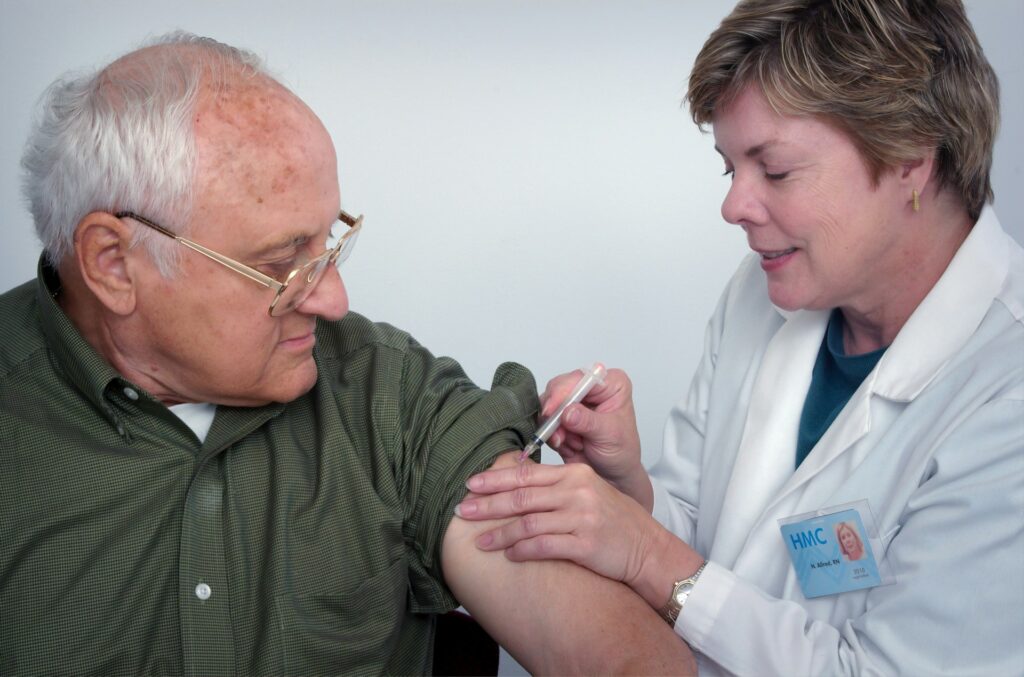
In the realm of medical malpractice, proving duty of care is a crucial element in establishing liability. In Florida, this requirement forms the cornerstone of any successful malpractice claim. The concept of duty of care pertains to the obligation of healthcare providers to adhere to a standard of reasonable care while treating patients. 

This standard is pivotal in determining whether a healthcare provider’s actions, or lack thereof, constitute negligence. In this article, we delve into the legal requirements for proving duty of care in Florida medical malpractice cases, drawing on the expertise of Domnick Cunningham & Yaffa to guide you through this complex legal terrain.

Legal Requirements for Proving Duty of Care in Florida Medical Malpractice CasesLegal Requirements for Proving Duty of Care in Florida Medical Malpractice Cases

Understanding the Legal Framework for Medical Malpractice in Florida

Florida’s medical malpractice laws are designed to protect patients from substandard medical care while ensuring that healthcare providers are not unfairly targeted. The Florida Statutes Chapter 766 outlines the requirements and procedures for medical malpractice claims. To establish a case, the plaintiff must demonstrate that the healthcare provider owed a duty of care to the patient, breached that duty, and caused harm as a result.

The duty of care in Florida is generally defined by what a reasonably prudent healthcare provider in the same field would do under similar circumstances. This standard varies depending on the medical specialty and the context of the treatment provided. The plaintiff must provide evidence, often through expert testimony, that the standard of care was not met and that this failure directly resulted in injury or harm.

Steps to Prove Duty of Care in Florida

Establishing a Doctor-Patient Relationship

The first step in proving duty of care is to establish that a doctor-patient relationship existed. This relationship forms the legal basis for the healthcare provider’s duty to the patient. Evidence such as medical records, appointment logs, and treatment notes can substantiate this relationship.

Defining the Standard of Care

The next step involves defining the standard of care that the healthcare provider was expected to meet. This typically requires expert testimony from a medical professional in the same field who can articulate what constitutes reasonable and appropriate care under the circumstances.

Demonstrating Breach of Duty

Once the standard of care is established, the plaintiff must show that the healthcare provider breached this duty. This involves presenting evidence that the provider’s actions deviated from the accepted standard of care. Expert witnesses play a crucial role in illustrating how the provider’s conduct fell short.

Causation and Harm

The plaintiff must also prove that the breach of duty directly caused harm or injury. This requires a clear connection between the provider’s negligence and the patient’s adverse outcome. Medical records, expert testimony, and sometimes even visual aids or demonstrative evidence can be used to establish causation.

Documentation and Evidence Collection

Throughout this process, meticulous documentation and evidence collection are essential. Medical records, witness statements, and expert opinions must be gathered and presented in a coherent manner to build a compelling case.

Challenges in Establishing Duty of Care in Medical Malpractice Cases

Proving duty of care in medical malpractice cases is fraught with challenges. Some of the primary difficulties include:

Obtaining sufficient and credible expert testimony
Experts must not only be knowledgeable but also able to convey complex medical information in a way that is understandable to the court. Finding experts who are willing to testify against fellow healthcare providers can also be challenging.

Demonstrating causation
Medical cases often involve multiple factors contributing to an outcome, making it difficult to isolate the healthcare provider’s actions as the definitive cause of harm. Plaintiffs must work diligently to connect the dots between the breach of duty and the injury suffered.

Navigating the legal process
Medical malpractice cases are often prolonged and require significant resources for investigation and litigation. Plaintiffs must be prepared for a potentially lengthy legal battle and the financial implications it may entail.

Domnick Cunningham & Yaffa’s Expertise in Florida Medical Malpractice Cases

At Domnick Cunningham & Yaffa, we understand the complexities and nuances of medical malpractice cases in Florida. Our team of experienced attorneys is dedicated to helping patients navigate the legal system and obtain the justice they deserve. We specialize in building robust cases by leveraging our extensive network of medical experts, thorough investigative techniques, and strategic litigation approaches.

Our approach includes:

  • Comprehensive evaluation of each case: We determine its merits and potential challenges.
  • Collaborative evidence gathering: We work closely with clients to gather all necessary documentation and evidence, ensuring that no detail is overlooked.
  • Expert presentation of medical information: Our attorneys are skilled in presenting complex medical information in a clear and compelling manner, making it accessible to judges and juries.

Moreover, we are committed to providing personalized support and guidance throughout the legal process. We understand the emotional and financial toll that medical malpractice can take on patients and their families, and we strive to alleviate this burden by offering compassionate and dedicated legal representation.

Contact Domnick Cunningham & Yaffa Today

In conclusion, proving duty of care in Florida medical malpractice cases is a multifaceted process that requires a deep understanding of both medical and legal principles. With the right legal team, such as Domnick Cunningham & Yaffa, on your side, you can navigate these challenges and work towards achieving a favorable outcome. If you believe you have been a victim of medical malpractice, do not hesitate to seek expert legal advice to protect your rights and secure the compensation you deserve.  Reach out to us at 561-516-5168 or book a consultation online to schedule a consultation and learn more about how we can assist you.


The post Legal Requirements for Proving Duty of Care in Florida Medical Malpractice Cases appeared first on Domnick Cunningham & Yaffa.

Florida Laws on Mandatory Reporting of Nursing Home Abuse

Many elderly individuals spend their golden years in one of the state’s numerous nursing homes. While these facilities often provide excellent care, instances of abuse and neglect can still occur. To protect vulnerable residents, Florida has implemented stringent laws mandating the reporting of nursing home abuse. This article by Domnick Cunningham & Yaffa aims to elucidate these laws, emphasizing the importance of reporting and the steps involved.

Florida Laws on Mandatory Reporting of Nursing Home AbuseFlorida Laws on Mandatory Reporting of Nursing Home Abuse

Who is Required to Report Nursing Home Abuse in Florida?

In Florida, the duty to report nursing home abuse is not limited to a single group of people. The law mandates that a wide range of individuals, particularly those in caregiving or supervisory roles, report any suspected abuse. This includes:

  • Healthcare Professionals: Doctors, nurses, and other medical staff are on the front lines and are often the first to notice signs of abuse or neglect.
  • Social Workers: Given their involvement in the personal lives of nursing home residents, social workers are crucial in identifying and reporting abuse.
  • Nursing Home Employees: Any staff member, from administrators to maintenance workers, must report any suspicion of abuse.
  • Family Members and Visitors: Relatives and friends who notice signs of abuse are also encouraged to report, though the legal requirement primarily targets professionals.

These individuals must report their suspicions promptly to ensure the safety and well-being of the residents. Failure to do so can result in legal consequences, highlighting the serious nature of this responsibility.

Types of Abuse and Neglect Covered Under Florida Law

Florida law recognizes various forms of abuse and neglect that must be reported. Understanding these categories is essential for identifying potential abuse. The main types include:

Physical Abuse
This includes any form of physical harm or injury inflicted on the resident, such as hitting, slapping, or inappropriate use of restraints.

Emotional Abuse
Verbal harassment, threats, and isolation that harm the mental well-being of a resident fall under this category.

Sexual Abuse
Any non-consensual sexual contact or behavior towards a resident is considered sexual abuse.

Neglect
Failing to provide necessary care, such as adequate nutrition, hydration, medical attention, and personal hygiene, constitutes neglect.

Financial Exploitation
This involves illegally or improperly using a resident’s funds, assets, or property, often through coercion or deception.

Recognizing these signs is the first step in addressing and preventing abuse. Each type of abuse leaves distinct indicators, and it is crucial for mandated reporters to be vigilant and responsive to these signs.

Steps to Take When Reporting Nursing Home Abuse

When abuse is suspected, the reporting process in Florida is straightforward but must be followed meticulously to ensure proper action is taken. Here are the steps:

  1. Immediate Reporting: If you suspect abuse, report it immediately to the Florida Abuse Hotline. This can be done via phone, online, or through fax. In emergencies, law enforcement should be contacted directly.
  2. Detailed Information: Provide as much detailed information as possible, including the resident’s name, the nursing home’s name and location, the nature of the abuse, and any specific incidents or observations. The more detailed the report, the better the authorities can respond.
  3. Confidentiality: Florida law protects the confidentiality of the reporter. This encourages more people to come forward without fear of retaliation.
  4. Follow-Up: After the report, the Department of Children and Families (DCF) or appropriate authorities will investigate. It’s important for reporters to be available for follow-up questions and to provide any additional information if needed.
  5. Legal Protection: Those who report in good faith are protected from civil or criminal liability. This legal safeguard ensures that individuals can report without fear of legal repercussions.

Legal Consequences for Failing to Report Abuse in Florida

The legal system in Florida takes the failure to report nursing home abuse very seriously. Consequences for failing to report can include:

Criminal Charges
Individuals who knowingly fail to report suspected abuse can face misdemeanor or felony charges, depending on the severity of the case.

Professional Disciplinary Action
Healthcare professionals and other mandated reporters may face disciplinary action, including the suspension or revocation of their licenses.

Civil Liability
In some cases, those who fail to report may be sued for damages resulting from their inaction.

The goal of these penalties is to underscore the importance of vigilance and prompt reporting to protect vulnerable nursing home residents.

Contact Domnick Cunningham & Yaffa Today

Ensuring the safety of nursing home residents in Florida is a shared responsibility. The state’s mandatory reporting laws are designed to create a safety net for the elderly, requiring various professionals and individuals to act when they suspect abuse. By understanding these laws and the steps involved in reporting, we can all contribute to a safer and more compassionate environment for our seniors. Domnick Cunningham & Yaffa is committed to helping individuals navigate these legal requirements and protect those who cannot protect themselves.  Reach out to us at 561-516-5168 or book a consultation online to schedule a consultation and learn more about how we can assist you.

The post Florida Laws on Mandatory Reporting of Nursing Home Abuse appeared first on Domnick Cunningham & Yaffa.

Telemedicine and Medical Malpractice Laws in Florida

Telemedicine, the practice of providing medical care remotely through digital communication tools, has revolutionized healthcare delivery. Especially in a state like Florida, where large rural areas and an aging population create significant barriers to in-person medical consultations, telemedicine offers an accessible and efficient solution. However, with the rise of telemedicine comes the inevitable intersection with medical malpractice law, an area of significant concern for both healthcare providers and patients.

Medical malpractice law in Florida is designed to protect patients from substandard medical care that leads to injury or harm. The intricacies of these laws become even more complex when applied to telemedicine. Understanding this intersection is crucial for healthcare providers who offer telehealth services and for patients who seek remote medical care. This article explores the role of telemedicine within the framework of Florida medical malpractice law, providing insights from Domnick Cunningham & Yaffa, a leading authority in this legal domain.

Telemedicine and Medical Malpractice Laws in FloridaTelemedicine and Medical Malpractice Laws in Florida

Current Legal Framework for Telemedicine in Florida

Florida has specific statutes and regulations that govern the practice of telemedicine. These laws ensure that telehealth providers meet certain standards to deliver safe and effective care. One of the key aspects of these regulations is the requirement for telehealth providers to be licensed in the state of Florida. This ensures that providers have the necessary qualifications and adhere to state medical standards.

Recent legislative updates have further refined the legal framework for telemedicine in Florida:

Florida Telehealth Act
Effective from July 1, 2019, establishes standards for telehealth providers, including the use of secure communication channels to protect patient information.

Licensing Requirements
Telehealth providers must be licensed in Florida to ensure compliance with state medical standards.

Standard of Care
Telehealth services must offer a comparable standard of care as in-person visits.

These regulations aim to safeguard patient health and privacy while fostering the growth of telemedicine. However, they also impose significant responsibilities on telehealth providers, making it essential for them to stay informed about legal requirements and updates.

Common Medical Malpractice Issues in Telemedicine

The practice of telemedicine introduces unique challenges that can lead to medical malpractice claims. One of the primary issues is establishing the standard of care. In traditional in-person visits, the standard of care is well-defined. However, in telemedicine, this standard can be more ambiguous, leading to potential discrepancies in diagnosis and treatment.

Challenges in diagnosis are particularly prevalent in telemedicine:

Missed Diagnoses: The inability to conduct a physical examination can result in missed or incorrect diagnoses.

Delayed Treatment: Missed subtle physical symptoms can lead to delays in treatment and consequently harm the patient.

Case Studies: Highlight common malpractice claims such as missed diagnoses, failure to obtain informed consent, and breaches of patient privacy.

These cases underscore the importance of telehealth providers adhering to strict protocols and maintaining high standards of care.

Legal Protections and Responsibilities for Telehealth Providers

Telehealth providers must adopt comprehensive risk management strategies to mitigate the risk of medical malpractice claims. Critical strategies include:

Thorough Documentation
Accurate records of patient interactions, diagnoses, and treatment plans are essential for defending against malpractice claims.

Patient Consent
Obtaining explicit informed consent from patients before delivering care, including explaining the limitations and potential risks associated with telemedicine.

Privacy Protection
Using secure communication channels to protect patient information and comply with the Health Insurance Portability and Accountability Act (HIPAA).

Continuous Education
Engaging in continuous education and training to stay updated on best practices and legal requirements.

By implementing these strategies, telehealth providers can provide a high standard of care and reduce the likelihood of malpractice claims.

Future Trends and Legal Considerations in Telemedicine

The future of telemedicine in Florida is likely to see continued growth and evolution, driven by technological advancements and changing patient needs. Potential developments include:

Technological Advancements
AI and machine learning are expected to enhance telehealth services, aiding in diagnosis, treatment planning, and patient monitoring.

Legal Reforms
Potential legal reforms may emerge to address new challenges and opportunities in telemedicine.

Comprehensive Regulations
Predictions for the future of telehealth and medical malpractice law suggest a trend towards more comprehensive and adaptive regulations.

These regulations will likely aim to balance the benefits of telemedicine with the need to protect patient safety and uphold standards of care.

Contact Domnick Cunningham & Yaffa Today

Telemedicine is transforming healthcare delivery in Florida, offering significant benefits but also posing new challenges in the realm of medical malpractice law. By staying informed about the legal framework, adopting robust risk management strategies, and anticipating future trends, telehealth providers can navigate this complex landscape effectively. Domnick Cunningham & Yaffa remains committed to supporting healthcare providers in understanding and complying with these evolving legal requirements, ensuring that telemedicine continues to thrive as a safe and effective mode of healthcare delivery.  Reach out to us at 561-516-5168 or book a consultation online to schedule a consultation and learn more about how we can assist you.

The post Telemedicine and Medical Malpractice Laws in Florida appeared first on Domnick Cunningham & Yaffa.

Comparative Fault in Florida Medical Malpractice Law

Medical malpractice cases can be complex, especially when multiple parties share responsibility for the injury. In Florida, the concept of comparative fault plays a crucial role in determining how damages are awarded in these cases. Understanding how comparative fault works is essential for anyone involved in a medical malpractice claim, whether as a patient, healthcare provider, or legal professional.

Comparative fault, also known as comparative negligence, is a legal principle that apportions blame among all parties involved in an incident. This means that if a patient is found to be partially at fault for their own injuries, their compensation may be reduced accordingly. Florida follows a “pure comparative fault” rule, allowing plaintiffs to recover damages even if they are 99% at fault, though their compensation will be reduced by their percentage of fault.

In this guide, we will delve into the nuances of comparative fault in Florida medical malpractice law, exploring how it affects cases, the role of evidence and expert testimony, and strategies for both plaintiffs and defendants. We’ll also look at some real-life examples to illustrate these concepts in action.

Comparative Fault in Florida Medical Malpractice LawComparative Fault in Florida Medical Malpractice Law

How Comparative Fault Affects Medical Malpractice Cases

Comparative fault significantly impacts the outcome of medical malpractice cases in Florida. Under this rule, the court determines the percentage of fault attributable to each party involved in the incident. This includes the healthcare provider, the patient, and any other relevant parties. The plaintiff’s total compensation is then reduced by their percentage of fault.

For example, if a patient is awarded $100,000 in damages but is found to be 30% at fault for their injury, they would receive $70,000. This system ensures that all parties are held accountable for their actions and that damages are allocated fairly based on the level of responsibility.

It’s important to note that in Florida, even if a patient is found to be predominantly at fault, they can still recover some damages. This aspect of pure comparative fault encourages fairness and ensures that victims can obtain some level of compensation, regardless of their degree of fault.

Determining Fault: The Role of Evidence and Expert Testimony

Establishing fault in medical malpractice cases involves a thorough examination of the evidence and often requires expert testimony. Both parties will present evidence to support their claims and defenses. This evidence can include medical records, witness statements, and expert opinions.

Expert Testimony: Medical experts can help clarify whether the standard of care was met and if any deviations contributed to the patient’s injury.

Patient’s Actions: Experts can provide insights into the patient’s actions and how they may have impacted the outcome.

Example: If a patient failed to follow post-operative instructions and their condition worsened, the defense might argue this contributed to the injury, while the plaintiff might argue the instructions were unclear.

The court will weigh this evidence to determine the proportion of fault attributable to each party, highlighting the importance of a knowledgeable legal team and credible experts.

Legal Strategies for Plaintiffs and Defendants in Comparative Fault Cases

Both plaintiffs and defendants must employ strategic approaches when dealing with comparative fault in medical malpractice cases.

  • Plaintiffs:
    • Minimize Fault: Aim to minimize their perceived fault while maximizing the fault of the defendant.
    • Gather Evidence: Compile compelling evidence and secure credible expert testimony.
    • Highlight Negligence: Demonstrate that the healthcare provider’s negligence was the primary cause of the injury.
  • Defendants:
    • Shift Blame: Attempt to shift some of the blame onto the plaintiff.
    • Scrutinize Patient Actions: Examine the patient’s actions, medical history, and adherence to medical advice.
    • Reduce Liability: Show that the patient’s own negligence contributed to their injury, reducing the defendant’s liability.

Both sides may engage in settlement negotiations, where understanding the dynamics of comparative fault can lead to more favorable outcomes.

Case Studies and Real-Life Examples

Examining real-life examples can provide valuable insights into how comparative fault is applied in Florida medical malpractice cases. Consider the case of a patient who developed an infection after surgery. The patient sued the surgeon for failing to provide adequate post-operative care. However, it was revealed that the patient did not follow the surgeon’s instructions to keep the wound clean and dry.

The court determined that both the surgeon and the patient were at fault. The surgeon was found to be 60% responsible for not providing clear instructions, while the patient was 40% at fault for not adhering to the care guidelines. As a result, the patient’s compensation was reduced by 40%, illustrating the impact of comparative fault on the final award.

In another case, a patient experienced severe complications after receiving incorrect medication. The pharmacy argued that the patient should have noticed the error and reported it. The court found the pharmacy 80% at fault and the patient 20% at fault. Despite the patient’s partial fault, they still received significant compensation for their injuries.

These examples highlight the importance of understanding comparative fault and its implications for medical malpractice cases. By recognizing how fault is determined and allocated, both plaintiffs and defendants can better navigate the legal landscape and work towards fair outcomes.

Contact Domnick Cunningham & Yaffa Today

Navigating the complexities of comparative fault in Florida medical malpractice law requires a thorough understanding of the legal principles involved and a strategic approach to evidence and testimony. By recognizing the impact of comparative fault, individuals involved in these cases can better prepare themselves for the legal process and work towards achieving just outcomes.

Domnick Cunningham & Yaffa is dedicated to helping clients understand and navigate the intricacies of medical malpractice claims. With a commitment to providing expert legal guidance and support, we strive to ensure that our clients receive fair compensation for their injuries while holding all parties accountable for their actions.

If you have any questions or need legal assistance with a medical malpractice case, please contact Domnick Cunningham & Yaffa. Our experienced team is here to help you every step of the way.  Reach out to us at 561-516-5168 or book a consultation online to schedule a consultation and learn more about how we can assist you.

The post Comparative Fault in Florida Medical Malpractice Law appeared first on Domnick Cunningham & Yaffa.

How Guardianship Can Play a Vital Role in Nursing Home Abuse Cases in Florida

Guardianship is a legal mechanism designed to protect individuals who are unable to care for themselves due to age, illness, or disability. In Florida, this role becomes particularly crucial when dealing with elderly residents in nursing homes, who are often at risk of abuse and neglect. The significance of guardianship in safeguarding these vulnerable seniors cannot be overstated, as it provides a legal advocate dedicated to ensuring their well-being and upholding their rights.

Nursing home abuse is a distressing reality that affects countless seniors across Florida. This abuse can manifest in various forms, including physical, emotional, and financial harm. Guardianship serves as a crucial barrier against such abuse, empowering guardians to monitor, report, and address any mistreatment, thereby ensuring that the elderly under their care are treated with the dignity and respect they deserve.

How Guardianship Can Play a Vital Role in Nursing Home Abuse Cases in FloridaHow Guardianship Can Play a Vital Role in Nursing Home Abuse Cases in Florida

Legal Framework of Guardianship in Florida

Florida’s guardianship laws are designed to protect individuals who cannot make decisions for themselves. The process of appointing a guardian involves a court procedure where a judge evaluates the need for guardianship and appoints a suitable guardian to manage the personal and financial affairs of the incapacitated individual.

The responsibilities of a guardian in Florida are extensive, including:

  • Making healthcare decisions
  • Managing financial matters
  • Ensuring the overall well-being of the ward

Guardians are required to act in the best interests of the ward, maintaining their dignity and promoting their welfare. This legal framework ensures that guardians are equipped with the authority and responsibility to protect their wards from abuse and neglect effectively.

Common Forms of Nursing Home Abuse and Neglect

Nursing home abuse can take many forms, each with devastating effects on the victim:

  • Physical abuse: Use of force resulting in bodily injury, pain, or impairment
  • Emotional abuse: Verbal assaults, threats, and harassment, leading to mental anguish and distress
  • Financial abuse: Illegal or improper use of a senior’s funds, property, or assets

The signs of nursing home abuse can vary depending on the type of abuse:

  • Physical signs: Unexplained bruises, fractures, or burns
  • Emotional abuse: Sudden changes in mood or behavior
  • Financial abuse: Unexplained withdrawals or changes in financial status

Recognizing these signs is crucial for guardians, as timely intervention can prevent further harm.

Statistics highlight the prevalence of nursing home abuse in Florida. According to the National Center on Elder Abuse, approximately 10% of elderly individuals experience some form of abuse. With Florida’s significant elderly population, this statistic underscores the urgent need for vigilant guardianship to protect vulnerable seniors.

Role of Guardians in Preventing and Addressing Abuse

Guardians play a pivotal role in preventing and addressing nursing home abuse by:

  • Regularly visiting and monitoring the nursing home environment to ensure appropriate care
  • Observing interactions between staff and residents, checking for signs of abuse, and reviewing medical and financial records
  • Taking immediate action when abuse is suspected or identified, including reporting to authorities and initiating legal proceedings

In addition to reactive measures, guardians can adopt proactive strategies to prevent abuse:

  • Selecting reputable nursing homes with a history of quality care
  • Educating themselves and their wards about the signs of abuse
  • Fostering open communication to ensure their wards feel safe and supported

Case Studies and Legal Precedents

Several case studies illustrate the critical role of guardians in combating nursing home abuse:

In one notable case in Florida, a guardian noticed unexplained bruises on their ward during a routine visit. After thorough investigation and reporting, it was revealed that the ward had been physically abused by a nursing home staff member. The guardian’s vigilance led to the staff member’s prosecution and the implementation of stricter oversight measures at the facility.

Legal precedents in Florida further underscore the importance of guardianship in protecting nursing home residents:

In one landmark case, the Florida Supreme Court ruled in favor of a guardian who had sued a nursing home for negligence, resulting in significant compensation for the victim. This case set a precedent for holding nursing homes accountable for failing to provide adequate care and protection for their residents.

These examples highlight the effectiveness of guardianship in both preventing and addressing nursing home abuse. By remaining vigilant and proactive, guardians can ensure the safety and well-being of their wards, while also contributing to broader efforts to improve the standards of care in nursing homes across Florida.

Contact Domnick Cunningham & Yaffa Today

Guardianship plays an indispensable role in protecting elderly residents from nursing home abuse in Florida. Through a combination of legal authority, vigilant oversight, and proactive intervention, guardians can safeguard the rights and welfare of vulnerable seniors. As the population of elderly individuals in Florida continues to grow, the importance of robust guardianship practices will only increase, ensuring that all seniors can live with dignity and security in their later years. For families and legal professionals involved in elder care, understanding and supporting the role of guardianship is crucial in the ongoing fight against nursing home abuse. Domnick Cunningham & Yaffa is committed to supporting guardians in this vital role and ensuring justice for those affected by nursing home abuse.  Reach out to us at 561-516-5168 or book a consultation online to schedule a consultation and learn more about how we can assist you.

The post How Guardianship Can Play a Vital Role in Nursing Home Abuse Cases in Florida appeared first on Domnick Cunningham & Yaffa.

Understanding the Legal and Factual Issues Surrounding Recent Child Drownings in Florida

The state of Florida has seen a troubling rise in fatal drownings in the first half of this year, with a total of 60 drownings reported. Of these, 47 involved children who were not supposed to be in or near water, raising significant concerns and questions about safety measures, parental supervision, and legal accountability. Domnick Cunningham & Yaffa, a Palm Beach Gardens catastrophic injury law firm, is dedicated to exploring the legal and factual issues involved in these tragic incidents to better inform and protect our community.

Understanding the Legal and Factual Issues Surrounding Recent Child Drownings in FloridaUnderstanding the Legal and Factual Issues Surrounding Recent Child Drownings in Florida

The Scope of the Problem

Drowning is a leading cause of unintentional death for children in Florida, a state known for its numerous water bodies and year-round swimming weather. The alarming statistic that 47 out of 60 drownings involved children who were not supposed to be near water underscores a critical need for preventative measures and heightened awareness.

Factors Contributing to Child Drownings

Lack of Supervision
One of the most significant factors in child drownings is inadequate supervision. Young children can wander off quickly, and without vigilant supervision, they may find themselves in dangerous situations near water.

Access to Water
Many homes in Florida have pools, and the state’s natural landscape includes lakes, canals, and beaches. Without proper barriers and safety measures, children can easily access these water bodies.

Inadequate Safety Measures
In some cases, pools and other water bodies lack essential safety features such as fences, alarms, and covers, increasing the risk of accidental drownings.

Lack of Swimming Skills
Many children do not have adequate swimming skills, which is a critical factor in preventing drownings. Swimming lessons can significantly reduce the risk of drowning for young children.

Legal Issues Surrounding Child Drownings

When a child drowns, it is not only a tragic loss for the family but also a potential legal issue involving liability and negligence. Several parties may be held accountable in such cases, including homeowners, pool manufacturers, and even local governments. 

Premises Liability

In Florida, premises liability laws hold property owners responsible for maintaining a safe environment. If a child drowns in a private pool, the homeowner may be liable if they failed to implement necessary safety measures, such as installing a fence or pool cover.

Attractive Nuisance Doctrine
This legal principle holds property owners liable for injuries to children who are attracted to hazardous conditions on their property, such as a swimming pool. Under this doctrine, homeowners must take reasonable steps to secure their pools and prevent children from accessing them unsupervised.

Negligence
Homeowners can be found negligent if they fail to provide a safe environment. Negligence can be established if it is shown that the homeowner knew or should have known about the danger and failed to take appropriate actions to mitigate the risk.

Product Liability

If a child drowns due to a defect in a pool’s design or equipment, the manufacturer can be held liable under product liability laws. For instance, if a pool cover fails to function properly or a pool alarm does not go off when it should, the manufacturer may be responsible for the resulting injuries or fatalities.

Municipal Liability

Local governments may also be liable if a drowning occurs in a public pool or water body due to inadequate safety measures or poor maintenance. Municipalities have a duty to ensure that public facilities are safe for use and properly maintained.

Parental Responsibility

While legal actions often focus on property owners and manufacturers, parents and guardians also have a crucial role in preventing drownings. Parents can be held partially liable if it is determined that they were negligent in supervising their children. However, the legal system also recognizes the profound grief and loss experienced by families and often seeks to balance accountability with compassion.

Preventative Measures and Recommendations

Preventing child drownings requires a multifaceted approach involving parents, property owners, lawmakers, and community organizations. Here are some key recommendations to enhance water safety and prevent future tragedies:

Enhanced Supervision
Parents and guardians should always supervise children when they are in or near water. Designating a “water watcher” who is responsible for constantly monitoring children can help prevent accidents.

Swimming Lessons
Enrolling children in swimming lessons at an early age can equip them with essential skills to survive if they find themselves in water unexpectedly. Programs like those offered by the American Red Cross or local community centers are valuable resources.

Safety Barriers
Installing physical barriers such as fences, self-closing gates, and pool covers around pools can significantly reduce the risk of unauthorized access by children.

Pool Alarms
Using pool alarms that alert homeowners when someone enters the pool area can provide an additional layer of security.

Community Education
Public awareness campaigns and educational programs can help inform parents and caregivers about the risks and preventative measures related to child drownings.

Legislation
Advocating for stronger pool safety regulations and enforcement can lead to better compliance with safety standards. Lawmakers can play a crucial role in ensuring that all pools are equipped with necessary safety features.

The Role of Legal Representation

In the aftermath of a tragic drowning, families may seek legal recourse to hold responsible parties accountable and secure compensation for their loss. Domnick Cunningham & Yaffa is committed to providing compassionate and skilled legal representation to families affected by such tragedies. Our team of experienced attorneys can assist in navigating the complex legal landscape, gathering evidence, and advocating for justice on behalf of grieving families.

Case Evaluation
Each drowning case is unique, and a thorough evaluation of the circumstances is essential. Our attorneys will investigate the incident, assess potential liabilities, and determine the best course of action to pursue a claim.

Pursuing Compensation
Families may be entitled to compensation for medical expenses, funeral costs, pain and suffering, and other damages resulting from a drowning incident. Domnick Cunningham & Yaffa will work diligently to ensure that families receive the compensation they deserve.

Advocacy and Support
Beyond legal representation, we strive to support families through advocacy and education. By raising awareness about the risks and promoting preventative measures, we aim to reduce the incidence of child drownings in our community.

Contact Domnick Cunningham & Yaffa Today

The recent spate of child drownings in Florida is a sobering reminder of the critical importance of water safety and supervision. By understanding the legal and factual issues involved, we can better protect our children and prevent future tragedies. Domnick Cunningham & Yaffa is dedicated to supporting affected families and advocating for safer environments for all. If you or someone you know has been affected by a drowning incident, please contact us for compassionate and knowledgeable legal assistance. Together, we can make a difference in preventing these heartbreaking losses.  Reach out to us at 561-516-5168 or book a consultation online to schedule a consultation and learn more about how we can assist you.

The post Understanding the Legal and Factual Issues Surrounding Recent Child Drownings in Florida appeared first on Domnick Cunningham & Yaffa.