Legal Recourse for Victims of Medical Device Failures in Florida

Medical devices play a crucial role in modern healthcare, from life-saving implants to essential diagnostic tools. However, when these devices fail, the consequences can be severe, leading to injury, prolonged illness, or even death. Understanding the legal recourse available to victims of medical device failures in Florida is essential for those affected. Navigating the complexities of medical device litigation can be daunting, but knowing your rights and the steps to take can make a significant difference in achieving justice and compensation.
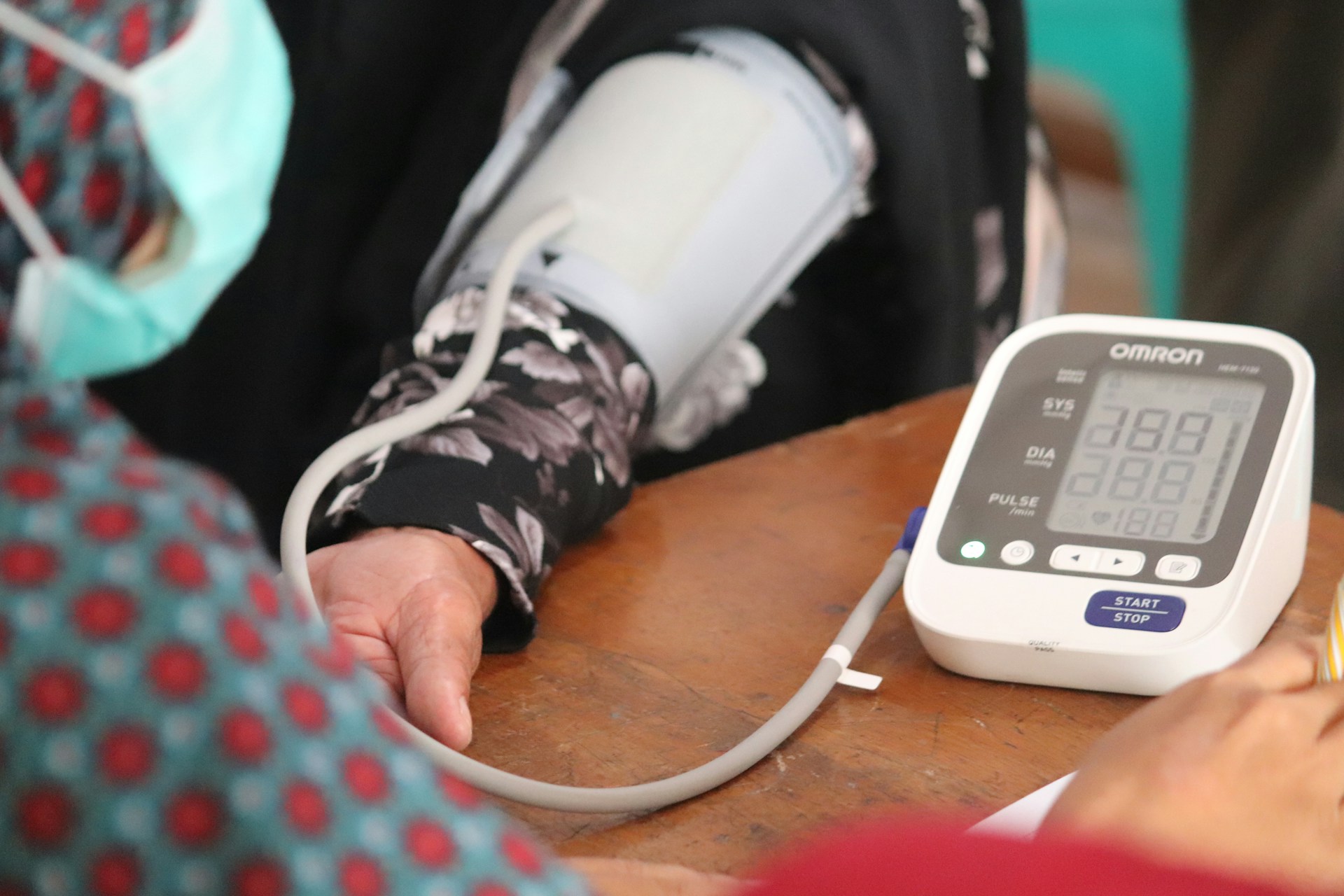
Legal Recourse for Victims of Medical Device Failures in FloridaLegal Recourse for Victims of Medical Device Failures in Florida

Common Types of Medical Device Failures

Medical device failures can occur in various forms, impacting numerous aspects of patient care. Some common types of medical device failures include:

  • Implants and Prosthetics: Failures in implants such as hip replacements, pacemakers, and breast implants can lead to severe health complications, requiring additional surgeries and prolonged recovery times.
  • Surgical Instruments: Defective surgical instruments can cause complications during procedures, leading to increased patient risk and potential for additional surgeries.
  • Diagnostic Tools: Faulty diagnostic tools, such as malfunctioning MRI machines or inaccurate blood glucose monitors, can result in misdiagnosis or delayed treatment, exacerbating patient conditions.

Notable incidents in Florida have highlighted the critical nature of medical device failures. For example, cases involving defective hip implants have led to significant health issues for many patients, prompting widespread legal action and settlements.

Legal Framework for Medical Device Failures in Florida

Victims of medical device failures in Florida can seek legal recourse under a combination of state and federal laws. Key aspects of the legal framework include:

Federal Regulations
The Food and Drug Administration (FDA) oversees the approval and monitoring of medical devices in the United States. The FDA’s regulations ensure that medical devices meet safety and efficacy standards before they reach the market. However, post-market surveillance and reporting of adverse events are crucial for identifying issues that may arise after widespread use.

State Regulations
Florida state laws complement federal regulations by providing additional protections and legal avenues for victims. For example, Florida’s product liability laws allow individuals to pursue claims against manufacturers, distributors, and retailers of defective medical devices.

Statute of Limitations
In Florida, victims must file a lawsuit within a specific timeframe, known as the statute of limitations. For product liability cases, the statute of limitations is generally four years from the date of injury or discovery of the injury. It’s crucial to act promptly to ensure your legal rights are preserved.

Steps to Take if You Are a Victim

If you suspect that you are a victim of a medical device failure, taking immediate action is crucial. Here are the steps you should follow:

  1. Seek Medical Attention: Your health and safety are the top priorities. Seek immediate medical attention to address any complications arising from the device failure. Ensure that your healthcare provider documents the issue and its impact on your health.
  2. Document the Failure: Collect and preserve all evidence related to the medical device failure. This includes the device itself, medical records, photographs of any physical harm, and detailed notes on the incident and its consequences.
  3. Consult a Legal Expert: Contact an experienced attorney specializing in medical device litigation. Legal experts, like those at Domnick Cunningham & Yaffa, can provide invaluable guidance on the viability of your case and the best course of action. They can help you understand your rights and navigate the legal complexities involved.
  4. Report the Incident: Report the device failure to the FDA through its MedWatch program. This helps in the post-market surveillance of medical devices and can contribute to preventing similar incidents for other patients.
  5. Evaluate Your Legal Options: With the help of your attorney, evaluate the potential legal claims you can pursue. These may include product liability, negligence, breach of warranty, and other relevant claims.

Pursuing Legal Action

Filing a lawsuit for medical device failure involves several steps, and understanding the types of legal claims available can help you navigate this process effectively.

Types of Legal Claims

  • Product Liability: Claims against manufacturers for defective design, manufacturing defects, or failure to warn consumers about potential risks.
  • Negligence: Claims based on the failure of manufacturers, distributors, or healthcare providers to exercise reasonable care in the design, manufacture, or use of the medical device.
  • Breach of Warranty: Claims based on the violation of express or implied warranties regarding the safety and efficacy of the medical device.

Filing a Lawsuit

Your attorney will help you file a lawsuit in the appropriate jurisdiction. The legal process typically involves the following stages:

  • Investigation and Case Preparation: Gathering evidence, consulting with experts, and preparing legal documents.
  • Filing the Complaint: Submitting a formal complaint to the court outlining your claims and the relief sought.
  • Discovery Phase: Both parties exchange information, conduct depositions, and gather additional evidence.
  • Settlement Negotiations or Trial: Many cases are resolved through settlements. If a settlement cannot be reached, the case proceeds to trial, where a judge or jury will determine the outcome.

Potential Outcomes and Compensation 

Successful legal action can result in various forms of compensation, including:

  • Medical Expenses: Coverage for current and future medical bills related to the device failure.
  • Lost Wages: Compensation for lost income due to the inability to work.
  • Pain and Suffering: Damages for physical pain, emotional distress, and diminished quality of life.
  • Punitive Damages: In cases of gross negligence or willful misconduct, punitive damages may be awarded to punish the responsible parties and deter future misconduct.

Contact Domnick Cunningham & Yaffa Today

Medical device failures can have devastating impacts on patients’ lives. Understanding your legal rights and the steps to take can empower you to seek justice and compensation. By following the outlined steps and consulting with experienced attorneys like those at Domnick Cunningham & Yaffa, victims of medical device failures in Florida can navigate the complex legal landscape and achieve the best possible outcomes.

Navigating the legal landscape following a medical device failure can be overwhelming, but you don’t have to face it alone. With the right legal support, you can hold the responsible parties accountable and secure the compensation you deserve. Remember, acting swiftly and seeking professional legal advice are key to protecting your rights and achieving justice.

The post Legal Recourse for Victims of Medical Device Failures in Florida appeared first on Domnick Cunningham & Yaffa.


Florida Nursing Home Abuse Cases: How Punitive Damages Can Make a Difference

Nursing home abuse is a growing concern in Florida, a state with a significant elderly population. Abuse in these facilities can take many forms, including physical, emotional, sexual, and financial exploitation. Neglect, a more passive form of abuse, is also alarmingly common. Families trust nursing homes to provide a safe environment for their loved ones, but unfortunately, some residents suffer at the hands of negligent or malicious caregivers.

Addressing nursing home abuse is crucial for the well-being of the elderly and the integrity of the caregiving industry. Victims and their families need to know their legal options to ensure justice is served. One of the most potent legal remedies available is punitive damages, designed to punish wrongdoers and deter future misconduct. Domnick Cunningham & Yaffa specializes in helping victims pursue these damages, ensuring that negligent nursing homes are held accountable.

Florida Nursing Home Abuse Cases: How Punitive Damages Can Make a DifferenceFlorida Nursing Home Abuse Cases: How Punitive Damages Can Make a Difference

What Are Punitive Damages?

Punitive damages are a category of compensation awarded in civil lawsuits. Unlike compensatory damages, which aim to reimburse victims for their losses, punitive damages serve a different purpose. They are intended to punish the defendant for particularly egregious behavior and to deter similar conduct in the future.

In the context of nursing home abuse, punitive damages can be awarded when a facility’s actions go beyond mere negligence and exhibit willful, malicious, or reckless disregard for the safety and well-being of residents. These damages send a strong message to other facilities about the severe consequences of such behavior, fostering a safer environment for all nursing home residents.

Legal Standards for Punitive Damages in Florida

The standards for awarding punitive damages in Florida are stringent. According to Florida law, punitive damages can only be awarded if the plaintiff proves by clear and convincing evidence that the defendant’s conduct was grossly negligent or intentionally harmful. Gross negligence involves a severe lack of care that indicates a reckless disregard for the safety of others.

Florida statutes also cap punitive damages to ensure they are proportional to the harm caused. Generally, punitive damages cannot exceed three times the amount of compensatory damages or $500,000, whichever is greater. However, in cases of intentional misconduct, there is no cap, allowing courts to impose higher penalties to reflect the severity of the abuse.

Case law in Florida provides several examples of how courts interpret and apply these standards. For instance, in cases where nursing home staff knowingly neglected a resident’s needs or inflicted physical harm, courts have upheld substantial punitive damage awards, reinforcing the legal system’s commitment to protecting vulnerable individuals.

The Impact of Punitive Damages on Nursing Home Abuse Cases

Punitive damages have a profound impact on nursing home abuse cases. They not only provide additional compensation to victims but also play a crucial role in shaping the behavior of nursing homes. The threat of significant financial penalties encourages facilities to prioritize resident safety and implement rigorous standards of care.

Several case studies illustrate the positive effects of punitive damages. In one notable case, a Florida nursing home was found liable for severe neglect that led to a resident’s death. The court awarded substantial punitive damages, which not only provided the victim’s family with a sense of justice but also prompted the nursing home to overhaul its policies and training programs to prevent future incidents.

By holding nursing homes financially accountable, punitive damages create a powerful incentive for these facilities to maintain high standards of care. This, in turn, helps to reduce the incidence of abuse and neglect, ensuring that residents receive the respectful and compassionate treatment they deserve.

Seeking Justice: The Role of Domnick Cunningham & Yaffa in Nursing Home Abuse Cases

Domnick Cunningham & Yaffa is dedicated to advocating for the rights of nursing home abuse victims. With a deep understanding of the legal landscape and a compassionate approach to client care, the firm has successfully helped numerous families secure punitive damages in their cases. The attorneys at Domnick Cunningham & Yaffa recognize the emotional and physical toll that abuse takes on victims and their families, and they are committed to providing the support and guidance needed to navigate the legal process.

The firm’s approach to handling nursing home abuse cases involves thorough investigation, meticulous preparation, and aggressive advocacy. By gathering compelling evidence and presenting a strong case, Domnick Cunningham & Yaffa maximizes the likelihood of securing punitive damages for their clients. Success stories from past clients highlight the firm’s effectiveness in achieving justice and fostering meaningful change in the nursing home industry.

For example, in one case handled by Domnick Cunningham & Yaffa, a nursing home resident suffered severe injuries due to neglectful care. The firm’s diligent efforts resulted in a substantial punitive damages award, which not only compensated the victim but also led to significant reforms at the facility. These outcomes demonstrate how Domnick Cunningham & Yaffa’s expertise and dedication make a tangible difference in the lives of abuse victims and contribute to the overall improvement of nursing home standards.

Contact Domnick Cunningham & Yaffa Today

Punitive damages are a critical tool in the fight against nursing home abuse in Florida. They provide a means of holding negligent facilities accountable and deterring future misconduct, ultimately contributing to a safer environment for all residents. Domnick Cunningham & Yaffa plays an essential role in this process, offering expert legal representation and unwavering support to victims and their families.

If you or a loved one has experienced abuse in a nursing home, it is crucial to seek legal assistance promptly. Domnick Cunningham & Yaffa’s experienced attorneys are ready to help you pursue justice and secure the compensation you deserve. By working together, we can ensure that nursing homes are held to the highest standards of care and that vulnerable individuals are protected from harm.  Reach out to us at 561-516-5168 or book a consultation online to schedule a consultation and learn more about how we can assist you.

The post Florida Nursing Home Abuse Cases: How Punitive Damages Can Make a Difference appeared first on Domnick Cunningham & Yaffa.

Informed Consent in Florida Malpractice Claims

Informed consent is a fundamental principle in healthcare, ensuring that patients are fully aware of and understand the risks, benefits, and alternatives to medical treatments or procedures before they are undertaken. In the context of medical malpractice, informed consent is crucial as it protects patient autonomy and upholds ethical standards in medical practice. In Florida, as in many other states, informed consent is not only a matter of good practice but also a legal requirement. Failure to obtain proper informed consent can lead to significant legal repercussions, including medical malpractice claims.

Informed Consent in Florida Malpractice ClaimsInformed Consent in Florida Malpractice Claims

Legal Requirements for Informed Consent in Florida

Florida law mandates that healthcare providers must obtain informed consent from patients before performing any medical procedure. This requirement is rooted in both statutory law and case law, ensuring that patients are not subjected to medical interventions without their explicit and informed agreement. According to Florida Statutes § 766.103, informed consent must include an explanation of the nature of the procedure, the substantial risks and hazards inherent in the proposed treatment, and the feasible alternatives, including the risks of declining the treatment.

The key elements required for valid informed consent in Florida are:

  • Disclosure: Healthcare providers must provide comprehensive information about the procedure, including potential risks and benefits.
  • Comprehension: Patients must demonstrate an understanding of the information provided.
  • Voluntariness: The decision to proceed must be made without coercion or undue influence.
  • Competence: The patient must be legally and mentally competent to make the decision.

These elements are critical in ensuring that consent is not just a formality but a meaningful process that respects patient autonomy.

Common Issues and Disputes in Informed Consent

Despite the clear legal requirements, disputes over informed consent frequently arise in medical malpractice cases. One common issue is whether the patient was adequately informed about the risks and alternatives. This often becomes a point of contention, especially when complications arise that were not specifically discussed. In some cases, healthcare providers may argue that the risks were too remote or unlikely to warrant detailed discussion, while plaintiffs may contend that any risk, no matter how small, should have been disclosed.

Case studies in Florida have highlighted various scenarios where informed consent was challenged. For instance, in the case of Public Health Trust of Miami-Dade County v. Valcin, the court ruled that if a physician fails to obtain proper informed consent, the burden shifts to the defendant to prove that the patient would have undergone the procedure even if they had been fully informed.

Another significant issue is the documentation of informed consent. Proper documentation, often through signed consent forms, is essential to demonstrate that informed consent was obtained. However, the presence of a signed form alone may not be sufficient if there is evidence suggesting that the patient did not fully understand the information or was not given an opportunity to ask questions.

Patient Rights and Physician Responsibilities

In Florida, patients have the right to be fully informed about their medical care, including the risks and benefits of proposed treatments. This right is protected under state law and ethical guidelines established by medical boards and professional organizations. Patients can expect that healthcare providers will:

  • Disclose all relevant information in a manner that is understandable.
  • Respect their right to make informed decisions about their care.
  • Obtain consent in a manner that is free from coercion or pressure.

Healthcare providers, on the other hand, have a duty to ensure that informed consent is obtained properly. This includes:

  • Taking the time to explain procedures thoroughly
  • Answering any questions the patient may have
  • Verifying that the patient comprehends the information
  • Being aware of and adhering to specific legal requirements and guidelines to avoid legal liability

Implications for Medical Malpractice Litigation

In medical malpractice litigation, the issue of informed consent can significantly impact the outcome of a case. If a plaintiff can demonstrate that they were not adequately informed about the risks of a procedure, they may have a strong basis for a malpractice claim. This is particularly true if the undisclosed risk materializes and causes harm.

For plaintiffs, the strategy often involves gathering evidence that shows a lack of proper disclosure or understanding. This may include:

  • Medical records
  • Expert testimony
  • Witness statements

For defendants, the goal is typically to prove that informed consent was obtained correctly and that the patient was fully aware of the risks.

One of the critical aspects of informed consent litigation is the concept of the “reasonable patient” standard. This standard evaluates whether a typical patient, in the same situation, would have consented to the procedure if fully informed. Courts will consider various factors, including:

  • The nature of the procedure
  • The severity of the risks
  • The patient’s personal circumstances

Contact Domnick Cunningham & Yaffa Today

In conclusion, informed consent is a pivotal element in the realm of medical malpractice in Florida. Both patients and healthcare providers must understand their rights and responsibilities to ensure that consent is obtained ethically and legally. For legal practitioners at Domnick Cunningham & Yaffa, staying abreast of the evolving legal landscape and understanding the nuances of informed consent is essential for effectively representing clients in medical malpractice cases. By doing so, they can help uphold the integrity of patient care and the legal standards that protect it.  Reach out to us at 561-516-5168 or book a consultation online to schedule a consultation and learn more about how we can assist you.

The post Informed Consent in Florida Malpractice Claims appeared first on Domnick Cunningham & Yaffa.

Impact of Medical Malpractice Insurance Laws on Florida Physicians

Medical malpractice insurance is a crucial component of the healthcare system, designed to protect physicians against claims of negligence and ensure patients receive compensation for medical errors. In Florida, these laws have evolved significantly over the years, shaping the landscape in which medical professionals operate. Understanding these laws is vital for physicians to mitigate risks and maintain compliance.

Historically, Florida has been a hotspot for medical malpractice litigation, leading to the development of stringent insurance requirements. These laws aim to balance protecting patients’ rights and ensuring that physicians can practice without the constant threat of debilitating lawsuits. This balance is delicate and has significant implications for the healthcare system in Florida.

Impact of Medical Malpractice Insurance Laws on Florida PhysiciansImpact of Medical Malpractice Insurance Laws on Florida Physicians

Current Medical Malpractice Insurance Requirements for Florida Physicians

Florida’s medical malpractice insurance requirements are among the most comprehensive in the United States. Physicians are mandated to carry a minimum amount of liability insurance to cover potential claims. The current legal framework requires physicians to have at least $100,000 per claim and $300,000 aggregate per year if they are not hospital staff. Those affiliated with hospitals must carry $250,000 per claim and $750,000 aggregate per year. Additionally, physicians have the option to post a financial responsibility bond or demonstrate financial responsibility through other approved means.

Compared to other states, Florida’s requirements are relatively high, reflecting the state’s history of high malpractice claim rates. Recent changes have also included measures to increase transparency and accountability, such as requiring physicians to inform patients about their lack of insurance if they choose to forgo traditional coverage.

Effects of Medical Malpractice Insurance on Physician Practices

The impact of medical malpractice insurance laws on physicians in Florida is multifaceted. Financially, the high cost of premiums can be a significant burden, particularly for smaller practices and solo practitioners. These costs often lead to higher healthcare costs for patients, as physicians may pass on some of these expenses.

Moreover, the threat of malpractice claims influences medical decision-making. Physicians may engage in defensive medicine, ordering additional tests and procedures primarily to protect themselves from potential lawsuits rather than for patient benefit. This practice not only increases healthcare costs but can also lead to unnecessary patient anxiety and exposure to risk.

Case studies highlight the real-world implications of these laws. For instance, a small clinic in Miami faced closure due to the skyrocketing costs of malpractice insurance premiums, which they could no longer afford. On the other hand, a large hospital in Orlando managed to implement risk management strategies that reduced their insurance costs significantly while maintaining high standards of patient care.

Challenges and Controversies Surrounding Medical Malpractice Insurance Laws

Despite their protective intent, medical malpractice insurance laws in Florida are not without challenges and controversies. Physicians often cite the high premiums and the pressure of constant legal scrutiny as major stressors. The fear of litigation can lead to job dissatisfaction and burnout, exacerbating the physician shortage in some areas.

Legal disputes are also common, with high-profile cases frequently making headlines. These cases often highlight the contentious nature of malpractice claims, where both physicians and patients feel aggrieved by the system. Stakeholders have differing views on the best approach to reforming these laws. Physicians advocate for caps on damages and reforms to reduce frivolous lawsuits, while patient advocacy groups emphasize the need for robust protections to ensure victims of medical errors are adequately compensated.

Future Outlook and Recommendations for Florida Physicians

Looking ahead, the landscape of medical malpractice insurance laws in Florida is poised for change. Legislative efforts are underway to address some of the existing challenges. Potential reforms include introducing caps on non-economic damages, which could help reduce the burden of high insurance premiums on physicians. Additionally, there is a growing emphasis on enhancing patient safety and reducing the incidence of medical errors, which could mitigate the need for malpractice claims.

For Florida physicians, navigating these laws requires proactive measures. Staying informed about legislative changes and understanding the intricacies of insurance requirements is crucial. Physicians should also consider investing in robust risk management and patient safety programs, which can help reduce the likelihood of malpractice claims. Furthermore, legal support and advisory services, such as those offered by Domnick Cunningham & Yaffa, can provide invaluable assistance in understanding and complying with these complex regulations.

Contact Domnick Cunningham & Yaffa Today

In conclusion, while medical malpractice insurance laws in Florida present significant challenges for physicians, they also offer a framework for protecting both medical professionals and patients. By staying informed and proactive, physicians can navigate these laws effectively, ensuring their practice thrives in a legally compliant and safe manner.   Reach out to us at 561-516-5168 or book a consultation online to schedule a consultation and learn more about how we can assist you.

The post Impact of Medical Malpractice Insurance Laws on Florida Physicians appeared first on Domnick Cunningham & Yaffa.
Advocacy for Cosmetic Surgery Malpractice

Millions of people seek cosmetic procedures each year, but the lack of strict regulations means that many end up in the hands of unqualified practitioners. 

These patients, trusting in the promise of safe and effective results, are often left to deal with severe complications, disfigurement, and immense psychological trauma. Women, in particular, are disproportionately affected and left to deal with the aftermath with minimal legal recourse.

Plastic Surgery Stories - An Unchecked Cycle of Maiming Women in FloridaPlastic Surgery Stories - An Unchecked Cycle of Maiming Women in Florida

A Florida case reported this week by WPBF 25 News involved a botched surgery at a Treasure Coast clinic performing unlicensed procedures. This mirrors another report this week of arguably a far more egregious botched plastic surgery that led to a woman’s death – in a terrible irony, it was the surgeon’s wife. 

This is all part of a growing problem where cosmetic surgeons in Florida operate with little to no accountability for the damage they cause. They thrive in a state that has given them the ability to practice bad medicine while the Board of Medicine turns a blind eye and there is no option for legal recourse. 

Sean C. Domnick, President of the American Association for Justice, and a 30 year medical malpractice lawyer at Domnick Cunningham & Yaffa, in Palm Beach Gardens, Florida, is an expert on this issue:

“In Florida, plastic surgeons are not required to carry insurance and have only minimal required financial accountability – which is often illusory. The cost to pursue these cases can exceed $100,000 through trial. Then it can take years and years to pursue the doctor who can simply declare bankruptcy if you get too close.The system is rigged to protect the most negligent at the expense of the most injured.”

This issue needs more attention. How many more stories need to be reported of cosmetic surgery horrors before we shine a light on a root cause and stop blaming the victims? How many of these stories are never told because there is no legal recourse? Our law firm turns down cases on a weekly basis of women who have been disfigured by plastic surgeons operating without insurance. 

By increasing oversight and enforcing stricter licensing requirements, we can better protect those seeking cosmetic procedures. Public awareness is also crucial to help individuals make informed decisions and avoid unlicensed practitioners.

Nicole Kruegel, another Domnick Cunningham & Yaffa medical malpractice lawyer, adds:

“Plastic surgeons often charm women into unnecessary and dangerous procedures that have a high risk of permanent disfigurement, or even death. Every day, women are told that these dangerous procedures are commonplace and easy, but when things go south, these same doctors would rather pretend that nothing is wrong for as long as possible- delaying care that could have minimized the damage instead of holding themselves accountable for the harm they have caused.”

Just last month, Florida House Bill 1561 became law. It enhances regulations for office-based surgeries, with a focus on the Brazilian Butt Lift (BBL). It mandates that medical offices performing significant liposuction or gluteal fat grafting register with the Department of Health (DOH). 

The new law also requires these registered surgery centers to undergo in-person inspections, allowing the DOH to refer unsafe centers to better-equipped facilities. It revises non-compliance penalties to $5,000 per violation instead of per day. It also stipulates that procedures involving significant patient movement, such as turning 180 degrees during liposuction, must be performed in registered surgery centers. 

Yet this new law – again, aimed at the Brazilian Butt Lift – falls far short of what’s actually needed for legislation here as it fails to address the reality that unregulated surgery centers are popping up all over the state. So while the Treasure Coast surgery center highlighted in the WPBF piece has been shut down, the threshold question is whether one, two, or ten will take its place.

All it takes to realize the severity and importance of this is a quick look into the case of the death of Hillary Brown, the wife of Dr. Benjamin Brown, who died as a result of a procedure she did with him.

It’s truly horrific stuff. As the AP reported:

Unsupervised by her husband or any other health care practitioner, Hillary Brown prepared her own local anesthesia and filled intravenous bags for the procedures which included arm liposuction, lip injections and an ear adjustment, according to the Department of Health complaint.

She also ingested several pills, including a sedative, pain killer and antibiotic, before falling into a sedated state, though the consumption of those pills wasn’t documented, the complaint said.

A quick glance through the late Hillary Brown’s instagram feed really drives this home in the era of social media. We see the remarkable breach of any proper medical procedure above in the context of a woman who posted pictures of her young children, her husband, babies, sunsets by the beach, and much more.

And none of this is new. These plastic surgery tragedies quickly enter and leave our media feeds and nothing definitive gets done. 

Kanye West’s mother, Donda West, died on November 10, 2007, following complications from multiple plastic surgery procedures, including liposuction, a tummy tuck, and a breast reduction. The surgery was performed by Dr. Jan Adams, who had faced previous malpractice suits. An autopsy revealed she died of heart disease combined with complications from the surgery. While there were criticisms regarding post-operative care and her decision to undergo surgery despite pre-existing health conditions, no direct medical malpractice was legally determined in connection to her death.

So as quickly as the story of the plastic surgery death of the mother of arguably the most popular celebrity in the world at the time entered our media feeds, it disappeared. The same will happen with the news stories this week or next month or next year unless a foundational change is made.

Specifically, we need a national standard – if not actual federal legislation – to ensure that unqualified and underqualified people can’t open a plastic surgery clinic and maim women. It’s hard to write or read that but it’s where we are and can no longer be.

The post Advocacy for Cosmetic Surgery Malpractice appeared first on Domnick Cunningham & Yaffa.

Effective Strategies for Negotiating Medical Malpractice Settlements in Florida

Medical malpractice laws in Florida are designed to protect patients who have suffered harm due to the negligence of healthcare providers. These laws encompass a wide range of medical errors, including surgical mistakes, misdiagnoses, medication errors, and failure to provide appropriate treatment. Understanding the legal framework is crucial for anyone considering a medical malpractice claim.

One of the fundamental aspects of Florida’s medical malpractice laws is the statute of limitations, which sets a deadline for filing a lawsuit. In Florida, patients typically have two years from the date they discovered, or should have discovered, the injury to file a claim. However, there are exceptions, such as cases involving fraud or concealment by the healthcare provider, which can extend the deadline to up to seven years.

It’s also important to note the requirement for a pre-suit investigation. Florida law mandates that a claimant must conduct a reasonable investigation to determine that there are grounds for a good faith belief that there has been negligence. This involves obtaining a written opinion from a medical expert, which can be a critical step in establishing the viability of the claim.

Effective Strategies for Negotiating Medical Malpractice Settlements in FloridaEffective Strategies for Negotiating Medical Malpractice Settlements in Florida

Gathering and Presenting Strong Evidence

In medical malpractice cases, evidence is the cornerstone of a successful claim. Without compelling evidence, it is challenging to prove that the healthcare provider’s actions deviated from the accepted standard of care and directly caused harm to the patient.

Medical records are the primary source of evidence in these cases. They provide detailed documentation of the patient’s condition, the treatment provided, and any deviations from standard procedures. It is crucial to obtain all relevant medical records and have them thoroughly reviewed by medical experts who can identify potential malpractice.

Expert testimony is another vital component. Medical experts can provide an objective assessment of whether the standard of care was breached and if that breach caused the patient’s injuries. These experts can also help to quantify the damages suffered, including medical expenses, lost wages, and pain and suffering.

Organizing and presenting this evidence effectively is key. Clear, chronological presentation of facts, supported by expert opinions, can make a compelling case. Visual aids, such as charts and diagrams, can also help to illustrate complex medical information to a judge or jury.

Negotiation Tactics for Medical Malpractice Settlements

Negotiating a medical malpractice settlement requires a strategic approach. Preparation is paramount. This includes understanding the strengths and weaknesses of the case, the potential value of the claim, and the objectives of both parties.

One effective tactic is to start with a demand letter, which outlines the facts of the case, the legal basis for the claim, and the compensation sought. This letter should be detailed and supported by the evidence gathered, setting a strong foundation for negotiations.

During settlement discussions, it’s important to remain flexible yet firm on key points. Being open to negotiation while knowing your bottom line can help in reaching a mutually acceptable agreement. Understanding the interests and motivations of the healthcare provider or their insurer can also be advantageous. For instance, they might prefer to settle quickly to avoid the costs and uncertainties of a trial.

Mediation is a common method used in these negotiations. A neutral third party, the mediator, helps facilitate discussions and can assist in finding common ground. Mediation can be less adversarial and more cost-effective than a court trial, often leading to a faster resolution.

Working with Experienced Medical Malpractice Attorneys

Navigating the complexities of a medical malpractice claim is challenging, and having experienced legal representation can significantly enhance the chances of a favorable outcome. Attorneys specializing in medical malpractice have the expertise to handle all aspects of the claim, from gathering evidence to negotiating settlements and, if necessary, representing clients in court.

Domnick Cunningham & Yaffa, for example, has a proven track record of successfully negotiating medical malpractice settlements in Florida. Their team of skilled attorneys understands the nuances of state laws and has extensive experience in handling a wide variety of malpractice cases. By leveraging their knowledge and resources, they can build strong cases and effectively advocate for their clients’ rights.

Clients of Domnick Cunningham & Yaffa benefit from personalized attention and a strategic approach tailored to their specific circumstances. The firm’s commitment to thorough preparation and aggressive negotiation often results in favorable settlements without the need for prolonged litigation.

Understanding Compensation and Settlement Offers

Medical malpractice settlements can include various types of compensation, depending on the specifics of the case. These may cover economic damages such as medical expenses, rehabilitation costs, and lost wages. Non-economic damages for pain and suffering, emotional distress, and loss of enjoyment of life are also common.

Evaluating a settlement offer involves assessing whether it adequately compensates for all the damages incurred. It is important to consider future medical needs and the long-term impact of the injury. Consulting with medical and financial experts can provide valuable insights into the adequacy of a settlement offer.

Deciding whether to accept a settlement or proceed to trial is a critical decision. Settlements offer a guaranteed outcome and can provide quicker relief compared to a trial, which can be lengthy and uncertain. However, if the settlement offer is insufficient, taking the case to court might be necessary to secure fair compensation.

Contact Domnick Cunningham & Yaffa Today

Negotiating a medical malpractice settlement in Florida requires a thorough understanding of state laws, meticulous preparation of evidence, strategic negotiation tactics, and the expertise of experienced attorneys. Domnick Cunningham & Yaffa exemplify these qualities, providing clients with the support and guidance needed to achieve favorable outcomes. By focusing on the specific needs of each case and leveraging their extensive knowledge, Domnick Cunningham & Yaffa helps clients navigate the complexities of medical malpractice claims and secure the compensation they deserve.  Reach out to us at 561-516-5168 or book a consultation online to schedule a consultation and learn more about how we can assist you.

The post Effective Strategies for Negotiating Medical Malpractice Settlements in Florida appeared first on Domnick Cunningham & Yaffa.

What is a Expert Testimony in Florida Medical Malpractice Cases

Medical malpractice occurs when a healthcare professional deviates from the standard of care, causing harm to a patient. In Florida, these cases are governed by complex laws designed to protect both patients and medical professionals. One of the most critical elements in a medical malpractice lawsuit is expert testimony. This article explores the vital role of expert witnesses in Florida medical malpractice cases, offering insights into their selection and impact on case outcomes.

What is a Expert Testimony in Florida Medical Malpractice CasesWhat is a Expert Testimony in Florida Medical Malpractice Cases

What are Expert Witnesses?

Definition and Qualifications of an Expert Witness

An expert witness is a person with specialized knowledge, skills, experience, or education that is relevant to a particular field. In the context of medical malpractice, expert witnesses are usually medical professionals who can provide informed opinions about whether the standard of care was met in a given situation. To qualify as an expert witness in Florida, an individual must possess the necessary credentials and experience related to the specific medical issue at hand.

Types of Expert Witnesses Commonly Used in Medical Malpractice Cases

In medical malpractice cases, various types of expert witnesses may be called upon, including:

Medical Experts: Physicians or surgeons who can speak to the standard of care and whether it was breached.

Nursing Experts: Registered nurses who can provide insights into nursing care standards.

Specialized Experts: Professionals in specific fields such as anesthesiology, radiology, or oncology, relevant to the case’s specifics.

Role of Expert Testimony in Medical Malpractice Cases

How Expert Testimony Supports or Refutes Claims

Expert testimony is crucial in medical malpractice cases as it helps establish whether the healthcare provider’s actions were consistent with the standard of care. The expert will review medical records, diagnostic tests, and other pertinent information to form an opinion. This testimony can either support the plaintiff’s claim that malpractice occurred or refute it by demonstrating that the standard of care was met.

Specific Requirements for Expert Testimony Under Florida Law

Florida law has specific requirements for expert testimony in medical malpractice cases. According to the Florida Statutes, an expert witness must be a healthcare provider who holds an active and valid license and practices in the same specialty as the defendant. Additionally, the expert must have practiced in their field within a reasonable time frame prior to the incident in question. This ensures that the testimony is relevant and credible.

Selecting the Right Expert Witness

Criteria for Choosing a Credible Expert Witness

Selecting the right expert witness is critical to the success of a medical malpractice case. Key criteria include:

Relevant Experience: The expert must have direct experience in the medical field relevant to the case.

Strong Credentials: Board certification, advanced degrees, and a history of published research can enhance credibility.

Communication Skills: The ability to clearly explain complex medical concepts to a jury is essential.

Impartiality: The expert should be perceived as unbiased and objective.

Common Challenges in Finding the Right Expert

Finding the right expert witness can be challenging. Some common obstacles include:

Availability: Highly qualified experts are often in high demand.

Cost: Expert witnesses can be expensive, and their fees must be factored into the case’s budget.

Conflict of Interest: Ensuring the expert has no conflicts of interest that could undermine their testimony.

Impact of Expert Testimony on Case Outcomes

Case Studies Demonstrating the Influence of Expert Testimony

Expert testimony can significantly influence the outcome of medical malpractice cases. Consider the following case studies:

Case Study 1: 

A surgeon’s testimony helped establish that a patient’s post-operative infection was due to a breach in sterile technique, leading to a favorable verdict for the plaintiff.

Case Study 2: 

A radiologist’s expert analysis demonstrated that a misdiagnosis was within the acceptable standard of care, resulting in a defense verdict.

Tips for Leveraging Expert Testimony Effectively

To maximize the impact of expert testimony, consider these tips:

Early Involvement: Engage an expert witness early in the case to review evidence and help shape the legal strategy.

Thorough Preparation: Ensure the expert is well-prepared for depositions and trial testimony.

Clear Communication: Work with the expert to develop clear, concise explanations of complex medical issues.

Contact Domnick Cunningham & Yaffa Today

Expert witnesses play an indispensable role in Florida medical malpractice cases. Their specialized knowledge and objective analysis can make the difference between a successful claim and a dismissed case. By understanding the qualifications, selecting the right expert, and effectively leveraging their testimony, attorneys can significantly enhance their chances of achieving a favorable outcome for their clients. Contact Domnick Cunningham & Yaffa Law today for a free consultation.  Reach out to us at 561-516-5168 or book a consultation online to schedule a consultation and learn more about how we can assist you.

The post What is a Expert Testimony in Florida Medical Malpractice Cases appeared first on Domnick Cunningham & Yaffa.

Florida’s Legal Protections for Nursing Home Residents Against Emotional and Psychological Abuse

Emotional and psychological abuse in nursing homes is a distressing reality for many residents, often manifesting as verbal assaults, threats, humiliation, or isolation. These forms of abuse can lead to severe mental and emotional distress, diminishing the quality of life for the elderly who rely on these facilities for care. Recognizing the profound impact of such abuse, Florida has established legal frameworks to protect nursing home residents, ensuring their rights and well-being are safeguarded.

Florida's Legal Protections for Nursing Home Residents Against Emotional and Psychological AbuseFlorida's Legal Protections for Nursing Home Residents Against Emotional and Psychological Abuse

Overview of Florida’s Legal Framework for Protecting Nursing Home Residents

Florida has implemented a robust legal framework to protect nursing home residents from emotional and psychological abuse. This framework is designed to hold abusers accountable and provide avenues for victims to seek justice. The state’s commitment to protecting its elderly population is evident through various laws and regulations aimed at preventing abuse and ensuring high standards of care in nursing homes.

The Florida Department of Elder Affairs (DOEA) and the Agency for Health Care Administration (AHCA) are key entities responsible for overseeing nursing homes and ensuring compliance with state laws. These agencies conduct regular inspections, investigate complaints, and enforce penalties for non-compliance, creating a safety net for residents against abuse.

Key Laws and Regulations Addressing Emotional and Psychological Abuse

Several key laws and regulations in Florida specifically address emotional and psychological abuse in nursing homes.

Florida Statutes Chapter 400

This statute provides comprehensive regulations for nursing homes, including the Residents’ Bill of Rights. It guarantees residents the right to be treated with respect and dignity, free from mental and emotional abuse. Violations of these rights can result in fines, penalties, and legal action against the offending facility.

Adult Protective Services Act (Chapter 415)

This act mandates the reporting and investigation of abuse, neglect, and exploitation of vulnerable adults, including nursing home residents. It provides a framework for the protection of these individuals and ensures that abusers are prosecuted.

AHCA Regulations

The Agency for Health Care Administration enforces rules that nursing homes must follow to maintain licensure. These rules include provisions for the psychological well-being of residents, requiring facilities to have policies and procedures to prevent and address abuse.

Elder Justice Act

Although a federal law, the Elder Justice Act supports state efforts to combat elder abuse by providing funding and resources. It underscores the importance of protecting the elderly from all forms of abuse, including emotional and psychological.

These laws and regulations create a comprehensive protective barrier around nursing home residents, ensuring that any form of abuse is promptly addressed and rectified.

Legal Recourse for Victims and Their Families

Victims of emotional and psychological abuse in nursing homes, along with their families, have several legal recourses available in Florida. These avenues are designed to ensure justice and provide compensation for the harm suffered.

Filing Complaints

Victims or their families can file complaints with the Florida Department of Elder Affairs or the Agency for Health Care Administration. These agencies will investigate the claims and take appropriate actions, which may include fines, sanctions, or even revoking the facility’s license.

Civil Lawsuits

Victims can pursue civil lawsuits against the nursing home and its staff for negligence, breach of duty, or violation of residents’ rights. Successful lawsuits can result in monetary compensation for damages, including emotional distress, medical expenses, and punitive damages.

Criminal Charges

In cases where the abuse is severe, criminal charges can be brought against the abusers. This can lead to imprisonment, fines, and a criminal record for those found guilty.

Mediation and Arbitration

Some cases may be resolved through mediation or arbitration, providing a less adversarial and potentially quicker resolution than going to court.

These legal recourses empower victims and their families to seek justice and hold abusers accountable, fostering a safer environment in nursing homes.

Domnick Cunningham & Yaffa: Advocating for the Rights of Nursing Home Residents

Domnick Cunningham & Yaffa is committed to advocating for the rights of nursing home residents and ensuring they receive the care and respect they deserve. Our firm specializes in elder law and has extensive experience in handling cases of emotional and psychological abuse in nursing homes. We provide comprehensive legal support to victims and their families, guiding them through the complexities of Florida’s legal system.

Our team works tirelessly to investigate abuse claims, gather evidence, and build strong cases to hold abusers accountable. We understand the emotional toll abuse can take on victims and their families, and we are dedicated to providing compassionate and effective legal representation.

At Domnick Cunningham & Yaffa, we believe in a multi-faceted approach to combatting nursing home abuse. This includes advocating for stronger regulations, supporting community awareness programs, and providing legal recourse for victims. We are here to ensure that nursing home residents are treated with the dignity and respect they deserve.

Contact Domnick Cunningham & Yaffa Today

Emotional and psychological abuse in nursing homes is a grave issue that requires robust legal protections and vigilant enforcement. Florida’s legal framework provides a comprehensive approach to safeguard nursing home residents, offering various avenues for victims to seek justice. At Domnick Cunningham & Yaffa, we are dedicated to protecting the rights of the elderly and ensuring they live in a safe and respectful environment. If you or a loved one has experienced abuse in a nursing home, contact us today for a consultation and let us help you navigate the legal path to justice.  Reach out to us at 561-516-5168 or book a consultation online to schedule a consultation and learn more about how we can assist you.

The post Florida’s Legal Protections for Nursing Home Residents Against Emotional and Psychological Abuse appeared first on Domnick Cunningham & Yaffa.

Preventive Legal Measures for Nursing Home Abuse in Florida

Nursing home abuse encompasses various forms of mistreatment that elderly residents might endure. It is crucial to recognize the types of abuse to effectively prevent and address them. The primary categories include physical abuse, emotional abuse, sexual abuse, financial exploitation, and neglect.

Preventive Legal Measures for Nursing Home Abuse in FloridaPreventive Legal Measures for Nursing Home Abuse in Florida

Physical Abuse
This involves any form of physical force resulting in injury, pain, or impairment. Signs include unexplained bruises, fractures, and frequent hospital visits.

Emotional Abuse
Emotional or psychological abuse involves inflicting mental pain, anguish, or distress through verbal or non-verbal actions. Indicators include sudden changes in behavior, depression, and withdrawal from social activities.

Sexual Abuse
Non-consensual sexual contact of any kind is considered sexual abuse. Signs to watch for include unexplained sexually transmitted infections (STIs) and changes in emotional state.

Financial Exploitation
This type of abuse occurs when someone unlawfully or improperly uses a resident’s funds, property, or assets. Warning signs include unexplained withdrawals, missing belongings, and sudden changes in financial condition.

Neglect
Neglect is the failure to provide necessary care, resulting in harm or discomfort. Symptoms include poor hygiene, untreated medical issues, and unsafe living conditions.  Recognizing these signs is the first step in preventing and addressing nursing home abuse. Family members should remain vigilant and report any suspicions to the appropriate authorities.

The Importance of Choosing the Right Facility

Selecting the right nursing home is critical in preventing abuse. Conduct thorough research and consider the following factors:

Reputation and Reviews
Look for facilities with positive reviews and a good reputation. Online platforms and word-of-mouth recommendations can provide valuable insights.

Staff Qualifications and Training
Ensure that the facility employs qualified staff with proper training in elder care and abuse prevention.

Resident-to-Staff Ratio
A lower ratio ensures more personalized care and attention for residents, reducing the risk of neglect and abuse.

Facility Conditions
Visit the facility to observe cleanliness, safety measures, and overall living conditions. A well-maintained environment often reflects the quality of care provided.

Policies and Procedures
Inquire about the facility’s policies on abuse prevention, reporting, and handling complaints. A transparent and proactive approach is a positive indicator.  Making an informed decision when selecting a nursing home can significantly reduce the likelihood of abuse and ensure your loved ones receive the care they deserve.

Legal Rights of Nursing Home Residents in Florida

Florida law provides robust protections for nursing home residents. Understanding these rights can empower families to advocate for their loved ones effectively:

Right to Dignity and Respect
Residents are entitled to be treated with respect and dignity, free from abuse, neglect, and exploitation.

Right to Privacy
Residents have the right to privacy in their personal and medical care.

Right to Information
Residents must be fully informed about their medical condition, treatment options, and any changes to their care plan.

Right to Participate in Care
Residents have the right to participate in decisions about their care, including the right to refuse treatment.

Right to File Complaints
Residents can file complaints without fear of retaliation. The facility must have a clear procedure for handling complaints and addressing concerns.  By knowing and asserting these rights, families can ensure their loved ones are treated with the respect and care they deserve.

Steps to Take When Suspecting Abuse

If you suspect your loved one is a victim of nursing home abuse, it is crucial to act swiftly and decisively:

Document Evidence
Collect and document any signs of abuse, including photographs, medical records, and eyewitness accounts.

Report to Authorities
Report the suspected abuse to local authorities, such as the Florida Department of Elder Affairs or the Florida Abuse Hotline.

Consult an Attorney
Seek legal advice from a specialized attorney, like those at Domnick Cunningham & Yaffa, to understand your options and initiate legal action if necessary.

Relocate if Necessary
If the abuse is severe, consider relocating your loved one to a safer environment while the investigation is ongoing.  Taking immediate and informed action can help protect your loved one and prevent further abuse.

Preventive Legal Measures and Resources Available in Florida

Florida offers several resources and legal measures to prevent nursing home abuse:

Background Checks
Ensure that the facility conducts thorough background checks on all staff members.

Regular Inspections
Advocate for regular state inspections and audits of nursing homes to ensure compliance with safety and care standards.

Ombudsman Program
Utilize the Florida Long-Term Care Ombudsman Program, which advocates for the rights of nursing home residents and investigates complaints.

Legal Representation
Engage with legal professionals, such as Domnick Cunningham & Yaffa, to understand and utilize preventive legal strategies tailored to your specific situation.

Support Groups
Join support groups and networks for families of nursing home residents to share experiences and advice.  These preventive measures, combined with vigilance and legal support, can significantly reduce the risk of nursing home abuse and ensure a safer environment for elderly residents.

Contact Domnick Cunningham & Yaffa Today

Nursing home abuse is a serious issue that requires proactive measures and informed legal strategies. By understanding the types and signs of abuse, choosing the right facility, knowing the legal rights of residents, taking immediate action when abuse is suspected, and utilizing preventive measures, families can protect their loved ones and ensure they receive the respect and care they deserve. Domnick Cunningham & Yaffa is committed to providing the necessary legal support and resources to help families navigate this challenging landscape and safeguard their elderly relatives in Florida.  Reach out to us at 561-516-5168 or book a consultation online to schedule a consultation and learn more about how we can assist you.

The post Preventive Legal Measures for Nursing Home Abuse in Florida appeared first on Domnick Cunningham & Yaffa.