Emergency Room Errors and Medical Malpractice Law

The emergency room (ER) is often the first point of contact for patients experiencing acute medical issues. The high-pressure environment of the ER necessitates quick, decisive action from healthcare providers. Unfortunately, this can also be a setting where errors occur, sometimes leading to severe injury or even death. Understanding emergency room errors and the associated medical malpractice laws in Florida is crucial for victims seeking justice. 

Emergency Room Errors and Medical Malpractice LawEmergency Room Errors and Medical Malpractice Law

Understanding Emergency Room Errors

Emergency room errors can occur for various reasons, ranging from understaffing and fatigue to inadequate training and communication breakdowns. Common types of ER errors include:

  1. Misdiagnosis or Delayed Diagnosis: Failure to correctly diagnose a condition or a significant delay in diagnosis can result in inappropriate treatment or lack of necessary care, worsening the patient’s condition.
  2. Medication Errors: These include administering the wrong medication, incorrect dosage, or failure to account for potential drug interactions and allergies.
  3. Treatment Errors: This encompasses a wide range of mistakes, such as improper procedures, inadequate monitoring, or failure to follow established medical protocols.
  4. Communication Failures: Poor communication between ER staff, or between the ER and other healthcare providers, can lead to critical information being missed or misunderstood.
  5. Administrative Errors: Mismanagement of patient records, incorrect patient identification, and clerical mistakes can all contribute to ER errors.

Legal Grounds for Filing a Medical Malpractice Lawsuit

In Florida, to file a medical malpractice lawsuit, certain legal criteria must be met. These criteria help establish the validity of the claim and the liability of the healthcare provider. The main elements include:

  1. Duty of Care: The first step is establishing that a duty of care existed between the patient and the healthcare provider. In an ER setting, this duty is automatically established once a patient is under the care of the ER staff.
  2. Breach of Duty: It must be demonstrated that the healthcare provider breached this duty of care by failing to act as a competent professional would under similar circumstances. This could involve errors in diagnosis, treatment, or communication.
  3. Causation: The plaintiff must prove that the breach of duty directly caused the injury or harm. This is often the most challenging element to establish, requiring expert testimony and thorough investigation.
  4. Damages: The plaintiff must show that the injury resulted in significant damages, such as physical pain, emotional suffering, additional medical bills, lost wages, or reduced quality of life.

Steps to Take if You Suspect Medical Malpractice

If you suspect that you or a loved one has been a victim of medical malpractice in an emergency room, it is essential to take prompt and deliberate steps to protect your rights and build a strong case.

  1. Seek Immediate Medical Attention: Ensure that any ongoing medical issues are addressed promptly. This not only safeguards your health but also documents the continuity of care and the immediate impact of the error.
  2. Obtain Medical Records: Request a complete copy of all medical records related to the ER visit and subsequent care. These records are critical for evaluating the treatment provided and identifying potential errors.
  3. Document Everything: Keep detailed notes about your experience, including the names of healthcare providers involved, the timeline of events, symptoms, and any conversations you had with medical staff. Photographs of injuries can also be valuable evidence.
  4. Consult an Experienced Attorney: Contact a lawyer who specializes in medical malpractice cases. An attorney can help you understand your legal options, guide you through the process, and advocate on your behalf.
  5. File a Complaint: Consider filing a complaint with the Florida Department of Health or the relevant regulatory body. This can prompt an investigation into the incident and potentially prevent future errors.

How Domnick Cunningham & Yaffa Can Help

At Domnick Cunningham & Yaffa, we are committed to advocating for victims of medical malpractice and holding negligent healthcare providers accountable. Our experienced team of attorneys understands the complexities of medical malpractice law and is dedicated to securing justice for our clients.

We offer comprehensive case evaluations to determine the best course of action for your situation. Our lawyers will meticulously review your medical records, consult with medical experts, and gather evidence to build a strong case. We have a proven track record of success in medical malpractice cases, and we will aggressively pursue your claim to ensure you receive the compensation you deserve. Throughout the process, we provide compassionate support and keep you informed every step of the way.

Potential Compensation in Medical Malpractice Cases

If your medical malpractice lawsuit is successful, you may be entitled to various forms of compensation. These can include:

  1. Medical Expenses: Reimbursement for all medical costs incurred as a result of the malpractice, including hospital bills, medications, and rehabilitation.
  2. Lost Wages: Compensation for any lost income due to the inability to work while recovering from the injury.
  3. Pain and Suffering: Damages for the physical and emotional distress caused by the malpractice.
  4. Loss of Earning Capacity: If the injury has permanently affected your ability to earn a living, you may be compensated for future lost wages.
  5. Punitive Damages: In cases of particularly egregious conduct, punitive damages may be awarded to punish the healthcare provider and deter similar behavior in the future.

Preventing Emergency Room Errors

While taking action after an error is crucial, preventing such incidents is equally important. Patients and their families can take several steps to minimize the risk of errors in the emergency room. Always provide complete and accurate medical histories, including any medications and allergies. Ask questions about your diagnosis, treatment options, and what to expect next. Don’t hesitate to speak up if something doesn’t seem right or if you don’t understand something. Bringing a trusted family member or friend to the ER can help ensure that important information is communicated effectively and that there is an additional advocate on your behalf.

Contact Domnick Cunningham & Yaffa Today

Emergency room errors can have devastating consequences, but understanding your rights and the legal avenues available can help you seek justice and compensation. If you or a loved one has been a victim of an ER error in Florida, it is essential to act promptly and consult with experienced legal professionals. Domnick Cunningham & Yaffa is here to support you through this challenging time, providing expert legal representation and compassionate guidance.

For a free consultation and to learn more about how we can assist you, contact Domnick Cunningham & Yaffa today. Your health and rights are our top priorities, and we are dedicated to ensuring that you receive the care and respect you deserve.  Reach out to us at 561-516-5168 or book a consultation online to schedule a consultation and learn more about how we can assist you.


The post Emergency Room Errors and Medical Malpractice Law appeared first on Domnick Cunningham & Yaffa.


Can I File a Medical Malpractice Suit for Unnecessary Surgery in Florida?

Medical malpractice is a serious issue that can have profound consequences on patients’ lives. One of the most distressing forms of malpractice is unnecessary surgery. When a patient undergoes an operation that was not medically required, the physical, emotional, and financial impacts can be devastating. This article will explore whether you can file a medical malpractice suit on the grounds of unnecessary surgery in Florida, focusing on the legal requirements, the process of proving your case, and the importance of having skilled legal representation.

Can I File a Medical Malpractice Suit for Unnecessary Surgery in Florida? Can I File a Medical Malpractice Suit for Unnecessary Surgery in Florida?

What Constitutes as a Unnecessary Surgery?

Unnecessary surgery occurs when a medical procedure is performed despite there being no medical justification for it. This can happen due to misdiagnosis, improper recommendations, or even financial incentives for the healthcare provider. Examples of unnecessary surgeries include elective surgeries that are presented as necessary when a doctor exaggerates the need for a surgery to persuade a patient to undergo the procedure, surgeries performed without proper diagnostic testing, and invasive procedures where less invasive alternatives were available. In these cases, the patient may suffer from complications, prolonged recovery times, additional medical expenses, and significant emotional distress, all of which form the basis for a malpractice claim.

Legal Grounds for Medical Malpractice in Florida

To file a medical malpractice suit in Florida, certain legal criteria must be met. First, there must be a formal relationship between the patient and the healthcare provider, which establishes the duty of care that the provider owes to the patient. Second, the healthcare provider must have deviated from the accepted medical standard of care. 

This standard is defined as the level of care that a reasonably competent healthcare professional would provide under similar circumstances. Third, it must be proven that the breach of the standard of care directly caused harm to the patient. This means showing that the unnecessary surgery led to specific injuries or complications that would not have occurred otherwise. Finally, the patient must have suffered quantifiable damages, such as physical injury, emotional distress, additional medical bills, and lost wages.

Proving Your Case: Evidence and Expert Testimony

Proving a medical malpractice case involving unnecessary surgery can be complex and requires substantial evidence and expert testimony. Key elements include detailed documentation of the patient’s medical history, diagnostic tests, and treatment plans. These records can demonstrate whether the surgery was justified. Medical experts can provide testimony on the standard of care and whether it was breached. They can also explain how the unnecessary surgery caused harm to the patient. Opinions from other healthcare professionals can support the claim that the surgery was not needed. Additionally, documentation of medical expenses, lost wages, and other financial impacts resulting from the unnecessary surgery can help build a strong case that demonstrates the healthcare provider’s liability.

Challenges and Considerations in Proving Unnecessary Surgery Cases

Filing a medical malpractice suit for unnecessary surgery involves several challenges and considerations. The statute of limitations in Florida for medical malpractice cases is generally two years from the date the patient discovered or should have discovered the injury. There are exceptions, but acting promptly is crucial. The plaintiff must prove that the surgery was unnecessary and that the healthcare provider’s actions deviated from the standard of care. 

This can be a high bar to meet without compelling evidence. Healthcare providers often have strong legal teams and may argue that the surgery was necessary based on the information available at the time or that the patient consented to the procedure. Pursuing a medical malpractice case can be emotionally draining, especially for patients who have already endured significant physical and emotional trauma.

The Role of Legal Representation in Medical Malpractice Suits

Having experienced legal representation is essential in medical malpractice cases. Skilled attorneys can evaluate the case, determining the viability of a malpractice claim and the potential for success. They can gather and organize medical records, expert testimonies, and other critical evidence. They handle the complex legal procedures, including filing paperwork, meeting deadlines, and representing the patient in court. 

They can also negotiate settlements, working towards a fair settlement that compensates the patient for their damages, avoiding the need for a lengthy trial when possible. Legal representation also provides emotional and legal support throughout the process, helping patients understand their rights and options. Domnick Cunningham & Yaffa is dedicated to providing exceptional legal representation for victims of medical malpractice in Florida. With a deep understanding of the complexities involved in unnecessary surgery cases, their team is equipped to fight for the rights and compensation that patients deserve.

Contact Domnick Cunningham & Yaffa Today

Filing a medical malpractice suit for unnecessary surgery in Florida involves navigating a complex legal landscape. It requires proving that the surgery was not medically justified and that it resulted in harm to the patient. By understanding the legal grounds, gathering substantial evidence, and having skilled legal representation, patients can pursue justice and compensation for their suffering. If you believe you have been a victim of unnecessary surgery, consulting with experienced attorneys like those at Domnick Cunningham & Yaffa can help you explore your legal options and take the necessary steps towards recovery.  Reach out to us at 561-516-5168 or book a consultation online to schedule a consultation and learn more about how we can assist you.

The post Can I File a Medical Malpractice Suit for Unnecessary Surgery in Florida? appeared first on Domnick Cunningham & Yaffa.

What are the Most Common Types of Medical Errors in Florida?

Medical errors are a significant concern in healthcare, leading to patient harm, extended hospital stays, and increased healthcare costs. In Florida, these errors are a critical issue, prompting legal action and policy changes aimed at improving patient safety. Understanding the most common types of medical errors can help patients, families, and healthcare professionals work together to prevent these mistakes and enhance the quality of care.

What are the Most Common Types of Medical Errors in Florida?What are the Most Common Types of Medical Errors in Florida?

Medication Errors

Medication errors are among the most frequent medical mistakes, often resulting from incorrect dosages, wrong medications, or improper administration. These errors can occur at any stage of the medication process, from prescribing and dispensing to monitoring the effects on the patient. 

Common causes include:

  • Prescribing Errors: Incorrect drug selection, dosage, or route of administration.
  • Dispensing Errors: Pharmacy mistakes, such as providing the wrong medication or incorrect dosage.
  • Administration Errors: Nurses or other healthcare providers administering medication incorrectly.

Preventing medication errors involves meticulous attention to detail, robust communication among healthcare providers, and the use of technology like electronic prescribing systems to reduce human error.

Surgical Errors

Surgical errors, also known as “never events,” are mistakes that should never happen in a professional healthcare setting. These errors can have devastating consequences for patients and their families. Common surgical errors include:

  • Wrong-Site Surgery: Operating on the incorrect part of the body.
  • Retained Surgical Instruments: Leaving instruments or sponges inside a patient’s body.
  • Anesthesia Errors: Incorrect dosage or administration of anesthesia, leading to complications or even death.

To minimize surgical errors, hospitals implement strict protocols, including preoperative checklists, time-outs before surgery, and improved communication among surgical teams.

Diagnostic Errors

Diagnostic errors occur when a healthcare provider makes an incorrect or delayed diagnosis, leading to inappropriate or delayed treatment. These errors can result in significant harm, particularly if the condition is severe. Common types of diagnostic errors include:

  • Missed Diagnosis: Failing to identify a condition altogether.
  • Wrong Diagnosis: Incorrectly diagnosing a condition, leading to inappropriate treatment.
  • Delayed Diagnosis: Taking too long to diagnose a condition, resulting in delayed treatment.

Enhancing diagnostic accuracy involves improved training, better use of diagnostic tools, and fostering a culture where second opinions and consultations are encouraged.

Hospital-Acquired Infections

Hospital-acquired infections (HAIs) are infections that patients acquire while receiving treatment for other conditions within a healthcare setting. These infections can be severe, leading to longer hospital stays, additional medical costs, and increased mortality. Common HAIs include:

  • Urinary Tract Infections (UTIs): Often associated with catheter use.
  • Surgical Site Infections (SSIs): Infections occurring at the site of surgery.
  • Pneumonia: Particularly ventilator-associated pneumonia.
  • Bloodstream Infections: Often related to central line catheters.

Preventing HAIs involves strict adherence to infection control protocols, such as hand hygiene, sterilization of equipment, and appropriate use of antibiotics.

Communication Errors

Communication errors are a leading cause of medical malpractice, often resulting from breakdowns in communication between healthcare providers or between providers and patients. These errors can lead to misunderstandings, incomplete patient histories, and incorrect treatment plans. Common scenarios include:

  • Inadequate Handoffs: Poor communication during shift changes or patient transfers.
  • Incomplete Patient Information: Missing or incorrect patient information in medical records.
  • Miscommunication with Patients: Patients misunderstanding their treatment plans or medication instructions.

Improving communication involves standardized handoff procedures, comprehensive patient records, and clear, open communication with patients and their families.

Contact Domnick Cunningham & Yaffa Today 

Medical errors are a pervasive issue in the healthcare system, with significant implications for patient safety and quality of care. In Florida, understanding the most common types of medical errors—medication errors, surgical errors, diagnostic errors, hospital-acquired infections, and communication errors—can help healthcare providers and patients work together to reduce these mistakes. By implementing strict protocols, fostering a culture of safety, and leveraging technology, the healthcare system can move towards minimizing medical errors and enhancing patient outcomes.

For individuals affected by medical errors, seeking legal counsel from experienced firms like Domnick Cunningham & Yaffa can provide guidance and support in navigating the complexities of medical malpractice cases. Ensuring accountability and advocating for patient safety are crucial steps in addressing and reducing the occurrence of medical errors in Florida.  Reach out to us at 561-516-5168 or book a consultation online to schedule a consultation and learn more about how we can assist you.

The post What are the Most Common Types of Medical Errors in Florida? appeared first on Domnick Cunningham & Yaffa.

How Long Do You Have to File a Medical Malpractice Claim in Florida?

Medical malpractice can have devastating consequences for patients and their families. When a healthcare professional’s negligence leads to injury or death, the victims are often left facing significant physical, emotional, and financial burdens. Understanding the statute of limitations for filing a medical malpractice claim in Florida is crucial to ensure that your case is heard and justice is served. Domnick Cunningham & Yaffa, a leading law firm specializing in medical malpractice cases, is here to guide you through this complex legal landscape and help you secure the compensation you deserve. This article will provide a comprehensive overview of the time limits for filing a medical malpractice claim in Florida and emphasize the importance of timely legal action.

How Long Do You Have to File a Medical Malpractice Claim in FloridaHow Long Do You Have to File a Medical Malpractice Claim in Florida

Understanding Medical Malpractice

Medical malpractice occurs when a healthcare professional deviates from the accepted standard of care, resulting in harm to the patient. This can include a wide range of scenarios, such as misdiagnosis, surgical errors, medication mistakes, birth injuries, and failure to treat. Each case is unique, but the common thread is that the healthcare provider’s actions (or inactions) fall below the level of care that a reasonably competent professional would provide under similar circumstances.

Domnick Cunningham & Yaffa have extensive experience handling a wide range of medical malpractice cases, ensuring that victims receive the representation they need to hold negligent parties accountable. Some common examples of medical malpractice cases they handle include:

  1. Misdiagnosis or Delayed Diagnosis: When a doctor fails to diagnose a condition correctly or in a timely manner, leading to a worsening of the patient’s health.
  2. Surgical Errors: Mistakes made during surgery, such as operating on the wrong body part, leaving instruments inside the patient, or causing unintended damage to organs.
  3. Medication Errors: Prescribing or administering the wrong medication or dosage, leading to adverse drug reactions or ineffective treatment.
  4. Birth Injuries: Negligence during childbirth that results in injury to the mother or baby, such as cerebral palsy or brachial plexus injuries.
  5. Failure to Treat: When a doctor correctly diagnoses a condition but fails to provide adequate treatment, resulting in harm to the patient.

Statute of Limitations in Florida

In Florida, the statute of limitations for medical malpractice claims is generally two years from the date the injury was discovered or should have been discovered with reasonable diligence. This means that if you realize you have been harmed due to medical negligence, you have up to two years to file a lawsuit. However, there is also a broader statute of repose, which bars any medical malpractice claims filed more than four years after the date of the actual incident, regardless of when the injury was discovered.

It’s important to note that these time limits are strictly enforced. If you miss the deadline, your claim will likely be dismissed, and you will lose your right to seek compensation. Therefore, it is crucial to act promptly and seek legal advice as soon as you suspect that you have been a victim of medical malpractice.

Exceptions to the Statute of Limitations

There are certain exceptions to these time limits that may extend the period in which you can file a medical malpractice claim. One key exception is the discovery rule, which can extend the statute of limitations if the injury was not immediately apparent. For example, if a surgical instrument is left inside a patient and not discovered until years later, the two-year limit starts from the date of discovery.

Another important exception is in cases involving fraud or concealment. If a healthcare provider intentionally hides their negligence, the statute of limitations may be extended to allow the patient more time to file a claim. For instance, if a doctor deliberately covers up a mistake or falsifies medical records to conceal an error, the statute of limitations may be tolled (paused) until the patient discovers or should have discovered the fraud.

Minors also have special considerations under Florida law. If the victim of medical malpractice is a minor, the statute of limitations does not begin to run until the child reaches the age of eight. This provides additional time for parents or guardians to file a claim on behalf of their injured child.

Domnick Cunningham & Yaffa are adept at identifying these exceptions and can help you navigate these complexities to ensure your case is filed within the appropriate timeframe. Their expertise in medical malpractice law means they can thoroughly investigate your case, gather necessary evidence, and build a strong claim that accounts for any potential exceptions to the statute of limitations.

Importance of Timely Action

Failing to file a medical malpractice claim within the statute of limitations can result in your case being dismissed, leaving you without legal recourse. It is crucial to act promptly and seek legal advice as soon as you suspect medical malpractice. Domnick Cunningham & Yaffa recommend gathering all relevant medical records, documenting any communications with healthcare providers, and contacting an experienced attorney to discuss your case.

Here are some tips to ensure timely filing:

  • Consult with an attorney immediately: Legal professionals can help determine if you have a case and advise you on the next steps. An experienced attorney will be familiar with the nuances of medical malpractice law in Florida and can provide valuable guidance on how to proceed.
  • Keep detailed records: Maintain a file of all medical records, bills, and correspondence related to your care. These documents will be crucial in proving your case and establishing the timeline of events.
  • Be aware of deadlines: Understand the specific time limits that apply to your case and act accordingly. Your attorney can help you keep track of these deadlines and ensure that all necessary paperwork is filed on time.
  • Do not delay: The sooner you take action, the better. Delays can result in lost evidence, fading memories, and a diminished ability to prove your case. Prompt action also demonstrates to the court that you are serious about pursuing your claim.

Contact Domnick Cunningham & Yaffa Today

Understanding the statute of limitations for medical malpractice claims in Florida is essential for ensuring your right to seek justice is preserved. The legal process can be daunting, but with the right legal representation, you can navigate it successfully. Domnick Cunningham & Yaffa are dedicated to providing expert legal representation to victims of medical malpractice. Their experience, knowledge, and commitment to their clients make them a trusted ally in the fight for justice.

If you believe you have been a victim of medical negligence, don’t wait—contact Domnick Cunningham & Yaffa today to discuss your case and ensure your claim is filed within the required timeframe. Acting promptly can make all the difference in securing the compensation you deserve and holding negligent healthcare providers accountable.

By understanding the legal time limits and seeking experienced legal counsel, you can take the necessary steps to protect your rights and pursue justice for the harm you have suffered. Domnick Cunningham & Yaffa are here to help you every step of the way, providing the support and expertise you need to achieve a successful outcome.  Reach out to us at 561-516-5168 or book a consultation online to schedule a consultation and learn more about how we can assist you.

The post How Long Do You Have to File a Medical Malpractice Claim in Florida? appeared first on Domnick Cunningham & Yaffa.

Can I Sue if My Parent Suffers a Fall in Their Florida Nursing Home?

When we entrust the care of our elderly parents to a nursing home, we expect them to receive the highest standard of care. Unfortunately, falls in nursing homes are a common occurrence and can lead to severe injuries or even death. If your parent has suffered a fall in their Florida nursing home, you may be wondering if you can take legal action. This article explores the circumstances under which you can sue for a fall in a nursing home, the legal grounds for such lawsuits, and how Domnick Cunningham & Yaffa can help you seek justice and compensation for your loved one.

Can I Sue if My Parent Suffers a Fall in Their Florida Nursing HomeCan I Sue if My Parent Suffers a Fall in Their Florida Nursing Home

Understanding Nursing Home Falls

Falls are one of the leading causes of injury and death among elderly residents in nursing homes. These incidents can result from various factors, including inadequate staffing, poor supervision, slippery floors, and lack of proper safety measures. Understanding the common causes of falls in nursing homes can help you determine if negligence played a role in your parent’s injury.

  1. Inadequate Staffing: Nursing homes with insufficient staff may struggle to provide the necessary supervision and assistance to prevent falls.
  2. Poor Supervision: Even when staffing levels are adequate, inadequate training or neglectful behavior by staff can lead to insufficient supervision.
  3. Environmental Hazards: Wet floors, poor lighting, and cluttered hallways can create dangerous conditions that increase the risk of falls.
  4. Improper Use of Restraints: In some cases, the misuse of physical or chemical restraints can lead to falls and injuries.
  5. Medical Negligence: Failure to properly assess and address a resident’s mobility and health needs can result in falls.

Legal Grounds for Suing a Nursing Home

If your parent has suffered a fall in a Florida nursing home, you may have legal grounds to file a lawsuit. The key to a successful claim is proving that the nursing home’s negligence directly caused the fall and subsequent injuries. There are several legal theories under which you can pursue a claim:

  1. Negligence: To prove negligence, you must demonstrate that the nursing home failed to provide the standard of care that a reasonably prudent facility would offer under similar circumstances. This could involve inadequate staffing, poor training, or failure to maintain a safe environment.
  2. Breach of Contract: When a nursing home agrees to provide care for a resident, it enters into a contractual relationship with the resident (or their family). If the facility fails to meet the terms of the contract, such as ensuring a safe living environment, you may have grounds for a breach of contract claim.
  3. Violation of State and Federal Regulations: Nursing homes are subject to numerous state and federal regulations designed to protect residents. Violations of these regulations, such as failing to conduct proper risk assessments or ignoring safety protocols, can serve as a basis for a lawsuit.
  4. Elder Abuse and Neglect: In cases where the fall results from intentional harm or severe neglect, you may be able to pursue an elder abuse claim. This can include physical, emotional, or financial abuse, as well as neglect of basic needs.

Steps to Take After a Nursing Home Fall

If your parent has suffered a fall in a nursing home, it’s crucial to take immediate action to protect their health and legal rights. Here are the steps you should follow:

  1. Seek Medical Attention: Ensure that your parent receives prompt medical care to address any injuries sustained from the fall. Document all medical treatments and diagnoses related to the fall.
  2. Report the Incident: Notify the nursing home administration about the fall and request a detailed incident report. This report should include the circumstances surrounding the fall and any witnesses present.
  3. Document Evidence: Gather evidence related to the fall, including photographs of the scene, statements from witnesses, and copies of medical records. This documentation will be essential for building your case.
  4. Consult an Attorney: Contact an experienced nursing home abuse attorney at Domnick Cunningham & Yaffa to discuss your case. They can help you determine if you have a valid claim and guide you through the legal process.

How Domnick Cunningham & Yaffa Can Help

Navigating a nursing home fall lawsuit can be complex and challenging. Domnick Cunningham & Yaffa have extensive experience handling nursing home abuse and neglect cases, and they can provide the expertise and support you need to pursue justice for your parent. Here are some ways they can assist:

  1. Case Evaluation: The attorneys at Domnick Cunningham & Yaffa will thoroughly evaluate your case to determine if there is sufficient evidence of negligence or abuse. They will review medical records, incident reports, and other documentation to build a strong case.
  2. Investigation: They will conduct a comprehensive investigation into the circumstances surrounding the fall. This may include interviewing witnesses, consulting with medical experts, and examining the nursing home’s policies and procedures.
  3. Legal Representation: Domnick Cunningham & Yaffa will represent your interests throughout the legal process, from filing the initial complaint to negotiating a settlement or taking the case to trial. Their goal is to secure the maximum compensation for your parent’s injuries and suffering.
  4. Advocacy and Support: The firm is committed to advocating for the rights of nursing home residents and their families. They will provide compassionate support and guidance as you navigate this difficult time.

Importance of Timely Action

In Florida, the statute of limitations for filing a nursing home abuse or neglect lawsuit is generally two years from the date of the injury or the date the injury was discovered. However, certain circumstances may extend or shorten this timeframe. It’s crucial to act promptly to ensure your claim is filed within the legal deadline.

Failing to file a lawsuit within the statute of limitations can result in your case being dismissed, leaving you without recourse. Additionally, timely action can help preserve evidence and strengthen your case. Domnick Cunningham & Yaffa recommend contacting an attorney as soon as possible to discuss your options and begin the legal process.

Contact Domnick Cunningham & Yaffa Today

Falls in nursing homes can have devastating consequences for elderly residents and their families. If your parent has suffered a fall in a Florida nursing home, you may have the right to pursue legal action and seek compensation for their injuries. Understanding the legal grounds for a nursing home fall lawsuit and taking prompt action is essential to protecting your parent’s rights and holding negligent facilities accountable.

Domnick Cunningham & Yaffa are dedicated to providing expert legal representation for victims of nursing home abuse and neglect. With their extensive experience and commitment to justice, they can help you navigate the complexities of a nursing home fall lawsuit and secure the compensation your parent deserves. Contact Domnick Cunningham & Yaffa today to discuss your case and take the first step towards justice for your loved one.

The post Can I Sue if My Parent Suffers a Fall in Their Florida Nursing Home? appeared first on Domnick Cunningham & Yaffa.

What Kind of Financial Abuse Happens in Florida Nursing Homes?

As our loved ones age and require more care, we often turn to nursing homes to provide the support and assistance they need. While these facilities are meant to offer a safe and nurturing environment, unfortunately, instances of financial abuse can occur.  Financial abuse in nursing homes involves the unauthorized or improper use of a resident’s funds, property, or assets. This article explores the various types of financial abuse that can happen in Florida nursing homes, the warning signs to look out for, and how Domnick Cunningham & Yaffa can help protect your loved ones and seek justice.

What Kind of Financial Abuse Happens in Florida Nursing HomesWhat Kind of Financial Abuse Happens in Florida Nursing Homes

What is considered Financial Abuse in Nursing Homes?

Financial abuse in nursing homes is a serious issue that can have devastating effects on the elderly and their families. This type of abuse can be perpetrated by caregivers, nursing home staff, or even other residents. Financial abuse can take many forms, but the common denominator is the exploitation of the elderly for financial gain. Understanding the different types of financial abuse can help you recognize when your loved one might be at risk and take appropriate action.

Types of Financial Abuse in Nursing Homes

Theft of Cash and Personal Property

One of the most direct forms of financial abuse in nursing homes is the theft of cash and personal property. This can include money taken from wallets, purses, or bank accounts without permission. Personal belongings such as jewelry, clothing, or other valuable items can also be stolen. Nursing home staff may have access to residents’ rooms and possessions, making it easier for them to commit theft without immediate detection.

Unauthorized Use of Credit and Debit Cards

Another common form of financial abuse is the unauthorized use of a resident’s credit or debit cards. This can involve staff members using the cards to make personal purchases, withdraw cash, or pay for services that the resident did not authorize. In some cases, caregivers may coerce residents into providing their card information under false pretenses.

Forging Signatures

Forging a resident’s signature on checks, financial documents, or legal papers is a serious form of financial abuse. Perpetrators may forge signatures to withdraw money from bank accounts, make changes to legal documents, or obtain loans or credit in the resident’s name. This type of abuse can go unnoticed for a long time, especially if the resident has limited cognitive abilities or does not regularly review their financial statements.

Coercing Financial Transactions

Coercion involves manipulating or pressuring residents into making financial transactions that benefit the abuser. This can include convincing the resident to sign over control of their finances, change their will, or give away money or property. Perpetrators may use threats, emotional manipulation, or deception to gain the resident’s compliance.

Exploitation by Family Members

While nursing home staff are often the focus of financial abuse concerns, family members can also exploit elderly residents. Relatives may misuse their power of attorney, take advantage of joint bank accounts, or pressure the resident into financial arrangements that benefit them. This type of abuse can be particularly insidious because it often involves people the resident trusts.

Warning Signs of Financial Abuse

Recognizing the warning signs of financial abuse is crucial in protecting your loved ones. Some common indicators include:

  • Unexplained Withdrawals: Large or frequent withdrawals from bank accounts without a clear explanation.
  • Missing Property: Personal belongings or cash disappearing from the resident’s room.
  • Changes in Financial Documents: Unexpected changes to wills, powers of attorney, or other legal documents.
  • Unpaid Bills: Bills or debts that go unpaid despite having sufficient funds.
  • Sudden Changes in Spending Patterns: Unusual or sudden changes in spending habits, such as purchases the resident would not normally make.
  • Emotional or Physical Signs of Distress: The resident may appear anxious, fearful, or depressed, especially around certain individuals.

How Domnick Cunningham & Yaffa Can Help

If you suspect that your loved one is a victim of financial abuse in a nursing home, it’s essential to take immediate action. Domnick Cunningham & Yaffa are experienced in handling nursing home abuse cases and can provide the legal support and guidance needed to protect your loved one’s rights. Here’s how they can help:

Case Evaluation

The first step is to evaluate the specifics of your case. Domnick Cunningham & Yaffa will review the evidence of financial abuse, including bank statements, financial records, and any other relevant documentation. They will also interview the resident, caregivers, and other witnesses to gather as much information as possible.

Investigation

A thorough investigation is crucial to building a strong case. The attorneys at Domnick Cunningham & Yaffa will conduct an in-depth investigation to uncover the extent of the financial abuse. This may involve working with forensic accountants, financial experts, and other professionals to trace stolen funds and identify the perpetrators.

Legal Action

Once the investigation is complete, Domnick Cunningham & Yaffa will take the necessary legal action to hold the abusers accountable. This may include filing a lawsuit against the nursing home, individual staff members, or other parties involved in the financial exploitation. The goal is to recover the stolen funds and secure compensation for any damages incurred.

Advocacy and Support

Throughout the legal process, Domnick Cunningham & Yaffa will provide compassionate support and advocacy for your loved one. They understand the emotional and financial toll that financial abuse can take on families and are committed to achieving the best possible outcome for their clients.

Prevention and Education

In addition to addressing specific cases of financial abuse, Domnick Cunningham & Yaffa are dedicated to preventing future incidents. They offer educational resources and support to help families recognize the signs of financial abuse and take proactive steps to protect their loved ones.

Contact Domnick Cunningham & Yaffa Today

Financial abuse in nursing homes is a serious and often underreported issue that can have devastating effects on elderly residents and their families. By understanding the types of financial abuse, recognizing the warning signs, and taking swift action, you can help protect your loved ones from exploitation. Domnick Cunningham & Yaffa are dedicated to providing expert legal representation for victims of nursing home financial abuse. With their extensive experience and commitment to justice, they can help you navigate the complexities of a financial abuse case and secure the compensation your loved one deserves.

If you suspect that your loved one is a victim of financial abuse in a Florida nursing home, don’t wait—contact Domnick Cunningham & Yaffa today to discuss your case and take the first step towards justice for your loved one.  Reach out to us at 561-516-5168 or book a consultation online to schedule a consultation and learn more about how we can assist you.

The post What Kind of Financial Abuse Happens in Florida Nursing Homes? appeared first on Domnick Cunningham & Yaffa.
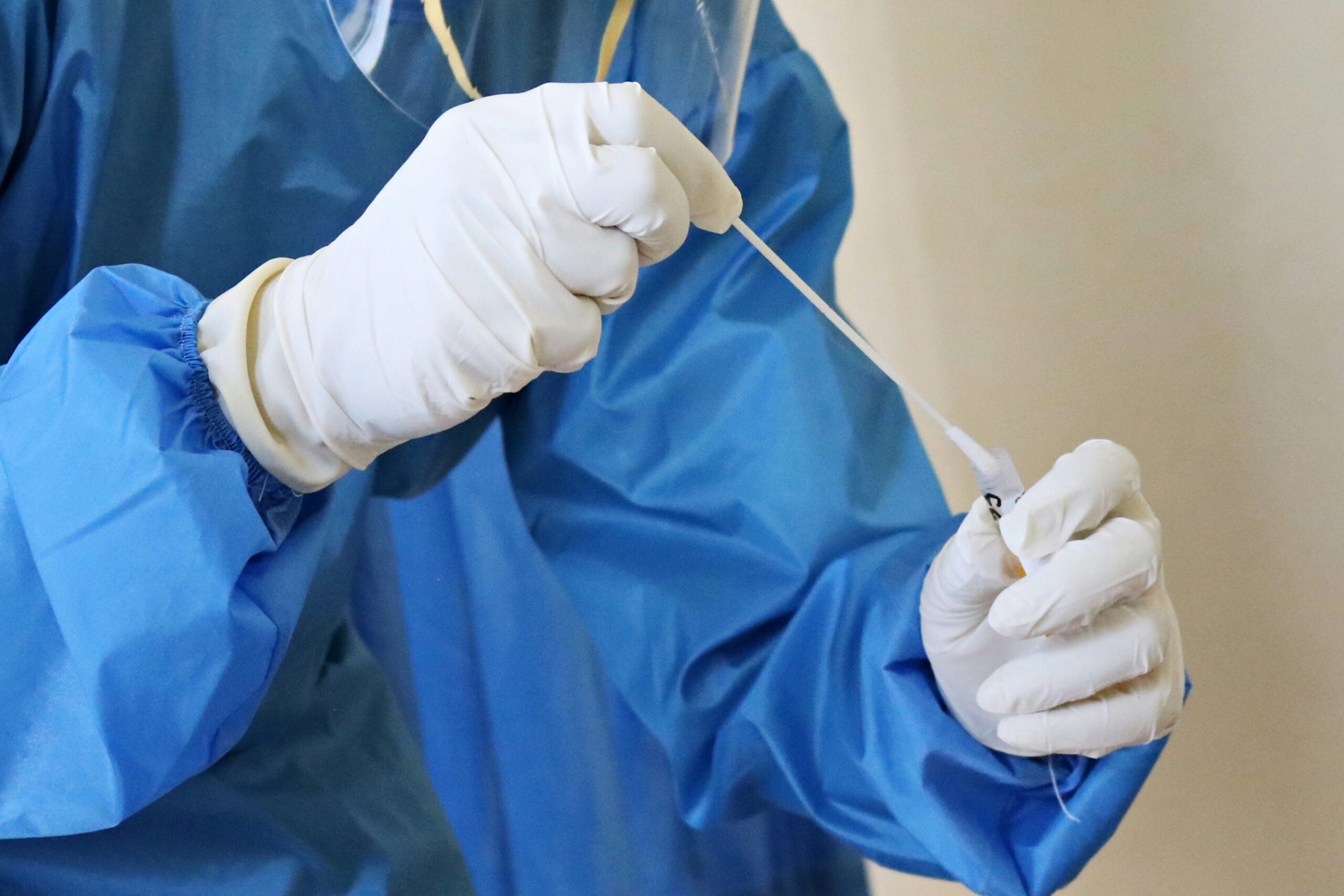
What Are the Common Signs of Nursing Home Neglect?

When we place our loved ones in nursing homes, we expect them to receive the care and attention they need. Unfortunately, nursing home neglect is a serious issue that can have devastating consequences for residents. In Florida, where the elderly population is significant, understanding the common signs of nursing home neglect is crucial to protecting your loved ones. This article exploresWhat Are the Common Signs of Nursing Home NeglectWhat Are the Common Signs of Nursing Home Neglect the various indicators of neglect, the impact on residents, and how Domnick Cunningham & Yaffa can help you seek justice and ensure proper care for your family members.


Understanding Nursing Home Neglect

Nursing home abuse occurs when caregivers fail to provide the necessary care, services, and attention that residents need. This neglect can be intentional or unintentional but results in harm or significant risk of harm to the resident. Neglect can affect various aspects of a resident’s life, including their physical health, emotional well-being, and overall quality of life.

Common Signs of Nursing Home Neglect

Recognizing the signs of neglect is the first step in protecting your loved ones. The following are some common indicators that a nursing home resident may be experiencing neglect:

Poor Personal Hygiene

One of the most noticeable signs of neglect is poor personal hygiene. Nursing home staff are responsible for assisting residents with daily activities such as bathing, grooming, and dressing. If your loved one appears unkempt, with dirty clothing, unwashed hair, or unpleasant odors, it may indicate that they are not receiving adequate personal care.

Unexplained Weight Loss

Significant or unexplained weight loss can be a sign of neglect. This may occur if the nursing home is not providing sufficient nutrition or if the resident is not receiving assistance with eating. Malnutrition and dehydration can lead to severe health problems and should be addressed immediately.

Bedsores (Pressure Ulcers)

Bedsores, also known as pressure ulcers, are injuries to the skin and underlying tissue caused by prolonged pressure on the skin. They often develop in residents who are bedridden or have limited mobility. Bedsores are preventable with proper care, including regular repositioning and maintaining clean, dry skin. The presence of bedsores can indicate neglect and inadequate attention to the resident’s needs.

Unsanitary Living Conditions

The living conditions in a nursing home should be clean, safe, and comfortable. Unsanitary conditions, such as dirty bedding, soiled clothing, foul odors, and cluttered living spaces, are clear signs of neglect. These conditions can lead to infections, illnesses, and a diminished quality of life for residents.

Emotional and Social Withdrawal

Neglect can also have a significant impact on a resident’s emotional and mental health. Signs of emotional neglect include depression, anxiety, withdrawal from social activities, and a lack of interest in hobbies or interactions with others. Emotional neglect can occur when residents are isolated, ignored, or not provided with opportunities for social engagement.

Untreated Medical Conditions

Nursing home staff are responsible for monitoring residents’ health and ensuring they receive appropriate medical care. Untreated medical conditions, such as infections, chronic illnesses, and injuries, can be a sign of neglect. If your loved one’s health issues are not being addressed or are worsening, it may indicate a lack of proper medical attention.

Frequent Falls and Injuries

Frequent falls and unexplained injuries, such as bruises, cuts, or fractures, can indicate neglect. Nursing homes should have safety measures in place to prevent falls and ensure that residents are supervised and assisted as needed. Recurrent injuries may suggest that staff are not adequately monitoring or assisting residents.

Medication Errors

Proper medication management is crucial for the health and well-being of nursing home residents. Medication errors, such as missed doses, incorrect dosages, or administering the wrong medication, can have serious consequences. These errors may indicate neglect or a lack of proper training and supervision of staff.

Impact of Nursing Home Neglect

Nursing home neglect can have severe physical, emotional, and psychological effects on residents. Physically, neglect can lead to malnutrition, dehydration, infections, chronic pain, and worsening of existing medical conditions. Emotionally and psychologically, neglect can cause feelings of abandonment, depression, anxiety, and a decline in overall mental health. The combination of these effects can significantly diminish a resident’s quality of life and even lead to premature death.

How Domnick Cunningham & Yaffa Can Help

If you suspect that your loved one is experiencing neglect in a Florida nursing home, it is essential to take immediate action. Domnick Cunningham & Yaffa have extensive experience handling nursing home neglect cases and can provide the legal support and guidance needed to protect your loved one’s rights. Here’s how they can help:

Case Evaluation

The attorneys at Domnick Cunningham & Yaffa will begin by evaluating your case to determine if there is evidence of neglect. They will review medical records, incident reports, and other relevant documentation. They will also speak with your loved one and any witnesses to gather as much information as possible.

Investigation

A thorough investigation is crucial to building a strong case. The firm will conduct an in-depth investigation into the nursing home’s practices, policies, and the specific circumstances surrounding the suspected neglect. This may involve interviewing staff, reviewing training records, and examining the facility’s compliance with state and federal regulations.

Legal Action

If evidence of neglect is found, Domnick Cunningham & Yaffa will take the necessary legal action to hold the nursing home accountable. This may include filing a lawsuit against the facility and any responsible parties. The goal is to secure compensation for your loved one’s suffering and ensure that the neglect does not continue.

Advocacy and Support

Throughout the legal process, the firm will provide compassionate support and advocacy for your loved one. They understand the emotional and financial toll that nursing home neglect can take on families and are committed to achieving the best possible outcome for their clients.

Prevention and Education

In addition to addressing specific cases of neglect, Domnick Cunningham & Yaffa are dedicated to preventing future incidents. They offer educational resources and support to help families recognize the signs of neglect and take proactive steps to protect their loved ones.

Contact Domnick Cunningham & Yaffa Today

Nursing home neglect is a serious issue that can have devastating consequences for elderly residents and their families. By understanding the common signs of neglect and taking swift action, you can help protect your loved ones from harm. Domnick Cunningham & Yaffa are dedicated to providing expert legal representation for victims of nursing home neglect. With their extensive experience and commitment to justice, they can help you navigate the complexities of a neglect case and secure the compensation your loved one deserves.

If you suspect that your loved one is a victim of nursing home neglect in Florida, don’t wait—contact Domnick Cunningham & Yaffa today to discuss your case and take the first step towards justice for your loved one.  Reach out to us at 561-516-5168 or book a consultation online to schedule a consultation and learn more about how we can assist you.

The post What Are the Common Signs of Nursing Home Neglect? appeared first on Domnick Cunningham & Yaffa.

What is the Difference Between Medical Negligence and Malpractice

In the intricate world of healthcare, the distinction between medical negligence and malpractice often confuses patients and healthcare providers alike. Understanding these terms is crucial, especially in Florida where the legal implications can significantly affect the outcome of medical litigation. At Domnick Cunningham & Yaffa, we are well-versed in Florida’s medical laws, provide expert guidance in navigating these complex legal territories. This article aims to clarify the differences between medical negligence and malpractice, shedding light on each concept’s unique aspects and their significance within the legal framework of Florida.

What is the Difference Between Medical Negligence and MalpracticeWhat is the Difference Between Medical Negligence and Malpractice

Defining the Terms

Medical Negligence refers to a healthcare provider’s failure to meet the standard of care that a reasonably competent provider would have met under similar circumstances. This lack of care can occur without malicious intent and often results from oversight, forgetfulness, or mistakes in judgment. The key element here is the absence of intent to harm.

Medical Malpractice, on the other hand, is a more specific term that not only includes the breach of the standard of care but also requires that this breach directly caused injury or harm to the patient. Malpractice claims often involve a higher degree of recklessness or negligence that had foreseeable harm, pointing to a deliberate disregard for the patient’s safety.

While all instances of medical malpractice include negligence, not all medical negligence is considered malpractice. The primary differentiator is the outcome—malpractice claims hinge on the negligence resulting in harm, whereas negligence alone may not lead to injury and thus may not always be actionable in court.

Legal Criteria for Medical Negligence and Malpractice in Florida

The legal landscape in Florida requires distinct criteria to be met for claims of medical negligence and malpractice to be considered valid in a court of law.

Medical Negligence: To establish a case of medical negligence in Florida, the plaintiff must demonstrate that the healthcare provider failed to act according to the accepted standard of care. This involves showing what a competent healthcare provider would have done under similar circumstances and how the defendant deviated from this standard.

Medical Malpractice: Establishing malpractice in Florida requires the plaintiff not only to prove the occurrence of negligence as defined above but also to demonstrate that this negligence caused significant harm or injury. This causation is the linchpin of malpractice litigation and often requires substantial medical testimony and evidence.

Intent and Knowledge: A significant aspect of distinguishing between negligence and malpractice in Florida lies in the intent and the provider’s awareness of the potential consequences of their actions. While negligence might stem from a lapse in following standard procedures, malpractice suggests a more serious level of oversight or disregard for patient safety.

How Domnick Cunningham & Yaffa Can Help

Domnick Cunningham & Yaffa bring their extensive experience in medical law to bear on behalf of clients facing both medical negligence and malpractice issues.

Understanding the difference between medical negligence and malpractice is crucial for anyone involved in or affected by medical care in Florida. Domnick Cunningham & Yaffa stand ready to provide expert legal advice and representation in these matters, helping clients to navigate the often complex legal pathways to recovery and justice. 

If you or a loved one has been impacted by what you suspect may be medical negligence or malpractice, contacting Domnick Cunningham & Yaffa for a consultation can be the first step towards understanding your rights and options.Reach out to us at 561-516-5168 or book a consultation online to schedule a consultation and learn more about how we can assist you.

The post What is the Difference Between Medical Negligence and Malpractice appeared first on Domnick Cunningham & Yaffa.

How long do most medical malpractice cases take in Florida?

When facing a medical malpractice claim in Florida, understanding the timeline and what to expect throughout the legal process is crucial for any patient or family member seeking justice. These cases are intricate, often involving detailed examination of medical procedures, patient care, and legal nuances. Domnick Cunningham & Yaffa, with our deep expertise in Florida’s medical malpractice laws, offer invaluable guidance and representation, helping clients navigate these complex waters with confidence and clarity.

Medical malpractice cases in Florida can vary widely in duration depending on numerous factors, including the complexity of the case, the availability of medical evidence, the specific legal requirements, and the strategies employed by both parties. 

How long do most medical malpractice cases take in FloridaHow long do most medical malpractice cases take in Florida

Understanding Medical Malpractice in Florida

Medical malpractice occurs when a healthcare professional deviates from the standard of care in their treatment of a patient, resulting in harm. In Florida, as in other states, proving medical malpractice involves establishing that the healthcare provider acted negligently and that this negligence directly caused significant injury or harm.

Types of Medical Malpractice: Common types of medical malpractice claims in Florida include misdiagnosis, surgical errors, improper treatment, medication mistakes, and failure to warn a patient of known risks. Each type presents unique challenges and requires a thorough investigation into the medical records and the standards of care expected in similar situations.

Statutory Requirements: Florida law sets specific guidelines for medical malpractice claims, including a statute of limitations which dictates that lawsuits must be filed within two years from the time the incident was discovered, or should have been discovered, but no more than four years from the actual incident. Additionally, Florida requires a pre-suit investigation to be conducted, including a notice of intent to sue and a preliminary affidavit from a qualified medical expert confirming that there is a valid basis for the claim.

These legal and procedural requirements underscore the importance of consulting with a knowledgeable attorney early in the process. Domnick Cunningham & Yaffa’s specialize in medical malpractice claims and are well-versed in the nuances of Florida law, ensuring that all preliminary steps are handled correctly and efficiently.

What is the Process for Medical Malpractice Cases?

Navigating a medical malpractice lawsuit in Florida involves several critical steps, each requiring meticulous attention to legal and procedural details. Domnick Cunningham & Yaffa excel in managing these stages to optimize outcomes for their clients.

Initial Consultation and Case Evaluation: The first step in pursuing a medical malpractice claim is a thorough consultation with a law firm experienced in such matters. At Domnick Cunningham & Yaffa, the initial consultation involves evaluating the facts of the case, the medical records, and the potential legal strategies that could be employed. This stage is crucial for building a strong foundation for the case.

Filing the Lawsuit: Once a case is deemed viable, the next step is the formal filing of a lawsuit. In Florida, this follows a mandatory pre-suit investigation period, during which the claimant must notify the alleged negligent party and provide them with an opportunity to respond. Domnick Cunningham & Yaffa expertly handle these requirements, ensuring that all necessary documentation and preliminary affidavits are in order.

Statutory Requirements: Florida’s medical malpractice statutes require specific procedures to be followed before a lawsuit can officially commence. These include submitting a notice of intent to sue, accompanied by an affidavit from a medical professional attesting to the merit of the case. Domnick Cunningham & Yaffa have a network of medical experts who can provide these critical affidavits, supporting the claim’s validity from the outset.

Key Steps in the Lawsuit: After the pre-suit requirements are met, the case moves into more active phases including discovery, where both parties exchange relevant information and documentation, and pre-trial negotiations. Many medical malpractice cases are settled during pre-trial negotiations, which can be a quicker resolution than going to trial. However, if a settlement is not reached, the case will proceed to trial, where the arguments will be presented before a judge or jury.

Throughout this process, Domnick Cunningham & Yaffa will maintain close communication with our clients, keeping them informed and prepared for each step. Our meticulous preparation and robust representation are key in navigating the complexities of medical malpractice litigation, aiming to secure the best possible outcome for their clients.

Factors Influencing the Duration of Medical Malpractice Cases

The duration of medical malpractice cases in Florida can vary significantly based on several key factors. Understanding these factors can help set realistic expectations for clients as they navigate through these often lengthy and complex proceedings.

Complexity of the Case: The nature of the medical error and the complexity of the medical evidence can significantly affect the timeline. Cases involving multiple healthcare providers or intricate medical procedures often require extensive review by medical experts and can lead to prolonged legal battles. Domnick Cunningham & Yaffa leverage their relationships with respected medical experts to efficiently gather and analyze necessary evidence, helping to clarify intricate medical issues and strengthen the case.

Gathering of Medical Evidence: Thorough and effective collection of evidence is crucial and can be time-consuming. This includes obtaining medical records, expert testimonies, and other pertinent documentation. Domnick Cunningham & Yaffa’s experienced legal team ensures that all evidence is meticulously collected and prepared, which is vital for building a strong argument yet can extend the timeline.

Impact of Florida’s Malpractice Laws: Florida’s specific pre-suit requirements, including mandatory mediation attempts before a lawsuit can proceed, play a significant role in the timeline. These laws are designed to reduce frivolous claims and encourage settlements out of court but can add layers to the pre-trial process. Domnick Cunningham & Yaffa’s deep understanding of these regulations ensures that all legal prerequisites are handled efficiently and correctly, potentially saving time later in the process.

Role of Negotiation and Mediation: The willingness of both parties to negotiate and the effectiveness of mediation sessions greatly influence the duration of a case. Many medical malpractice claims are resolved through settlements negotiated out of court, which can be quicker than going to trial. Domnick Cunningham & Yaffa are adept at negotiating favorable settlements, often expediting resolution and reducing the emotional and financial strain on their clients.

Typical Timeline for Medical Malpractice Cases in Florida

Navigating a medical malpractice case in Florida involves multiple stages, each with its own expected duration. While the specific timeline can vary based on the factors previously discussed, a general overview provides a helpful guide.

Pre-Suit Investigation and Notification: Before a lawsuit can be officially filed, Florida law requires a pre-suit investigation period, which lasts 90 days. During this time, the claimant must notify the alleged negligent healthcare provider of the intent to file a lawsuit. This notification must include an affidavit from a medical expert, supporting the claim. Domnick Cunningham & Yaffa manage this phase with precision, ensuring that all legal requirements are meticulously met to avoid any delays.

Filing the Lawsuit: Once the pre-suit requirements are completed, the lawsuit can be officially filed. The filing marks the beginning of the case, which then moves to the discovery phase. This phase can last from several months to a year or more, depending on the complexity of the case and the amount of evidence to be examined.

Discovery Phase: During discovery, both parties exchange information and evidence related to the case. This is a critical phase where medical records, expert testimonies, and other pertinent documents are shared and scrutinized. Domnick Cunningham & Yaffa are thorough in their preparation and defense during this stage, ensuring that all relevant materials are compiled and any additional investigations are conducted efficiently.

Mediation and Negotiation: In many cases, mediation or negotiation can occur concurrently with discovery or shortly after its completion. These negotiations may lead to a settlement, which can significantly shorten the overall duration of the case. Domnick Cunningham & Yaffa are skilled negotiators, often securing favorable settlements for their clients without the need for a trial.

Trial: If a settlement is not reached, the case will proceed to trial. A trial in a medical malpractice case can last from a few days to several weeks, depending on the complexity of the issues and the availability of court schedules. Trials are unpredictable, and as such, they represent a variable that can extend the timeline of a case considerably.

Post-Trial Motions and Appeals: Even after a verdict is reached, there may be post-trial motions or appeals, which can extend the case duration by months or even years. Domnick Cunningham & Yaffa provide comprehensive legal representation through all stages, including any necessary appeals, advocating tirelessly on behalf of their clients.

Contact Domnick Cunningham & Yaffa Today

Medical malpractice cases in Florida are complex and require a deep understanding of both medical and legal nuances. The timeline of these cases can vary significantly, influenced by the complexity of the case, the thoroughness of evidence collection, mandatory pre-suit requirements, and the strategies of negotiation and mediation. Each stage, from the pre-suit investigation to potential appeals post-trial, demands careful attention and skilled legal maneuvering.

Domnick Cunningham & Yaffa are leaders in the field of medical malpractice litigation in Florida. With our expert legal team, we can guide clients through each step of the process, ensuring that all procedural requirements are met with precision. Our commitment to securing the best outcomes for our clients involves meticulous preparation, aggressive negotiation, and, when necessary, vigorous representation in court.

Clients of Domnick Cunningham & Yaffa can expect a partnership that values clear communication, transparency, and a personalized approach to each unique situation. By entrusting your case to them, you gain not just a legal representative but a dedicated advocate who will fight for your rights and your future. Reach out to us at 561-516-5168 or book a consultation online to schedule a consultation and learn more about how we can assist you.

The post How long do most medical malpractice cases take in Florida? appeared first on Domnick Cunningham & Yaffa.