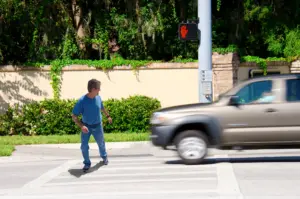
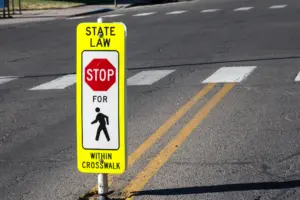
11 Questions to Ask a Sexual Assault Lawyer

Reaching out to a lawyer after experiencing sexual violence is never easy. Many survivors are still processing the trauma, caring for their physical and emotional well-being, and seeking necessary medical attention, all while handling the heavy weight of what happened. It is completely normal to feel uncertain about the next steps or hesitant to share your experience with someone else during this time.

If you are trying to decide whether to pursue criminal charges or understand your legal rights, asking the right questions will provide some clarity during such a difficult time in your life. These conversations will not only go over legal strategy, but they will ensure your story is heard, your boundaries are respected, and the perpetrator is held responsible for the harm they caused. 

As a sexual assault victim, you deserve a lawyer who listens without judgement, explains matters with care, and supports you from start to finish. To learn how to hire the right one, you should consider asking important questions that will make you feel comfortable selecting them as your legal representative.

1. How Long Have You Been Handling Sexual Assault Cases? 

The word 'Experience' highlighted in green.

It is important to know how long a lawyer has been working with survivors of sexual assault, sexual harassment, and sex abuse. This is because certain cases that involve trauma can be complex and sensitive. Affected individuals are encouraged to ask attorneys if they have any experience with both criminal and civil lawsuits.

Criminal cases are sought out by local authorities and prosecutors in court, seeking to hold perpetrators accountable for crimes, like rape (Penal Code § 261), sexual battery (PC § 243.4), sexual acts with minors (PC § 288), or sexual harassment (California Government Code § 12940). Civil cases focus on lost wages, medical bills, and emotional distress.

Knowing that your attorney has helped victims in both criminal proceedings and civil court will show their ability to navigate the complications of the law and help survivors seek justice, fair compensation, and closure.

2. What Types of Sexual Assault Cases Do You Typically Handle?

A man putting his hand on a woman's leg.

Sexual assaults occur in public and private settings, more specifically in workplaces, schools, institutions, and even in online environments. An experienced attorney should be able to take on:

  • Criminal cases, where they hold the perpetrator responsible in court. This involves working closely with police and other authorities.
  • Civil cases, where the alleged victim can submit a claim to recover lost wages, medical bills, and psychological harm.
  • Cases pertaining to sexual harassment, workplace misconduct, or inappropriate sexual behavior that may not meet the level of a criminal offense, but will still require legal action.

This question will help you figure out whether the lawyer’s experience fits with the specific type of harm you or a loved one experienced, and if they would be able to understand the unique challenges survivors may undergo.

3. What Is Your Success Rate or Track Record in Cases Like Mine? 

An attorney holding a folder and talking to a client.

A survivor will need to know whether an attorney has extensive experience managing sexual abuse cases, especially if it involves trauma, credibility complications, and sensitive sexual behavior evidence. When sexual assault occurs, the legal process can be intimidating, and choosing an experienced lawyer with a strong background will help ensure the victim of sexual assault does not become re-traumatized during criminal proceedings or a civil case.

A proven track record will show how often the lawyer helped survivors of sexual violence seek justice, hold a perpetrator accountable, or get fair compensation on the victim’s’ behalf. When it comes to criminal court, success may involve guiding cases to a conviction beyond a reasonable doubt. Whereas in a civil lawsuit, the outcome should consist of recovering damages for therapy, lost wages, medical bills, and long-term emotional distress.

Since sexual abuse can be deemed as a serious crime, knowing an attorney’s history will ensure you are choosing someone who has the skill and experience needed to better your likelihood of acquiring the justice and compensation you deserve.

4. What Are My Legal Options in This Situation?

An empty courtroom.

If you are a sexual assault victim, you may have legal options available depending on the situation. Criminal cases are brought by the government through police and prosecutors to determine whether crime was committed and to ensure the perpetrator is held accountable. Such cases will require proof beyond a reasonable doubt in criminal court, and the outcomes may involve jail time, fines, probation, and other penalties.

A civil case is initiated by the sexual assault victim themselves to seek fair compensation for the harm suffered. These are decided in civil court and will require a lower standard of proof. Filing this type of case will not result in criminal punishment, but can consist of financial recovery and recognition of the victim’s legal rights. Survivors may pursue both simultaneously in order to hold the perpetrator legally accountable and to address the harm caused.

Throughout this process, survivors may also reach out to the National Sexual Assault Hotline, which is run by the Rape, Abuse & Incest National Network (RAINN). They provide a free and confidential consultation to seek emotional support and guidance while you navigate your legal options. You can reach them by calling (800) 656-HOPE, starting an online chat, or texting HOPE to 64673.

5. How Long Do Cases Like Mine Usually Take to Resolve? 

A statue of Lady Justice in front of a clock.

Criminal cases and civil lawsuits can take much longer than expected to settle. When a person reports that they were sexually assaulted, the process may involve ongoing investigations, evidence collection, witness interviews, and even court delays. Timing will also be affected by the following elements:

  • Medical evaluations
  • Documentation of bodily harm
  • Proving personal injury
  • Negotiation settlements
  • Scheduling backlog
  • Whether the perpetrator contests the charges

Understanding the duration of the case can help survivors manage expectations, prepare for a long process, and stay connected to support resources that will help them maintain symptoms of emotional distress or post-traumatic stress disorder (PTSD).

6. What Challenges Do You Anticipate in My Case? 

An attorney going through evidence.

Asking this will help you learn whether your lawyer is being realistic and strategic. Sexual abuse cases will typically consist of the following challenges:

  • Delayed reporting
  • Lack of evidence
  • Denial of wrongdoing

An experienced lawyer should be able to understand the unique challenges that come with proving a serious crime, like rape or sexual assault. If they cannot anticipate potential obstacles along the way, it may indicate their lack of expertise in the matter.

7. How Will You Keep Me Updated About My Case? 

This matters because communication will directly affect a survivor’s sense of safety and control. Updates ultimately help victims understand what steps are being taken to hold the perpetrator responsible, manage expectations during court delays, and maintain trust with the legal team. Consistent communication is even more important when dealing with the following events:

A person dialing the phone.

  • Initial meeting with law enforcement
  • Major filing deadlines
  • Hearing dates
  • Settlement offers
  • Pre-trial conferences

A lawyer should be detailed about when they will reach out to you, how often updates will be given, and how available they are to answer any questions you may have in regards to your legal rights.

8. Who Else in Your Office Will Be Handling Aspects of My Case? 

WCTL office staff in the office.

This is asked to understand exactly who will be involved in your legal matter. Many sexual abuse cases require more than one professional. When a survivor seeks justice for being sexually assaulted, multiple people in the office can help gather evidence, communicate with police, prepare filings, and guide the survivor through the trial process. Knowing the full team will help you build trust and ensure you know who is handling sensitive information.

9. Do You Handle Cases on a Contingency Basis, Hourly Rate, or Flat Fee?

Definition of Legal fees.

Many lawyers manage sexual assault cases on a contingency-fee basis, meaning you do not have to pay anything unless the firm wins your lawsuit and recovers damages. This allows survivors to pursue justice without having to worry about any financial barriers. Getting clarity on legal fees ensures transparency and prevents added stress to what the victim is already dealing with.

10. Can You Connect Me With Counseling Or Support Services if Needed?

A sad woman being consoled by a doctor.

Survivors may experience PTSD, anxiety, or depression after being sexually assaulted, abused, or otherwise harmed. A responsible attorney would be able to connect you with trauma-focused therapists, the national sexual assault hotline, or local crisis response teams. Asking this question will also show whether the firm values such care beyond the courtroom. Support services will help survivors seek emotional support, and maintain stability during the legal process.

11. How Do You Help Protect My Privacy During the Legal Process? 
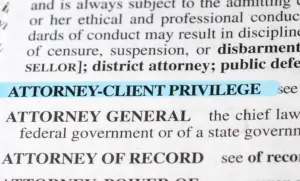
A definition of Attorney Client Privilege.

A survivor should know how the firm will protect medical files, therapy notes, and identifying information that could otherwise show up in public records. Privacy protections may involve:

  • Filing motions to seal documents
  • Limiting disclosure of mental health information
  • Ensuring safe communication channels
  • Advising you before you communicate with police or local authorities

Privacy protections influence your willingness to move forward and your ability to engage in the process without fear in mind. Asking such questions will ensure the lawyer prioritizes discretion, understands the sensitivity of sexual assault cases, and has a plan to keep vulnerable information out of the public eye as you seek justice.

West Coast Trial Lawyers Represents Survivors of Sexual Assault

A row of lawyers from WCTL.

Facing the decision to take legal action after assault or abuse is challenging. Our sexual assault attorneys at West Coast Trial Lawyers are here to provide guidance, protect your well-being, and ensure the perpetrator is held responsible for their actions. We are here to make sure your voice is heard. 

Contact us today to schedule a FREE consultation by calling (213) 927-3700 or completing our quick online contact form to start your case.

The post 11 Questions to Ask a Sexual Assault Lawyer appeared first on West Coast Trial Lawyers.

What is California’s Statute of Limitations [An In-Depth Guide]

Knowing how long you have to file a claim in California is one of the most important parts of protecting your right to recover compensation. The state has strict deadlines established with seeking legal action, and missing them can prevent you from pursuing your case no matter how serious your injuries may be or how clearly the other party was accountable for the incident. These timelines can also differ based on the type of accident, who was involved, and whether any exceptions apply, leaving victims unsure about what their actual filing window is. Having a clear understanding of these rules can make a big difference in whether your claim succeeds.

What Is the Statute of Limitations?

A book titled 'Statute of Limitations'.

In California, the statute of limitations is a law that sets the maximum period of time within which a person is entitled to file a lawsuit or bring charges after an event happens. When the deadline expires, the claim is barred, meaning courts will not accept the case. The appropriate timeframe will depend on the type of claim, whether it is personal injury, property damage, or contract dispute. 

What Are the Time Limits for Personal Injury Claims in California?

A lawsuit form with a pair of glasses and a book next to it.

Injuries caused by someone else’s negligence, whether it be from car accidents or slip and falls, will need to be brought quickly since physical evidence, medical records, and witness recollection can fade over time. The limitations period will be two years to file a claim against the at fault party to recover compensation under California Code of Civil Procedure § 335.1.

In addition, if the accident has caused a fatality, then the timeline to file for wrongful death cases will be treated similarly to personal injury because evidence, like medical records, cause of death, and accident details are all time sensitive. Under California Code of Civil Procedure § 377.60, surviving family members are allowed two years from the date of the victim’s passing to pursue legal action. 

What if a Government Entity Caused the Accident?

A pink highlighter highlighting the word 'government' in a dictionary.

Claims against government entities will follow a stricter timeline. Prior to filing a lawsuit, a formal claim will need to be submitted within six months of the incident. If you are unable to fulfill this legal obligation, you will be restricted from filing a lawsuit as per California Government Code §§ 911.2 and 945.6). In addition, certain types of injuries, particularly those that are caused by sexual abuse, will have unique deadlines that will differ from general rules. 

Because of these variations, it is important for victims to know specific deadlines and whether they apply to your situation. Promptly submitting your claim will ensure your rights are protected and you do not miss any important filing windows. Consulting with a knowledgeable personal injury attorney can help you determine what your timeline is based on the factors associated with your situation. 

How Long Do You Have to File a Property Damage Lawsuit in California?

A person making a report for a car accident.

The limitations period for property damage will be three years beginning on the date of damage, or when it was reasonably discovered. This applies in cases where your home, vehicle, or personal belongings suffered harm due to the negligent actions of someone else. The three-year period derives from CCP § 338(b). If the property damage was not immediately discovered (as a result of hidden structural damage), the discovery rule may apply. This means that the clock will start on the date you learned about the damages rather than on the specific day your personal property was affected.

What Is the Statute of Limitations for Breach of Contract Cases?

A torn contract.

While the statute of limitations for breach of contract cases will depend on several circumstances, mostly whether the contract was written or oral, California treats both forms of agreements differently under the same law.

For written contracts, you will have four years from the date the breach happened to file a lawsuit, as mentioned in CCP § 337. This applies to agreements, like leases and service agreements. Meanwhile, for oral contracts, the statute of limitations is much shorter, as it will start two years from the date the breach occurred (CCP § 339). 

Factors, like the type of arrangement and the timing of the breach, can influence when the clock begins. Usually, the period will begin when a party fails to fulfill their legal obligations under the contract, not necessarily when the breach has been discovered. It is important to act within the timeframe since filing a claim after the deadline will prevent the court from hearing your case.

How Does the Statute of Limitations Vary by Type of Case?

A judge hearing out two attorneys with their motions.

California’s statute of limitations will vary case by case because different legal claims will require unique timeframes for evidence preservation, fairness, and judicial efficiency. Each of these will have its own level of complexity, potential for delayed discovery, and societal interest in resolving disputes in a prompt manner. Here is how and why certain deadlines will differ:

  • Medical malpractice: Injuries from medical malpractice do not always show up right away, because California uses the “discovery rule,” giving you one year from the date you knew, or reasonably should have known, that malpractice occurred to submit a claim. However, there is also a hard cap of three years from the date the negligent act happened, even if you discover the problem later on. The only exception to this three-year statute are cases that involve fraud, intentional concealment, or a foreign object left in the body. These specific factors can extend the filing deadline (CCP § 340.5).
  • Fraud: California’s Civil Code of Procedure 338(d) sets a three-year statute of limitations for fraud, but because of the delayed discovery rule, the clock does not always begin when the fraud happens. It will, instead, start when the victim learns about, or reasonably should have known about, the fraud, meaning plaintiffs will need to act diligently once they suspect wrongdoing to benefit from such tolling. If the defendant is actively trying to hide the fraud, the statute can be extended until the victim actually discovers it.
  • Sexual crimes: In California, the statute of limitations for sexual abuse will differ based on the victim’s age, severity of the offense, and whether the case is civil or criminal. Most adult felony sexual crimes will usually have a 10-year limit (California Penal Code § 801.1), though recent laws, like Assembly Bill 2777, provide a temporary revival window for certain civil claims involving survivors. Child sexual abuse cases will have no statute of limitations for civil actions if the incident happened on or after January 1, 2024. The survivor may file a lawsuit at any time with no expiration date included (PC § 340.1), previously capped at age 40 or 5 years after discovery. Since these rules can be complex, a California sexual assault attorney can help you understand your rights and options.

Are There Exceptions That Can Extend or Shorten the Statute of Limitations?

Specific circumstances can extend or shorten the statute of limitations for civil claims depending on the type of case you have. For instance, delayed discovery can add onto the deadline. If an injury, damage, or breach was not immediately detected, the clock may start from the date the harm was, or reasonably should have been, discovered. Certain scenarios that can affect the duration of pursuing legal action include the following:

A close up of the personal injury law logo on a book.

  • If the individual is under 18 or legally incapacitated, the time limit may be paused until they are of age or regain the ability to act on their own behalf.
  • For claims against a government agency, an administrative claim must be submitted within six months before filing a lawsuit. Missing this deadline can prevent you from recovering compensation for the losses you endured.
  • Some offenses may be punishable by life imprisonment or serious felonies will have longer statutes set in place or no limitations at all under the California criminal statute structure.

The statute of limitations can be tolled under several circumstances, meaning the clock may pause before time passes again. These tolling rules apply in civil and criminal statutes depending on the situation. An attorney can help determine whether your deadline is paused or extended after reviewing your case.

What Happens if a Lawsuit Is Filed After the Statute of Limitations Has Expired?

A Release of Liability form.

If a civil lawsuit or an attempt to bring charges is made after the statute of limitations has expired, the court will have it dismissed. In criminal matters, prosecutors will not proceed with filing criminal charges once the deadline has been passed, unless the offense falls under the no time limit category or qualifies for an exception.

For defendants, the statute of limitations stops the government from bringing criminal charges after too much time passes, particularly when evidence gets old and memories start to fade. If prosecutors try to proceed after the deadline, criminal defense attorneys will typically argue that the clock has run out.

There are a few exceptions, however, with specific offenses that have longer statutes or situations where the clock has paused because of tolling rules. But, the main idea remains the same. If the time limit is over, the case generally cannot move forward. Courts can also look at whether long delays were unfair to the defendant, which can add another layer of protection against state claims.

Not Sure How Long You Have to File a Claim? Call West Coast Trial Lawyers Today

A row of lawyers from WCTL.

If you are uncertain about your timeframe for pursuing legal action, it is important to understand that each case has its own deadline, and missing that window can prevent you from acquiring compensation. Many people are not aware of their timeline because rules will vary depending on the type of accident and who was involved.

To learn how to proceed with your case, you can reach out to West Coast Trial Lawyers. Our California personal injury attorneys are readily available to assess your situation and determine the statute of limitation that may apply.

Reach out to us today to schedule a FREE consultation by calling (213) 927-3700 or completing our quick online contact form.

The post What is California’s Statute of Limitations [An In-Depth Guide] appeared first on West Coast Trial Lawyers.

What Is the Statute of Limitations in Washington State

When you’re hurt, it’s normal to focus on doctors, bills, and getting back to work. But there’s a clock running in the background: the statute of limitations. It’s the deadline to start your case. If you miss it, a judge can throw out even a strong claim. This guide will explain the basics in Washington, how the clock can pause (tolling), and the special rules that catch people by surprise.

If you want help building the paper trail while you heal, this checklist on what documentation really moves an injury case will keep you organized without a ton of effort.

What Is a Statute of Limitations and Why It Matters

A book titled 'Statute of Limitations'.

The Statute of Limitations is a legal rule that determines how long you have to file a lawsuit. According to state law, most Washington injury cases (car accident, premises liability, dog bite, etc.), the deadline is three years. For intentional acts (assault, defamation, false imprisonment), it’s two years. With that in mind, since different claims have different deadlines, it is vital for accident victims to begin the legal process as soon as possible so they do not go over the limit. 

An Overview of Legal Deadlines in Washington State

A sign of Washington State.

  • Injury/negligence (car crash, slip-and-fall, dog bite): 3 years (RCW 4.16.080(2))
  • Intentional torts (assault, defamation, false imprisonment): 2 years (RCW 4.16.100)
  • Medical malpractice: 3 years from the negligent act or 1 year from discovering it—whichever is later—plus an 8-year outer cap (statute of repose). A written, good-faith mediation request can pause the clock for 1 year (RCW 4.16.350)
  • Products liability: 3 years from discovery of the harm/cause, with a 12-year “useful safe life” presumption that can bar older-product claims 
  • (RCW 7.72.060)
  • Wrongful death/survival: typically 3 years from date of death (but confirm which underlying theory applies—med-mal/products rules may control) (RCW 4.16.200)
  • Childhood sexual abuse (major 2024 update): for abuse on or after June 6, 2024, no time limit to bring civil claims based on intentional conduct (RCW 4.16.340 as amended)

If you’re juggling medical appointments, this short read on medical treatment after a crash—what to expect and why consistency matters can help keep your timeline clean.

When the Clock Starts (Accident Day vs. Discovery)

A close up of a clock.

  • Most everyday injuries (car crash, fall, obvious dog bite): you know you’re hurt and why that day, so the clock effectively starts at the incident.
  • Some claims use the “discovery rule.” In products and medical cases, the clock may start when you knew or reasonably should have known both the injury and its cause—not necessarily the day it happened.

Products example: You develop a problem years after using a device. You generally have 3 years from discovery to sue, but there’s also that 12-year “useful safe life” presumption that can bar older claims unless you can overcome it.

If your case involves a vehicle, don’t forget modern cars and trucks store data. Our primer on truck “black boxes” (EDRs) and how we preserve that evidence explains why early letters matter—even for regular passenger vehicles.

What is Washington’s 90-Day File/Serve Rule

A close up of a lawsuit paperwork and a gavel.

In Washington, when a case is “commenced” for tolling when you either file the complaint or serve the defendant. Whichever one you can do, you must do the other within 90 days. If you don’t, the law treats it as if you never started the case, and the statute can expire while you thought you were safe.

Example: You file on day 1 to beat the deadline, then forget to serve. If you don’t get the service done within 90 days, your “timely” case expires.

A simple way to avoid this is to plan service the day you file. If you’re new to claim logistics, skim this practical piece on how to deal with insurance adjusters so claim calls don’t distract you from lawsuit deadlines.

Are There Any Exceptions to Washington’s Statute of Limitations

A closeup of a Personal Injury Law symbol.

Washington pauses (also known as ‘tolling’) the limitations period if a person is a minor (under 18) or legally incapacitated and the clock starts (or restarts) when the disability ends. Time can also be tolled if a defendant is out of state or is concealing themselves after your claim accrues. These are fact-heavy issues and it is vital to document what you can (travel records, skip-tracing notes, etc.). If you’re tracking proof, this guide to preserving surveillance video and getting a copy of a police report will save you time.

Special Rules You Don’t Want to Miss

A row of books with the scale of justice in front.

Medical Malpractice (RCW 4.16.350)

File within 3 years of the negligent act or within 1 year of discovering the cause—whichever is later—but there’s an 8-year outer cap. A written, good-faith request for mediation can toll the statute for 1 year. In practice, we calendar every possible deadline and work from the earliest.

Childhood Sexual Abuse (RCW 4.16.340)

For abuse on or after June 6, 2024, Washington imposes no time limit for civil claims based on intentional conduct. Earlier acts are generally governed by discovery-based rules.

Construction and Real-Property Claims (RCW 4.16.310)

There’s a 6-year statute of repose running from substantial completion or termination of services. This can cut off claims even if you discover the problem later.

Are Claims Against Government Entity Different?

A pink highlighter highlighting the word 'government' in a dictionary.

If a government entity was responsible for causing the accident in question, accident victims are able to file a claim against them. However, before you can sue you must present a claim to the Office of Risk Management and wait 60 days. The statute is tolled during that 60-day wait, and a case filed within five court days after the wait is treated as timely presented.

If your incident involved police response or a city location, grab the incident paperwork early. Here’s a quick walkthrough on getting police reports without the runaround.

Insurance Deadlines vs. Lawsuit Deadlines

A man looking stressed while looking at paperwork.

Your insurance claim and your lawsuit are separate timelines. For example, a UIM/UM claim against your own insurer is typically treated like a written contract, which uses a six-year period (often running from the breach/denial, not the accident). Policy language can create shorter practical timelines (notice, proof-of-loss, arbitration windows), so read it and calendar those too.

Learn the “do and don’t” basics here: how to handle adjusters. For expectations on pacing, this explainer on how long settlements take is honest about what speeds things up (and what doesn’t).

What to Do Now if You Have Been Involved in an Accident

A woman on the ground in pain and another person coming to help.

  1. Calendar the earliest possible deadline– Set reminders for 6 months, 90 days, and 30 days before it.
  2. Identify every potential defendant (correct legal names; registered agents)– Plan to serve when you file—don’t risk the 90-day trap.
  3. Preserve evidence right away– Photos, video, incident reports, medical records, product labels/serials, and any vehicle data. If there were cameras nearby, this guide shows you how to lock down surveillance video.
  4. Open insurance claims– However, it is vital to remember that insurance clocks and lawsuit clocks are different.
  5. Keep your paper trail clean with this simple documentation checklist.

If any of that feels intimidating, it’s completely normal. In fact, accident victims can lessen their stress by hiring an experienced personal injury lawyer and they will be more than happy to handle these issues for you. If you want to sanity-check your case plan, here are a few practical reads: questions to ask a lawyer, how to find an excellent lawyer, and how contingency fees work so you’re not worrying about hourly bills.

Call West Coast Trial Lawyers Today

A row of lawyers from WCTL.

Understanding the statute of limitations is one of the most important steps in protecting your right to compensation after an accident. As Washington gives most injury victims two to three years, but special rules can shorten or pause that time—government claims, med-mal, products, minors, defendants who vanish, and the 90-day file/serve requirement after you start the case. If you’re even a little unsure which deadline applies, that’s your sign to get specific advice.

West Coast Trial Lawyers is an experienced personal injury law firm who give accident victims the legal representation and guidance. If you want someone to own the timeline, protect evidence, and keep you off the adjuster’s script while you focus on treatment, we can help. We’ll map your deadlines, send the right notices, and lay out the two or three steps that actually help!

Contact us today to schedule a FREE consultation by calling (213) 927-3700 or completing our quick online contact form to start your case.

The post What Is the Statute of Limitations in Washington State appeared first on West Coast Trial Lawyers.

How to Get a Phoenix Police Accident Report (Step-by-Step Guide)

If you were in a collision in Phoenix, your police accident report is the document insurers and attorneys look at first. It captures who was involved, where it happened, officer observations, citations, diagrams, and witness details. 

However, sometimes getting a police report can be a confusing process, especially if you are unfamiliar with the process. Below is a straightforward way to get it whether its online, in person, or by mail, plus what to do when the portal says “no record,” how to request a certified copy, and how to fix errors that can hurt your claim.

Why You Need a Phoenix Police Report After an Accident

An Accident Report.

A Phoenix police report is one of the most important pieces of evidence you can have after a car accident. It provides an official, unbiased record of what happened—including driver information, witness statements, road conditions, and any traffic violations. Insurance companies rely heavily on these reports, and without one, they’re more likely to dispute fault, question your injuries, or delay your claim.

Arizona law (A.R.S. § 28-667) also requires a crash report for accidents involving injury, death, or $2,000+ in property damage, so having one ensures you’re complying with state requirements. A police report helps preserve details while they’re fresh, prevents “he-said, she-said” conflicts, and gives your attorney powerful documentation to support your case.

In short: if you’re in a Phoenix crash, always get a police report—it protects your rights, strengthens your injury claim, and speeds up the entire insurance process.

Who Can Request the Report

Any involved party (driver, passenger, vehicle owner) or a lawful representative such as your insurer or retained attorney can request the report. When in doubt, include proof of involvement and, if you are a representative, a brief signed authorization from the person involved. Phoenix’s official guidance confirms eligibility and required documentation.

What’s Inside Your Phoenix Accident Report

A close up of a police car accident report.

Expect a face sheet with date, time, and location; party and vehicle info; a diagram with directions of travel and impact points; an officer narrative; contributing factors and citations; and any noted injuries or EMS transports. Read it like an adjuster would: does the diagram match the scene, do stated impacts match damage, and are contributing factors consistent with the facts? If something critical is missing, like a witness phone number, ask for a supplement.

The Fastest Way: Order Online

For most people, the quickest route is the Phoenix Police Public Records portal. You’ll search by report or incident number, date and location, or party name, then pay a small fee to download a PDF. Use exact spelling and street directions (E, W, N, S) to improve matches. If your case was handled by a state trooper on a freeway, try the Arizona DPS Records Request Portal instead.

A blond woman ordering a report online while looking at a paper.

You’ll Need:

  • Report or incident number (best), or crash date/time and precise location
  • Your name and contact info
  • Proof you’re a party or representative (you can upload it during the request if asked)

Pro Tip: Save the PDF with a clear name and date like (Ex. Phoenix_Crash_Report_2025-03-18_Last Name.pdf) and back it up.

If the Portal Says “No Record Found”

If the portal does not find any record of the accident, don’t panic, this usually means the report isn’t uploaded yet or your search terms don’t match the case fields.

A blond woman looking stressed at her computer.

Try this, in order:

  1. Search by the incident/report number only (no names).
  2. Expand your date range and double-check street prefixes and directions.
  3. Wait 2–3 business days and re-check.
  4. Call the Records Unit with your incident number to confirm status or to see if a basic face sheet is available now. Phoenix PD’s public records page lists the latest contact details and hours.

If your crash happened on a freeway and DPS investigated, the report may be posted through the state Arizona DPS Records Request Portal instead of the city portal.

Alternative Ways to Get Your Police Report: In Person or by Mail

Prefer paper, or need a raised-seal certification? You can request at the counter or by mail through Phoenix PD’s Public Records and Services page, which lists current hours, address, and contact details. Certified copies cost a bit more and take longer to prepare.

A person writing a form.

Bring or Include:

  • Government-issued ID
  • Report/incident number (or date/time/location)
  • Proof of involvement (registration, insurance card, or an authorization if you’re a representative)
  • Payment in an accepted form (check the page above for fee and payment options)

Typical Timelines in Phoenix

A person typing on a computer.

When a report is pending, you can still start repairs and medical care; insurers will usually proceed with photos, estimates, and your statement while the report uploads. Phoenix’s records page notes how to contact the unit for status updates

How Much Does a Phoenix Police Report Cost?

Online PDFs are a flat, modest fee around $5, but paper and certified copies may be priced per page plus a certification charge. If you need a court-friendly certified copy with a stamp or seal, you just need to request a “certification” when you submit your order or at the counter. Details and current options are listed on the city’s Public Records and Services page.

How to Request a Correction or Supplement On Your Phoenix Police Report

A person researching a problem through their computer and phone.

If you spot a factual error, ask for a supplemental report. Be precise about the line you’re correcting and include evidence such as intersection photos, a witness statement, or medical intake notes from the same day. In cases such as these, it is highly recommended to be detailed as possible, so there is no confusion in the correction. For example, here is a simple script you can use in writing or an email:

“On Page 2, Vehicle 1 is listed as southbound. I was westbound on [Street]. Attached are two photos taken at the scene showing my vehicle facing west and the posted lane arrows. Please issue a supplemental report reflecting this correction.”

Submit your request through the contact options on the city’s Public Records and Services page so it’s routed correctly.

When Statewide Police Reports Make Sense

If a DPS trooper wrote your report which is common on I-10, I-17, Loop 101, and other state routes, order through the Arizona DPS Records Request Portal. It’s the official channel for reports written by state officers and can be faster than waiting for inter-agency transfers.

Need Help With Your Accident and Getting Your Report?

A row of lawyers from WCTL.

If dealing with portals, redactions, and insurer requests feels like a second job, our Phoenix car accident lawyer team can take it off your plate. We will order your report, track supplements, correct errors with evidence, and present a clean claim package that insurers take seriously. You focus on medical care. We handle the paperwork, proof, and negotiations.

To schedule a FREE consultation, call 213-927-3700 anytime or complete our easy online easy online contact form.


The post How to Get a Phoenix Police Accident Report (Step-by-Step Guide) appeared first on West Coast Trial Lawyers.

Is it Illegal to Put Christmas Lights on Your Car?

As the holiday spirit takes over neighborhoods across the United States, drivers are looking for festive ways to celebrate. Many people will consider installing lights, ornaments, or seasonal decor to their motor vehicles. While these creative, fun displays can bring joy to the road, they also raise important legal and safety questions that may differ from state to state. Knowing what is allowed and whether it may lead to consequences can help you stay festive without having to run into any trouble during one of the busiest travel seasons of the year.

Are You Allowed to Drive Around with Christmas Lights on Your Car?

A blue vintage car with Christmas lights and decorations on it.

Driving around with Christmas lights or decorative lighting on your car is generally not allowed on public roads. California law only allows lights that are legally required or specifically permitted, and most decorative lights do not meet these specific standards. Flashing, multicolored, or non-standard lights can be mistaken for emergency or hazard signals. Operating a vehicle with decorative lights outside of private property or a sanctioned event are prohibited and can lead to fines or citations.

Can Christmas Lights Be a Safety Hazard While Driving?

A close up of Christmas lights.

Christmas lights can create many safety hazards when they are used on a moving vehicle. Bright, multicolored, or flashing lights can distract nearby drivers, especially during the nighttime, drawing attention away from the road or mimicking emergency-vehicle-lighting.

Decorations scattered around windows, mirrors, or the front of the vehicle may reduce visibility or affect the driver’s ability to notice pedestrians or other vehicles close by. In some cases, loose wiring and battery packs can pose debris risks for other road users. Light stands or ornaments that are positioned around the license plate could also partially or fully block the tag, which is prohibited as it must be clearly visible at all times.

These concerns are a major reason as to why most states prohibit or restrict decorative lighting on cars while they are being driven.

What Vehicle Code Rules Apply to Decorative Lights?

According to California Vehicle Code § 24003, you are prohibited from equipping a vehicle with any lamp or illuminating device unless it is authorized by law. This means that decorative lights, like Christmas lights on your car, are usually not allowed unless it complies with the legal definitions of vehicle lamps.

A woman grabbing a law book from a table.

The code also enforces color and placement of lights. Front-facing lights will have to be white or amber, whereas the rear-facing lamps and reflectors will need to be red. Flashing or blinking lights are generally permitted only in specific situations, such as using turn signals, hazard lights, or emergency-warning devices, as outlined in CVC §§ 25250 and 25251Lights that do not meet these requirements, like multicolored or decorative flashing lights, can be illegal since they can confuse other drivers or resemble emergency vehicle signals.

Simply put, holiday decorations on vehicles, including LED strips, string lights, or any flashing lights, are likely prohibited while driving on public roads in California. Law enforcement typically allows these lights only in private property, stationary displays, parades, or organized shows. The California Highway Patrol (CHP) has issued warnings to motorists about risks associated with holiday lights, stating that specific colors, particularly red and blue lights that are visible from the front, are reserved for emergency vehicles and should not be used as decoration. 

According to the most recent Uniform Bail and Penalty Schedule, a violation of “Vehicle With Unauthorized Lamps” will be given a base fine of $25. But, with state and county court fees and assessments included, the total could rise significantly, roughly to around $186 to $197, depending on the county. Local courts may also implement higher penalties based on additional factors.

Do Laws Differ from State to State?

Laws on driving with Christmas lights will vary state to state.

Arizona

In Arizona, there is no specific ban on holiday lights. However, they do enforce rules that still restrict most decorative lighting once the car is in motion. Under ARS § 28-931, vehicle lighting will need to follow strict color and placement requirements. This includes white or amber in the front, red in the rear, and no unauthorized flashing lights. 

Since Christmas lights are usually multicolored or flashing, these decorations can go against established standards and may result in a traffic stop. Fines may be up to $187, but the final amount will vary by jurisdiction and may include additional fees.

Nevada

A Nevada sign on the road.

In Nevada, the restrictions are more clear. NRS § 484D.145 regulates lighting equipment and prohibits any lamps or devices that do not meet required color and function rules. Police have publicly mentioned that Christmas lights on a moving car are prohibited because they appear to mimic emergency lights or distract other drivers on public roads. Because of this, driving with holiday lights illuminated on your car is illegal all throughout the state, and officers will cite drivers under improper equipment sections of the vehicle code. 

Violating this regulation does not carry a fixed statewide fine by itself. Instead, it is usually enforced under the “unsafe vehicle” statute, and fines are set in accordance to local bail schedules. Depending on the county and the circumstances involved, penalties for improper lighting can be $50 to $250 (in addition to court fees and assessments). 

Washington

A sign of Washington State.

In Washington, the law focuses on whether aftermarket lights are in use while driving. While the state does not specifically reference Christmas lights, rules detailed under WAC § 204-21-230 regulate aftermarket neon and decorative lighting. These lights can be installed, but they are not allowed to be turned on while the vehicle is in motion in a public setting.

Local law enforcement have confirmed that drivers may be cited if decorative lights are seen illuminated while driving. Such lighting is typically allowed, but only when the car is parked, part of a parade, or is on private property. While the law does not set a fixed statewide fine, but authorities may issue a citation under equipment violation laws. Fines could run around $124 depending on local enforcement and jurisdiction. 

Are There Exceptions for Parades or Special Events?

A close up of a front bumper of a car that is decorated with Christmas decorations.

Police in certain states, such as California, Nevada, and Washington all allow decorative lighting and holiday accessories on vehicles when the car is part of an officially special event.

In California, vehicles involved in permitted events are exempt from lighting restrictions that would typically apply on public roads. Nevada law enforcement also highlighted that while holiday lights are illegal during a normal drive, they are permitted when involved in recognized parades or displays. Washington follows a nearly similar approach. Decorative or aftermarket lights can be used when the vehicle is stationary at an event or is engaging in a legally permitted parade.

Once the event has concluded, all standard lighting and equipment laws will immediately apply again.

How Can I Decorate My Car Safely and Legally?

A truck with Christmas lights and tree bristles.

To decorate your car safely and legally, you should try to use non-illuminated items that do not tamper with your visibility or vehicle functions. For instance, reindeer antlers clipped to windows are usually allowed as long as it does not block your mirrors or obstruct your view of the road. It should be securely placed, restricting it from flying off at higher speeds. Avoid placing decorations near headlights, taillights, or the license plate, since anything that covers or changes the appearance of required lighting could result in citations.

To prevent confusion for other drivers, try not to use flashing, multicolored, or emergency red or blue lights while driving. These are illegal in most states and can be mistaken for law enforcement or hazard signals. Be sure to keep all decorations lightweight and have them placed properly. You should make sure that nothing tampers with windows, sensors, or safety equipment either. If you want to use holiday festive lights on your car, limit it to private property, parked displays, or have it used during sanctioned parades in which such decorations are specifically allowed.

How Can Legal Services Help Resolve Disputes Over Decorations in a Car Accident?

WCTL Co-CEO Allen talking on the phone with a client.

Legal services can help resolve disputes regarding vehicle decorations by evaluating whether the items used violate state laws or create safety concerns, especially during the holiday season when such issues become more common. An attorney can assess the citations or complaints involving vehicle decorations that may have caused trouble, such as blue lights visible from the front of the vehicle, which are not allowed since they mimic emergency lights.

A legal expert can also negotiate with law enforcement or local agencies, challenging improper tickets, and clarifying whether specific decorations actually go against certain vehicle codes. They may also advise clients on how to modify or remove decorations to avoid additional penalties, and can help resolve neighbor, HOA, or community disputes associated with seasonal displays.

How West Coast Trial Lawyers Can Help with Christmas Light Violations

A row of lawyers from WCTL.

If you are dealing with car accidents related to vehicle decorations, West Coast Trial Lawyers is here to help. Our team can assess the facts, explore your rights, and guide you toward a resolution that can protect your record and give you a peace of mind. Whether it is a misunderstanding about lighting laws or even a disagreement over seasonal displays, we will provide thorough support so you can focus on enjoying the holiday cheer without the need to worry about legal complications.

To book a FREE consultation, you can reach out to us by calling (213) 927-3700 or completing our easy online contact form

The post Is it Illegal to Put Christmas Lights on Your Car? appeared first on West Coast Trial Lawyers.

10 Nevada Car Accident Laws You Should Know

Getting sideswiped on Sahara or tapped at a Summerlin light is stressful enough. Add in insurance forms, medical bills, and endless delays, and the situation can quickly become overwhelming. The good news? Nevada’s car accident laws give you more leverage than you might think, that is, if you understand them.

This guide breaks down the 10 most important rules after a crash in the Silver State. From comparative negligence and reporting duties to uninsured motorist coverage and statute of limitations deadlines, we’ll cover what really matters for your claim.

Why Nevada’s Car Crash Laws Matter for Your Claim

A Nevada sign on the road.

Nevada is an at-fault (tort) state. This means the driver who causes a crash is financially responsible for all resulting damages. Understanding this framework helps you make the right moves in the critical first few days after an accident—gathering the right photos, identifying witnesses, and avoiding statements that could hurt your case.

In Nevada, “full compensation” includes much more than car repairs. You can pursue medical expenses, lost wages, pain and suffering, and even punitive damages in serious cases. If you were partially at fault, your payout may still stand thanks to Nevada’s modified comparative negligence rule.

For a full overview of insurance claims in the state, visit our guide on Nevada car accident claims.

Law #1: Nevada’s Modified Comparative Negligence (51% Bar Rule)

A clipboard with the phrase 'Comparative Negligence' written down.

Nevada’s comparative negligence system allows injured drivers to recover compensation even if they share some fault—so long as they are 50% or less responsible. Once fault reaches 51%, the right to recover is lost.

For example, if your total damages are $100,000 and you’re found 20% at fault, your recovery would be $80,000. This is why insurers often try to inflate your percentage of fault. Solid evidence like photos, witness statements, and crash diagrams can protect you.

Law #2: Statute of Limitations in Nevada

A book titled 'Statute of Limitations'.

Deadlines can make or break your claim. Under Nevada law, you generally have:

  • Two years from the date of the accident to file a personal injury or wrongful death lawsuit
  • Three years to file a property damage claim

If the crash involves a government entity, additional notice requirements and shorter deadlines can apply. Waiting too long can permanently bar you from recovery.

To avoid missing critical filing dates, check our page on Nevada’s statute of limitations.

Law #3: Minimum Auto Insurance and Optional Coverages

A form for an uninsured driver.

Nevada requires minimum liability coverage for all drivers:

  • $25,000 for bodily injury per person
  • $50,000 per accident
  • $20,000 for property damage

These limits are often insufficient for serious injuries. Optional coverages such as Uninsured/Underinsured Motorist and Medical Payments (MedPay) can fill that gap.

UM/UIM coverage pays when the other driver lacks adequate insurance, while MedPay covers your medical bills quickly (regardless of fault). Both can significantly speed up treatment and reduce out-of-pocket costs.

You can learn more about how UM/UIM and MedPay affect claims on our insurance coverage guide for Nevada drivers.

Law #4: Hit-and-Run Duties (NRS 484E)

A gray car with an indent on its left bumper corner.

Under Nevada Revised Statutes 484E, every driver involved in an accident must stop, exchange information, and render aid when injuries occur. Leaving the scene of an injury crash is a felony; leaving after a property-only accident is a misdemeanor.

If you’re the victim of a hit-and-run, document everything: vehicle descriptions, plate numbers, and nearby businesses that may have surveillance cameras. Report the incident immediately to law enforcement.

The Nevada State Police Crash Reporting page offers up-to-date procedures for reporting hit-and-run collisions.

If the driver can’t be found, your Uninsured Motorist policy may cover your losses. 

Law #5: Reporting and Post-Crash Duties

An Accident Report.

After any crash involving injuries or major property damage, you must contact police or the Nevada Highway Patrol to file a report.

If law enforcement doesn’t respond, Nevada law may require you to file a Report of Traffic Crash (SR-1) with the Nevada Department of Motor Vehicles within 10 days. The most current reporting instructions can be found on the Nevada DMV crash reporting page.

Even in minor collisions, exchanging insurance and license information is mandatory. Always photograph both vehicles, traffic signals, and nearby landmarks for documentation.

For guidance on what to do immediately after an accident, visit What to Do After a Car Accident in Las Vegas.

Law #6: Recoverable Damages in Nevada

A man calculating expenses.

Nevada law allows victims to recover both economic and non-economic damages, including:

  • Medical bills and future treatment costs
  • Lost wages and diminished earning capacity
  • Property damage and loss of use
  • Pain, suffering, and emotional distress

In cases involving reckless or intoxicated drivers, courts may also award punitive damages to punish extreme misconduct. For DUI-related crashes, Nevada law lifts the usual caps on punitive damages entirely.

The Nevada Department of Transportation (NDOT) regularly publishes crash data showing that alcohol remains one of the leading causes of serious collisions statewide, underscoring why these laws exist.

Law #7: Diminished Value and Total Loss Claims

A damaged red car.

Even after professional repairs, a damaged car loses resale value. Nevada allows drivers to pursue diminished value claims against the at-fault driver’s insurer.

To prove diminished value, gather before-and-after appraisals or comparable vehicle listings in your area. If your car is declared a total loss, the insurer must pay its actual cash value (ACV) which is the fair market price before the crash.

Law #8: Insurance Tactics and Bad Faith

A woman and an insurance adjuster discussing damages while looking at a damaged car.

Insurance companies have a legal obligation to handle claims fairly, but many delay, deny, or lowball payouts. Nevada’s Unfair Claims Practices Act prohibits insurers from misrepresenting facts, failing to investigate promptly, or offering substantially less than justified.

If an insurer refuses to act in good faith, you may be entitled to additional damages for bad-faith conduct. Keep detailed records of every communication, and avoid giving recorded statements until you consult an attorney.

Law #9: Rideshare and Commercial Vehicle Crashes

A woman showing her rideshare driver something on her phone.

Accidents involving Uber, Lyft, or delivery fleets are governed by both personal and commercial insurance policies. Coverage depends on the driver’s app status at the time of the crash:

  • App off: the driver’s personal policy applies
  • App on, waiting for a ride: limited contingent coverage applies
  • Ride accepted or passenger onboard: commercial coverage with higher limits applies

These cases often involve multiple insurers and data sources like telematics and dashcams. Our Nevada rideshare accident lawyer page explains how these coverages overlap and how we secure compensation when corporate carriers delay or deny.

Law #10: Third-Party Liability in Nevada

A defective car suspension.

Sometimes the at-fault driver isn’t the only responsible party. Road design defects, faulty car parts, and negligent entrustment (loaning a car to an unsafe driver) can all contribute to an accident. Government agencies can be liable for dangerous intersections, while auto manufacturers may face product liability claims for defective brakes, tires, or airbags.

If alcohol service played a role, note that Nevada generally limits “dram shop” liability, though bars can still face penalties for serving minors. The National Highway Traffic Safety Administration maintains a vehicle defect database where you can check recalls related to your crash.

How West Coast Trial Lawyers Helps Nevada Crash Victims

A row of WCTL attorneys.

At West Coast Trial Lawyers, we protect car accident victims across Las Vegas, Henderson, and the greater Clark County area. Our team handles everything:

  • Gathering police reports, surveillance footage, and witness statements
  • Coordinating medical care and documenting long-term injuries
  • Negotiating with insurance companies and filing lawsuits when needed
  • Calculating full economic and non-economic damages

On top of it all, you pay nothing upfront, because we only collect legal fees if we win your case. If you’re struggling with injuries, lost wages, or insurance pressure, let our experienced Las Vegas car accident lawyers fight for your recovery.

For a free case consultation call (213)-927-3700 or fill out our easy online contact form

The post 10 Nevada Car Accident Laws You Should Know appeared first on West Coast Trial Lawyers.

What Qualifies as Pain and Suffering?

When you’re injured in an accident, the damage goes beyond physical wounds and medical bills. Victims often endure emotional distress, loss of enjoyment of life, and ongoing discomfort. In personal injury law, this is referred to as “pain and suffering.” Understanding what this term means and how it’s valued in a lawsuit can help you pursue full and fair compensation.

What Does “Pain and Suffering” Mean?

“Pain and suffering” is a form of non-economic damage that compensates injury victims for the physical pain and emotional trauma they experience after an accident. It’s different from economic damages such as medical bills, lost wages, or property damage, which have a clear dollar value.

The definition of the word 'Pain'.

Pain and suffering may include:

  • Physical pain and chronic discomfort
  • Emotional distress, such as anxiety, depression, or PTSD
  • Loss of enjoyment of life or hobbies
  • Insomnia or sleep disturbances
  • Loss of companionship or relationship strain
  • Disfigurement or scarring

Because there’s no exact formula, these damages are subjective and often determined by how severe and long-lasting the victim’s suffering is.

How Is Pain and Suffering Calculated?

A sad couple looking at their bills.

There are two main methods courts and insurers use to estimate non-economic damages:

  • The Multiplier Method: Add your economic losses (medical bills, wage loss) and multiply by a factor that reflects injury severity and duration (often 1.5–5 for settlement talks). For example, if your medical expenses are $50,000 and your injuries are severe, the multiplier might be 4, resulting in $200,000 in pain and suffering damages.
  • The Per-diem Method: Assigns a daily dollar amount to your suffering (for example, $200 per day) and multiplies it by the number of days you’ve been affected since the injury.

Both methods depend heavily on evidence, including medical records, psychological evaluations, and testimony from family, friends, or mental health professionals. However, if you like to see an estimated value for your case, you can use our in-house personal injury calculator to get a better idea of your damages. 

Proving Pain and Suffering

A woman at work holding her neck in pain.

To successfully claim pain and suffering, it’s crucial to document the emotional and physical impact of your injury. You can strengthen your claim by providing:

  • Medical and therapy records
  • Photos of injuries or scarring
  • Personal journals describing your pain and limitations
  • Testimony from doctors, therapists, or loved ones
  • Proof of lifestyle changes (e.g., inability to exercise, work, or socialize)

An experienced personal injury lawyer can help gather and present this evidence effectively. By providing all of these details and records, insurance companies will eventually have to pay when they see a consistent, documented arc of harm.

Tips on Proving Pain and Suffering

A man on his laptop doing research.

If you need help gathering evidence, here’s how to build one, step-by-step:

  1. Start a same-day paper trail- Get examined early and tell providers everything that hurts—physical and emotional—so it lands in the chart. If nightmares, panic while driving, or startle responses show up later, report them promptly and request a behavioral-health referral.
  2. Track the human impact- Keep a brief daily log of sleep, pain spikes, missed activities, and side-effects from treatment. Short entries beat long gaps. Have a partner, coworker, or coach note changes they see.
  3. Close the loop medically- Follow referrals. If PT aggravates pain, don’t vanish, go back and document it. If symptoms evolve (e.g., headaches to light sensitivity), say so at the next visit.
  4. Bring in credible voices- Therapists for trauma, neurologists for post-concussive symptoms, vocational experts for work limitations. Your story becomes much harder to dismiss when multiple professionals, plus people who know you, line up behind it.

How Pain and Suffering Laws Differ by State (CA, NV, AZ, and WA)

Each state has its own rules for how pain and suffering damages are awarded and capped. Understanding these differences is essential if your accident occurred outside California.

California

A stack of books and a gavel next to a book titled

California does not cap non-economic damages in most personal injury cases, meaning there’s no legal limit to how much you can recover for pain and suffering. However, medical malpractice claims are limited under MICRA (Medical Injury Compensation Reform Act)—as of 2023, non-economic damages are capped at $350,000 for injury cases and $500,000 for wrongful death, with gradual increases over time.

Nevada

A Nevada sign on the road.

Nevada also does not cap pain and suffering damages for general personal injury or wrongful death claims. However, in medical malpractice cases, non-economic damages are capped at $350,000 (Nevada Revised Statutes §41A.035). The state allows juries to award significant compensation for emotional distress in other types of injury cases.

Arizona

Arizona stands out for banning all damage caps, including pain and suffering. The Arizona Constitution (Article 2, Section 31) explicitly prohibits limits on the amount of damages recoverable for personal injury or death. This means victims can pursue full compensation for both physical and emotional harm, regardless of case type.

Washington

A sign of Washington State.

Washington does not impose statutory caps on non-economic damages, but it has a formulaic limit based on the plaintiff’s life expectancy and average annual earnings (RCW 4.56.250). Essentially, the total non-economic award cannot exceed 43% of the average annual wage in Washington multiplied by the plaintiff’s remaining life expectancy. This effectively limits exceptionally large awards but still allows significant compensation for serious or life-altering injuries.

Why Pain and Suffering Matters

Pain and suffering damages recognize that the human toll of an accident extends far beyond financial losses. For victims, this compensation can help cover:

  • Therapy or counseling costs
  • Reduced quality of life
  • Chronic pain management
  • Emotional recovery from trauma

By including non-economic damages in your claim, you ensure your recovery reflects the full extent of what you’ve lost—not just your medical bills.

Why Clients Hire West Coast Trial Lawyers for Pain and Suffering Claims
A row of lawyers from WCTL.

We build the record insurers can’t ignore. Our team coordinates the right specialists, documents the human impact with precision, and tries cases when carriers lowball you. We’ve recovered more than $1.7 billion for clients across California. 

Free consultation: Call (213) 927-3700 or fill out our online contact form.

Frequently Asked Questions About Pain and Suffering

Do I Need a Visible Injury to Claim Pain and Suffering?

 No. Well-documented emotional harm—PTSD, anxiety, sleep disturbance—can support a non-economic award even without fractures or surgery. CACI 3905A allows it.

Is There a “Normal” Multiplier?

There isn’t. Multipliers are just negotiation shorthand. Juries respond to credible evidence and how the injury reshaped your day-to-day life—not a formula.

What if I’m Partly at Fault?

You can still recover; your award is reduced by your share of fault (pure comparative negligence).

Is Pain and Suffering Taxable?

Usually no if your pain-and-suffering payment is for a personal physical injury or physical sickness. Those compensatory damages are excluded from federal income under IRC §104(a)(2), and California generally conforms to that treatment. 

Important exceptions: Awards for emotional distress only (not traceable to a physical injury) are taxable, though amounts equal to what you spent on medical care for that emotional distress can be excluded. Punitive damages and interest on judgments/settlements are taxable. If you previously deducted medical expenses, the tax-benefit rule may require including that portion in income. Proper allocation in the settlement agreement matters, so get case-specific tax advice. Franchise Tax Board

The post What Qualifies as Pain and Suffering? appeared first on West Coast Trial Lawyers.

Is Jaywalking Illegal in Arizona?

In Arizona, questions about jaywalking come down to when and where crossing the street is considered illegal. While the act itself is not always deemed as a violation, crossing can still result in citations or liability if an accident happens. Understanding how Arizona defines pedestrian responsibility and how reasonable care applies to both pedestrians and drivers will help ensure safety and accountability for all parties sharing the road.

What Is Jaywalking?

A man jaywalking and is about to get hit by a car.

Jaywalking is when a person crosses a street outside of a crosswalk or against traffic control signals. It usually happens when someone wants to take shortcuts instead of using designated crossings. Such conduct can be dangerous as it may put pedestrians at risk of serious injuries. For instance, if they abruptly step into the road, it will limit a driver’s ability to react promptly, ultimately leading to accidents.

Does Arizona Have a Jaywalking Law?

A shot of crosswalking sign rule.

Arizona does not use “jaywalking” in its statutes. But, the state’s pedestrian laws make it clear that certain types of road crossings are prohibited. Under Arizona law (ARS §§ 28-792, 28-793, and 28-796), pedestrians will need to obey traffic control signals, use a marked crosswalk at adjacent intersections controlled by traffic signals, and yield to oncoming vehicles when crossing the road.

Although crossing outside a designated crosswalk is not automatically considered illegal in Arizona, it becomes unlawful when a pedestrian does not yield to vehicles, disobeys traffic signals, or crosses between adjacent intersections with functional lights. In such cases, law enforcement officers may issue citations to those who go against these rules. People who do not follow traffic laws can also share responsibility if a pedestrian accident occurs.

Is Jaywalking a Crime in AZ?

Jaywalking is a civil traffic offense, not a criminal act. But, crossing the street outside of legal limits under state and local laws can involve serious consequences. The Arizona Department of Transportation (ADOT) highlights that marked crosswalks signify to drivers to yield to pedestrians. This demonstrates the importance for both parties to follow traffic laws to ensure safety, especially at intersections with no signals available.

If a driver hits a pedestrian who illegally crosses between adjacent intersections, the injured pedestrian may still recover a portion of their damages under the state’s pure comparative negligence rule. It may be challenging for them to secure a large amount, but it is not impossible, especially if it can be proven that the driver was negligent, as well. A pedestrian accident lawyer can go over your rights and legal options if you are planning to pursue legal action in the aftermath of an accident.

In What States Is Jaywalking Legal?

A person jaywalking after a car dashed past them.

Jaywalking laws are unique for each state. While it is not entirely illegal in most regions, enforcement will differ based on local regulations. Some states, like California, have a more lenient approach, allowing pedestrians to cross outside a designated crosswalk only when it is safe to do so (California Vehicle Code § 21955). 

But, under Arizona’s pedestrian laws, people who travel on foot must use pedestrian signals, pedestrian tunnels, or overhead pedestrian crossings when available. Failing to do so can affect how liability is determined in a pedestrian accident claim. Since each state has its own set of rules, it is important for Arizona residents and visitors to know these regulations before crossing roads in unfamiliar areas.

Do Pedestrians Have a Right of Way in AZ?

Pedestrians do have the right of way in Arizona. But, the specifics will depend on where and how they cross. Under ARS § 28-792, drivers are required to yield to pedestrians who are crossing within a marked crosswalk or an unmarked crosswalk at an intersection. But, pedestrians must also follow traffic control signals and cannot abruptly leave the curb and walk into the path of a vehicle that cannot make a safe stop (ARS § 28-793).

In areas where a pedestrian tunnel or overhead pedestrian crossing is provided, ARS § 28-793(B) requires pedestrians to use those designated pathways rather than crossing through traffic. In addition, ARS § 28-796 makes it unlawful for pedestrians to cross between adjacent intersections that are both controlled by traffic signals, except when using a marked crosswalk.

Simply put, pedestrians usually do have the right of way at intersections and crosswalks. But, not when crossing mid-block or against traffic signals. When a pedestrian accident occurs, fault will be determined based on whether the driver and pedestrian complied with traffic laws.

What Happens if You Hit a Jaywalker in Arizona?

A driver about to hit a biker crossing the street.

If a driver hits a pedestrian who was jaywalking, a pedestrian accident claim may be filed against them. In such cases, determining fault will require the affected individual to gather evidence that can help demonstrate the elements of negligence:

  • The defendant had a legal obligation to act with reasonable care.
  • The defendant failed to meet that standard of care.
  • The defendant’s breach of duty ultimately caused bodily harm.
  • The plaintiff suffered actual losses as a result.

Under the state’s pure comparative negligence system, all parties will be assessed to establish accountability and how much compensation is owed. The injured pedestrian may be entitled to damages even if they contributed to the incident. The amount awarded will be adjusted in accordance with the pedestrian’s percentage of fault. For instance, if a court finds that the pedestrian is 40% liable, compensation may be reduced by 40%.

Even if the pedestrian was jaywalking at the time of impact, the driver still has a duty of care to operate their vehicle safely (ARS § 28-794). If they were found speeding, distracted, or performing other types of negligent behavior that goes against traffic laws, they will share a percentage of fault for the pedestrian accident.

What Happens if a Jaywalker Dies?

A man laying on the road, after getting hit by a car.

If pedestrian fatalities occur as a result of a jaywalking accident, the deceased person’s surviving family members have the right to file a wrongful death claim under ARS § 12-612. State laws strictly limit who can bring a lawsuit, specifically allowing the closest surviving relatives to pursue legal action. Such a claim can only be filed by the:

  • Spouse
  • Children (biological and adopted)
  • Parents or guardian
  • Personal representative of the deceased’s estate

A wrongful death claim will compensate the survivors for the losses they endured as a result of the death. Arizona’s law, in this case, will not cap the amount of recoverable damages, which may include medical bills, funeral and burial costs, loss of financial support, and emotional distress.

What Is the Most Important Rule for Pedestrians?

The most important rule for pedestrians is to walk safely while obeying traffic laws. When walking alongside a roadway without sidewalks, pedestrians should walk on the left side of the road and face traffic (ARS § 28-796(B)). This will allow them to see oncoming vehicles and react promptly to potential hazards, especially if they are near high speed roads, like 7th Street or Camelback Road.

Pedestrians should never assume they are visible to drivers, which is why extra caution is needed when approaching intersections, driveways, or any place that has limited visibility. Reflective clothing is encouraged to improve recognition by drivers.

If a stopped vehicle is yielding to a pedestrian, it is important not to cross right away until making sure that other vehicles in adjacent lanes have also stopped, especially if you are near a multi-lane street, like Thomas Road or Bell Road. Most pedestrian accidents happen when a driver stops for you, but other vehicles in different lanes do not. Following this rule will protect you from being struck by oncoming vehicles.

While pedestrians have specific legal rights, they also have their own responsibilities they need to maintain to ensure their safety. Be sure to stay alert of your surroundings, walk on the left side facing traffic, and remain aware of road conditions. These are some of the most effective ways to prevent injuries when going out for a walk in Phoenix and surrounding areas.

What Happens if You Hit a Pedestrian and They Walk Away?

If you hit a pedestrian and they walk away, you are legally required to stop and have the incident reported even if the affected individual seems unscathed. Under ARS §§ 28-661 and 28-663, any driver involved in a car accident that involves injury or death will need to immediately stop, remain at the accident scene, and be cooperative by sharing information. Ignoring these obligations can result in hit-and-run charges, even if the pedestrian is the one who walks away.

In addition, a personal injury claim could be filed later, especially if the injured pedestrian experiences delayed symptoms. Documenting the situation will protect your rights and theirs, as well. It is also important to get in touch with your insurance company and speak to an Arizona pedestrian accident lawyer for further guidance.

Involved in a Pedestrian Accident? Contact West Coast Trial Lawyers Today

A row of WCTL attorneys.

Getting into a pedestrian accident while jaywalking can result in serious physical, emotional, and financial hardships. At West Coast Trial Lawyers, our Arizona personal injury attorneys, including those at our Phoenix office, know how stressful the recovery process can be, especially when you are met with medical expenses and lost income after the incident. 

Even if you were crossing outside of a crosswalk, you could still have the right to pursue compensation if negligent drivers did not exercise reasonable care. We are here to listen, provide support, and work to ensure that all responsible parties are held liable for their actions. 

Our legal team will handle all legal aspects of your pedestrian accident claim so you can focus on healing without added stress. To book a FREE consultation today, you can reach out to us by calling (602) 783-8755 or filling out our convenient online contact form

The post Is Jaywalking Illegal in Arizona? appeared first on West Coast Trial Lawyers.
Is it Illegal to Drive with High Beams On?

Driving at night can be difficult when you are in a dark or poorly lit area where visibility is limited. Many drivers will rely on their high beams to see clearly. But, using them improperly can result in serious hazards for other motorists and may even go against state traffic laws. Understanding the legal rules and knowing how to apply them can keep you out of harm’s way, and help you avoid consequences for creating unsafe driving conditions.

Unfortunately, not every driver will comply with such laws, and may misuse high beams, thus contributing to serious collisions. If you were harmed in a car accident because someone negligently flashed their high beams on you, you may have the right to take legal action against them.

What Does High Beams Mean?

Cars driving with high beams on.

High beams are the brightest setting on a vehicle’s headlights. This is used to enhance long-range visibility. A driver will have this on typically during the nighttime when traveling on a dark or unlit road, or in rural areas where visibility may be limited and no other cars are nearby. High beams can help drivers detect any hazardous objects or animals. But, the downside is that it could also temporarily blind both oncoming drivers and those traveling ahead if it is used incorrectly.

What Is the High Beam Law in California?

A stack of books and a gavel next to a book titled

In California, the use of high beams is regulated under California Vehicle Code § 24409, which enforces specific rules on when drivers will need to dim or lower their high beam headlights to prevent glare and protect other road users. The law requires motorists to dim high beams within 500 feet when approaching vehicle operators from the opposite direction, and within 300 feet when following another vehicle.

These rules are intended to reduce the risk of temporary blindness or distraction triggered by bright lights, which can lead to serious car accidents. Although high beams are made to give better visibility on dark or dim lit roads, California law will require drivers to use them only when needed and to switch to low beams when traffic or weather conditions make them unsafe to use. 


When Should You Turn on High Beams?

A car using their high beams in a dark foggy area.

You should turn on your high beams when you are driving in the dark or on poorly lit roads where visibility may be limited. This will increase your viewing distance, helping you detect any hazards, such as animals, pedestrians, or debris. But, drivers should avoid using them when near other vehicles that are approaching within roughly 500 feet or when following another car within 300 feet since the glare can cause temporary blindness or distract people from safely traveling. They should also not be used during foggy conditions or when heavy rain or snow are present as the bright light may reflect off moisture particles, thus creating a blinding glare that can tamper with visibility (CVC § 24409).

Can I Drive Around with My High Beams On?

A car driving with its high beams on, brightening up the road.

In California, you can use your high beams when driving in areas that have low visibility, including dark rural roads or highways with few street lights. These bright lights, also referred to as a light or composite beam, can help you see farther ahead and detect hazards before they become dangerous.

But, traffic laws under CVC § 24409 require drivers to dim their high beams when an oncoming vehicle is within 500 feet or when following another car within 300 feet. Keeping high beams on while approaching traffic or a vehicle operator approaching in the opposite direction can cause glare. This could be considered as improper headlight use and may contribute to dangerous driving conditions. To avoid trouble, it is best to switch to the low beam setting whenever you are around other vehicles or are traveling in well-lit areas.

Can You Get Pulled Over for Brights Being On?

You can be pulled over for having bright lights on when they are being used improperly or are in violation of state traffic laws. Officers can pull you over, especially if they notice that you are temporarily blinding or distracting other drivers as it can increase the likelihood of a car accident.

A police van pulling over a car.

Going against CVC § 24409 is typically deemed as an infraction, not a misdemeanor. But, it can still carry a $35 base fine (in addition to court fees and surcharges) and a one-point violation on your driving record. This can be used as evidence of negligence in a personal injury case if it results in an accident. Drivers could be eligible for traffic school to prevent having a point added to their record.

If you fail to address or pay a ticket for improper high beam use, you can be charged with “Failure to Appear” (FTA) under CVC § 40508(a). This will be classified as a misdemeanor offense even if the original violation was an infraction. A judge can issue a bench warrant for your arrest, as well.

Courts may also impose civil assessment fees of up to $100 under Penal Code § 12141.1 for failing to pay or appear (applies to cases after July 1, 2022). This will be added on top of your original fine, along with court fees and surcharges. Furthermore, the court may report the failure to the state DMV, and the DMV will place a hold or suspension on your driver’s license (CVC § 40509.5).

Is it Illegal to Flash High Beams to Warn for Cops?

A Police car lights shinning brightly.

Flashing high beams to warn others of cops ahead is not addressed under California traffic laws. While there is no specific statute that bans the use of high beams for this particular purpose, doing so in a way that affects oncoming traffic or causes glare could still be seen as improper light use. Law enforcement officers may assume frequent flashing as a form of dangerous driving, especially if it startles vehicle operators approaching from the opposite direction. It is best to use this for caution and to keep communication safe.

What Does it Mean if Someone Flashes Their High Beams at You?

If someone flashes their high beams at you, it typically means that they are trying to get your attention. This can be because of: 

a car with super bright headlights

  • The driver is warning you about a road hazard ahead.
  • The driver is signaling that your low beam headlights are not on.
  • The driver is letting you know that your high beams are blinding oncoming traffic.

In certain cases, flashing can also be deemed as a sign of impatience from oncoming vehicles or traffic. Regardless of what the intent is, you should check your surroundings, adjust your low beam settings (if needed), and stay calm to prevent a potential car accident.

What Are the High Beam Laws in Each State?

Driving at night will require you to have visibility and proper use of your headlights to make sure you are safe and compliant with state laws. While high beams can brighten dark areas and better your visibility, using them at the wrong time can trigger a glare for oncoming vehicles, contributing to dangerous driving conditions. 

Each state has its own specific rules that determine when drivers should switch from high beams to the low beam setting to avoid blinding someone ahead or from the opposite direction.

Let’s take a look at what Arizona, Nevada, and Washington enforce:

Cars from the opposite end of a highway speeding down with their highbeams on.

  • Arizona: Under Arizona Revised Statutes § 28-942, drivers will need to dim their high beams when they are within 500 feet of oncoming traffic or within 200 feet of another vehicle ahead when traveling in the same direction. Drivers are not advised to use high beams in fog, heavy rain, or snow, as it can reflect glare and minimize visibility.
  • Washington: According to Washington Revised Code § 46.37.230, drivers are required to lower their light or composite beam to the low setting when another vehicle is within 500 feet approaching from the opposite direction or within 300 feet when following another vehicle. Drivers are also prohibited from using high beams in ways that can cause glares into the eyes of oncoming vehicle operators, classifying this as improper high beam use.
  • Nevada: Based on Nevada Revised Statutes § 484D.215, drivers must dim their headlights within 500 feet of oncoming vehicles and within 300 feet when following another car that is traveling in the same lane or direction.

Injured in a Car Accident Caused by Improper High Beam Use? Contact West Coast Trial Lawyers Today

A row of WCTL attorneys.

If you were injured in a car accident caused by improper high beam use, West Coast Trial Lawyers can help you learn your rights and seek compensation on your behalf. Our legal team will look into the cause of the incident, obtain evidence (dashcam footage and police reports), and determine liability. We will then negotiate with insurance companies to get you fair compensation and may defend you in court, if needed. 

To schedule a FREE consultation, you can reach out to us by calling (213) 927-3700 or completing our quick online contact form.

The post Is it Illegal to Drive with High Beams On? appeared first on West Coast Trial Lawyers.