Is It Illegal to Change Lanes in an Intersection?

Each year, thousands of serious accidents happen in intersections. Many are caused by last-second decisions to merge, pass, or switch lanes. With so many vehicles, pedestrians, and signals converging in one space, it’s easy for confusion to turn into collision.

That leads many drivers to wonder: Is it illegal to switch lanes in an intersection? And if it’s not strictly against the law, when can it still get you ticketed or held responsible for an accident?

Let’s explore what the law says, what “unsafe lane change” really means, and how different states interpret this common driving maneuver.

Lane Changes at Intersections

Changing lanes means moving from one marked lane to another without stopping or turning. Doing it in or near an intersection is risky: intersections are meant for crossing and turning, not weaving, and unexpected moves leave others little time to react. NHTSA reports over 10,000 U.S. deaths each year from intersection crashes, often tied to perception or decision errors; with limited sight lines, pedestrians, and traffic entering from all sides, most states permit lane changes only when it is safe and practicable.

Can You Switch Lanes While Approaching an Intersection?

You’re driving toward a traffic light and suddenly realize you’re in the wrong lane. Maybe your lane turns right but you need to go straight. Is it legal to make a quick switch? It depends on where you are and how close you are to the intersection.

In most states, lane markings determine what’s allowed.

A stoplight shining red.

  • Broken white lines– Generally okay to cross if it’s safe and signaled.
  • Solid white lines– Typically illegal to cross near or through intersections.
  • Double solid or painted buffers/gores- Always prohibited.

Some states also set distance restrictions. For instance, Nevada and Florida require continuous signaling for 100 feet before turning or changing lanes, which effectively means you shouldn’t make a lane change within that range of the intersection.

Even if there’s no specific “100-foot” rule, police officers and insurers often interpret last-second merges near lights as unsafe maneuvers, especially if another driver has to brake or swerve in response.

Can You Switch Lanes While Driving Through an Intersection?

Most drivers assume it’s flat-out illegal to change lanes while crossing through an intersection. The truth is more nuanced.

Very few state codes explicitly prohibit lane changes inside intersections. Instead, they rely on general safety clauses. For example:

So, if your lane change doesn’t interfere with another vehicle, cross a solid line, or disrupt traffic, it might technically be legal. But in practice, it’s risky—and if a crash happens, you’ll almost certainly be blamed for creating an unsafe lane change.

Our California Car Accident Lawyer team often sees these cases hinge on a single question: Was the maneuver predictable and safe under the circumstances?

Why You Might Get a Ticket for a “Legal” Lane Change

A police officer writing a ticket for a driver.

Even if your state doesn’t ban mid-intersection lane changes, police can still cite you under broader safety laws.

Common violations include:

  • Unsafe lane change (most states have this as a catchall)
  • Failure to signal before moving
  • Failure to maintain lane (if you drifted across markings)
  • Failure to yield to vehicles or pedestrians

A citation for unsafe movement may seem minor, but it can create a presumption of fault in a civil claim if someone was injured. That’s why you should document the scene immediately after an accident by taking photos, collecting witnesses, and even video from nearby businesses can make or break your case.

If you’re facing a dispute over fault, our Comparative Negligence guide explains how fault percentages can impact your recovery.

How the Rule Differs by State

While all states require lane changes to be made safely, a few have nuances worth knowing if you travel frequently.

A large empty intersection at night.

  • California: No explicit prohibition, but unsafe or abrupt movement can violate §§22107 and 21658.
  • Nevada: Lane changes allowed if safe, but overtaking near intersections on two-lane roads is banned.
  • Arizona: Similar “safe and practicable” rule under §28-729; no explicit intersection ban.
  • Washington: Interprets mid-intersection lane changes as improper lane travel, especially in city jurisdictions.
  • Texas: Broad discretion for police; officers often cite “unsafe lane change” or “failure to signal.”
  • Florida: Statute §316.089 mandates staying in a single lane and signaling 100 feet before turning.

Across all these states, the theme is consistent: legality depends on safety, markings, and timing. Even without a specific “no lane change” law, enforcement and insurance fault analysis often treat intersection lane changes as dangerous conduct.

Defensive Driving: Best Practices at Intersections

If you want to avoid tickets and collisions, keep these defensive habits in mind:

A red car stopped at a intersection.

  1. Plan early– Position yourself for your turn or route at least half a block before the intersection.
  2. Signal early– Most states require continuous signaling for 100 feet before a lane change.
  3. Hold your lane– If you miss your turn, keep going straight and circle back.
  4. Watch for pedestrians and bikes– Intersections are multi-user zones.
  5. Obey lane markings– Solid lines are legal “walls.”
  6. Keep calm– Don’t rush a merge; impatience is a leading cause of intersection crashes.

If another driver swerves into your lane, try to brake or steer smoothly because sudden reactions cause secondary collisions.

For more driving safety insights, see our Car Accident Prevention Tips.

How West Coast Trial Lawyers Can Help

Neama consulting with two clients.

Intersection accidents often involve conflicting stories and unclear laws. At West Coast Trial Lawyers, we collect and preserve critical evidence like photos, dashcam footage, intersection diagrams, and police reports to establish fault clearly.

We handle all insurer communications, negotiate for full compensation, and take cases to trial when needed. Our attorneys have recovered over a billion dollars for clients across the country, and we don’t charge a cent unless we win.

If you were injured in a lane-change or intersection collision, reach out for a free, no-obligation consultation by calling (213) 927-3700 or fill out our easy online contact form today.

The post Is It Illegal to Change Lanes in an Intersection? appeared first on West Coast Trial Lawyers.


The 5 Most Dangerous Intersections in Las Vegas

Las Vegas rarely slows down. With multi-lane corridors, round-the-clock tourism, and one of the highest traffic densities in Nevada, the city’s intersections are among the most dangerous in the state. According to the Nevada Office of Traffic Safety, Clark County reports over a third of the state’s serious crashes every year, many occurring at large, signalized junctions.

This guide highlights five intersections most frequently cited in crash data and by locals themselves and shares what makes them risky, what the city is doing about it, and what you can do if you’ve been injured.

1. Flamingo Road & Eastern Avenue

Flamingo and Eastern is one of the city’s busiest crossroads, linking residential zones with nonstop commercial driveways. Delivery trucks, fast-food exits, and impatient commuters all compete for space. Visibility is often blocked by larger vehicles, leaving smaller cars, motorcycles, and pedestrians vulnerable.

Left-turn conflicts and drivers rushing through stale greens are the top crash patterns here. Waiting for a protected arrow and slowing before the box drastically cuts risk. If you were injured in a collision here, our guide on what to do after a car accident in Las Vegas outlines every legal and medical step you should take.

2. Sahara Avenue & Decatur Boulevard

This intersection’s size and speed are what make it so dangerous. Wide lanes and long green lights create a false sense of safety. Drivers turning left often misjudge approaching traffic, leading to severe side-impact crashes. According to the Las Vegas Metropolitan Police Department Traffic Bureau, rear-end and left-turn collisions peak here during rush hour.

If you’re struck at Sahara and Decatur, Nevada’s comparative negligence laws determine how fault is divided. You can still recover damages even if you share part of the blame. Learn more in our article on Nevada’s comparative negligence in vehicle accidents.

3. Tropicana Avenue & Pecos Road

Mixing family neighborhoods, schools, and shopping strips, Tropicana and Pecos has heavy pedestrian activity from sunrise to dusk. Many collisions happen when drivers clear one pedestrian but fail to see another entering from the far lane. The Nevada Department of Transportation calls this corridor a “high pedestrian interaction zone.”

Pedestrians should begin crossing early in the signal and make eye contact with turning drivers. Cyclists are safest when claiming their lane rather than hugging the curb. If your accident involved a child passenger, review Nevada’s car seat safety laws to ensure compliance and strengthen your claim.

4. Rainbow Boulevard & Charleston Boulevard

After dark, Rainbow and Charleston becomes unpredictable. Late-night restaurant traffic and impaired drivers turn the area into a collision hotspot. The NHTSA reports that nearly one-third of fatal nighttime crashes nationwide involve alcohol impairment—a statistic that holds true here.

Give erratic drivers space, avoid eye-level glare, and pause briefly on green to catch late runners. When alcohol overservice plays a role, our article on liability for over-serving alcohol in Las Vegas explains how negligence at a bar or casino can contribute to fault.

5. Las Vegas Boulevard & Tropicana Avenue (The Strip)


Few intersections compare to Tropicana and Las Vegas Boulevard. With rental cars, buses, e-scooters, and throngs of pedestrians, chaos can erupt even when signals work perfectly. The Nevada Highway Safety Office lists the Strip among the most hazardous pedestrian corridors in the state.

Visitors often rely on GPS prompts that lag a second too late, causing sudden lane changes or stops. If you were injured while visiting the Strip, read our resources for tourist personal injury laws in Nevada and filing a claim as a tourist in Las Vegas.

Other Problematic Las Vegas Intersections 

The Las Vegas blvd street sign.

Locals often mention Maryland Parkway at Desert Inn, Cheyenne at Jones, and Craig at North 5th Street as frequent crash zones. These corridors share the same risk factors: excessive width, short light cycles, and drivers weaving between lanes. Our report on Nevada’s most dangerous roads shows how these intersections fit into broader statewide patterns.

Why These Intersections Are So Hazardous

A serious car crash where a red car is upside down and a blue car is wrecked.

Volume and width create more decisions in less time. Older designs struggle with today’s traffic, while distractions, speeding, and fatigue amplify every mistake. Tourists add confusion, reacting late to lane prompts or signal changes. Short turn phases and obstructed sightlines further reduce margin for error. If your crash involved a rear-end impact, our page on who’s at fault for rear-end accidents in Nevada covers how liability is determined.

Steps to Take After a Collision

A man sitting on the curb miserable, after getting in a car accident.

Call 911 and check for injuries. Move to a safe location and document the scene! Photograph vehicles, signals, and surroundings. Get medical attention immediately and avoid admitting fault at the scene. Insurance companies will look for reasons to minimize payouts, so it’s best to review your case with an attorney before making recorded statements. Our resource on navigating Nevada car insurance claims outlines how to protect your rights.

Injured at a Dangerous Las Vegas Intersection? We Can Help

A row of WCTL attorneys.

Every day, drivers and pedestrians are seriously hurt at intersections like Flamingo and Eastern, Sahara and Decatur, and Tropicana and Pecos. If a negligent driver caused your injuries, you deserve justice.

Contact West Coast Trial Lawyers for a free case consultation call (213) 927-3700 or fill out our easy online contact form. Our team knows the Las Vegas streets, the insurance tactics, and how to win these cases. We’ll fight for your full physical, emotional, and financial recovery.

The post The 5 Most Dangerous Intersections in Las Vegas appeared first on West Coast Trial Lawyers.

What is the Difference Between Sexual Abuse Vs Sexual Assault?

Experiencing any form of sexual harm can deeply affect someone, leaving them with emotional, physical, and psychological damage that can be long lasting. Its impact reaches not only to the survivors, but also to their families, communities, and society all together. Addressing sexual abuse and sexual assault requires awareness and supportive resources that prioritize healing, justice, and prevention. By shining a light on these cases, we can gain better clarity into the matter, provide meaningful support to those who have been affected, and promote a safer environment for everyone.

What Is the Legal Definition of Sexual Abuse?

Sexual abuse is defined as any form of unwanted sexual contact or behavior that occurs without a person giving consent ( touching, fondling, and penetration). Non-physical acts, such as exposing oneself or forcing someone to look at sexual acts or content may also apply. Notable factors that fall under sexual abuse include the following:

  • Lack of consent
  • Intentional sexual conduct made by a perpetrator
  • Use of force, threats, manipulation, or exploitation
  • Age or power gap, particularly with cases involving minors or patients

What Is Sexual Assault?

A woman cowering in fear while a person is clenching their fist.

Sexual assault refers to any non-consensual or attempted act that consists of force, coercion, threats, or manipulation. It is considered as a serious criminal offense under federal and state laws. In most jurisdictions, sexual assault can involve a range of behaviors, like unwanted sexual touching, rape, or attempted rape. The defining factor is the absence of consent. Sexual assault can involve:

  • Penetration without consent
  • Sexual contact or groping against a person’s will
  • Coercion or forcing someone into sexual activity through threats, intimidation, or misuse of authority
  • Sexual acts involving victims who cannot consent

What Is the Difference Between Sexual Abuse and Assault?

Even though sexual abuse and sexual assault are commonly used interchangeably, they do have distinct legal definitions depending on state laws. Both involve non-consensual sexual conduct. However, the nature of the act, relationship to the victim, and the legal classification will have a difference:

  • Nature of the offense: Sexual assault is when a specific criminal act involves unwanted sexual conduct or penetration without consent whereas sexual abuse demonstrates a pattern of ongoing behavior, specifically when the victim is a minor or a vulnerable adult.
  • Focus of the law: Sexual assault laws highlight the act itself, whether force, coercion, or no consent were involved. Sexual abuse regulations look more into the relationship between the victim and perpetrator. This includes cases that consist of family members or teachers.
  • Victims age and consent: Sexual abuse commonly involves minors or someone who cannot legally consent to sexual activity under any circumstances given. Sexual assault, on the other hand, may consist of victims of any age range, including adults who encounter sexual contact or behavior that happens without voluntary and informed consent.

How Common Are Sexual Abuse and Sexual Assault?

Due to the nature of sexual violence, these types of crimes can happen anywhere, from the workplace to even during a rideshare trip. According to the U.S. Sentencing Commission’s FY 2024 Quick Facts on Sexual Abuse Offenses, the federal government managed 1,430 sexual abuse cases, out of 61,678 total federal cases. This is a 62.5% increase compared to FY 2020. Men (93.5%) were the vast majority sentenced, with almost 96% of them being U.S. citizens and the average age standing at 38.

Two guys hitting on a woman who is clearly not interested.

Roughly all (99.2%) of them received prison sentences, and the average for sexual abuse offenses was 221 months, translating to more than 18 years in prison. These figures primarily focus on federal prosecutions, and do not highlight state or local cases, meaning that sexual abuse and assault is more significant than federal data itself can demonstrate.

In terms of child sexual abuse, the Centers for Disease Control and Prevention (CDC) reported that at least 1 in 4 girls and 1 in 20 boys in the U.S. are victims to child sexual abuse. Most of these cases, particularly 90%, are perpetrated by someone known and trusted by the child, including family members. Extending further than the immediate physical and emotional harm, child abuse involving unwanted sexual activity carries a major economic impact. In 2015, the total lifetime economic burden of such cases was estimated to be at $9.3 billion.

How Do Perpetrators Choose Their Victims?

A man pinning a woman against the wall.

Perpetrators will choose their victims based on assumed vulnerability. They may try to take advantage of a person’s intoxication to drugs or alcohol since these substances can impair one’s judgement and reduce their awareness, making them susceptible to non-consensual sexual contact or unwanted touching. Disabled people are also targeted, as abusers will assume they are less able to resist or have the assault reported. Perpetrators could even manipulate relationships with a romantic partner or coerce someone by promising sexual favors, exploiting trust to carry out sex abuse. In other cases, they could use physical force or intimidation to push for control and carry out acts of a sexual nature.

What Legal Penalties Exist for Sexual Abuse and Sexual Assault?

In California, sexual abuse and sexual assault are taken very seriously. Penalties will depend on certain elements, including the victim’s age, the occurrence of force or threats, and if the perpetrator has any prior offenses. Rape, emphasized under Penal Code § 261, consists of non-consensual sexual intercourse by force, threats, or when the victim is incapacitated. When it comes to adult victims, punishments can range from three to eight years in state prison. If the victim is a minor, penalties will become harsher. For affected individuals 13 and younger, legal consequences are the most severe. The perpetrator can be held nine to thirteen years in state prison. 

A closeup of the definition for the word 'Law'.

Aggravated sexual assault of a child under the age of 14 who is at least seven years younger than the offender will be classified as a felony and be punishable by 15 years to life in state prison (Penal Code § 269).  Under Penal Code § 243.4, it is a crime to touch someone else’s intimate parts without consent. This offense may be deemed as a misdemeanor or felony based on the circumstances involved. A misdemeanor can lead up to one year in county jail and fines of up to $2,000, whereas a felony conviction can result in two, three, or four years in state prison with fines of up to $10,000.

For more intense cases that involve non-consensual sexual intercourse, Penal Code § 261defines rape as any penetration, regardless of whether it is minimal, done through force, duress, fraud, or when a person is unable to give consent. Sentences will differ according to the victim’s age. If they are 18 or older, penalties will range from three, six, or eight years in prison. Perpetrators who have gone after 14-17 year olds will be sentenced to seven, nine, or eleven years, and lastly, if the victim is 13 or younger, the sentence will be nine, eleven, or thirteen years. Additional time may be applied if aggravating factors are present.

Separate offenses, including continuous sexual abuse of a child, involve survivors under 14 and continuous acts over a certain period of months, and can carry six, twelve, or sixteen years in state prison, in addition to mandatory sex offender registration (Penal Code § 288.5). This is intended for perpetrators who have ongoing access to a child rather than for cases that involve single, isolated acts of abuse. 

What Is the Statute of Limitations for Sexual Assault and Sexual Abuse?

In California, the statute of limitations for sexual violence will vary according to the type of offense, the victim’s age, and when the crime was reported:

A book titled 'Statute of Limitations'.

  • Penal Code § 799: There is no statute of limitations for prosecuting the most serious crimes, like those punishably by death, life imprisonment (with or without parole), or embezzlement of public funds. Specific sexual offenses could also fall under this provision, allowing prosecution at any time if the crime took place on or after January 1, 2017. For offenses that were committed prior to this date, the removal of the time limit will apply only if the prior statute of limitations had not yet ended. 
  • Penal Code § 801.1: When it comes to serious sexual offenses, such as rape, sexual assault, or sexual penetration involving an unknown object, California law will extend the time for prosecution if the victim was a minor at the time of the incident. In these cases, charges may be filed at any time before the victim turns 40, provided the offense happened on or after January 1, 2015, or if the previous statute of limitations had not yet expired. For other types of serious sexual crimes not covered under this provision, prosecution will typically be required within 10 years of the offense. 

What Are the Most Common Symptoms a Survivor Might Experience?

A woman looking out of a window sadly.

Research shows victims of sexual abuse and sexual assault experience various types of psychological, physical, and behavioral symptoms. Many survivors have sustained post-traumatic stress disorder (PTSD), anxiety, and depression. PTSD symptoms appeared within weeks to months after an assault. In terms of physical injury, affected individuals would report sleep disturbances, insomnia, and other stress-related somatic complaints, all directly connected to the trauma they endured. Behavior-wise, survivors may react to the aftermath of assault or abuse by having flashbacks, trouble concentrating, and difficulties maintaining relationships. Long-term research further shows that these cases can last for years, especially in adolescents, ultimately resulting in chronic mental health complications and impacts on daily functioning.

How Can Survivors of Sexual Abuse and Sexual Assault Get Help and Support?

Survivors of sexual abuse and sexual assault can have several resources available for help and support. Healthcare providers (doctors, nurses, and mental health professionals) can take note of the symptoms, provide counseling, and stay connected with survivors to maintain ongoing care. Therapists and support groups may provide a safe space for victims to process trauma and help manage any emotional, behavioral, or psychological issues and develop healthy coping strategies.

A distraught woman looking stressed while on the couch.

Legal options are also available. Affected individuals can reach out to law enforcement or experienced sexual assault attorneys who will understand their rights, report sex crimes, and pursue a claim if they choose to move forward with this process. In addition, national resources, like the RAINN National Sexual Assault Hotline (1-800-656-HOPE, text “HOPE” to 64673, or chat online), is available 24/7 to provide support from trained specialists. Survivors may be given access to connect to local counseling services, legal aid, and advocacy organizations. They can also receive information and tools to help with their healing journey.

West Coast Trial Lawyers Is Here to Stand With Victims of Sexual Abuse and Assault

Neama consulting with two clients.

Victims of sexual abuse and sexual assault may feel overwhelmed with the idea of directing themselves to the path towards recovery. But, seeking justice is always possible with the right support. At West Coast Trial Lawyers, we are determined to help survivors understand their legal options, whether that would involve filing a civil lawsuit to hold the perpetrator responsible for their actions or working with authorities to pursue criminal charges.

Everyone has their own unique experience, and we are committed to provide compassionate and informed assistance every step of the way, empowering individuals to take charge and reclaim their sense of security and independence. Taking the first step toward justice can feel challenging, but you do not have to do this on your own. 

You can book a FREE consultation with our legal team to go over your situation in a safe and supportive setting by calling (213) 927-3700 or filling out or quick online contact form.

The post What is the Difference Between Sexual Abuse Vs Sexual Assault? appeared first on West Coast Trial Lawyers.

What Is the Statute of Limitations on Sexual Assault?

When someone has been sexually assaulted, the healing process can take years and the decision to come forward is delayed by trauma, fear, or shame. Unfortunately for survivors of sexual assault, the statute of limitations (SOL) sets a legal time limit on how long a survivor has to file a lawsuit or for prosecutors to bring criminal charges.

In California, legislators have taken significant steps in recent years to extend or eliminate many time limits, giving survivors more opportunities to seek justice. However, deadlines still apply depending on the survivor’s age, the date of the assault, and the type of case (civil vs. criminal).

What is the Statute of Limitations

A book titled 'Statute of Limitations'.

The statute of limitations is the legal deadline to file a lawsuit or for prosecutors to file criminal charges to a negligent or responsible party. Once that deadline passes, the case can no longer be filed in court and any attempt to do so will result in the case being thrown out. The purpose of these laws is to ensure fairness because evidence fades, memories weaken, and witnesses disappear over time. However, in cases of sexual assault, this rule can be deeply unfair, as survivors often delay reporting due to fear, shame, or trauma.

Civil vs. Criminal Statutes of Limitations

California distinguishes between criminal statutes of limitations (the time prosecutors have to file charges) and civil statutes of limitations (the time survivors have to sue the perpetrator or responsible institution for monetary damages). Both types of cases can arise from the same incident, but they follow entirely different timelines, procedures, and standards of proof.

What is California’s Statute of Limitations for Sexual Assault

Under California Code of Civil Procedure (CCP) § 340.16, adult survivors of sexual assault are generally allowed to file a civil lawsuit within 10 years of the last act of assault, or within 3 years of the date they discovered, or reasonably should have discovered that the assault caused a psychological or physical injury, whichever period expires later.

A distraught woman looking stressed while on the couch.

This discovery rule acknowledges that survivors may not immediately understand the full extent of their harm. For example, someone may not connect chronic anxiety, PTSD, or depression to their assault until years later after seeking therapy or counseling. Under § 340.16(b)(2), that moment of realization triggers a new three-year filing window.

This same section explicitly defines “sexual assault” as conduct described under California Penal Code § 243.4, 261, 264.1, 285, 286, or 288, which include acts such as rape, sexual battery, sodomy, and sexual penetration by force or coercion. Survivors may file civil claims not only against the perpetrator but also against institutions such as employers, schools, or organizations that negligently hired, retained, or supervised the offender.

Civil Claims for Childhood Sexual Assault Survivors

For survivors who were under 18 when the abuse occurred, California provides a much broader time frame under CCP § 340.1. As amended by the California Child Victims Act (AB 218), which took effect on January 1, 2020, survivors of childhood sexual assault may file civil lawsuits:

A woman fending off a man grabbing her.

  • Until age 40

  • Within 5 years of discovering the abuse caused psychological injury or illness, whichever occurs later.

This statute also included a special “lookback window” that temporarily revived expired claims, allowing survivors to file lawsuits that were previously barred by old deadlines between January 1, 2020, and December 31, 2022.

Importantly, the definition of “childhood sexual assault” under § 340.1 encompasses any act of sexual abuse as described in the previously mentioned California Penal Codes, including instances of molestation, forced sexual contact, or lewd acts upon a minor. The law also permits claims against third parties such as churches, schools, or youth organizations if they failed to take reasonable steps to prevent or report the abuse.

California’s Adult Survivors Act (AB 2777)

Recognizing that adult survivors often face similar barriers to reporting, the California Legislature passed Assembly Bill 2777 (the “Adult Survivors Act”), which added subsection (c) to CCP § 340.16. This law created a revival window allowing survivors of sexual assault who were adults at the time to file civil claims that had already expired under prior statutes.

This revival period began on January 1, 2023, and remains open until December 31, 2026. It applies to claims involving sexual assault occurring on or after January 1, 2009, where the survivor did not previously obtain a final judgment. For many Californians, this law represents a historic opportunity to seek accountability for long-buried trauma.

Criminal Statute of Limitations for Sexual Assault in California

Criminal statutes of limitations are governed by the California Penal Code, and these have also undergone major reform. Under Penal Code § 801.1(a), prosecutors may file felony charges for rape or sexual assault within 10 years of the offense. However, under Penal Code § 799, there is no time limit for filing charges in cases involving:

A woman cowering in fear while a person is clenching their fist.

  • Rape or forcible sexual assault when DNA evidence identifies the perpetrator,

  • Sexual assault of a minor under specific aggravated circumstances, or

  • Offenses punishable by life imprisonment.

These legislative changes recognize that scientific advances, such as DNA testing, can identify offenders many years after the assault, and that justice should not depend solely on the passage of time.

How Other States Handle the Statute of Limitations for Sexual Assault

A man putting his hand on a woman's leg.

While California has taken progressive steps to extend survivors’ rights, neighboring states vary in their approach:

  • Nevada allows survivors to file civil claims within 10 years of the assault or discovery of injury under Nevada Revised Statutes (NRS) § 11.190. For criminal prosecution, most sexual assault offenses can be charged within 20 years under NRS § 171.083, though there is no limit for cases involving DNA evidence or child victims.

  • Arizona historically imposed a restrictive 2-year limit for civil sexual assault claims under Arizona Revised Statutes (A.R.S.) § 12-542, but recent reforms under SB 1260 opened a temporary revival window in 2019 for survivors of childhood sexual abuse. For criminal cases, A.R.S. § 13-107 removes the limitation entirely for certain felony sex crimes.

  • Washington provides some of the most survivor-friendly timelines in the region. Under Revised Code of Washington (RCW) § 4.16.340, survivors of childhood sexual abuse can file until age 38 or 3 years after discovery of the injury, whichever is later. For criminal cases, RCW § 9A.04.080 eliminates the limitation for first-degree rape and certain child sex offenses.

These regional comparisons highlight how California’s legal framework particularly through CCP §§ 340.1 and 340.16, places the state among the most forward-thinking states when it comes to expanding survivors’ access to justice.

What If the Statute of Limitations Has Passed?

Even if the statute of limitations has technically expired, survivors may still have legal options. Courts may apply doctrines such as “equitable tolling” or the “delayed discovery rule” in cases where trauma, coercion, threats, or concealment prevented timely action.

In some cases, if the survivor only recently uncovered institutional negligence such as a school covering up prior misconduct, the claim period may be restarted under CCP § 340.16. An experienced California sexual assault attorney can evaluate whether your circumstances fall under one of these exceptions or qualify for a revival under AB 2777.

If You’re Worried It Might Be “Too Late,” Here’s What to Do Next

A distraught woman looking at her phone while in bed.

  • Act now to preserve timing– Even when a statute seems expired, AB 2777 or other exceptions may help, but deadlines are strict. A skilled attorney calculate the exact date that applies to you.
  • Preserve evidence discreetly– Save messages, emails, photos, badge logs, travel records, and names of witnesses or security staff. Expert support like medical expert testimony can really help.
  • Consider confidentiality options– California courts routinely allow “Jane/John Doe” filings to protect identities in sensitive cases.
  • Public-entity cases– If a city, county, school, or transit agency is involved, claim-presentation rules may apply within 6 months.

In addition to these steps, you can contact non profits and organizations that specializes in giving support and resources to survivors. For instance, RAINN is one of the largest organizations that handles sexual assault cases and survivors can call 800-656-HOPE (4673) or chat online for confidential support and local referrals. In addition, the California Victim Compensation Board (CalVCB) gives valuable information on compensation for counseling, medical bills, and more.

Talk to a California Attorney Who Understands the Timelines and the Stakes

Neama consulting with two clients.

At West Coast Trial Lawyers, we handle difficult cases with the discretion they deserve. Whether your case involves a powerful employer or public figure, entertainment venue, or hospitality brand, our team can handle your case, secure evidence quickly, and move to file within the correct window. Consultations are free and confidential and if we represent you, we do so on a  contingency fee (you pay nothing unless we win).

 Ready to explore your options? Contact our survivor-focused team through our secure form or give us a call (213) 927-3700.

The post What Is the Statute of Limitations on Sexual Assault? appeared first on West Coast Trial Lawyers.

What Are The Different Degrees of Sexual Assault?

Survivors of sexual assault may find themselves asking the following questions: Did I lead them on? Was I too drunk? Should I have defended myself? The truth is always the same: nothing you do, say, wear, or feel would ever make you responsible for deeply disturbing actions made by another person. You are not alone. You deserve support and to be heard. Your experience matters.

While your feelings and recovery are top priority, understanding how the justice system works can help survivors get an idea of what to expect after the assault. In such cases, the level of severity (its degree) will affect how the case proceeds through the legal process and what charges could be filed, especially if the victim endured great bodily harm.

What Is Sexual Assault?

Sexual assault is a non-consensual sexual act or behavior imposed on another individual by force, manipulation, coercion, or when the victim is unable to give consent. It can include:

A woman cowering in fear while a person is clenching their fist.

  • Unwanted sexual touching
  • Groping
  • Attempted rape
  • Rape itself

This could also happen when someone uses threats, intimidation, or takes advantage of another person’s incapacitation (for instance, because of alcohol, drugs, or unconsciousness).

In California, sexual assault is considered a serious criminal offense under California Penal Code 243.4 and victims have the right to pursue criminal charges and claims against the perpetrator. Civil claims will help survivors acquire financial compensation for damages incurred (emotional distress, medical bills, and therapy).

How Common Is Sexual Assault?

According to the National Sexual Violence Resource Center (NSVRC), 1 in 5 women experienced completed or attempted rape during her lifetime in the United States. When it comes to men, about 1 in 4 went through some form of sexual violence. Across the population, 81% of women and 43% of men reported having underwent a type of sexual harassment or assault at some point in their lives. Young people are the most vulnerable, with 1 in 3 female victims of complete or attempted rape experiencing it for the first time between the ages of 11 and 17, and about 1 in 4 males also facing sexual assault in the same age range, as well.

Two guys hitting on a woman who is clearly not interested.

In 2018, approximately 734,630 people were raped in the U.S., including threatened, attempted, or completed rapes. Reporting rates stayed low, while nearly 40% were notified to the police in 2017 and only 25% in 2018. The number of false reporting for sexual assault crimes is low, ranging from 2% to 10%. For college populations, 1 in 4 undergraduate women faced sexual assault or misconduct at 33 major universities. Despite the number of false/little reporting, sexual violence can happen anywhere and to anyone and it is important to be aware of it even with people who you think you can trust.

Can Anyone Commit Sexual Assault?

While the relationship between the victim and perpetrator will vary, the NSVRC has reported that about 51.1% of female victims claimed to have been raped by an intimate partner and 40.8% by an acquaintance. When it comes to men, about 52.4% reported being raped by an acquaintance and 15.1% by a stranger.

A crowd of people walking on a crosswalk.

The Rape, Abuse & Incest National Network (RAINN) also have their own statistics, claiming that about 8 out of 10 cases, the perpetrator is someone the victim knows. This could be a:

  • Partner
  • Acquaintance
  • Friend
  • Family member

This type of violence is referred to as intimate partner sexual violence or acquaintance rape. The organization further went on to state that 31% are committed by strangers, 28.3% by a well-known or casual acquaintance, 21.4% from intimate partners, 13.1% caused by other relatives, 3.7% done by an unknown number of perpetrators, and lastly, 2.5% from an unknown relationship to the victim.

What Degrees Are There of Sexual Assault?

There are four degrees of sexual assault and each degree is classified to outline the various levels of severity, with first degree being the most to fourth degree being the least severe. Depending on the degree and severity of sexual assault penalties will vary, and as such, it is vital to understand the differences to get better grasp of the situation.

What Is First Degree Sexual Assault?

A woman getting forcefully grabbed by a man.

First-degree sexual assault is the most serious type. It involves sexual penetration done through force, violence, or threats of harm. This includes cases where the victim is being physically overpowered, threatened with a weapon, or sustains serious bodily harm during the assault.  It can also apply when the victim is very young or unable to resist as a result of age or incapacity. This particular crime has the harshest penalties (lengthy prison sentences and mandatory sex offender registration).

What Is Second Degree Sexual Assault?

A man looking stressed while another person is making a fist towards them.

Second-degree sexual assault will involve non-consensual sexual contact or penetration. However, extreme force or violence is excluded. It happens when the victim is incapacitated, asleep, or intoxicated, and the perpetrator takes advantage of the individual’s condition. Second-degree sexual assault can also happen when sexual penetration involves coercion, intimidation, or manipulation instead of physical force. Although it will remain as a felony, the penalties will be typically less severe compared to first-degree sexual assault. Regardless, it will still be perceived as a serious crime.

What Is Third Degree Sexual Assault?

A abused looking woman trying to get away from an angry man.

Third-degree assaults are often referred to as sexual penetration or contact without consent, particularly when the victim cannot legally consent because of age, mental incapacity, or pressure. In most cases, this will include sexual acts involving minors within a certain age range or circumstances where the victim is coerced or threatened in a less overt way. It may also involve circumstances in which the perpetrator uses:

  • Emotional manipulation
  • Abuse of authority
  • Fear to carry out the act

While not as intense as first- or second-degree offenses, third-degree sexual assault will still be deemed as a felony in most jurisdictions.

What Is Sexual Assault in the 4th Degree?

A woman trying to shrug off a man's hands from her shoulder.

Fourth-degree sexual assault typically involves unwanted touching, groping, or other non-preventative sexual contact. It can happen when a person makes contact with another person’s intimate parts without getting consent to do so, even if no further sexual act occurs. It can also apply when the victim is a minor and the perpetrator is older, or when someone in a position of trust (teacher, coach, or supervisor) acts inappropriately. This can be classified as a misdemeanor offense. However, it will still carry serious consequences (possible jail time, probation, and mandatory registration as a sex offender in certain cases).

What Should You Do First if You Are Sexually Assaulted?

If you have been sexually assaulted, just know that what happened is not your fault and help is available. Healing from sexual assault takes time and you do not have to go through this all on your own. One of the most important first steps to take is to reach out for support. You can connect to the RAINN’s National Sexual Assault Hotline by phone, chat, or text. The hotline provides free and confidential services that are available 24/7. You will be connected to a trained professional who will provide emotional support and guidance toward local resources.

A sad woman trying to process what happened.

You may also have the right to report the crime if you feel comfortable proceeding with this decision. Reporting will allow law enforcement to investigate the situation and help prevent future assaults. But, this is a deeply personal decision. Before doing this, it can benefit you to learn what your options are and what to expect if you undergo the criminal justice process. You can communicate with an advocate through RAINN or a local sexual assault service provider to know your rights and the steps needed for you to complete.

Lastly, consider seeking a trauma-informed therapist who specializes in helping victims of sexual assault. A profession with experience in sexual trauma can maintain a safe space needed to process and share your emotions and work toward long-term healing. Whether you decide to report the situation or focus on recovering, remember that support is always available and healing can be possible.

How to Report Sexual Assault?

Reporting sexual assault is a deep, personal choice. There is no right or wrong time to do this. The most important thing is that you feel ready and supported throughout the process. If you want to proceed with this decision, you will have options available in accordance to your comfort level and the circumstances involved.

A woman looking through her phone while in bed.

You can start by reaching out to local law enforcement or heading directly to a hospital emergency department. Healthcare facilities will typically have Sexual Assault Nurse Examiners (SANEs) who will perform medical exams, collect evidence, and provide immediate care. Even if you are uncertain about reporting the situation right away, it is important to seek medical attention to make sure of your safety, prevent sexually transmitted infections, and maintain potential evidence in case you choose to report the incident later.

You can also call RAINN’s National Sexual Assault Hotline at 800.656.HOPE (4673), text 64673, or chat online. They have trained staff who can explain your reporting options, have you connected to local resources, and navigate you through what to expect during this process. They will also help you find a victim advocate who can give you emotional support and be there for you when you go through the medical exams, police interviews, and court proceedings.

If you feel like you are not ready to have the police involved, you can still file an anonymous or third-party report in some areas, allowing you to document the situation without having to start a full investigation. Whether you decide to proceed with a formal report, it is important to understand that you have control over your choice, and help will be available every step of the way.

How Long Does a Sexual Assault Investigation Take?

The duration of a sexual assault investigation will depend on the complications surrounding the case, the amount evidence collected, and the workload done by law enforcement. Some can be resolved within a few weeks if clear liability or credible witnesses are involved. Others could take a couple of months or even years if the case involves more than one suspect or delayed reporting.

Investigators will acquire statements from the victim and witnesses, document physical evidence, and check medical records or forensic reports. DNA testing could also be done, which could add weeks or months to the timeline. If law enforcement hands the case over to a prosecutor, the evaluation process for filing charges may extend the duration.

West Coast Trial Lawyers Is Here for Survivors of Sexual Assault

Neama consulting with two clients.

Our law firm is here to support survivors of sexual assault with compassion and understanding. We will explore your options, guide you every step of the way while making sure your rights and overall well-being are both being prioritized throughout the duration of the sexual assault case. Our team is committed to advocate on your behalf to help you cope with the aftermath and take steps towards justice.

To get started with your claim, you can reach out to us by calling (213) 927-3700 or completing our convenient online contact form. Our consultations are FREE, and we work on a contingency-fee basis, which means there are no upfront costs. You will only pay if we are able to acquire financial recovery on your behalf.

The post What Are The Different Degrees of Sexual Assault? appeared first on West Coast Trial Lawyers.

Can You File A Lemon Law Claim for Food Trucks?

When a vehicle starts to develop serious defects, California’s Lemon Law can provide protections to affected consumers. Many people may wonder whether this applies to food trucks, and the answer is yes. Commercial and personal trucks can qualify under certain conditions. The law is made to help consumers and small business owners address defective vehicles that cannot be fixed despite the numerous repair attempts made.

Pursuing a lemon law claim can be difficult, especially when dealing with trucks, warranty issues, or manufacturers who are uncooperative. At West Coast Trial Lawyers, our legal team will guide you every step of the way, from documenting repeated repair attempts to negotiating with manufacturers. We will work diligently to ensure your rights are protected and you get a favorable outcome.

To schedule a FREE consultation, you can connect with us by calling (213) 927-3700 or completing our easy online contact form.

What Qualifies for Lemon Law in CA?

A lemon with small wheels attached, next to a gavel.

In California, the Lemon Law is part of the Song-Beverly Consumer Warranty Act (California Civil Code §§ 17901795.8), with provisions beginning at § 1793.2(d) and § 1793.22 (the Tanner Consumer Protection Act). These laws highlight what qualifies a vehicle as a lemon and what remedies are granted to consumers.

Protections may be granted to a vehicle purchased or leased in California while it is still under the manufacturer’s new vehicle warranty, and has a substantial defect that impairs its use, value, or safety. The defect must be ongoing after a reasonable number of attempts are made by the authorized dealer or manufacturer.

Under CIV 1793.22(b), a presumption may apply when: the vehicle has been repaired four or more times for the same problem, it has went through two or more repair attempts for an issue that can cause death or serious bodily harm, or it has been out of service for repair for 30 or more cumulative days.

When such conditions are met, the manufacturer will be required, under CIV § 1793.2(d)(2), to either have it replaced with a similar model or issue a refund, which may include:

  • Purchase price
  • Incidental damages
  • Other costs

If a refund is granted, it will be reduced by a mileage offset for using the vehicle before the first initial repair attempt was made.

What Vehicles Qualify Under California Lemon Law?

Under California Lemon Law, various types of vehicles may qualify if they undergo repeated defects that tamper with use, diminish its value, or affect reliability. Most commonly, new cars purchased or leased in the state are covered as long as they are being used for household purposes or personal use.

A man on the phone while standing in front of his broken vehicle.

Such protection may also apply to certain vehicles that are used for business purposes, but only if the company has five or less registered vehicles and the gross vehicle weight does not exceed 10,000 pounds (CIV 1793.22(d)(1)). This means that small business owners who rely on their vehicles may still receive protections.

Coverage can go beyond standard passenger vehicles. For instance, a motorcycle, SUV, RV, or even a motor home may qualify if they have defects that appear within the scope of the statute and numerous repair attempts were made by the authorized dealer or manufacturer.

Simply put, California’s Lemon Law is not intended for just cars, it protects consumers and small companies by covering other types of vehicles that are used on a day-to-day basis or for commercial needs.

Does California Lemon Law Apply to Leased Vehicles?

A woman on her phone after finding out her broken is a lemon.

People who lease a vehicle are given the same protections as someone who purchased a new one (CIV § 1793.22(d)(2)). The law requires manufacturers or dealers to make reasonable repair attempts. If each of these fail, you may be entitled to a replacement vehicle or a refund. For leased vehicles, a refund may consist of a return of lease payments, down payments, and certain incidental costs. However, deductions may apply for mileage or use prior to when the vehicle was first brought in for repair.

What About Used Vehicles?

A woman opening the hood of her car looking stressed.

California Lemon Law initially applied to new and used vehicles that came with the manufacturer’s vehicle warranty. But, rules were adjusted in October 2024. Prior to that date, used vehicle owners were typically qualified for lemon law protection if their vehicle had the balance of the original factory warranty. Consumers were given the opportunity to receive a refund or replacement vehicle if the defect arose during the warranty period.

That approach was later denied with the California Supreme Court’s decision in Rodriguez v. FCA US, LLC on October 31, 2024. The court ruled that a used vehicle sold with only a remaining proportion of its original warranty will not be deemed as a “new motor vehicle” under the statute. Because of this, most used cars no longer qualified for lemon law remedies. Currently, the main exception is when the vehicle is sold under a Certified Pre-Owned (CPO) program or with a new warranty issued at the time of sale.

Can a Manufacturer Be Liable for Food Truck Defects?

If something in the food truck (refrigeration or a cooking equipment) installed by the manufacturer breaks down and triggers foodborne illness, a couple of things will be considered:

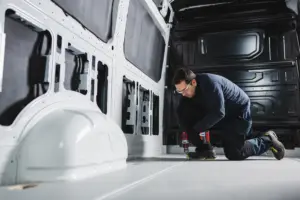
A man working on a truck.

  • The defect must involve a component that falls under the vehicle’s warranty. Standard vehicle systems, such as engines, transmissions, and brakes, are usually covered, but aftermarket or custom-installed equipment may not be.
  • A damaged refrigeration system that causes food spoilage could potentially qualify as it affects the truck’s primary function, provided that it is classified as a commercial vehicle.
  • The manufacturer could be held liable if they failed to fix the defect after numerous attempts, because Lemon Law is intended to resolve problems with the vehicle’s performance. However, Lemon Law will not immediately cover personal injuries, like food poisoning, because that will fall under product liability or personal injury law.

Essentially, Lemon Law will cover the vehicle defect, but responsibility for foodborne illness is distinct and will involve claims against the truck owner or the manufacturer of the faulty equipment that directly contributed to the contamination.

Who Pays When a Food Truck Breaks Down?

A food truck at a construction site.

If a food truck breaks down because of a defect covered under the manufacturer’s warranty, the business may acquire:

  • Refund or replacement: The manufacturer will need to repurchase the defective vehicle or provide a similar model as a replacement.
  • Incidental and consequential damages: Costs stemming from the breakdown, like towing, rental vehicles, repair fees, and lost revenue due to downtime.
  • Civil penalties: Up to two times actual damages if the manufacturer willingly went against Lemon Law (CIV § 1794(c)).
  • Attorney fees: Legal costs that are recoverable if the business wins the case.

Basically, the manufacturer can be held financially accountable for defects in the vehicle itself, and small businesses may recover direct and indirect losses caused by the ongoing problem.

How Hard Is It to Win a Lemon Law Case?

Winning a lemon law case will depend on the evidence and documentation you have at hand. But, manufacturers will still fight back to avoid repurchases or refunds. A successful case may require:

  • Maintenance logs from an authorized repair shop or dealer.
  • Proof the defect was frequent even after multiple repair attempts.
  • Evidence of the defect impairing the safety, value, or use of the truck.

Some cases settle quickly, whereas others may take longer. With the help of a lemon law attorney, your chances of success are more likely, since they will be able to negotiate on your behalf, and if needed, represent you in court to ensure you are given a beneficial outcome.

What Is the Lemon Law for Commercial Trucks in California?

California’s Lemon Law covers consumer vehicles, but can also extend to certain commercial trucks. To qualify the truck will need to have a gross vehicle weight that does not go over 10,000 pounds, and the company registering the truck must have fewer than five vehicles in its fleet. This means that small business owners who rely on work trucks, whether it be to fulfill deliveries or provide utility services, can benefit from lemon law protections. Larger companies with big fleets are usually not covered.

Why Legal Help Matters

A man looking at his phone stressed.

Truck manufacturers will usually have a team of lawyers protecting them against lemon law claims, which can make the legal process challenging. An experienced lemon law attorney may evaluate your repair history to determine whether your vehicle qualifies as a lemon. If so, they will negotiate against the opposing side to ensure you get favorable results.

Many vehicle owners will make the mistake of handling claims on their own or hiring the wrong lawyer, which can cause them to miss deadlines, submit incomplete documentation, or prepare weakened arguments. These errors can heavily reduce your likelihood of getting a replacement, refund, or other remedies for your defective vehicle. Requesting assistance from someone who understands the nuances of lemon law can raise your chances of a successful resolution, and ensure your claim is being properly pursued.

Manufacturers are also required to cover your attorney’s fees if you win your case, which means seeking relief may come at no cost to you (CIV § 1794(d)).

Got a Lemon Food Truck? Speak to a Lemon Law Lawyer Now

Neama consulting with two clients.

If you believe that your vehicle is a lemon, West Coast Trial Lawyers can guide you through the legal process and protect your consumer rights. We take on cases that involve repeated defects, safety-related issues, and vehicles that have yet to be resolved despite multiple repair attempts.

Our lemon law lawyers will look into your repair history, determine whether your vehicle meets California Lemon Law criteria, and help you seek legal remedies, whether it is a replacement vehicle, refund, or compensation for related costs.

To book a FREE consultation, you can reach out to us by calling (213) 927-3700 or filling out our convenient online contact form.

The post Can You File A Lemon Law Claim for Food Trucks? appeared first on West Coast Trial Lawyers.

Arizona Booster Seat Laws: What Every Parent Needs to Know

Keeping children safe in the car isn’t just common sense, it’s the law. If you’re a parent or caregiver in Arizona, knowing the state’s booster seat requirements isn’t optional.

Arizona has specific laws about when and how children must be secured in vehicles, and violating these laws can lead to more than a ticket. It could mean serious injury or legal problems in the event of an accident.

In this guide, we break down everything you need to know about Arizona booster seat laws, especially as we head into the second half of 2025. From height and weight requirements to legal penalties and comparisons with other states, this article is your go-to for booster seat laws.

What Are the Height and Weight Requirements for a Booster Seat in Arizona?

A booster seat in the car.

Arizona law is clear: if a child is under the age of 8 and shorter than 4 feet 9 inches, they must ride in a booster seat. Both conditions (age and height) must be met before a child is allowed to transition out of a booster seat and use only a seatbelt.

Unlike some states that factor in weight, Arizona focuses entirely on age and height. This emphasis comes from crash data showing that height is a more accurate indicator of whether a seatbelt will fit a child properly. A standard adult seatbelt is designed for people at least 4’9″ tall; below that, the belt often crosses dangerously over the child’s neck or stomach, increasing the risk of serious injury.

While weight isn’t part of the legal language, many pediatricians and child safety experts recommend that children reach at least 40 pounds before transitioning from a forward-facing car seat to a booster seat.

In short:

  • Under 8 years old and shorter than 4’9″ = booster seat required
  • Over 8 and at least 4’9″ = may use regular seatbelt

What Are the Booster Seat Laws in Arizona 2025?

As of 2025, Arizona’s booster seat law remains anchored in ARS §28-907, which has been in effect since its amendment in 2012. However, recent discussions around national child safety standards and vehicle crash statistics have renewed public interest in state-level compliance and enforcement.

A closeup of the definition for the word 'Law'.

Here’s what the law requires:

  • Children younger than 8 years old must be in an appropriate child restraint system, which includes a booster seat if they have outgrown a forward-facing car seat.
  • If a child is 8 or older but shorter than 4’9″, they are still required to be in a booster seat until that height requirement is met.
  • Children over the age of 8 and taller than 4’9″ may legally use the vehicle’s lap and shoulder seatbelt without a booster.

This two-pronged rule (age and height) sets Arizona apart from states that allow one or the other. And while the law does not currently include language about weight, safety guidelines from national agencies continue to influence public behavior and future proposals.

It’s also worth noting that car seat manufacturers will be required to meet enhanced federal safety testing standards by mid-2025. This will likely lead to clearer labeling on booster seats, which may affect how parents choose seats, but these updates do not currently change Arizona law.

At What Weight Can I Move My Child to a Booster Seat?

While Arizona law does not specify a minimum weight for booster seat use, transitioning from a forward-facing seat to a booster generally happens when a child reaches at least 40 pounds and has outgrown their car seat’s maximum height or weight limit.

Most forward-facing car seats are designed for children weighing between 22 and 65 pounds. When a child exceeds those limits, and meets the age and developmental milestones needed to sit still with a properly fitted seatbelt, a booster seat becomes the safer choice.

A woman setting up a booster seat in her car.

Here’s how to tell if your child is ready for a booster:

  • They are at least 4 years old (though most wait until age 5 or 6)
  • They weigh 40 pounds or more
  • They can sit upright without slouching for the entire ride
  • The seatbelt fits snugly over the shoulder and chest, not the neck or face
  • The lap belt lies low across the upper thighs, not the stomach

While you may be eager to move your child into a “big kid seat,” don’t rush it. A booster should only be used when it provides a safer fit than a forward-facing seat. Always check both the booster’s manufacturer instructions and your vehicle manual to ensure correct installation and use.

Are Inflatable Booster Seats Legal?

A row of books with the scale of justice in front.

Inflatable booster seats have gained popularity in recent years due to their portability and convenience. They’re often marketed to parents on the go, with promises of easy storage and travel compatibility. But are they actually legal in Arizona? The answer depends on whether the booster meets Federal Motor Vehicle Safety Standard (FMVSS) 213, which sets the national criteria for child restraint systems.

Arizona law requires that all child restraints (including boosters) used in vehicles be federally approved. This means that unless the inflatable booster seat has been tested and certified under FMVSS 213, it is not legal to use on Arizona roads.

In practice, many inflatable models are considered supplemental cushions rather than true booster seats, and may not provide adequate protection in a crash. Some lack side-impact protection, fail to position the seatbelt correctly, or shift during movement.

Bottom line: don’t assume legality based on convenience. If you’re considering an inflatable booster for your child, verify that it is:

  • Clearly labeled as FMVSS 213 compliant
  • Has proper belt guides to ensure seatbelt positioning
  • Approved for use in motor vehicles—not just airplanes

When in doubt, stick with a traditional booster seat, especially for daily commutes and long trips.

Do Booster Seats Have to Be Anchored Down?

In Arizona, the law does not explicitly require booster seats to be anchored using a LATCH (Lower Anchors and Tethers for Children) system or tether. That said, the way booster seats work is different from traditional car seats.

Most belt-positioning booster seats rely on the vehicle’s lap and shoulder belts to secure both the seat and the child. These boosters are designed to guide the seatbelt into the correct position on a smaller body, rather than anchoring the seat itself.


However, many high-back booster seats and combination seats may include anchors to prevent them from sliding around when not in use. These features are optional under Arizona law but often recommended by safety experts.

Here’s why anchoring (even if not required) might still be smart:

  • Prevents the booster from becoming a projectile in a crash when not in use
  • Helps maintain the correct seating position for the child
  • Reduces seat movement on sharp turns or sudden stops

Always read the manufacturer’s instructions and consult your vehicle’s manual for the best way to install a booster. Just because it’s not required doesn’t mean it’s not worth doing.

What Are the Booster Seat Laws in Other States?

Booster seat laws vary widely across the United States. While Arizona requires booster use until age 8 and a height of 4’9″, many other states have different benchmarks.

For example:

  • California: Requires booster seats until age 8 or until the child reaches 4’9″.
  • Texas: Law requires booster seats until age 8 unless the child is taller than 4’9″.
  • New York: Requires child restraint systems for kids under age 8, but also emphasizes height and proper belt fit.
  • Florida: Only mandates booster seats through age 5, one of the more lenient laws nationwide.

Arizona’s law is actually more precise and strict than many others because it uses both age and height requirements. This reflects a stronger emphasis on injury prevention based on how seatbelts interact with smaller bodies.

What Are the Penalties for Violating Arizona’s Booster Seat Laws?

Violating Arizona’s booster seat laws is considered a primary offense, which means law enforcement can stop and cite a driver solely for improper child restraint use.

A police officer issuing a ticket in their car.

The standard penalty includes:

While a $50 fine may seem minor, the consequences can multiply in the event of a crash:

  • If a child is injured and not properly restrained, the driver may be held partially liable, even if another party caused the accident
  • Insurance companies may argue that the injury could have been less severe with proper restraint, reducing the payout
  • In personal injury lawsuits, failing to follow booster seat laws can be used to challenge your credibility or legal responsibility

Following the law isn’t just about avoiding a ticket… it can protect your family legally and financially in worst-case scenarios

Why Arizona Parents Must Stay Informed

A concerned mother on the phone while holding her kid.

Child passenger safety is one of those areas where knowledge really is power. The difference between a properly secured booster and a misplaced seatbelt could mean everything in a collision.

Arizona’s booster seat laws are specific, science-backed, and enforceable. As we move into 2025, staying informed about age, height, and equipment standards isn’t just about checking a box, it’s about giving your child the best chance in case the unexpected happens.

If you’ve been cited, involved in an accident, or have legal questions about child safety restraints, reach out to our legal team. Call us today at (213) 927-3700 or use our online contact form for a free consultation.

The post Arizona Booster Seat Laws: What Every Parent Needs to Know appeared first on West Coast Trial Lawyers.

Is Lane Splitting Legal in Arizona?

Motorcyclists in Arizona, from the streets of Phoenix to the open roads of Tucson, often wonder: Is lane splitting legal in Arizona? With over 275,000 registered motorcycles in the state, navigating traffic safely and legally is a top concern. At West Coast Trial Lawyers, our experienced motorcycle accident attorneys understand the confusion surrounding lane splitting and lane filtering, especially with Arizona’s recent legal changes.

This blog answers common questions about lane splitting, clarifies Arizona’s laws and provides actionable insights for riders on local roads like Camelback Road or I-10. If you’ve been injured in a motorcycle accident, our team can help you secure the compensation you deserve—at no upfront cost. (Learn how our fees work: contingency fees.)

Does Arizona Allow Lane Splitting?

A closeup shot of the front wheel of several motorcycles.

No, lane splitting is not legal in Arizona. According to Arizona Revised Statutes (A.R.S.) § 28-903, “a person shall not operate a motorcycle between the lanes of traffic or between adjacent rows of vehicles.” This law prohibits motorcyclists from riding between moving vehicles on roads like Loop 101 or Indian School Road in Phoenix, regardless of traffic speed. Violating this law can result in fines, tickets, or liability for damages if an accident occurs.

However, Arizona legalized lane filtering in 2022 under Senate Bill 1273, signed by former Governor Doug Ducey. Lane filtering allows motorcyclists to move between stopped vehicles at specific intersections, such as those on Central Avenue or Speedway Boulevard in Tucson, under strict conditions (detailed below). Confusing the two practices can lead to legal trouble, so riders must understand the distinction.

What Is the Difference Between Lane Splitting and Filtering?

The terms “lane splitting” and “lane filtering” are often used interchangeably, but they’re different under Arizona law:

Lane Splitting

A top shot of a motorcycle driving down the road.

Riding a motorcycle between lanes of moving traffic, typically to bypass traffic on highways like I-17 or Grand Avenue. This is illegal in Arizona, as it increases the risk of collisions with vehicles changing lanes or in blind spots. In fact only California fully legalizes lane splitting and should a motorcyclist gets into an accident because they were lane splitting, then they could be held liable for the accident and be responsible for damages.

Lane Filtering

Moving a two-wheeled motorcycle between stopped vehicles, usually at red lights or in heavy traffic. This became legal in Arizona on September 24, 2022, under specific conditions:

A motorcycle rider driving on a empty freeway.

  • Traffic must be completely stopped.
  • The road must have a speed limit of 45 mph or less and at least two lanes in the same direction.
  • The motorcyclist must not exceed 15 mph while filtering.
  • Filtering is prohibited on shoulders, medians, or freeways like I-10.
  • Only two-wheeled motorcycles qualify (no trikes or sidecars).

Lane filtering helps riders avoid being “sandwiched” between cars, but illegal lane splitting can lead to fault in accidents. Our attorneys can clarify your rights if you’ve been injured and answer any common motorcycle questions you have.

What Is the New Law in Arizona for Motorcycles?

A close up of a proposition bill with some words and phrases highlighted.

In 2022, Arizona passed Senate Bill 1273, legalizing lane filtering to enhance motorcyclist safety and reduce traffic congestion. Sponsored by Senator Tyler Pace, the law mirrors Utah’s 2019 legislation and applies to roads with speed limits of 45 mph or less.

Key provisions include:

  • Motorcyclists can filter between stopped vehicles at intersections at speeds up to 15 mph.
  • Filtering is allowed only on roads with multiple lanes in the same direction, not on single-lane roads like Apache Trail.
  • Violators face fines, and repeat offenses can lead to a 90-day motorcycle endorsement suspension for the first violation, 180 days for the second, and permanent loss for the third.

2025 Update: The Arizona Department of Transportation is studying lane filtering’s impact on intersections with preliminary data showing a 15% decrease in motorcycle rear-end crashes since 2022. However, some riders misinterpret the law, attempting to filter on freeways, which remains illegal.

If you’ve been injured or cited due to lane filtering confusion, our Arizona motorcycle accident attorneys can help you navigate and seek compensation.

Does Arizona Have a Dead Red Law?

Yes, Arizona has a “dead red” law under A.R.S. § 28-645(C), which allows motorcyclists to proceed through a red light if the signal fails to detect their vehicle after a reasonable wait. This is common at intersections like Baseline Road and Priest Drive in Tempe, where sensors may not register lighter motorcycles. Requirements include:

  • The light must remain red for at least 120 seconds.
  • The motorcyclist must make sure it’s safe to proceed, yielding to oncoming traffic.
  • The law applies only to two-wheeled motorcycles, not cars or trikes.

Safety Tip: Document the situation (e.g., take a photo or video) if you proceed through a dead red light, as law enforcement may question your actions.

In What States Is It Illegal to Lane Split?

Lane splitting is illegal in most U.S. states, except for California, which legalized it in 2016 under California Vehicle Code § 21658.1. As of 2025, states where lane splitting is explicitly prohibited include:

A motorcycle passing a traffic cone on the road.

  • Arizona: A.R.S. § 28-903 bans lane splitting, though lane filtering is allowed.
  • Texas: Prohibited since September 2023 under Texas Transportation Code § 545.060.
  • Florida: Illegal under Florida Statute § 316.20.
  • Georgia, Illinois, Maryland, Tennessee, and others: Explicitly banned under state traffic codes.

States like Utah, Montana, and Colorado allow lane filtering under strict conditions, similar to Arizona, but prohibit lane splitting. Some states (e.g., Ohio, North Carolina) lack specific laws, leaving enforcement to officer discretion, which can lead to tickets for related violations like improper lane changes.

If you’re traveling through Arizona and face legal issues from lane splitting, our attorneys can provide guidance.

Does Arizona Have a Left Lane Law?

Yes, Arizona’s left lane law under A.R.S. § 28-721(B) requires drivers, including motorcyclists, to use the left lane primarily for passing on multi-lane roads like Loop 202. Vehicles must move to the right lane when not passing, except in heavy traffic or when preparing for a left turn at intersections. Violations can result in fines and increase accident risks if motorcyclists linger in the left lane unnecessarily.

2025 Data: ADOT reported a 7% increase in citations for left lane violations on Phoenix highways in 2024, highlighting enforcement efforts.

Why Is Lane Changing Prohibited in Arizona?

A closeup of the definition for the word 'Law'.

Lane changing isn’t universally prohibited in Arizona, but unsafe lane changes are illegal under A.R.S. § 28-729, which requires drivers to make sure lane changes are safe and signaled. Lane splitting is considered an unsafe lane change because it involves passing between moving vehicles, increasing collision risks on roads. Reasons for prohibition include:

  • Safety Risks: Lane splitting can startle drivers, especially in blind spots, leading to accidents on busy streets like Van Buren Street.
  • Traffic Flow: Prohibiting lane splitting maintains orderly traffic on highways like I-10, reducing road rage incidents.
  • Legal Clarity: A.R.S. § 28-903 ensures motorcyclists follow the same lane discipline as other vehicles, except for legal lane filtering.

Pro Tip: When lane filtering legally at intersections like 32nd Street and Indian School Road, use turn signals and maintain a 2-foot clearance from vehicles to avoid citations.
(For the legal basics that drive these rules, see what is duty of care?)

Safety Tips for Arizona Motorcyclists

A person putting on a black motorcycle helmet.

To stay safe and legal on Arizona’s roads, follow these tips:

  • Know the Law: Avoid lane splitting on highways like SR 51; stick to legal lane filtering at stoplights on roads with 45 mph limits, like Bell Road.
  • Stay Visible: Wear reflective gear and use headlights, especially at night on dark roads like Apache Trail.
  • Monitor Surroundings: Watch for opening car doors or lane changes at intersections like 7th Avenue and Osborn Road.
  • Document Incidents: If involved in an accident while filtering, take photos and gather witness contacts to support your case.
    (Need a checklist? Here’s what documentation can help win your case.)

2025 Insight: A Reddit thread from r/phoenix noted increased driver confusion about lane filtering on I-10, with some motorcyclists illegally filtering on freeways, leading to road rage incidents.

What to Do After a Motorcycle Accident in Arizona

If you’re injured in a motorcycle accident due to lane filtering or splitting, take these steps:

A motorcycle crash scene with a car.

  • Seek Medical Attention: Even minor injuries need evaluation; visit facilities like Banner University Medical Center in Phoenix.
  • Document the Scene: Photograph damage, road conditions, and traffic signals at intersections like 24th Street and Camelback Road.
  • Gather Information: Collect contact details from witnesses and other drivers.
  • Contact an Attorney: Our Arizona motorcycle accident attorneys can assess whether lane filtering laws or comparative fault apply to your case.

Case Study: In 2024, a Phoenix client injured while legally lane filtering on Thomas Road received a $175,000 settlement after West Coast Trial Lawyers proved the other driver’s negligence.

Contact West Coast Trial Lawyers for Expert Help

Neama consulting with two clients.

Understanding Arizona’s motorcycle laws, from lane filtering on Mesa Drive to avoiding illegal lane splitting on I-17, can be confusing at times but our legal team here is to help you navigate this. At West Coast Trial Lawyers, our Arizona motorcycle accident attorneys have a 99% success rate and have recovered over $1.7 billion for clients.

Call (213) 927-3700 or complete our online contact form for a free consultation. Ride safe, and let us handle your legal needs on Arizona’s roads.

The post Is Lane Splitting Legal in Arizona? appeared first on West Coast Trial Lawyers.

What is Arizona’s Statute of Limitations?

If you were hurt in Arizona, you do have a deadline to take legal action. Miss it, and even a strong case can be thrown out before it starts. Below is a clear guide on what the “statute of limitations” is, how long you have, when the clock can pause, and smart next steps so you don’t lose your rights.

What is a Statute of Limitations?

A book titled 'Statute of Limitations'.

In personal injury cases, the statute of limitations is the legal time window to file a lawsuit against a negligent/reckless party. Think of the statute of limitations as a countdown, because it’s main purpose is to keep cases fresh and fair and makes evidence easier to find, witnesses remember more details, and people aren’t stuck in legal limbo forever. 

Two key takeaways

  1. Negotiating with an insurance company does NOT stop the clock- Only filing a lawsuit in court preserves your rights before the deadline.
  2. Courts enforce these deadlines strictly- File late, sometimes even by a day and the case can be dismissed, no matter how strong your proof is. (That’s why we urge early action and documentation; see our quick evidence tips in What to do after a crash.)

Arizona’s Core Deadlines for Injury Cases

An empty courtroom.

According to Arizona Revised Statutes (ARS) Code § 12-542, most personal-injury lawsuits in Arizona (car wrecks, slips and falls, dog bites, many defective product liability cases), must be filed two years from the date of the injury/incident. However, if the at-fault party is or involved a public entity or employee (state, city, county, school district, etc.), Arizona adds extra steps in order to ensure there are no delays in the legal process. For instance:

These government rules are technical and strictly applied. If there’s any chance a city, county, or state agency is involved, talk to a lawyer immediately so you don’t miss the 180-day notice.

When Does The Clock Start?

Most everyday accidents start the clock on the date of injury, but Arizona applies a “discovery rule” in some situations (especially in medical malpractice or hidden-defect cases) so the two-year period may start when you knew or reasonably should have known you were injured and that someone else likely caused it. Courts analyze what a reasonable person would have discovered and when. (The two-year baseline still comes from § 12-542.)

Ways the Clock Can Pause (“Tolling”)

A silver statue of lady justice with a clock in the background.

Depending on the nature of the incident, Arizona law can pause the statute of limitations period, but only in certain situations such as cases involving:

  • Minors and people of unsound mind- If the injured person was under 18 or legally incapacitated when the claim accrued, the clock is paused until the disability ends or if the child turns 18. See A.R.S. § 12-502; Arizona Supreme Court cases apply it to personal-injury claims.
  • Other narrow scenarios- Courts may recognize tolling when a defendant conceals wrongdoing or (in older case law) when a defendant is out of state. These are fact-specific and not automatic so get legal advice fast.

Bottom line: never assume you have extra time. Ask a personal injury lawyer to calculate your exact deadline against the facts of your case.

Common Real-World Examples 

  • Car wreck on January 10, 2025- You generally have until January 10, 2027 to file suit. (Two years under § 12-542.)
  • Slip and fall at a city building-  You likely must send a notice of claim within 180 days and file suit within one year. (Government rules under §§ 12-821.01 and 12-821.)  
  • Surgical error discovered 8 months later- Your two-year civil deadline may run from discovery, not the procedure date (courts apply the discovery rule). Still, act quickly; these timelines are argued case-by-case, and records need preserving.

Don’t Delay Your Claim, West Coast Trial Lawyers Is Here to Help

Neama consulting with two clients.

Insurance adjusters know the deadlines very well and depending on the nature of the situation, some will slow-walk talks hoping the clock runs out. If you have been involved in an accident, it is crucial to protect yourself by doing the following:

At West Coast Trial Lawyers we handle serious injury cases throughout Arizona. If you want tailored advice after a crash, fall, dog bite, or medical error, we’ll review your timeline and map out a plan that fits your situation.

WCTL Co-CEO Allen talking on the phone with a client.

  • We calculate your exact deadline and send preservation letters so evidence doesn’t “disappear.”
  • We handle insurers so you don’t get boxed in by delay tactics. (If talks stall, we file before your deadline, no guesswork.)
  • We build full-value claims like medical bills and future care, lost income, and non-economic losses like pain, anxiety, and loss of enjoyment. Learn how damages work in our explainer on economic vs. non-economic damages and non-economic damages.
  • No upfront fees. We work on contingency. See how that functions in our quick guide to contingency fees and what a retainer agreement actually covers.
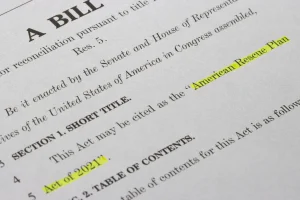
You don’t have to memorize statutes to protect your claim, that’s our job. If you were hurt anywhere in Arizona, we’ll confirm your deadline, preserve evidence, and push for full compensation. If the insurer drags its feet, we’ll file on time and keep your case moving.

For a FREE, no-obligation consultation. Call (213) 927-3700 or send us a message. On top of it all, we operate under a contingency fee basis, meaning if we don’t win, you don’t pay.

Not sure if your case is “big enough”? Don’t guess just ask. These resources can help you pressure-test your matter before you call:

The post What is Arizona’s Statute of Limitations? appeared first on West Coast Trial Lawyers.