Do You Need a License to Drive a Moped?

Mopeds may resemble bicycles or motorcycles at first glance, but they come with their own unique set of rules for licensing, registration, and safe road operation. Understanding how these vehicles differ from others is important. If you fail to follow California laws, you may be met with legal consequences, especially if you get yourself into an accident.

What Is a Moped?

A red moped.

A moped is a small, lightweight two- or three-wheeled vehicle with an automatic transmission and a motor that produces less than 4 gross brake horsepower, traveling at speeds of up to 30 miles per hour. They have bicycle-style pedals installed, which can be used to assist the engine, though many modern versions operated by electrical energy do not require human power to function (California Vehicle Code § 406).

Due to its low speed and power, they involve fewer licensing, insurance, and registration requirements. Rules will ultimately vary depending on the state.

Do You Need a License to Ride a Moped on the Street? 

You must have a motorcycle license (M1 or M2) to use a moped. Riders will need to be a minimum age of 16 years old and wear a helmet. Even though insurance is not required, mopeds must have special license plates and an identification card, including a $23 registration fee. Unlike other vehicles, you are not required to annually renew a moped registration.

What Are the Laws for Mopeds in California?

A woman reading some documents in front of her moped.

In California, specific regulations have been established to regulate the use of mopeds. Let’s take a look at some of these below:

  • Mopeds cannot be operated on freeways or expressways if signs are posted to prohibit this, and may only be used on bike paths, trails, or bikeways if allowed by local authorities or ordinances.
  • If a moped is modified to surpass speeds of 30 miles per hour, it may be deemed as a motor-driven cycle, which will involve different licensing and registration requirements. Operators will be cited for going past the speed limit if the vehicle is able to travel above this threshold.
  • Moped dealers are not licensed by the DMV, but are eligible for special license plates to use for demonstrations and deliveries. These plates can be transferred from one moped to another. In DMV records, a dealer plate will be classified as “Dealer” in the VIN field when checked through transaction code DCS inquiries (CVC § 5034).
  • If a moped driver receives a parking citation, the DMV will not have it added to the moped’s registration record. The violation will, instead, be returned to the issuing parking agency for collection.

Do the Laws Differ From State to State? 

Moped laws will differ from state to state, including licensing requirements, helmet use, and registration. Let’s take a look at specific regulations enforced by Arizona, Nevada, and Washington:

Two people riding a motorcycle in a city.

  • Arizona: A standard driver’s license is needed to use a moped. A motorcycle endorsement will not be necessary. Mopeds are required to be registered with the Arizona Department of Transportation (ADOT). Insurance is required, with a minimum coverage of $25,000 for bodily harm for one person and $50,000 for two or more people, and $15,000 for property damage. Registration costs are low, with a $4.50 license tax and a $5 registration fee. Lastly, mopeds cannot use bicycle-only rights-of-way (ARS 28-2513).
  • Nevada: A moped operator must carry a valid driver’s license, of any class. Again, motorcycle endorsement is not needed. Helmets are required for all riders to have on. Mopeds must be registered with the Nevada Department of Motor Vehicles (DMV). This is a one-time process and will remain valid as long as the owner retains the vehicle. Before registration, the vehicle must go through an inspection to meet the legal definition of a moped. Liability insurance is not enforced, but recommended. In addition, mopeds must have safety features equipped, like lights and mirrors.
  • Washington: A regular driver’s license is required (RCW 46.20.500), and must be registered and display a valid license plate (RCW 46.61.710 and RCW 46.16A.200). No motorcycle endorsement is needed for mopeds with an engine under 50cc and a top speed of 30 mph. Helmets must be worn by all riders. Liability insurance is not required, but encouraged for financial protection.

What Is the Difference Between a Scooter and a Moped? 

The main difference between a scooter and a moped comes down to how they are legally classified.

A blue moped parked on the street.

A moped is a two- or three-wheeled vehicle that has an automatic transmission, along with a small electric motor or gas-powered engine producing less than four gross brake horsepower, and a top speed of 30 mph or less. Some may have pedals whereas most modern ones do not. To operate a moped, you will need to be at least 16 years old, carry a Class M1 or M2 license, have it registered with the DMV, and display a special moped plate. Insurance is not required.

A scooter is a two-wheeled vehicle with handlebars and a floorboard for stability (CVC § 407.5). Those that have engines over 50cc or electric motors that are capable of surpassing 30 mph are classified as motorcycles. Owners will be required to hold a full Class M1 motorcycle license, have a standard motorcycle registration, and maintain insurance. They will also face stricter rules when it comes to highways and other roadways.

Can You Drive a 50cc Scooter Without a License in California? 

No, you cannot drive a 50cc scooter without a license in California. If the scooter is 50cc or less, has an automatic transmission, and does not go over 30 mph on level ground, it will be classified as a moped (motorized bicycle). In order to ride it, you will have to get at least a valid Class M1 or M2 license. Now if the 50cc scooter surpasses 30 mph, it will be considered a motor-driven cycle. To operate it, you must have a class M1 license.

What CC Does Not Require a License? 

A close up of a motorcycle engine.

No gas-powered scooter or moped can be legally used on California roads without the operator having a license. Mopeds with engines under 50cc, as defined by CVC § 406, are limited to 30 mph, feature automatic transmissions, and produce less than four gross brake horsepower. Even though they are smaller and less powerful compared to motorcycles, mopeds still require a valid driver’s license, like a standard Class C. 

Vehicles with engines of 50cc or more are deemed as motorcycles or motor-driven cycles, and will need a full Class M1 license to operate. The only motorized options that do not require a motorcycle license are electric stand-up scooters and low-speed e-bikes, which can be used with a Class C license or, in some cases, no license at all.

Do You Need to Wear a Helmet When Riding a Moped? 

Under CVC § 27803, all motorcycle and moped riders, along with the passengers, are required to wear helmets in compliance with the Federal Motor Vehicle Safety Standard (FMVSS) No. 218. Riding without having one on can lead to traffic citations and fines. 

A person riding a moped while wearing a helmet.

Having on protective gear can help reduce the chances of sustaining a serious injury to the head or brain. While wearing a helmet is required by law, moped drivers should also wear eye protection and a face shield to reduce the risk of severe facial-related injuries. Other additional safety gear to consider while out for a ride include:

  • Gloves
  • Jackets
  • Reflective clothing

Do Mopeds Need Insurance to Ride? 

You do not need insurance to ride a moped on public streets. Unlike cars or motorcycles, the DMV does not mandate liability coverage for it. While you are not required to carry insurance to register a moped, you may still be held fully or partially liable for damages if you caused an accident while riding one. With that being said, it is encouraged to get coverage to financially protect yourself from accidents, thefts, or other damages.

Involved in an Accident While Riding a Moped? Get Legal Assistance From West Coast Trial Lawyers Today

A row of WCTL attorneys with the lobby in the background.

If you have been involved in an accident while riding your moped, speaking to a legal expert can help you understand your rights and how to move forward with confidence if you are planning to pursue legal action against the at fault party.

At West Coast Trial Lawyers, our personal injury attorneys will assess your case, establish fault, and pursue the compensation you deserve for the losses you incurred, like medical bills, lost wages, and property damage. We strive to achieve full financial recovery all while giving clients the time needed to focus on healing with a peace of mind.

To set up a FREE case evaluation, you can connect with us by calling (213) 927-3700 or completing our quick online contact form.

The post Do You Need a License to Drive a Moped? appeared first on West Coast Trial Lawyers.

West Coast Trial Lawyers Partners with University of Arizona Athletics

West Coast Trial Lawyers (WCTL) is proud to announce our official partnership with The University of Arizona Department of Intercollegiate Athletics. Known for our reputation of securing justice for thousands of personal injury victims and winning more than $1.7 billion in verdicts and settlements, WCTL will activate in this partnership by providing support across all athletic programs, increasing brand visibility, coordinating in-game activities, and encouraging community engagement.

A Partnership Driven by Excellence

A row of WCTL attorneys.

WCTL President and Co-Founder Neama Rahmani is excited about this collaboration, highlighting how the firm’s achievements reflect the winning culture of Arizona Athletics.

“Our successful track record of winning cases for clients aligns perfectly with the championship culture of Arizona Athletics. One of the things we love about this partnership is their winning pedigree compliments their commitment to academic excellence and research. It’s a great example of how such a highly regarded university energizes and supports the entire community,” said Rahmani. “We’re proud to be the Official Personal Injury Law Firm of Arizona Athletics and ‘Bear Down’ in support of their mission to showcase the very best of collegiate sports and education.”

Through this partnership, we will provide support across all men’s and women’s sports, with appearances at notable venues, including Arizona Stadium, McKale center, and Hi Corbett Field. Among the highlights of this partnership is our sponsorship of the Arizona Athletics ‘Teacher of the Year’ Recognition Entitlement, which recognizes the outstanding educators at the University of Arizona. Our firm will also sponsor the weekly men’s basketball coaches show alongside head coach Tommy LLoyd, further strengthening our presence within the Wildcat community.

Arizona Athletics Welcomes WCTL

WCTL Attorneys standing in a lobby.

Arizona Athletics General Manager Brian Rooney stated that the partnership would present an opportunity to benefit student-athletes and the broader Tucson community: 

“We are thrilled to be teaming up with West Coast Trial Lawyers in support of Arizona Athletics. This is a true win-win situation for our student athletes, the entire university and the surrounding community of Tucson,” said Rooney. “Arizona Athletics is extremely appreciative and proud to partner with such a well-respected law firm, and we are excited to see everything this partnership will bring for our student athletes, Wildcat Nation, the community of Tucson and proud U of A Alumni everywhere.”

About University of Arizona Athletics

An overview of University of Arizona grounds.

The University of Arizona is home to a prominent athletics tradition, uplifting the Wildcat nation through excellence on and off the field. With title-winning teams and student-athletes committed to success, Arizona Athletics channels the “Bear Down” spirit that unites and inspires the Tucson community and fans nationwide. 

But Arizona Athletics represents just one piece of the University’s overall influence. The institution is determined to change lives, tackle challenging obstacles, and encourage innovation. They strive to enhance individual growth, pioneer new opportunities, and foster a better life for all. With top-tier academics, advanced research, or the excitement of collegiate sports, the University of Arizona prepares innovative thinkers to overcome future challenges.

The post West Coast Trial Lawyers Partners with University of Arizona Athletics appeared first on West Coast Trial Lawyers.

What is Property Damage?

After an accident, most people immediately think about physical injuries, but property damage is often one of the first and most stressful consequences victims face. Whether it’s a totaled car, broken phone, or damage to your home or business, property damage can bring unexpected financial strain and disrupt your daily life. Understanding what qualifies as property damage, how it’s assessed, and what compensation you may be entitled to is an important part of protecting your rights after an accident.

What Is the Meaning of Property Damage?

Property damage is defined as harm or loss caused to physical property, like houses, buildings, and vehicles. It can result from from:

While insurance providers will cover costs of repairs and replacement, disputes may occur for the extent of damage or the value of specific items, especially if the property has a sentimental value that cannot be measured in monetary terms. Property damage cases can be classified into two categories: damage to real or personal property. 

Real Property

A car crashed into a building.

Real property damage is referred to as damage that involves land, structures, and anything attached to it, including:

  • Residential structures, like homes, apartments, and garages
  • Commercial buildings
  • Structural components, such as walls, roofs, and electrical systems
  • Driveways, fences, landscaping, and patios

Real property damage will happen from natural causes (wildfires, flooding, or earthquakes), vehicles crashing into buildings, acts of vandalism, or construction-related cases. For instance, if a person drives into your front yard and ruins your wall, that would be considered real property damage.

Personal Property

A white car that has been damaged in an accident.

Personal property applies to moveable items that are owned by a person or entity. This will cover:

  • Vehicles, like cars and motorcycles
  • Furniture and appliances
  • Electronics, such as TVs and computers
  • Clothing, tools, or jewelry

For example, if your home is broken into and your electronics were stolen or if your furniture was ruined as a result of a fire, it will all fall under personal property loss. 

What Is the Most Common Cause of Property Damage?

The most common cause of property damage is negligence or intentional acts committed by another individual. These cases will occur when a person pursues legal action for damages done to their property, whether it be on purpose or by accident. An example could be a car crash in which a driver strikes your vehicle to where it is classified as totaled, leaving you with financial burdens involving repair and replacement costs.

Another common instance would be having a dying tree fall during a storm, destroying your garage. In this given scenario, the property owner will be held liable for failing to maintain the condition of the tree.

Lastly, intentional damage, such as vandalism, is another notable factor that has contributed to property damage cases. For example, a neighbor spray painting your home or breaking your window. Such conditions could also involve personal injury, particularly if physical harm happens in the same incident as property damage.

What Is a Property Damage Claim?

A woman and an insurance adjuster discussing damages while looking at a damaged car.

A property damage claim is a request made to the insurance company or the at fault party for compensation to cover repair, replacement, or loss of damaged property. This is filed when real or personal property sustains harm from any of the qualifying reasons. The purpose is to seek financial recovery to restore the property to its original condition or something that is of equivalent value.

How to Sue Someone for Property Damage?

If someone causes damage to your property, whether it is a totaled car or vandalism, you may be entitled to sue them in civil court to recover repair or replacement costs. The first step would be to submit a written demand letter that goes over the incident, the damages incurred, and the amount you are asking for. Sometimes, this approach is enough to avoid court.

If the person ignores or denies your request, you can proceed with the filing process. In California, when damages are $25,000 or below, you will have to submit a “limited civil case” in Superior Court. But, if it far exceeds that amount, you must file an “unlimited civil case.”

If you are pursuing $10,000 or less in damages, you will want to consider filing in small claims court. This will typically be faster compared to having it done in Superior Court, making it a more quicker option to resolve a low-value dispute. Seeking legal assistance from an excellent attorney who attains knowledge and expertise in such matters can better your chances of acquiring favorable results.

A damages claim form on t able.

On your hearing date, you will go to court and present your situation to a judge. You will have to explain in full detail what happened, provide evidence to support your claim, and answer any questions that may be asked. If the judge rules in your favor, the defendant will be required to pay you the assigned amount. If they do not compensate you, you can pursue further steps to collect the money, by either placing a lien on their property or garnishing their wages.

Under the pure comparative negligence rule, pay may be distributed based on percentage of fault. This will allow plaintiffs to recover damages even if they were partially responsible for the incident. For instance, if total repair cost is $10,000 and you were 30% liable, you may receive an estimated recovery amount of $7,000.

Can You Sue the Police for Property Damage?

You can sue the police for property damage. Under California Government Code § 945.6, you will need to submit a written claim to the relevant public entity within six months from the date of when the damage occurred. Failing to do so may cause you to lose your right to pursue legal action. Once it has been filed, the agency should respond within 45 days. If the claim gets denied or ignored, you will be given a two-year window from the initial date of the event to sue.

In California, special protections are set in place for government entities, also referred to as immunities. This protects them from accountability, especially if their employees were fulfilling work-related tasks under the scope of employment and had to make quick decisions during urgent situations.

How to Settle a Property Damage Claim?

A lawyer talking to his clients.

Settling a property damage claim will require several steps to be taken to ensure you are granted full financial recovery for the harm caused to your belongings. The process will start with you reporting the incident to an insurance company or the appropriate party that contributed to the damages. From there, you will have to collect evidence, like photographs, video footage, repair costs, receipts, police reports, and any other form of communication you made with the opposing side.

If you are filing through insurance, the adjuster will inspect the situation and determine what the value of your claim will be. You will likely be provided with a settlement offer, but it is not required for you to accept it if you believe that it does not reflect the actual worth of your case. You can, however, have your attorney negotiate on your behalf to ensure it is enough to cover costs to repair or replace the property. Supporting evidence may include expert assessments, additional estimates, or receipts.

If you are communicating with the responsible party, you can send a demand letter that highlights the damage, what caused it, and the amount you are pursuing in compensation. If they are on board with the information presented, you can both sign a written settlement agreement. If not, and negotiations do not resolve the problem, the next step would be to seek legal action in small claims court or through a lawsuit depending on the extent of damages you incurred.

How Long Does a Property Damage Claim Take?

The amount of time you are given will depend on the type of claim and who you are filing it against. If your property was damaged because of a government agency or public employee, you will need to submit an administrative claim. This must be done within six months of the date the damage initially happened (Gov. Code § 911.2). They will be given 45 days to respond (Gov. Code § 912.4). If they deny or ignore your claim, you will have two years from the actual date of the incident to sue (Gov. Code § 945.6(a)).

For non-government-related claims, timelines will differ. Most insurance companies will respond to your claim within 15 days and form a decision typically within 30 to 40 days after they have received and assessed the documentation provided. But, disputes or negotiations can extend the legal process, up to a few weeks or months.

What Is the Property Damage Statute of Limitations in California?

A book titled 'Statute of Limitations'.

Most property damage cases in California will need to be filed within three years from the date of when the incident occurred. This will apply to real and personal property (California Civil Code Procedure § 338). This statute is effective regardless of whether you are filing a standalone property damage claim or including it for a broader case, like a car crash involving vehicle damage and personal injury.

If you exceed the deadline, you may lose your opportunity to secure compensation for the losses you incurred. However, there are a few exceptions in which the statute of limitations can be tolled. For instance, if the person you are suing is out-of-state after the incident, their time away may not be applied to the three year limit (CCP § 351).

In addition, if the property owner happens to be under 18 or is legally incapacitated, the clock will not start until they are 18 or regain capacity (CCP § 352). Other intricate circumstances could also extend the time period.

What Is the Minimum Property Damage Coverage?

A close up of an insurance policy with a pen, calculator, and a pair of glasses around the policy.

The minimum property damage coverage will vary depending on your policy. For auto insurance, it is required for drivers to own at least $15,000 in property damage per accident. This relatively new policy became effective on January 1, 2025. This will apply to cases where damage is done to another individual’s property. 

When it comes to residential property insurance, such as coverage for buildings and personal belongings, there is no fixed dollar minimum that is required by California law. Insurers will need to make sure that coverage limits are enough for the property being insured and will need to disclose said limits and how they are identified (typically based on replacement cost estimates). 

If the policy has replacement cost dwelling coverage, state law will require a minimum 10% in coverage to account for costs pertaining to building code upgrades during reconstruction.

How to Prove Property Damages in Court?

An empty courtroom.

To prove property damages in court, you will need to have strong evidence at hand to show what was damaged, how it happened, and the losses you suffered as a result. Costs will fall under economic damages, which is a category of compensatory damages made to reimburse you for measurable financial harm.

Below are some important factors that should be fulfilled to better your chances of succeeding:

  • Proof of ownership: You must prove that you were the owner of the affected property during the time of the incident. This may include receipts or invoices, photographs or video footage of the property before it got damaged, or a vehicle title or registration.
  • Evidence of damage: You will have to show that the damage actually happened, like having witness statements, police reports, or photos comparing before and after the event took place.
  • Proof of cause: You will need to demonstrate how the damage was caused by the defendant’s negligence. Supporting evidence may include witness information, surveillance footage, and expert analysis.

Do I Need a Lawyer for a Property Damage Claim?

While it is not legally required for you to seek assistance from a lawyer for a property damage claim, having such representation can make a significant difference if damages are severe, the other party disputes liability, or if the insurance provider gives you an unfair settlement offer. 

Different types of lawyers may handle these cases, but those with extensive experience with personal injury, property law, and insurance disputes are the most reliable and effective. Choosing the right form of legal representation will ensure you have someone on your side who knows local rules and ordinances, and will implement negotiation tactics against the opposing side to help improve your chances of seeking favorable results.

Need Help with Property Damage? Contact West Coast Trial Lawyers Today

A row of attorneys from West Coast Trial Lawyers.

If you suffered property damage, whether it is from an accident or vandalism, it can be stressful to pursue a claim on your own, especially if insurance companies are not making the process any easier. At West Coast Trial Lawyers, our knowledgeable legal team will guide you every step of the way, ensuring you are granted full financial recovery. 

With more than $1.7 billion in settlements recovered and over 20 years of experience handling property damage and personal injury cases, we have the qualifications needed to effectively handle your claim, negotiate with insurers, and represent you in court if your case heads to trial.

To set up a FREE case evaluation, you can reach out to us by calling (213) 927-3700 or filling out our quick online contact form

The post What is Property Damage? appeared first on West Coast Trial Lawyers.

What Is a Structured Settlement?

Getting a settlement from a personal injury or wrongful death lawsuit can lift a huge weight off your shoulders, but figuring out how you’re going to take the money is a question one must ask. Should you take one big payment or smaller amounts over time? These choices impact your future in ways you may not know. 

At West Coast Trial Lawyers, we’ve walked with many clients through this tough choice, helping them find peace of mind after life-changing moments. This guide breaks down what structured settlements are, how they work, their upsides and downsides, and what you need to think about to make the right call. Plus, we’re sharing some practical advice you won’t find just anywhere to help you get the most out of your settlement.

Defining a Structured Settlement

A person holding two checks.

A structured settlement is when you get your lawsuit or insurance money in smaller, regular payments over time, not one giant check all at once. Think of it as a payment plan for your future and current needs. You’ll often see this in cases like car accidents, wrongful death, or workplace injuries, where the money comes from an annuity bought through a life insurance company. Your lawyer, you, and the other side sit down to figure out how much you’ll get, how often, and for how long, making sure it works for you.

It’s built to give you peace of mind, helping you stretch a big settlement so you don’t burn through it or get tripped up by bad financial choices.

Why Should I Choose a Structured Settlement?

Structured settlements are a go-to choice for many because they bring stability, especially when you’re dealing with big damages from your case.

 Here’s why they’re so valuable:

  • Reliable Income: You get regular payments to handle everyday costs, medical bills, or whatever lies ahead, you know that money will be there every month.
  • Tax Breaks: The IRS does not tax structured settlements, for most cases. 
  • Smart Money Management: Getting paid little by little helps you avoid the urge to splurge, keeping your funds safe for the long run.

What you might not know is that your structured settlement can be customized to include a mix of payment types (e.g., monthly payments plus occasional lump sums for big expenses)

How Do Structured Settlements Work?

A contract with a pen on top.

Getting a structured settlement set up is a straightforward process, it’s custom built for your life.

Working Out the Deal

 You and your attorney sit down with the other side (or their insurance company) to figure out the settlement amount and how you’ll get paid. Maybe you want steady monthly checks, a big yearly payment, or extra cash for things like medical bills or a new place to live.

Buying the Annuity

The other side uses their insurance company to buy an annuity from a solid life insurance provider to cover your payments. In California, the court makes sure the insurer is trustworthy, so your money’s safe.

Getting Your Money

Once everything’s set, the insurance company sends you payments on the schedule you agreed on—maybe monthly, yearly, or whatever works best.

A Tip from West Coast Trial Lawyers: California’s Structured Settlement Protection Act California Code, Insurance Code – INS § 10134 is strict—it requires court approval if you ever want to sell or cash out your payments early. This keeps shady buyers from taking advantage of you, but you’ll need a lawyer’s help to navigate it if you want access to funds sooner.

Types of Structured Settlement Payments

A man signing a contract.

We’ve seen clients choose options that give them peace of mind and financial stability after a tough injury case. For some, lifetime payments are the way to go, delivering steady income for as long as they live, perfect for folks who want the security of knowing they’re covered no matter what. 

Some clients prefer fixed-term payments, which run for a set period, like 10, 20 or 30 years and can even pass on to loved ones or a selected beneficiary if something happens to you. Then there are lump-sum add-ons, which are a big help for expenses like clearing medical bills or buying a new wheelchair-accessible van. And for those worried about inflation, you can set up escalating payments that grow over time with inflation.

Benefits of Structured Settlements

Structured settlements offer some advantages over lump sums, especially for personal injury or wrongful death cases:

  • Steady Income: Regular payments help you budget smartly and avoid financial missteps.
  • Tax-Free Payments: Settlements for physical injuries or wrongful death are generally tax-free.
  • Customizable Terms: You can tailor payments to match your financial goals, such as covering ongoing medical care or mortgage payments.
  • Market Protection: Annuities are backed by highly rated insurance companies so your funds are safe from stock market volatility.

Cons of Structured Settlements

While structured settlements are beneficial, they have limitations too

  • Limited Cash: You can’t easily access large sums of cash for unexpected emergencies unless you sell your payments, which requires court approval.
  • Fixed Terms: Once set, the payment schedule is difficult to change without legal processes.
  • Insurer Risk: Payments depend on the financial health of the insurance company. Choosing a top-rated insurer, like we mentioned above, minimizes this risk.

A Tip from West Coast Trial Lawyers:  Many people don’t know about structured settlement brokers—specialists who help design payment plans during negotiations. A good broker, working alongside your attorney, can customize a settlement that balances your immediate needs with long-term security

Can You Sell Your Structured Settlement Payments?

Two people shaking hands while a person in the back is facilitating.

If your financial needs change, you may consider selling some or all of your structured settlement payments for a lump sum. However, this process is heavily regulated in California:

Structured Settlement Court Approval

 Under California’s Structured Settlement Protection Act, a judge must approve the sale, ensuring it’s in your best interest and that you receive fair market value.

Risks of Selling

Selling reduces your long-term financial stability, often involves steep fees, and may result in a lower payout than the total future value of your payments. Tax benefits may also be lost for sold portions.

Before selling, consult an attorney to explore alternatives, like adjusting your budget or seeking a loan, to avoid sacrificing future security.

Structured Settlements and Estate Planning

Structured settlements can play a key role in your estate plan:

  • Beneficiary Clauses: You can designate heirs to receive payments if you pass away, ensuring your loved ones are supported.
  • Trust Integration: Payments can be directed into a trust, protecting funds from creditors or mismanagement by heirs and allowing for customized distribution plans.

A Tip from West Coast Trial Lawyers: Setting up a trust for structured settlement payments can be a game-changer for protecting your family’s future, but it requires careful planning. 

Tax Considerations 

Tax Return folder with a stack of hundreds on top.

While payments for physical injuries or wrongful death are tax-free, other types of settlements may not. 

  • Non-Physical Injury Awards: Settlements for emotional distress (without physical injury), punitive damages, or employment disputes are often taxable.
  • Interest Income: If your settlement generates interest (e.g., through annuity investments), that portion may be taxable.

Consult a tax professional alongside your attorney to understand the full tax implications of your settlement.

Choose What’s Right for You

At the end of the day, it’s up to you and your circumstance:

  • Consider a Structured Settlement If: You want predictable income and don’t trust your money management skills. Especially if you have ongoing medical or living expenses
  • Consider a Lump Sum If: You have immediate large expenses (e.g., paying off debt or buying a home) and are confident in your financial management skills.

Discuss both options with your attorney to weigh short-term needs against long-term security.

West Coast Trial Lawyers is Here for You

Two rows of personal injury lawyers from WCTL.

At West Coast Trial Lawyers, we’ve helped thousands of clients secure fair settlements in personal injury and wrongful death cases. Our attorneys, with over 20 years of combined experience, work closely with financial experts to structure settlements that protect your future. We negotiate terms that prioritize your needs. 

If you have been injured by someone else’s negligence or deliberate acts of malice call our law firm today (213) 927-3700 for a free consultation or fill out our online contact form.

The post What Is a Structured Settlement? appeared first on West Coast Trial Lawyers.

Are Attorney Fees Tax Deductible?

Tax deductions, especially when it comes to legal expenses, can be tricky to understand. Knowing which legal fees you can deduct is key to making the most of your tax return and minimizing what you owe. Much different from settlements, legal fees have their own set of tax rules. This guide breaks down when lawyers’ fees are deductible and when they aren’t, helping you navigate these rules confidently and make smarter financial decisions.

What Are Tax Deductible Lawyers’ Fees?

A Tax Deduction folder with money and a calculator on top.

Not all lawyers’ fees are eligible for tax deductions. The IRS has strict guidelines on which types of legal expenses qualify. Generally, legal fees can be tax deductible if they are incurred for business purposes, related to earning or collecting taxable income, or tied to matters related to the production or maintenance of income-producing assets.

Examples of Tax-Deductible Lawyers’ Fees

Certain legal fees can be deductible if they relate to business or income-producing activities. For instance, business-related legal fees, such as those incurred for legal advice, drafting contracts, defending business-related lawsuits, or ensuring compliance with regulations, are often deductible as they are necessary for the operation, maintenance, and establishment of a business. 

Similarly, legal fees tied to employment matters, like seeking unpaid wages or negotiating severance packages, may be deductible when the income in question is taxable. 

Additionally, if you own rental property, legal expenses associated with the management and upkeep of that property—such as eviction processes or lease drafting—can also be deducted, as these fees are directly related to generating rental income.

Non-Deductible Lawyers’ Fees: What to Avoid

A book titled 'Tax Law'.

While some legal fees are deductible, others are not. Understanding which legal expenses fall outside the IRS guidelines for tax deductions is crucial to avoid making incorrect claims.

Examples of Non-Deductible Legal Fees:

Legal fees tied to personal issues, like divorce, child custody disputes, or personal injury cases, usually can’t be deducted unless they directly impact your business or income. Similarly, criminal defense costs, even if they arise from business activities, generally don’t qualify for deductions. 

As for estate planning, while it’s important for future financial planning, fees associated with drafting a will or setting up a trust are considered personal expenses and are not tax-deductible.

How the IRS Categorizes Legal Expenses

Tax Return folder with a stack of hundreds on top.

The IRS differentiates between personal and business legal expenses when determining deductibility. Here’s how they classify these categories:

  • Business Legal Expenses: Expenses that are considered necessary and ordinary for the operation of a business are usually deductible. The IRS allows business owners to write off expenses that directly relate to business income, operations, or compliance with regulations.
  • Personal Legal Expenses: These expenses are typically not deductible unless they directly relate to generating income or maintaining income-producing assets. The IRS is clear that any legal fees incurred for personal matters do not qualify.

Deductible Lawyers’ Fees for Individuals: What You Need to Know

An income tax relief form.

While most business-related legal fees are deductible, individual taxpayers also have some opportunities to deduct legal fees. However, the criteria are strict:

Fees Related to Producing or Collecting Taxable Income

If you incur legal expenses while trying to produce or collect taxable income, you may qualify for a deduction. For instance:

  • Fees paid to collect taxable alimony after a divorce are deductible because they relate directly to taxable income.
  • Legal fees associated with disputes over property ownership that generates rental income could also be deductible, as they are tied to income production.

Legal Fees for Tax Advice

Legal fees paid for tax advice related to tax planning, compliance, or disputes with the IRS may also be deductible. If you engage a lawyer to assist with an IRS audit or to contest a tax ruling, these expenses are typically eligible for deduction.

Legal Fees Incurred for Whistleblower Cases

If you are a whistleblower and incur legal expenses in connection with your claim that results in a monetary award, you may be eligible to deduct those fees. The IRS allows for deductions if the legal costs directly relate to the pursuit of a reward for reporting a violation of the law.

Deducting Legal Fees as a Business Expense: Guidelines for Business Owners

A person filling out a tax relief application.

For business owners, deducting legal fees is often more straightforward. The IRS permits businesses to deduct legal expenses necessary for the operation of the business, provided they are ordinary and reasonable. Examples include:

  • Contract Drafting and Review: Legal fees paid to draft or review business contracts, including those with clients, vendors, or employees, are deductible as they are necessary for maintaining business operations.
  • Defense Against Lawsuits: If your business is sued, legal fees paid for defense are typically deductible, as they relate directly to the business’s survival and operations.
  • Regulatory Compliance: Expenses incurred to ensure that your business complies with local, state, or federal regulations, such as fees for zoning law advice, are also deductible.

Changes in the Tax Law Affecting Legal Fee Deductions

Tax laws change frequently, and it is essential to stay up-to-date with the latest regulations to ensure that you maximize your deductions correctly. The Tax Cuts and Jobs Act of 2017 (TCJA) impacted the deductibility of legal fees for individuals significantly. Under this law:

  • Miscellaneous Itemized Deductions: Many types of legal fees that were previously deductible under miscellaneous itemized deductions are no longer eligible. This includes some employment-related legal fees and expenses related to tax planning.
  • New Limitations: The TCJA suspended these deductions until at least 2026, which means that individuals need to be particularly cautious when attempting to deduct legal fees.

Steps to Ensure Your Legal Fees Are Deductible

A woman calculating costs.

To make the most of available deductions, it is crucial to follow the proper steps:

  1. Document Everything: Keep detailed records of all legal expenses, including invoices and receipts. Make sure these records clearly indicate the purpose of the legal service and how it relates to your business or taxable income.
  2. Consult a Tax Professional: Given the complexities of tax laws, consulting with a certified tax professional or accountant can ensure that you correctly categorize and deduct your legal expenses.
  3. Review IRS Guidelines: Familiarize yourself with IRS publications, such as IRS Publication 529 and IRS Publication 535, which offer guidance on miscellaneous deductions and business expenses. These resources provide essential information on how to claim your deductions properly.

Common Mistakes When Deducting Legal Fees

Understanding common errors can help you avoid costly tax penalties. The IRS scrutinizes legal fee deductions closely, and mistakes can lead to audits or denied claims. Here are a few common pitfalls:

  • Misclassifying Legal Fees: Many taxpayers mistakenly classify personal legal expenses as business deductions. Make sure that any legal fees you claim as deductions are directly related to your business activities or taxable income.
  • Failing to Keep Proper Records: Without adequate documentation, the IRS may disallow your deductions. Maintain thorough and organized records for all legal expenses to substantiate your claims.
  • Assuming All Business Legal Fees Are Deductible: While most business-related legal fees are deductible, not all qualify. Fees related to illegal activities or criminal defense costs, even if they stem from business operations, are not eligible.

Making Sense of Lawyers’ Fees and Tax Deductions

A row of attorneys from West Coast Trial Lawyers.

Figuring out if your legal fees are tax-deductible really comes down to how they connect to your business or income. Staying up-to-date with tax rules and getting advice from a professional is the best way to make sure you’re getting all the deductions you’re entitled to while staying on the right side of the IRS. It’s all about being proactive and informed, so you can keep more of what you earn. 

If you have legal concerns or need expert guidance, don’t hesitate call West Coast Trial Lawyers at (213) 927-3700 or use our online contact form to speak with our experienced legal team

The post Are Attorney Fees Tax Deductible? appeared first on West Coast Trial Lawyers.

Why Are Lemon Law Cases Increasing in California?

California’s Lemon Law is one of the strongest consumer protection laws in the nation and in 2025, claims under this law are spiking at record rates. At West Coast Trial Lawyers, our Lemon Law Division has seen a significant uptick in clients filing cases against automakers like Ford, Land Rover, Chevrolet, and Tesla.

But what’s causing this legal surge? The answer is layered. From increasing vehicle defects to new legislative protections for used car buyers, this blog breaks down the major reasons why California Lemon Law claims are climbing and what you need to know to protect your rights.

What Is California’s Lemon Law?

A lemon with small wheels attached, next to a gavel.

California’s Lemon Law, formally known as the Song-Beverly Consumer Warranty Act (Cal. Civ. Code § 1793.2  et seq.), requires manufacturers to repair defects covered under warranty. If they can’t fix a substantial issue after a reasonable number of attempts, they must offer a refund, replacement, or cash settlement.

In 2025, this law was strengthened by Assembly Bill 1755 (AB 1755), which expanded protections for used car buyers and adjusted important filing timelines.

Why Are Lemon Law Claims on the Rise in 2025?

There are five major reasons for the increase of lemon law claims and they all vary.

1. Modern Cars Are More Likely to Break

A man on his phone, trying to figure out why his EV isn't charging.

According to the NHTSA, vehicle recalls rose 8% in California in 2024, impacting over 27 million vehicles and today’s cars are smarter but more fragile. Electric vehicles (EVs) and newer tech-heavy models come with advanced software, autonomous features, and interconnected systems and when one fails, the whole vehicle can malfunction.

Some of the most common 2025 lemon law triggers include:

  • Electrical failures: Battery issues, short-circuits, touchscreen crashes, and charging malfunctions (especially in Tesla, Ford, and Hyundai EVs).
  • Transmission defects: Shifting problems in vehicles like the Ford F-150 or Jeep Grand Cherokee.
  • Safety feature breakdowns: Malfunctioning blind spot monitors, forward collision alerts, and emergency braking.

2. Consumer Awareness Has Skyrocketed

A man leaning on the kitchen counter while on his phone.

Thanks to legal blogs, Reddit threads, YouTube content creators, and TikTok attorneys, more California drivers are learning that they don’t have to live with a lemon.

A car may qualify under the law if:

  • The defect affects the use, value, or safety of the vehicle.
  • The issue persists after 2–4 repair attempts, depending on severity.
  • The vehicle is out of service for 30+ days for warranty-related repairs.
  • The issue arose during the manufacturer’s warranty.

3. AB 1755 Made Lemon Law Claims Easier in 2025

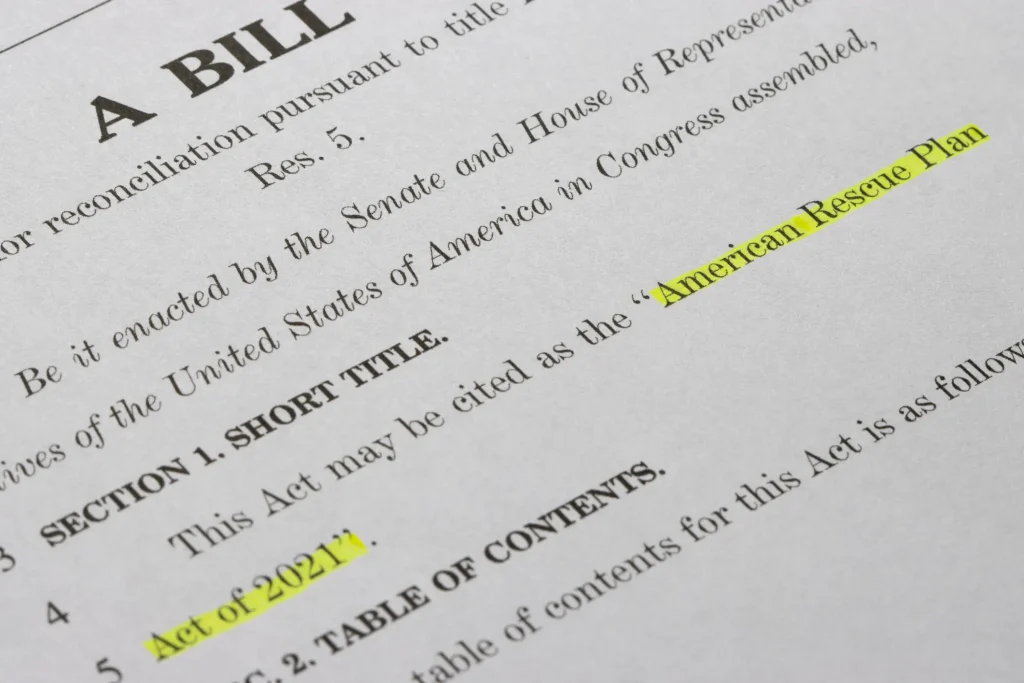
A close up of a proposition bill with some words and phrases highlighted.

California’s new Assembly Bill 1755, effective April 1, 2025, introduced major enhancements to the Lemon Law. Key updates under AB 1755 include:

  • Certified Pre-Owned Cars Covered– Previously excluded, these now qualify for lemon protection if sold with a manufacturer-backed warranty.
  • New Deadline Rules– Consumers must file within one year after warranty expiration or within six years from vehicle delivery, whichever comes first.
  • Harsher Manufacturer Penalties– Automakers can now be fined up to twice the vehicle’s value for willful violations.

According to California court records, lemon law filings were up 12% in Q1 2025 compared to Q1 2024. A quarter of these cases involved used vehicles, reflecting AB 1755’s impact.

4. EV Lemon Law Cases Are Growing Rapidly

A woman on the phone with a broken electric car that is not charging.

California leads the U.S. in electric vehicle ownership but rapid EV rollout has created new issues. A Consumer Reports survey in 2025 found that EVs have 79% more problems than gas-powered cars and this is due to a variety of technical issues such as:

  • Battery degradation or failure after low mileage.
  • Software bugs from failed over-the-air updates.
  • Build quality issues, especially in newer models like the Rivian R1T, Chevy Bolt EUV, and Tesla Model Y.

 To find out more about how California Lemon Laws apply to E.Vs, click here

5. Dealerships and Manufacturers Are Delaying or Denying Repairs

A car engine with tools on top of it.

As lemon claims increase, so do evasive tactics from dealers and automakers. Many use delay strategies to avoid liability and common pushback tactics include:

  • Blaming issues on driver misuse.
  • Offering extended warranties instead of repurchase.
  • Delaying service appointments or parts replacements.
  • Requiring excessive repair attempts before admitting the defect is a big deal.

Some law firms have been investigated for fraudulent billing practices in lemon law cases. At West Coast Trial Lawyers, we remain fully transparent and ethical in every case and our clients pay nothing unless we win.

How Do You File a Lemon Law Claim in California?

A woman looking confused at her car's engine.

Filing a claim doesn’t have to be a head-ache. Here’s a quick step-by-step:

Step 1: Document Everything

Keep repair invoices, work orders, and correspondence with the dealership. In addition, it is vital to track the dates of service and days out of commission.

Step 2: Know Your Warranty

Review the manufacturer’s warranty for eligibility and if the issue occurred during warranty coverage, you may qualify.

Step 3: Attempt Reasonable Repairs

Generally, you must allow 2 attempts for safety issues or 4 attempts for non-safety issues. Alternatively, your car being out of service for 30+ days may qualify.

Step 4: Consult an Attorney

California’s Lemon Law is favorable to consumers, but the process is legal-heavy. An experienced lemon law attorney can demand a refund, replacement, or settlement and push back against stalling tactics.

For a more in-depth guide on filing a lemon law claim on your own, click here. 

Let West Coast Trial Lawyers Fight Your Lemon Law Battle

Attorneys: Dean (Left) and Liana (Right) sitting down with a bowl of lemons inbetween them.

If your car is spending more time in the shop than on the road, you’re not alone… and you’re not powerless.

At West Coast Trial Lawyers, we’ve recovered over $1.7 billion for clients and maintain a 99% success rate in lemon law cases. We’ve taken on Maserati, Mercedes-Benz, Ford, and more! We don’t stop until you get the justice and compensation you deserve. Don’t let a defective car define your year. Let us help you turn that lemon into legal leverage.

Call us at (213) 927-3700 or fill out our convenient online contact form for a free case consultation!

Frequently Asked Questions About Lemon Law Claims

How Many Lemon Law Cases Are Filed in California Each Year?

In 2025, California is on pace to exceed 25,000 lemon law cases, up from 22,000 in 2023.

Can I File a Lemon Law Claim for a Used Car in California?

Yes, especially after AB 1755, certified pre-owned vehicles sold with warranties are covered.

What Compensation Can I Get In a California Lemon Law Case?

You may receive:

  • A full refund of the purchase price
  • A new vehicle replacement
  • A cash settlement
  • Civil penalties (if the manufacturer acted in bad faith)

How Long Do I Have to File a Lemon Law Claim?

You must file within 1 year of warranty expiration or 6 years from the delivery date, whichever comes first. 

The post Why Are Lemon Law Cases Increasing in California? appeared first on West Coast Trial Lawyers.

15 Questions to Ask a Lawyer Before You Hire Them

Having the right questions to ask a lawyer will give you a better sense of understanding in knowing if they have the expertise needed to handle your case. Whether you are unsure of what type of legal services you are looking for, how much it will cost, or how to file a claim, receiving answers from someone with legal experience can give you a peace of mind. They will help you determine the best course of action to take and explain how to proceed with confidence.

From reviewing your materials and considering your money concerns to offering professional guidance, a trusted law firm will ensure you know what to expect once you decide to move forward with your claim. Once you have verified credentials and confirmed if they are certified, you can get started with your consultation simply by reaching out via phone or their website, and expect them to respond in a timely manner to get you started on the legal process.

1. What Experience Do You Have with Cases Like Mine?

A person talking to an attorney about their case.

A lawyer who has relevant experience with your type of case will know how to effectively approach the situation and anticipate common challenges that may arise. Their understanding of how the court system works and what they expect out of insurance companies can give you a big advantage. When asking this question, be sure to have them share some examples of past cases. Do not hesitate to request results either. But, you should keep in mind that sensitive or confidential information may not be shared.

2. What Is Your Success Rate in Cases Similar to Mine?

A lawyer on the phone while taking notes.

Knowing a lawyer’s track record will help you get a grasp of what they have to offer and whether it will be enough for you to receive a favorable outcome. Success rate is not just about winning cases, but it also involves negotiating settlements and/or resolving disputes. You should ask them about their successes and if they faced any complications along the way to get an idea of what their skills and capabilities consist of.

3. How Long Do You Expect My Case to Take?

A person circling the 30th on a calendar.

Personal injury cases can last anywhere from a few weeks to years based on the severity of the situation. Court availability and cooperation from the opposing party may also affect the legal process. Knowing what potential delays may extend your lawsuit early on can reduce stress and prevent you from setting up unrealistic expectations. So, when speaking to a lawyer, you should ask about typical delays and what it could be caused by.

4. What Are My Chances of Winning or Reaching a Favorable Settlement?

A couple arguing about what kind of lawyer they should hire.

Each case has its own uncertainty. A lawyer’s assessment will give you a perspective on potential results, allowing you to make informed decisions in terms of pursuing a lawsuit, negotiating, or settling a case. This will give you an idea on how much time and emotional investment will be required to reach such an outcome. Excellent lawyers should provide a reasoning for their evaluation rather than a vague or general answer as it can provide a clear and transparent approach to your lawsuit. 

5. What Are the Potential Risks or Downsides of Pursuing This Case?

Two people addressing a judge.

Litigation can involve emotional strain, time commitment, and financial costs. Recognizing these risks early on can help prepare you for your case or even get you to decide whether it is worth pursuing. Our word of advice would be to ask the lawyer for examples of challenges they encountered in similar cases and how it was addressed.

6. How Do You Communicate with Clients?

A lawyer talking to his clients.

Client communication is important when pursuing legal matters. Some lawyers may provide updates only when they think it is necessary whereas others will maintain frequent check-ins. Knowing the communication style that they will bring to the table will help you understand when and how future interactions will play out. Try to express your expectations of response times and preferred methods of communication to form a stable attorney-client relationship.

7. How Often Will I Receive Updates About My Case?

A person on the phone.

Regular updates will help you understand what is going on with your case. This will  give you time to fulfill legal obligations in a reasonable and prompt manner. Be sure to ask if ongoing developments will be shared automatically shortly after it has been made or only if significant developments occur.

8. What Are Your Fees?

Definition of Legal fees.

Legal fees will vary for each type of case. Knowing how a lawyer charges for their legal services, whether it is an hourly rate or contingency fee, can help you plan financially and ensure no hidden costs are presented. You should ask for a written fee agreement that highlights the charges involved in your case and if any potential additional expenses will be included.

9. Are There Any Upfront Costs I Should Be Aware Of?

A woman squinting at some paperwork.

Understanding financial obligations when hiring a lawyer is important. Some will charge hourly rates, meaning you will pay them for the time spent on your case (typically requiring a retainer fee upfront). Others will handle cases on a contingency-fee basis, in which you owe nothing unless they win or settle your lawsuit. While this does not usually require upfront fees, you may still need to cover the following expenses:

  • Court filing fees
  • Deposition costs
  • Expert witness expenses

You should ask the attorney to outline possible costs in writing and clarify whether it will be deducted from your settlement or billed to you separately. This will help you plan your budget costs effectively.  

10. Who Else in Your Office Will Be Handling My Case?

WCTL office staff in the office.

In most personal injury law firms, paralegals, legal assistants, or support staff will step in to help with research, filings, or client communication. Understanding the team structure will help you get clarity on who you will be interacting with when it comes to certain legal matters. To fully grasp how work will be distributed, you should ask what specific responsibilities will be divided. 

11. What Documents or Evidence Do You Need From Me?

An Accident Report.

Providing documents or evidence will help you develop a strong personal injury case. Lawyers may often request a copy of contracts, medical records, or police reports depending on the situation presented. To ensure you give them the information they are looking for, you can request a checklist of items and keep duplicates at hand for quick and easy access.

12. Have You Handled Insurance Disputes or Negotiations Before?

A close up of an insurance policy with a pen, calculator, and a pair of glasses around the policy.

Personal injury and property claims typically deal with insurance companies. Lawyers who have experience with negotiations can help ensure you are granted fair compensation, and will prevent you from making mistakes that could weaken your case. During the discussion, ask for examples of cases they were able to successfully negotiate and learn what approaches they implemented to deliver positive results.

13. How Do You Handle Situations Where the Opposing Party Uses Social Media or Online Content Against a Client?

A person on their phone using social media.

Online content is commonly used in personal injury cases. Lawyers who know how to reduce risks from posts, messages, or photos can protect you against unnecessary complications. Our suggestion in this case would be to ask about content that should not be posted on social media and how evidence could be collected or used against you if you do move forward with a lawsuit.

14. Are There Any Alternative Ways to Resolve This Without Going to Court?

An arbitration agreement paperwork.

Some alternative ways to resolve a case without going to court include the following:

Either of these can help you save time and money when compared to litigation. Exploring the options presented can also lead to a quicker and mutually agreeable resolution. When you go over this topic with your attorney, you should ask them about the pros and cons for each legal option and whether they have experience facilitating such methods.

15. What Should I Do (or Avoid) While My Case Is Ongoing?

A woman on the phone while looking through her computer.

Your actions can affect the outcome of your case, whether it is from what you post online or what you share to others in person. Receiving guidance from a legal expert can help prevent unintentional harm that could tamper with your opportunity to recover compensation you are entitled to. Be sure to ask for do’s and don’ts during your consultation. This should specifically apply to handling evidence, communicating with the opposing side, and how to maintain your social media presence. 

Have Any Questions About Your Personal Injury Case? Get Answers From West Coast Trial Lawyers Today

Two rows of personal injury lawyers from WCTL.

We are here to answer any questions you have about your claim, review documents presented, and offer guidance to direct you into the right path. Whether you are preparing yourself to move forward with your case or just want to get clarity on your situation, our team is available with just a phone call or message away.

To book a FREE consultation, you can get in touch with us by calling (213) 927-3700 or filling out our easy online contact form

The post 15 Questions to Ask a Lawyer Before You Hire Them appeared first on West Coast Trial Lawyers.

What Are Exemplary Damages? [In-Depth Guide]

When you hear about someone winning a massive lawsuit, like millions of dollars above their actual losses, you’re probably hearing about exemplary damages. But what exactly are they? And more importantly, could they apply to your case?

At West Coast Trial Lawyers, we believe in empowering our clients with real knowledge, not just vague legal jargon. So let’s break it down in plain English: what are exemplary damages, when do they come into play, and why do courts award them?

What Is the Meaning of Exemplary Damages?

A judge banging their gavel in the courtroom.

Exemplary damages, otherwise known as punitive damages, are a form of remedy focused on punishing the wrongdoer and setting them an as example. Unlike compensatory damages (which cover things like medical bills, property damage, lost wages, or emotional distress), exemplary damages are awarded to send a message. They go above and beyond what you actually lost. The goal? To punish the defendant and deter others from doing the same thing.

Think of it like this:

  • Compensatory damages = “Make the victim whole again.”
  • Exemplary damages = “Make sure this never happens again.”

These damages are usually reserved for extreme behavior, stuff that goes way beyond simple negligence. 

What Kind of Behavior Justifies Exemplary Damages?

Let’s be clear: not every accident or injury case qualifies for exemplary damages. These are rare and only awarded when the defendant’s actions are truly outrageous. Here are a few situations where courts may consider exemplary damages:

Fraud or Deception

If someone knowingly lies, hides facts, or manipulates a situation to harm another person financially or emotionally, that could trigger exemplary damages. For example, a business that hides safety defects in a product and someone gets hurt? That’s fraud and potentially punishable.

Intentional Harm

Think assault, abuse, or road rage that leads to a crash. If someone meant to hurt you, exemplary damages are on the table.

Gross Negligence or Reckless Indifference

This is big in personal injury cases. If a company or person knew their actions were likely to hurt someone and did it anyway—or didn’t bother to fix a known danger—they could be hit with punitive damages due to gross negligence

Example: A drunk driver with multiple DUIs who crashes into you. That’s not just a mistake, it’s reckless, dangerous behavior the court might want to make an example of.

Exemplary Damages in California: The Legal Standard

A damages claim form on t able.

In California, exemplary damages are governed by Civil Code Section 3294. Under the law, you must prove the defendant acted with:

  • Malice– Intent to harm someone or conduct done with conscious disregard for someone’s safety.
  • Fraud– Intentional misrepresentation, deceit, or concealment with the intent to deprive someone of property or legal rights.
  • Oppression– Despicable conduct that subjects a person to cruel and unjust hardship in conscious disregard of their rights.

But here’s the key: you need clear and convincing evidence. That’s a higher standard than regular “preponderance of evidence.” You can’t just show it probably happened—you have to show it almost definitely did.

How Much Are Exemplary Damages Worth?

There’s no fixed amount. The court will consider factors like:

  • The severity of the misconduct
  • The defendant’s financial situation
  • How much was awarded in compensatory damages
  • Whether the amount is enough to actually deter future misconduct

In some cases, we’ve seen punitive damages be 2, 5, even 10 times the amount of compensatory damages, especially if the defendant is wealthy or a large corporation.

However, the U.S. Supreme Court has suggested that excessive ratios (like 50:1) may violate due process. So while there’s no hard cap, courts do try to keep things reasonable but still impactful.

How Are Exemplary Damages Awarded?

An empty courtroom.

Here’s how it typically works:

  1. The Jury First Decides Compensatory Damages:
    They figure out what you’re owed based on actual losses.
  2. Then, They Consider Exemplary Damages (If Applicable):
    If you’ve proven malice, fraud, or oppression, the jury can award additional damages purely to punish and deter.
  3. The Judge Has Final Say:
    Even if a jury awards exemplary damages, a judge can reduce or eliminate them if they’re deemed excessive or unsupported by the evidence.

This is why having a skilled trial attorney can make or break the outcome. We know how to build the right narrative, present the strongest evidence, and win both compensatory and punitive damages when justified.

When Should You Talk to a Lawyer About Exemplary Damages?

If you suspect that your injury, loss, or trauma wasn’t just a “bad accident” but the result of something intentional, reckless, or downright abusive… you need to talk to a lawyer.

Why? Because proving exemplary damages requires:

  • Digging into the defendant’s intent or knowledge
  • Investigating past behavior or policies
  • Building a case with expert testimony and hard evidence

It’s not something most people can handle alone. That’s where we come in. We know what to look for, how to prove it, and how to push for the maximum compensation you deserve.

Need Legal Help? West Coast Trial Lawyers is Here

A row of attorneys from West Coast Trial Lawyers.

Were you injured by someone else’s negligence or careless acts of malice? If you think your case might qualify for exemplary damages or you just want to understand your options let’s connect. 

Call West Coast Trial Lawyers today at (213) 927-3700 or use our online contact form for a free consultation. We don’t charge upfront. You don’t pay unless we win. Simple, honest, and effective.

Frequently Asked Questions About Exemplary Damages

Q1: Are Exemplary Damages Guaranteed in Every Lawsuit?
No. They’re only awarded in cases involving malice, fraud, or oppression—and you need clear and convincing proof.

Q2: Can I Get Punitive Damages in a Car Accident Case?
Yes—but only if the driver’s behavior was extremely reckless, like DUI, intentional harm, or fleeing the scene.

Q3: Is There a Cap on Exemplary Damages in California?
There’s no official cap, but awards must be reasonable. Courts may reduce excessive punitive damages.

Q4: How Do I Prove Malice or Fraud?
Through strong documentation, expert testimony, witness statements, and a skilled legal team connecting the dots.

Q5: Do Corporations Fear Exemplary Damages?
Absolutely. They hit reputations hard—and financially too. That’s why big cases often settle when punitive damages are a real risk.

The post What Are Exemplary Damages? [In-Depth Guide] appeared first on West Coast Trial Lawyers.

What Are Non-Economic Damages [An In-Depth Guide]

If you were harmed as a result of an accident, pursuing a personal injury case can help you recover the economic value of your losses, including medical bills or lost wages. But what about emotional distress or pain and suffering? These are classified as intangible losses that are difficult to measure in monetary terms, also referred to as non-economic damages. Situations involving such factors can be just as life-changing, particularly if it involves catastrophic injury.

While such losses can be harder to quantify, they are an important part of the recovery process. Knowing how it is defined, evaluated, and measured can play a crucial role when trying to comprehend your case as a whole.

What Are Non-Economic Damages?

A woman looking out of a window sadly.

Non-economic damages refer to compensation for intangible losses that do not have a dollar value. Unlike economic damages, which covers financial expenses, non-economic damages are made with the intent to cover physical and emotional harm caused by a collision. These may include:

For instance, if a victim’s suffering is caused by a car accident, they may secure non-economic damages for ongoing physical or emotional pain that restricts their ability to partake in activities they once enjoyed prior to the event. While such losses can be impactful, they are more subjective, and will require expert testimony and documentation to evaluate the situation and support your claim.

How to Calculate Non-Economic Damages

A sad couple looking at their bills.

There are a few common methods that courts, attorneys, and insurance companies may consider when calculating a fair value.

Multiplier Method

The multiplier method is the most used approach. The victim’s total economic damages, like medical bills or lost wages, is multiplied by a number between 1.5 and 5, depending on the severity of the injury. For instance, if a person sustains $20,000 in economic damages and the injury is deemed moderately severe, a multiplier of 3 could be used, leading to $60,000 in non-economic damages.

Per Diem Method

The per diem method assigns a daily dollar amount to the victim’s pain and suffering, then multiplies it by the amount of days the victim is predicted to experience suffering. For example, if $200 per day is reasonable and the individual is expected to suffer for 180 days, non-economic damages may result in a total of $36,000.

Case-By-Case Evaluation

In some cases, specifically in court, a judge or jury will determine the value of non-economic losses based on witness testimonies and expert opinions. Since non-economic damages are not connected to bills or receipts, you will need to present strong evidence, like medical records, photographs, or video footage to justify the amount being claimed.

What’s the Difference Between Economic and Non-Economic?

An old man holding his heart.

While non-economic damages covers non-monetary losses, like the emotional and personal impact of an injury, economic damages refers to actual financial losses a person has sustained. This includes measurable costs, like:

  • Medical expenses
  • Lost wages
  • Property damage

Unlike non-economic damages, which specifically compensates for pain or emotional distress, economic damages are connected to out-of-pocket expenses and documented financial hardships that emerge in the aftermath of an accident. 

Are Non-Economic Damages Taxable?

In most cases, non-economic damages are not taxable. However, there are a few exceptions on the nature of the claim and how damages are identified. 

If non-economic damages are granted for physical injuries or sickness, they will not be subject to federal income tax under the IRS rules. This includes compensation that covers pain and suffering, emotional distress, or loss of enjoyment of life all coming directly from a physical injury. 

But, if non-economic damages are given for emotional distress or mental anguish that is not associated with physical pain, then it could be taxable.

What Are the Different Types of Non-Economic Damages?

Non-economic damages can cover a range of personal, emotional, and psychological losses that result from an injury. While specific categories will vary based on the case presented, below are some common types that are often granted.

Pain and Suffering

The definition of the word 'Pain'.

Pain and suffering is one of the most commonly awarded forms of non-economic damages. It covers physical discomfort triggered by an injury, regardless of whether it is acute pain from broken bones or post-surgical complications. This also includes emotional anguish that often emerges due to physical pain.

For instance, a person is recovering from a spinal injury and is given physical limitations that are contributing to stress, frustration, and hopelessness. Pain and suffering is highly individualized, and will vary according to a person’s age, medical history, and long-term consequences of the injury.

Emotional Distress

A little girl experiencing emotional distress after losing a hand.


Emotional distress refers to the mental and psychological impact of the accident. Symptoms may include the following:

  • Anxiety
  • Depression
  • Insomnia
  • Flashbacks
  • Panic attacks

These conditions can be diagnosed by a mental health professional. Emotional distress can arise from trauma caused by the event itself, the burden of living with the injury, or the fear of encountering future medical treatment complications. It is typically awarded when there is evidence that a person’s mental health has declined as a result of a traumatic event.

Loss of Enjoyment of Life

A depressed woman sitting on the floor.

This recognizes the permanent changes made to how a person lives life fully. For instance, someone who may have enjoyed dancing or playing a sport may no longer have the ability to do so due to their injuries. 

Loss of enjoyment may also include limitations to daily activities, like not being able to drive or cook. This particular type of damage emphasizes the long-term lifestyle changes a victim will have to deal with. It can be supported by using personal statements, witness information, and life care planning reports.

Loss of Consortium

A depressed woman, crying in the middle of the night.

Loss of consortium may apply when the injury impacts close relationships, specifically with spouses or domestic partners. The damage may include:

  • Loss of companionship
  • Affection
  • Comfort
  • Sexual relations

For example, a spouse may no longer have the ability to share parental duties or participate in family activities as they once did prior to the event. This type of damage may require testimonies from the injury victim and their family members.

Disfigurement and Physical Impairment

A person in a wheelchair.

When an injury causes visible changes, like scarring or burns, it can trigger deep emotional consequences. Disfigurement itself can result in self-consciousness and long-term psychological trauma. This especially applies if the changes tamper with your face or body image. 


Permanent impairments, like loss of mobility or paralysis, can also affect almost every aspect of your life. Such damages far exceed physical limitations and account for the emotional burden of having to adjust to a new sense of reality.

How to Prove Non-Economic Damages

To prove non-economic damages, you will have to show how the injury affected your overall lifestyle. You will need to gather supporting evidence to back up your claim, including: 

  • Medical records to determine the extent of pain and any permanent impairments.
  • Personal testimony to show how the injury affected your daily activities.
  • Statements made by friends and family members to explain how your life has changed.
  • Photos, video footage, or journals to use as evidence of your diminished quality of life.
  • Expert opinions from doctors or therapists to acquire insight on how your injury will continue to have long-term consequences for your mind and body.

Can You Still Recover Non-Economic Damages if You Were Partially At Fault?

You can still recover non-economic damages if you were partially at fault for an accident. California follows the pure comparative negligence system, meaning that your compensation may be reduced according to your share of fault. For instance, if you are 30% liable, your total pay will be adjusted by 30%. 

This rule may apply to all types of damages, including non-economic damages. The opposing side, however, may try to argue that your level of negligence should drastically reduce your amount or even discourage you from pursuing a claim. That is why it is important to provide strong evidence and work with an excellent lawyer who can protect your interests and get you the compensation you are entitled to. 

To get an estimated value of what your accident case could be worth, you can input the losses you suffered into our personal injury settlement calculator.

What Is the Limit on Non-Economic Damages?

A close up of a proposition bill with some words and phrases highlighted.

In May 2022, California passed Assembly Bill 35, which overhauled the Medical Injury Compensation Reform Act (MICRA). This change introduced higher caps on non-economic damages, particularly for medical practice claims that have been filed on or after January 1, 2023. 

Currently, there are no non-economic damage caps when it comes to most personal injury lawsuits, such as car accidents or slip and falls. But in medical malpractice cases, for 2025, non-economic damages are capped by:

  • $430,000 for non-death cases
  • $600,000 for wrongful death cases

These limits will increase each year until they reach $750,000 and $1 million, then will be adjusted for inflation. Any medical malpractice claims filed before January 1, 2023 will have the old $250,000 limit applied.

What States Have Caps on Non-Economic Damages?

Although non-economic damages can contribute to deeply personal losses, some states may enforce restrictions on how much compensation may be awarded. These caps will vary based on the type of case, whether it be medical malpractice or personal injury. Knowing which particular state has limits established and how they apply can make a significant impact on the outcome of a claim.

Arizona

Arizona has no caps. The state constitution prohibits laws that implement limits on the amount of recoverable damages in a personal injury or wrongful death case. This includes non-economic damages, such as pain and suffering. Courts have frequently upheld this ban, making Arizona one of the states where victims can seek full financial recovery for intangible losses without reaching a statutory limit. 

Nevada

Nevada does not necessarily have a universal cap on non-economic damages in most personal injury claims. But, there is one exception: medical malpractice cases. Non-economic damages will be capped at $350,000 regardless of how many plaintiffs or defendants are involved. This is a strict cap and will not be adjusted for inflation. For other types of claims, such as car crashes or premises liability, no cap applies. 

Washington

Similarly to Arizona and Nevada, Washington also has no statutory cap on non-economic damages when it comes to personal injury or wrongful death cases. A prior attempt to limit damages was denied by the Washington Supreme Court, ruling that caps violate the right to a jury trial under the state constitution. 

Need Help Proving Non-Economic Damages? Contact West Coast Trial Lawyers Today

Two rows of personal injury lawyers from WCTL.

Proving the full extent of your damages, even those that are difficult to measure, can be challenging when it comes to personal injury cases. If you are undergoing such a process, legal guidance can make an impactful difference. At West Coast Trial Lawyers, our knowledgeable personal injury attorneys can assess your situation, establish fault, and negotiate with the insurance companies to ensure you are granted the compensation you deserve. 

Our law firm operates under a contingency-fee basis, meaning you owe us nothing unless we win your case. To set up a FREE consultation, you can contact us by calling (213) 927-3700 or filling out our easy online contact form

The post What Are Non-Economic Damages [An In-Depth Guide] appeared first on West Coast Trial Lawyers.