Understanding motorcycle road rash injuries

When it comes to motorcycle accident injuries, we often think of brain trauma or broken bones. Yet, those are not the only serious injuries motorcycle accidents produce. Road rash is another common and severe one, especially if not treated promptly, allowing complications to develop.

If another person’s negligence caused the motorcycle accident leading to your experience with road rash, connect with a Kansas City personal injury lawyer from the team at Langdon & Emison. We are here to help you seek compensation to cover your losses and restore justice.
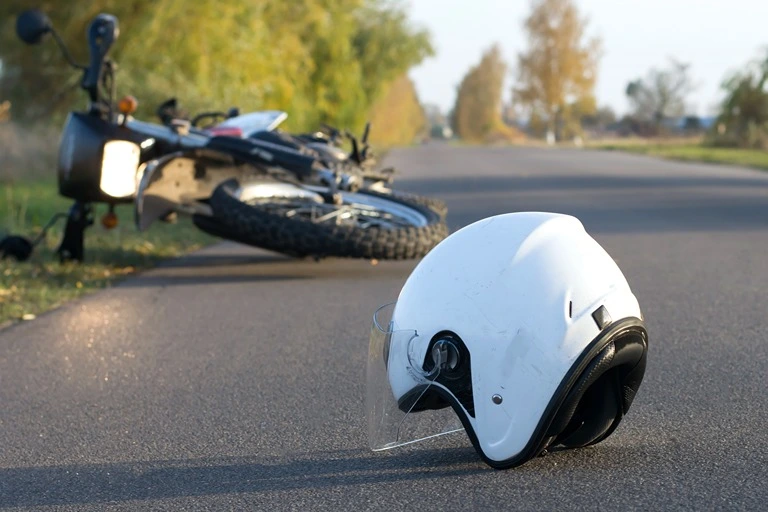
motorcycle road rash

What exactly is a road rash?

What are commonly called road rash injuries are actually friction burns. They occur when bicyclists or motorcyclists are involved in crashes, causing their skin to come in rough contact with the road. The friction between the road and the skin results in a scrape or abrasion.

When the scrape is surface-level deep, it can heal quickly with proper treatment. Road rash that goes deeper can damage the soft tissue beneath the layers of skin. Typically, the injuries produce bleeding and leave those injured with bright red wounds. If the road surface is scattered with debris or loose gravel, small pieces of that debris can become embedded in the skin, leading to infection.

How do motorcycle accidents cause road rash injuries?

Motorcycle accidents usually occur when motorcycles travel at moderate or high speeds. When motorcyclists hit the pavement, they will likely remain in motion for some distance, being dragged across the roadway. It is easy to see why the friction burns sustained in this type of accident can be intense.

Motorcyclists have little protection when involved in accidents. Though helmeted riders may be protected from facial burns, the rest of their bodies are more vulnerable. Wearing protective clothing can help, but not all riders wear full-body gear, and no gear is foolproof. It can be torn upon impact or dragged along the ground, exposing skin to pavement.

Symptoms range from mild to severe

The severity of the injury and its potential consequences depend on various factors, including the effectiveness of protective gear, the power of the crash, and the type of road surface.

First-degree

Those fortunate enough to escape with mild road rash, also called “first-degree,” will experience abrasions affecting the top layer of skin. With proper cleaning and wound care, these scrapes usually heal fully. Still, victims must monitor the wound. Even mild road rash injuries can become infected and lead to complications.

Second-degree

Moderate or “second-degree” road rash produces abrasions that go deeper than the skin’s top layer. Moderate road rash can produce open wounds with skin blistering and significant pain. It is best to seek medical treatment for these second-degree burns to ensure they are properly cleaned and dressed to prevent infection.

Third-degree

Severe, or “third-degree,” friction burns damage the skin and the soft tissue beneath it. The skin may be damaged enough to expose muscles, bones, and tendons. Victims need immediate medical care as third-degree road rash comes with a high risk for infection, scarring, and other complications, including nerve damage and limited mobility or sensation in affected parts of the body.

According to the University of Alabama, some Incidences of severe road rash warrant care from burn specialists. The Journal of Burn Care and Research supported this recommendation in a recently published study.

road rash motorcycles

Effects of road rash injuries

During recovery, victims may require hospitalization or outpatient therapy. In either scenario, they may miss time away from working and earning. If their wounds require more time to heal, victims may be out of work long-term or only able to return to work in a limited capacity. The combination of medical costs and reduced income is a recipe for financial distress.

The trauma of the accident, the physical pain of the injury, and the potential for permanent scarring can leave victims suffering emotionally. Their injuries may prevent them from participating in their daily and social lives as they had before the accident, prompting loneliness and the onset of depression. If the injuries cause disfigurement, their altered appearance, and the fear of how others will react to it, which can produce high levels of anxiety.

Victims of road rash injuries caused by someone else’s negligence have the right to seek compensation for their losses. The team at Langdon & Emison can help. We tirelessly hold at-fault parties accountable and get victims a just settlement.

Helping accident victims is what we do at Langdon & Emison

Road rash and motorcycles, which are unfortunate but common combinations. If you have sustained a severe road rash injury and need justice, Langdon & Emison is ready to help. We serve accident victims in Missouri and Illinois through our offices in Lexington, St. Louis, N. Kansas City, and Chicago.

Reach out for a free consultation with a message or by calling (866) 931-2115.

The post Understanding motorcycle road rash injuries appeared first on Langdon & Emison.

How to prove conscious pain and suffering in a wrongful death case

You’ve decided to file a wrongful death suit against the person who caused your loved one’s death. You may be familiar with damages like loss of income and loss of companionship, but did you know you can also recover for the pain and suffering that your family member experienced in the moments, hours, or days before they died?

These damages are known as “conscious pain and suffering,” and they’re recoverable with the help of a skilled Kansas City wrongful death attorney. Keep reading to learn how that’s done.


What is conscious pain and suffering?

“Conscious pain and suffering” refers to the pain or fear that your loved one experienced between their injury and their death. It’s a way to compensate the victim’s family for the agony their loved one endured through no fault of their own.

Certain situations do not warrant compensation for conscious pain and suffering. For instance, if your loved one didn’t see the semi-truck approaching and died immediately upon impact, it’s unlikely that you can recover for conscious pain and suffering. However, if your loved one survived the impact with severe injuries and spent a day in the hospital before passing away, they likely experienced fear, pain, or some other type of suffering that may warrant this type of compensation.

How do you prove conscious pain and suffering in a wrongful death case?

Witness testimony is crucial in proving these types of cases. You may have spent time at the hospital with your loved one before they passed away, or you may have communicated with doctors and otherwise acted as your loved one’s caregiver. In these situations, you likely saw firsthand the suffering that your loved one went through before they died. Your testimony is crucial in proving conscious pain and suffering.

Witness testimony from the scene of the incident can also attest to your loved one’s suffering. Your attorney may interview anyone who was involved or with the victim afterward.

(H3) What happens if I’m called to testify?

If your wrongful death lawyer decides to use your testimony for the case, be prepared. You’ll probably be deposed by both your lawyer and the defendant’s. Depositions are formal question-and-answer sessions conducted under oath and transcribed by a court reporter. These can be upsetting for many people, but your lawyer will be there during the session, offering support and advice. You may also have to testify at trial if your case isn’t settled out of court.

It’s not enough to simply show that the victim lived for a period of time after the accident. Your lawyer must demonstrate that they were in pain from the injuries. They may use your loved one’s medical records, which could contain any kind of palliative care provided or pain management strategies. If your loved one was in hospice, then the caregivers from hospice may also be deposed, as they could testify to your loved one’s pain and any type of pain management they provided.

What kind of damages are available in a wrongful death suit?

Missouri personal injury laws permit plaintiffs in a wrongful death suit to seek compensation for the pain and suffering their loved one experienced after the accident. However, the laws do not permit damages from the pain and suffering of death. It’s a small distinction but one that a defense lawyer will exploit. If your loved one’s death was close to simultaneous with their passing, then the defense lawyer may contest your claims for conscious pain and suffering.

You can seek economic compensation for:

  • Loss of financial contribution to the household, like unearned wages
  • Loss of retirement contributions or loss of a pension
  • Medical expenses your loved one incurred before they passed away

Your suit may also include non-economic damages, which include conscious pain and suffering, plus:

  • Loss of companionship, consortium, or guidance
  • Your loved one’s emotional trauma before they passed

Contact Langdon & Emison today for help pursuing a wrongful death claim

Do you need help holding the person who caused your loved one’s death accountable for their negligence? Are you curious about your options for a wrongful death lawsuit? We can help. Contact Langdon & Emison today by calling (866) 931-2115 for a free consultation with an experienced Kansas City wrongful death lawyer.

The post How to prove conscious pain and suffering in a wrongful death case appeared first on Langdon & Emison.

Spinal cord injury and diabetes: What you need to know

If you’ve been in an accident and suffered a spinal cord injury, you may now be disabled and unable to work in the same capacity you did before. You may be unable to care for yourself without help or contribute to your family like you once did. This is a big adjustment and traumatic for many spinal cord injury victims.

Plus, the damage from the accident that caused your spinal cord injury may not be limited to just disabling you. If you have a spinal cord injury or spinal cord disorder, you could have a significantly higher chance of developing type II diabetes than other people.

Has this happened to you? You could have legal recourse to demand additional compensation. An experienced Kansas City personal injury lawyer can give you legal insight into your options for compensation for spinal cord injury and diabetes.

What is diabetes?

Diabetes is a serious chronic disease in which the pancreas does not produce enough insulin for your body to manage its blood glucose levels (blood sugar) properly. High blood sugar is extremely dangerous and causes serious, sometimes irreparable, harm to your cells and organs.

The disease takes two forms: Type 1 and Type 2. People with Type 1 Diabetes have a genetic disposition to the disease and can’t take steps to avoid developing the disease. It’s also not reversible. However, spinal cord injury victims often develop Type 2 Diabetes, which can be avoided or reversed if the person makes dietary and lifestyle changes. Many people develop Type 2 Diabetes because they lead a sedentary lifestyle and eat a diet high in sugar and carbohydrates.

Even people with spinal cord injuries could reverse the progress of Type 2 Diabetes or even become diabetes-free. Still, they face challenges that more able-bodied people do not: difficulty or lack of mobility.

Spinal cord injury and diabetes – who is at risk?

People who are sedentary or obese have a high risk of developing Type 2 Diabetes. People with spinal cord injuries or degenerative spinal cord conditions typically fall into at least one of these categories. The risk increases if the person has high amounts of abdominal fat. Fat cells cancel out insulin’s effects, contributing to insulin resistance.

When cells resist insulin, the body’s blood sugar levels remain high. The pancreas makes more and more insulin, but the insulin cannot get into the cells to moderate blood sugar. Eventually, the pancreas fails to produce insulin naturally. The person must now take insulin injections or have an insulin pump inserted.

Paraplegics and quadriplegics tend to store fat more around the abdomen and have a higher level of abdominal fat than an able-bodied person who is similar in size and waist circumference. This leads to a higher risk of developing Type 2 Diabetes.

Do I have diabetes?

It’s possible you have diabetes or are pre-diabetic and don’t know it. You may need a doctor to perform a glucose test if you’re in a high-risk demographic. The early symptoms and signs of diabetes can go unnoticed for years, as they’re often subtle and slow to present.

Classic symptoms of diabetes include:

  • Excessive thirst
  • Frequent urination
  • Excessive hunger
  • Sugar craving

Complications from a spinal cord injury and type II diabetes

Going on insulin injections and having your pancreas fail are just two complications of type II diabetes. Without treatment and a lifestyle change, your blood can eventually poison you. Untreated diabetes could also result in progressive vision loss ending in blindness.

Untreated Type 2 Diabetes can also start causing your tissues to necrotize. It could start with your toes and feet, spreading to your lower legs and up the body. These tissues could get damaged to the point of gangrene, which can be deadly unless the affected part of the body is amputated.

Someone with a spinal cord injury may not notice the telltale signs of diabetes-caused necrosis, which is tingling or numbness in the toes and feet. If your spinal cord injury has damaged the nerves in the lower part of your body, you won’t feel this symptom.

A Missouri personal injury lawyer can help you get compensation for a progressive disease

Have you developed diabetes after a spinal cord injury? If your spinal cord injury was caused because of someone else’s negligence, then you could be eligible for compensation for your injury and other losses. If you developed Type 2 Diabetes because you are now sedentary due to the spinal cord injury, you could receive compensation for any expenses and losses you suffer.

We can help. Contact Langdon & Emison at (866) 931-2115 for a free consultation.

The post Spinal cord injury and diabetes: What you need to know appeared first on Langdon & Emison.

How do truck accident investigations work?

A truck accident investigation needs to begin as soon as possible after the accident before critical evidence disappears. This evidence significantly affects a client’s chances of obtaining full compensation.

Gathering evidence

Truck accident investigations typically begin by establishing the accident scene. Pictures of skid marks on the road are good examples. These skid marks could indicate the truck was going too fast, and the driver had to slam on their brakes in an effort to avoid hitting you. Your attorney may also speak with owners or employees of nearby businesses who might have security cameras that witnessed the accident.

Event data recorders

Collecting evidence could also include getting data from the truck’s event data recorder (EDR), commonly referred to as the “black box.” This EDR data can provide critical information on how the truck was operating at the time of the crash. The EDR, for instance, can show the speed at which the truck was moving, tire pressure, whether or not the brakes were applied, and much more.

Speaking with witnesses

Interviews are another key component of truck accident investigations. Your attorney can speak with eyewitnesses to get their account of how the accident took place. Witnesses can provide critical information, such as whether or not the truck was weaving, or if they heard screeching brakes.

Attorneys will often speak to the truck driver, too. Truckers will sometimes admit they were driving while fatigued. If there are any other involved parties, such as other motorists or passengers in the truck, your attorney will also speak with them.

The next step will usually involve assessing the damage to all of the vehicles. Your lawyer will look at the damage to your car, the truck, and likely all other involved vehicles. They’ll look for any evidence of a critical component such as a failure with a component of the truck like a tire or the braking system. 

They will also begin to assess the physical, emotional, and mental damages that were caused by the accident. This can be done by reviewing your medical records and even by talking to you to gauge and understand how the accident has affected you and your everyday life. 

Analyzing the evidence

Finally, your attorney will perform a detailed analysis of all the evidence they obtain. Once that analysis is done, they’ll know how the accident occurred and who was to blame. Your lawyer will then take the steps needed to pursue compensation from all liable parties.

Not only are our attorneys experienced in conducting truck accident investigations, but we also have a long track record of helping our clients obtain maximum compensation. Call (866) 931-2115 to schedule a free case evaluation to learn how we can help you.

The post How do truck accident investigations work? appeared first on Langdon & Emison.

What should I do if the trucking company contacts me after the accident?

The aftermath of a truck accident can be a devastating, confusing time – especially if you’ve suffered a severe injury. Unfortunately, that won’t stop the semi truck’s insurance company from trying to get in touch with you. Their adjuster might act like your friend, but they’ll actually be the opposite. They’ll try to trick you into making a mistake that will damage your chances of obtaining maximum compensation.

A St. Louis truck accident lawyer with Langdon & Emison won’t let this happen to you. We’ll shield you from the harassment of an insurance company adjuster and will work to make sure you get every dollar you deserve. Contact us online or call (866) 931-2115 to schedule a free consultation.

In the meantime, here’s some information to help guide you on how to deal with a semi-truck insurance company following an accident.

What to do

You should speak with an attorney as soon as possible. A lawyer can take the hassle of dealing with the insurer completely off of your plate. If the insurer still tries to call you, simply refer them to your lawyer. Contact your insurance company, too, as they can help provide you with some assistance while your claim is pending with the trucking company’s insurer.

The only information you should share with the semi-truck insurance company is your name and contact information, that of your personal injury attorney, and your insurance information. That’s really it.

Keep track of every semi-truck insurance company’s attempt to get in touch with you. This means writing down every phone call and keeping every email and letter. This could come in handy if your case goes to trial. If the insurer continued to harass you even though you directed them to call your lawyer, a jury may be more inclined to decide in your favor.

What not to do

It’s really important that you know some of the pitfalls that have trapped unsuspecting truck accident victims regarding insurance companies. If an adjuster calls, be polite and calm – even if you feel otherwise. The insurer is going to use whatever you say against you, so be extremely careful regarding your choice of words.

Here are a few other things to avoid when the insurer gets in touch.

Never admit even the slightest amount of blame

Even if you think you might have been partially responsible for the accident, don’t say anything to that effect. Your best course of action will be to not answer any questions unless you have an attorney by your side.

Don’t reveal any details about the accident, including injuries

Don’t discuss the accident with anyone except your lawyer. If the semi-truck insurance company asks questions, just tell them you don’t feel comfortable speaking with them without your lawyer.

Don’t agree to have your statement recorded

The adjuster will likely want to record your conversation. Agreeing to this will be a big mistake. Again, the insurer is going to use everything you say against you, and try to deny the compensation you deserve. Adjusters are notorious for asking misleading questions designed to get an injury victim to admit fault. When they’re successful, they can ruin that victim’s case.

Let us protect you

When you work with the St. Louis truck accident lawyers with Langdon & Emison, you won’t have to deal with hassle from the semi-truck insurance company. We’ll take care of all correspondence so you can focus on recovering physically and emotionally. Please don’t hesitate to use our online contact form or call (866) 931-2115 for a free review of your case.

Related articles for further reading

The post What should I do if the trucking company contacts me after the accident? appeared first on Langdon & Emison.

How do lawyers negotiate settlements?

If you’re pursuing a personal injury lawsuit, like a car accident claim or a slip-and-fall liability case, you’ve probably heard your St. Louis personal injury lawyer talking about negotiating a settlement for you. Your settlement should cover current and future medical care, lost wages from time missed at work and compromised future earning capability, and property damage sustained in the accident.

But how exactly do lawyers negotiate settlements? Let’s dive in.

The settlement negotiation process

Most lawsuits start with a demand letter drafted by the victim’s lawyer (the plaintiff) and sent to the at-fault party (the defendant) and their insurance company. The demand letter lays out the facts of the case, the defendant’s liability, the extent of the plaintiff’s injuries, and a dollar amount for full and fair compensation for their losses.

On receipt of the demand letter, the defendant’s lawyer may:

  • Agree to the proposed terms. If the defendant is clearly in the wrong and the settlement is smaller, the insurance company may pay right away, saving itself further legal expenses
  • Agree to liability but offer a lower settlement
  • Deny liability and the proposed settlement

If the first happens, then your case is essentially over. You’ll simply sign the settlement agreement and collect your award.

If the other party contests anything, your lawyer will file a suit (if they haven’t already), and settlement negotiations begin.

How lawyers negotiate settlements

Personal injury lawyers are experienced negotiators representing their client’s best interests. Each attorney may have their approach to negotiations, but all have the same goal: to get the highest possible settlement for their client.

The stronger the facts are in your favor, or the more evidence your lawyer has to build a case against the other party, the better position they are in to negotiate. Often, the negotiation strategy your lawyer uses depends on the circumstances of your case.

When do settlement negotiations occur?

Settlement negotiations can happen at any point in the lawsuit process, from the time the suit is filed to the time the trial starts. Either party can initiate formal settlement negotiations in mediation. Mediation involves a trained mediator who directs the negotiations and acts as a liaison between the two parties.

What issues are negotiated?

Each component of your proposed compensation may be up for negotiation. For example, the insurance company may agree to fully pay your medical bills but debate the dollar amount your lawyer proposes for anticipated future medical care.

Lost wages are another commonly contested settlement element. The actual wages you didn’t earn because you missed work to heal from your injuries can easily be calculated. But if your injuries preclude you from working in the job you had before the accident, your future earning potential may be compromised. Your lawyer asks for the difference between what you would have earned and what you can now earn until retirement had you not been injured.

How do negotiations end?

Most of the negotiations are about arriving at a dollar amount for each area of compensation. Once your lawyer and insurance company agree on an amount for each, you review the proposed settlement. It’s always the plaintiff’s decision to accept the settlement or take a chance at trial for a higher amount.

When you agree on the settlement, it’s signed and entered into the court as a formal agreement that legally binds all parties involved.

Do you need help with how to negotiate insurance settlement?

If you’ve been offered a settlement by the other party in your case and aren’t sure if it’s a good offer, it’s not too late to speak with a St. Louis personal injury attorney. A recent survey noted that 91% of people who hired a lawyer for a personal injury claim received a settlement. By comparison, only 51% of those who did not hire a lawyer.

Contact Langdon & Emison today at (866) 931-2115 for a free case consultation.

Want to learn more about personal injury claims and compensation? Check out these related articles:

The post How do lawyers negotiate settlements? appeared first on Langdon & Emison.

4 Common Dangers for Recreation on the Water

Outdoor recreational activities include a magnitude of ways to enjoy the summer sun. Boating is a popular summer outing, especially during holiday weekends, but it’s one that can there are steps you can take to keeping yourself and others out of harm’s way.

Drowning, collisions, carbon monoxide poisoning, and propeller accidents are some risks one is taking when engaging in watercraft activities. Being aware of surroundings, other boats, and swimmers are ways to keep people safe.

  1. Drowning is a major danger surrounding watercraft activities. Drowning can occur in a variety of ways, whether a boat collides with another, a person falling overboard, or even a boat capsizing. Making sure lifejackets are being worn is an important part of reducing the risk of drowning.
  2. Boating safety not only applies to those on a boat, but also the other boats around. Collisions with other boats, debris, or anything else on the water is likely if not being cautious. Operating boats at an appropriate speed, checking the waters and water depth are all ways to help prevent collisions.
  3. Carbon monoxide poisoning can occur from the fumes coming off the exhaust of the boat, or other boats around. CO poisoning can take form in symptoms like headaches, fatigue, nausea, and dizziness. Ventilation and fans built into the boat help to prevent CO poisoning and lessen the risk of exposure.
  4. Propeller accidents can cause major lacerations, amputations, and extreme bodily harm. Being cognitive of where a person is in the water, and positioning around a boat is important. Interaction with a propeller shouldn’t occur if proper safety guidelines are followed about propeller awareness.

The post 4 Common Dangers for Recreation on the Water appeared first on Langdon & Emison.

Why shouldn’t I just accept the trucking company’s insurance settlement?

If you’ve suffered an injury in a truck accident that wasn’t your fault, the trucking insurance may have already offered you some sort of settlement. This will especially be the case if they know you haven’t hired an attorney. That offer is going to seem like a lot of money, and it might be, so it’ll be tempting to accept it.

You can’t undo your decision after accepting a settlement, so it’s important to weigh your options and make the best decision with the help of a St. Louis truck accident attorney. Accepting the settlement too soon could be a decision you’ll regret – keep reading to learn why.

Why you shouldn’t immediately accept the settlement

There are a lot of reasons why accepting the initial trucking company insurance settlement could be a bad idea. Here are just a few.

You may be entitled to more money

The insurance policies that cover commercial trucks are worth an incredible amount of money, often worth $1 million or even more. Since injuries in trucking accidents tend to be severe, they cost more to treat than those that result from the typical car wreck. If your settlement offer is only a fraction of that amount, you could be leaving a lot of compensation on the table.

Your injuries could be worse than you think

There’s a chance you don’t yet know the full extent of your injuries. If you accept a settlement, that will be the end of your case. If you need more involved treatment than you think, you’ll be responsible for paying for it.

The offer may not include pain and suffering

Insurance companies are notorious for trying to reduce accident claims as much as possible. Not only is the initial settlement offer unlikely to cover all of your medical expenses, but it also might not come close to properly compensating you for all of the pain you’re experiencing.

You’ll likely be eligible for pain and suffering compensation, emotional distress, and other types of intangible damages, but they won’t want to properly compensate you for them without a fight.

Tactics used by the insurance company to reduce your settlement amount

The insurance company adjuster may try to act like your friend, but they’re anything but on your side. Adjusters are very skilled, highly paid professionals whose job is to help the insurer save as much money as possible. As a result, they’re not above trying to trick accident victims into accepting lowball settlement offers.

One tactic they’ll use is to try and trick you into accepting at least partial blame for the accident. They’ll ask misleading questions and might even record your answers. If you allow this and you get tricked into saying something wrong, you could easily make a mistake that will cost you a lot of money.

The insurance company might also try to intimidate you by saying that this will be the only offer they’ll make. That’s nothing but a bluff. Once you have a St. Louis truck accident lawyer, that initial settlement offer will be the beginning of negotiations, not the end.

Contact us to learn more

Don’t hesitate to speak with a St. Louis truck accident lawyer with Langdon & Emison before accepting any trucking company insurance settlement. Use our online contact form or call (866) 931-2115 for a free case review. We’ll work closely with you to make sure that any settlement offer is fair based on your injuries and accident-related expenses.

Related articles for further reading

The post Why shouldn’t I just accept the trucking company’s insurance settlement? appeared first on Langdon & Emison.

What should I do if the trucking company contacts me after the accident?

The aftermath of a truck accident can be a devastating, confusing time – especially if you’ve suffered a severe injury. Unfortunately, that won’t stop the semi truck’s insurance company from trying to get in touch with you. Their adjuster might act like your friend, but they’ll actually be the opposite. They’ll try to trick you into making a mistake that will damage your chances of obtaining maximum compensation.

A St. Louis truck accident lawyer with Langdon & Emison won’t let this happen to you. We’ll shield you from the harassment of an insurance company adjuster and will work to make sure you get every dollar you deserve. Contact us online or call (866) 931-2115 to schedule a free consultation.

In the meantime, here’s some information to help guide you on how to deal with a semi-truck insurance company following an accident.

What to do

You should speak with an attorney as soon as possible. A lawyer can take the hassle of dealing with the insurer completely off of your plate. If the insurer still tries to call you, simply refer them to your lawyer. Contact your insurance company, too, as they can help provide you with some assistance while your claim is pending with the trucking company’s insurer.

The only information you should share with the semi-truck insurance company is your name and contact information, that of your personal injury attorney, and your insurance information. That’s really it.

Keep track of every semi-truck insurance company’s attempt to get in touch with you. This means writing down every phone call and keeping every email and letter. This could come in handy if your case goes to trial. If the insurer continued to harass you even though you directed them to call your lawyer, a jury may be more inclined to decide in your favor.

What not to do

It’s really important that you know some of the pitfalls that have trapped unsuspecting truck accident victims regarding insurance companies. If an adjuster calls, be polite and calm – even if you feel otherwise. The insurer is going to use whatever you say against you, so be extremely careful regarding your choice of words.

Here are a few other things to avoid when the insurer gets in touch.

Never admit even the slightest amount of blame

Even if you think you might have been partially responsible for the accident, don’t say anything to that effect. Your best course of action will be to not answer any questions unless you have an attorney by your side.

Don’t reveal any details about the accident, including injuries

Don’t discuss the accident with anyone except your lawyer. If the semi-truck insurance company asks questions, just tell them you don’t feel comfortable speaking with them without your lawyer.

Don’t agree to have your statement recorded

The adjuster will likely want to record your conversation. Agreeing to this will be a big mistake. Again, the insurer is going to use everything you say against you, and try to deny the compensation you deserve. Adjusters are notorious for asking misleading questions designed to get an injury victim to admit fault. When they’re successful, they can ruin that victim’s case.

Let us protect you

When you work with the St. Louis truck accident lawyers with Langdon & Emison, you won’t have to deal with hassle from the semi-truck insurance company. We’ll take care of all correspondence so you can focus on recovering physically and emotionally. Please don’t hesitate to use our online contact form or call (866) 931-2115 for a free review of your case.

Related articles for further reading

The post What should I do if the trucking company contacts me after the accident? appeared first on Langdon & Emison.