The link between daylight savings and traffic accidents

Daylight savings time (DST) has been a topic of debate and controversy for years, with many people questioning whether the benefits are worth the negative consequences.

One such consequence is an increase in daylight savings traffic accidents during the spring and summer months. Fatal accidents and injuries tend to rise among truckers during this time, but other drivers are also at risk.

If you’ve suffered an injury or lost a loved one in an accident caused by another’s negligence, a St. Louis car accident lawyer with Langdon & Emison will be ready to help. We have an extensive track record of success in these types of cases and will fight for the full and fair compensation you deserve.

Shift in circadian rhythm

One reason for the increase in accidents is related to the body’s circadian rhythm. Our bodies are designed to be awake during the day and asleep at night.

This natural rhythm is disrupted when we change our clocks for DST. Even a small change in the sleep cycle can have a significant impact on our ability to function and make decisions.  

Studies have shown that the Monday after the switch to DST is associated with a 6% increase in fatal car accidents. Our bodies need time to adjust to the new schedule, and disrupting our natural sleep patterns can lead to fatigue and a lack of alertness.

Blue light issues

Another factor that plays a role in the increase in accidents is the ambient blue light that is present during the longer daylight hours.

Blue light has been shown to affect the body’s production of melatonin, a hormone that helps regulate sleep. This means that even though we have more daylight in the evening, our bodies may not be as prepared for sleep as they would be if we had gone to bed earlier.

This can lead to fatigue and decreased cognitive function, increasing the risk of daylight savings traffic accidents.

DST and truck drivers

Truckers are subject to federal regulations that limit the number of hours they can work per day and week, but these regulations don’t take into account the effects of DST on their circadian rhythm. That’s why time changes during spring can increase the risk of truck accidents.

Other drivers are also at risk. The longer daylight hours may lead to more people staying out later and driving while fatigued. This can be particularly dangerous on weekends and holidays, when people may be more likely to consume alcohol or drugs and then get behind the wheel.

Studies have shown that the number of alcohol-related accidents increases during the spring and summer months, and the switch to DST may exacerbate this problem.

Reducing the risks

The link between daylight savings time and traffic accidents is a complex issue that involves a variety of factors. The disruption to our circadian rhythm, the presence of ambient blue light, and the increased risk for truckers and other drivers all contribute to the problem.

While there are benefits to having more daylight in the evening, it’s important to consider the potential negative consequences and take steps to mitigate the risks. This may include adjusting work schedules for truckers, educating the public on the dangers of driving while fatigued, and implementing stricter laws and regulations to prevent alcohol and drug-related accidents.

By taking these steps, we may be able to help reduce the number of accidents and injuries that occur during the spring and summer months.

Hurt in a daylight savings traffic accident? We can help.

The attorneys with Langdon & Emison have years of experience investigating car and truck accidents. We know how to gather the evidence it takes to make our client’s cases as strong as possible. Our lawyers pursue surveillance camera footage, talk to witnesses, and request phone records if necessary. We use this evidence to get to the bottom of why an accident occurred and who was to blame.

We will do everything we can to help victims of daylight savings traffic accidents get the compensation they deserve. If you would like more information on what we may be able to do for you, contact us online or call (866) 931-2115 for a free case review.

The post The link between daylight savings and traffic accidents appeared first on Langdon & Emison.
Medical conditions that disqualify people from being truck drivers

What disqualifies you from being a truck driver? Several medical conditions can play a crucial role in determining a person’s eligibility to drive an 80,000-pound commercial vehicle. After all, if a driver with a severe medical problem causes an accident, the company that hired them could share liability.

Why certain conditions disqualify you from being a truck driver

Certain medical conditions pose a risk to the driver’s own health and safety, as well as the safety of other drivers. The U.S. Department of Transportation (DOT) mandates physical examinations to ensure that truck drivers are in good health and fit to drive safely.

These exams also include drug and alcohol testing and medical certifications. Failure to meet these standards can result in disqualification from driving.

What medical conditions disqualify you from being a truck driver?

Heart conditions

Current clinical diagnoses of heart attacks, chest pain or discomfort due to heart disease, congestive heart failure, and risk of forming blood clots are all heart conditions that disqualify a person from becoming a truck driver.

Epilepsy

Epilepsy is a neurological disorder that can cause seizures, which can cause a person to lose control of their vehicle, resulting in a serious accident.

However, if a person with epilepsy has been seizure-free for a specified period, usually at least five years, they may be eligible for an exemption.

Vertigo

Vertigo causes dizziness and a spinning sensation, leading to a loss of control while driving. Some forms of vertigo are treatable, so if a person’s vertigo is under control and does not affect their ability to drive, they may be eligible if they can show they’ve been symptom-free for two months.

Hearing or vision loss

Hearing or vision loss can also disqualify a person from being a truck driver. Good vision is essential for safe driving, while hearing is crucial for detecting warning signals such as honking horns or emergency sirens.

A person with hearing or vision loss may be eligible for an exemption if they can meet specific criteria, such as being able to see and hear adequately with corrective devices.

Diabetes

Diabetes, a chronic condition that affects the body’s ability to regulate blood sugar levels, can also disqualify a truck driver from driving. Drivers with diabetes may be at risk for sudden drops in blood sugar, which can cause confusion, dizziness, and even loss of consciousness.

Drug and alcohol use

Substance use can impair judgment, coordination, and reaction time, making it more difficult to respond to changing road conditions or hazards.

Additionally, drug and alcohol use may be a violation of federal regulations and can result in legal consequences such as fines or license suspension.

Does sleep apnea disqualify you for truck driver jobs?

While FMCSA regulations do not specifically address sleep apnea, drivers with moderate to severe sleep apnea will likely be disqualified. Moderate to severe sleep apnea will certainly affect a trucker’s ability to drive safely.

Exemptions

In some cases, drivers with health issues may be granted exemptions that allow them to continue driving a truck. These exemptions are typically granted on a case-by-case basis and may require medical evaluations, treatment plans, or other accommodations to ensure the safety of the driver and others on the road.

However, exemptions may not be granted if the driver’s condition poses a significant safety risk, or if the driver is unable to meet federal regulations for commercial driving.

Hurt in a truck crash? We can help.

Transportation departments impose hundreds of rules and regulations for hiring truck drivers, but that doesn’t mean truck companies always follow them, especially with widespread labor shortages when employers are tempted to take shortcuts.

If you were hurt in a truck accident, the law firm of Langdon & Emison will fight for your rights. Schedule a free consultation by contacting us online or calling (866) 931-2115.

The post Medical conditions that disqualify people from being truck drivers appeared first on Langdon & Emison.

Trucking companies that hire drivers with DUI

Commercial semi-trucks can do serious damage in a traffic collision, causing life-altering injuries and permanent disability. If a driver is under the influence, the risk of a crash increases significantly. Even so, some trucking companies hire drivers with DUI convictions on their records.

If you or a loved one have been injured in a commercial truck crash, a skilled St. Louis truck accident lawyer can help you seek justice and compensation.

Why would a trucking company hire a driver with a DUI?

The commercial trucking industry requires roughly 100,000 drivers to satisfy demand, but year after year, the employment gap between the number of open jobs and the number of qualified drivers increases.

Long hours, low pay (an average of $50,000 per year), and the risk of disease from a sedentary lifestyle make long-haul trucking unappealing to many newer workers.

As fewer new truckers replace retirees, trucking carriers may find themselves in a position of having to lower their standards for employment or take on the added liability of hiring a commercial driver with a DUI conviction. Trucking companies that hire with DUI must carefully consider the risk they assume.

Trucking companies that hire with DUI may see their CSA rating drop and make it more difficult to get loads as shippers may book with carriers with higher scores.

Commercial trucking and DUI laws

Trucking carriers operating in the United States must comply with the National Highway Traffic Safety Administration’s regulations for hiring and retaining drivers. Chief among these is ensuring that drivers do not operate fleet vehicles under the influence of alcohol or drugs.

When it comes to DUI charges, commercial truckers are held to a higher standard. A semi-truck driver is considered above the legal limit for alcohol if they have a 0.04% blood alcohol concentration, versus the 0.08% legal limit for other drivers.

Drivers convicted of a DUI may see their commercial driver’s license (CDL) suspended, meaning they cannot drive the semi. However, in some cases, a trucking company may hire a driver with a DUI if they received it in their private vehicle before obtaining a CDL.

The U.S. Department of Transportation also prohibits trucking carriers from hiring drivers convicted of certain offenses for specific amounts of time following their conviction.

What kind of liability does a commercial carrier have when hiring a DUI driver?

Commercial carriers are responsible for the actions of drivers of their fleet vehicles, including regular employees and contract drivers using their own rigs. In an accident, both the truck driver and the trucking company could be liable for damages.

A commercial truck driver with a DUI may require an SR-22 insurance policy and higher personal insurance rates. In turn, the commercial carrier may take out a higher insurance policy on the driver, which could mean that each load the driver carries could cost the company more than it would for another driver.

If the driver with the DUI does cause an accident, even if they weren’t drinking at the time, both the driver and the trucking company will look like less-sympathetic defendants if the case goes to trial. The company may be found to have engaged in negligent hiring practices and could even be assessed punitive damages.

Companies that hire truck drivers with DUI less than 5 years old

Knowing which commercial trucking carriers will hire a driver with a DUI charge less than five years old may help you avoid these trucks on the road.

If you’ve been in an accident with a trucker employed by one of these companies, your trucking accident attorney may consider the possibility that the driver was drinking or using drugs while operating the vehicle.

  • AAA Cooper
  • Midwest Motor Express
  • Oak Harbor Freight Lines
  • P & S Transportation
  • Prime, Inc.
  • Tennant Truck Lines
  • TransAm
  • Werner Enterprise
  • Wilson Trucking

Other companies could join this list. It’s always a safe bet to practice defensive driving when near a commercial vehicle on the road.

Have you been injured in a semi-truck accident?

If you’ve been hurt in a collision with a commercial truck, you may have suffered catastrophic injuries. The legal team with Langdon & Emison can help you seek the compensatory damages you deserve to cover your medical care and other losses.

We’re on your side – contact us today at (866) 931-2115 for a complimentary consultation with an experienced truck accident lawyer.

The post Trucking companies that hire drivers with DUI appeared first on Langdon & Emison.

Medical conditions that disqualify people from being truck drivers

What disqualifies you from being a truck driver? Several medical conditions can play a crucial role in determining a person’s eligibility to drive an 80,000-pound commercial vehicle. After all, if a driver with a severe medical problem causes an accident, the company that hired them could share liability.

Why certain conditions disqualify you from being a truck driver

Certain medical conditions pose a risk to the driver’s own health and safety, as well as the safety of other drivers. The U.S. Department of Transportation (DOT) mandates physical examinations to ensure that truck drivers are in good health and fit to drive safely.

These exams also include drug and alcohol testing and medical certifications. Failure to meet these standards can result in disqualification from driving.

What medical conditions disqualify you from being a truck driver?

Heart conditions

Current clinical diagnoses of heart attacks, chest pain or discomfort due to heart disease, congestive heart failure, and risk of forming blood clots are all heart conditions that disqualify a person from becoming a truck driver.

Epilepsy

Epilepsy is a neurological disorder that can cause seizures, which can cause a person to lose control of their vehicle, resulting in a serious accident.

However, if a person with epilepsy has been seizure-free for a specified period, usually at least five years, they may be eligible for an exemption.

Vertigo

Vertigo causes dizziness and a spinning sensation, leading to a loss of control while driving. Some forms of vertigo are treatable, so if a person’s vertigo is under control and does not affect their ability to drive, they may be eligible if they can show they’ve been symptom-free for two months.

Hearing or vision loss

Hearing or vision loss can also disqualify a person from being a truck driver. Good vision is essential for safe driving, while hearing is crucial for detecting warning signals such as honking horns or emergency sirens.

A person with hearing or vision loss may be eligible for an exemption if they can meet specific criteria, such as being able to see and hear adequately with corrective devices.

Diabetes

Diabetes, a chronic condition that affects the body’s ability to regulate blood sugar levels, can also disqualify a truck driver from driving. Drivers with diabetes may be at risk for sudden drops in blood sugar, which can cause confusion, dizziness, and even loss of consciousness.

Drug and alcohol use

Substance use can impair judgment, coordination, and reaction time, making it more difficult to respond to changing road conditions or hazards.

Additionally, drug and alcohol use may be a violation of federal regulations and can result in legal consequences such as fines or license suspension.

Does sleep apnea disqualify you for truck driver jobs?

While FMCSA regulations do not specifically address sleep apnea, drivers with moderate to severe sleep apnea will likely be disqualified. Moderate to severe sleep apnea will certainly affect a trucker’s ability to drive safely.

Exemptions

In some cases, drivers with health issues may be granted exemptions that allow them to continue driving a truck. These exemptions are typically granted on a case-by-case basis and may require medical evaluations, treatment plans, or other accommodations to ensure the safety of the driver and others on the road.

However, exemptions may not be granted if the driver’s condition poses a significant safety risk, or if the driver is unable to meet federal regulations for commercial driving.

Hurt in a truck crash? We can help.

Transportation departments impose hundreds of rules and regulations for hiring truck drivers, but that doesn’t mean truck companies always follow them, especially with widespread labor shortages when employers are tempted to take shortcuts.

If you were hurt in a crash with a semi-truck, the skilled St. Louis truck accident lawyers with Langdon & Emison are ready to help. Schedule a free consultation by contacting us online or calling (866) 931-2115.

The post Medical conditions that disqualify people from being truck drivers appeared first on Langdon & Emison.

The link between daylight savings and traffic accidents

Daylight savings time (DST) has been a topic of debate and controversy for years, with many people questioning whether the benefits are worth the negative consequences.

One such consequence is an increase in daylight savings traffic accidents during the spring and summer months. Fatal accidents and injuries tend to rise among truckers during this time, but other drivers are also at risk.

If you’ve suffered an injury or lost a loved one in an accident caused by another’s negligence, a St. Louis car accident lawyer with Langdon & Emison will be ready to help. We have an extensive track record of success in these types of cases and will fight for the full and fair compensation you deserve.

Shift in circadian rhythm

One reason for the increase in accidents is related to the body’s circadian rhythm. Our bodies are designed to be awake during the day and asleep at night.

This natural rhythm is disrupted when we change our clocks for DST. Even a small change in the sleep cycle can have a significant impact on our ability to function and make decisions.  

Studies have shown that the Monday after the switch to DST is associated with a 6% increase in fatal car accidents. Our bodies need time to adjust to the new schedule, and disrupting our natural sleep patterns can lead to fatigue and a lack of alertness.

Blue light issues

Another factor that plays a role in the increase in accidents is the ambient blue light that is present during the longer daylight hours.

Blue light has been shown to affect the body’s production of melatonin, a hormone that helps regulate sleep. This means that even though we have more daylight in the evening, our bodies may not be as prepared for sleep as they would be if we had gone to bed earlier.

This can lead to fatigue and decreased cognitive function, increasing the risk of daylight savings traffic accidents.

DST and truck drivers

Truckers are subject to federal regulations that limit the number of hours they can work per day and week, but these regulations don’t take into account the effects of DST on their circadian rhythm. That’s why time changes during spring can increase the risk of truck accidents.

Other drivers are also at risk. The longer daylight hours may lead to more people staying out later and driving while fatigued. This can be particularly dangerous on weekends and holidays, when people may be more likely to consume alcohol or drugs and then get behind the wheel.

Studies have shown that the number of alcohol-related accidents increases during the spring and summer months, and the switch to DST may exacerbate this problem.

Reducing the risks

The link between daylight savings time and traffic accidents is a complex issue that involves a variety of factors. The disruption to our circadian rhythm, the presence of ambient blue light, and the increased risk for truckers and other drivers all contribute to the problem.

While there are benefits to having more daylight in the evening, it’s important to consider the potential negative consequences and take steps to mitigate the risks. This may include adjusting work schedules for truckers, educating the public on the dangers of driving while fatigued, and implementing stricter laws and regulations to prevent alcohol and drug-related accidents.

By taking these steps, we may be able to help reduce the number of accidents and injuries that occur during the spring and summer months.

Hurt in a daylight savings traffic accident? We can help.

The attorneys with Langdon & Emison have years of experience investigating car and truck accidents. We know how to gather the evidence it takes to make our client’s cases as strong as possible. Our lawyers pursue surveillance camera footage, talk to witnesses, and request phone records if necessary. We use this evidence to get to the bottom of why an accident occurred and who was to blame.

We will do everything we can to help victims of daylight savings traffic accidents get the compensation they deserve. If you would like more information on what we may be able to do for you, contact us online or call (866) 931-2115 for a free case review.

The post The link between daylight savings and traffic accidents appeared first on Langdon & Emison.
Recalled eye drops linked to death, infection, and blindness

Global Pharma Healthcare, a biotech manufacturer based in India has recalled two of its eye-drop lubricant products due to possible bacterial contamination.

The products, sold under the names EzriCare Artificial Tears Lubricant Eye Drops and Delsam Pharma’s Artificial Tears Lubricant Eye Drops, have been linked to reports of eye infections, permanent loss of vision, and death by bloodstream infection.

On January 31, the CDC reported that 55 patients across 12 states had contracted Pseudomonas aeruginosa infections from open bottles of EzriCare Artificial Tears. Following the report, the FDA released a statement detailing their decision to place Global Pharma Healthcare on import alert for violating proper manufacturing practices.

“FDA recommended this recall due to the company’s current good manufacturing practice (CGMP) violations, including lack of appropriate microbial testing, formulation issues, and lack of proper controls concerning tamper-evident packaging.”

If you or a family member are using EzriCare or Delsam products, you should stop use immediately and contact a doctor if you experience the following symptoms of an eye infection:

  • Blurred vision
  • Discharge from the eye
  • Dry eyes
  • Eye pain or discomfort
  • Redness on the eye or eyelid
  • Sensitivity to light

Langdon & Emison is monitoring the situation closely. As skilled dangerous drugs lawyers with over 30 years of experience, we’ve successfully handled dozens of safety violations and defective product lawsuits.

If you or a loved one use EzriCare or Delsam eye drops and are experiencing any of the symptoms mentioned above, call our firm today at (866) 931-2115. You may be entitled to full compensation, and we can help you collect it.

The post Recalled eye drops linked to death, infection, and blindness appeared first on Langdon & Emison.
Most Dangerous Roads in Kansas City, MO

Kansas City is a fantastic place to live, it can be a risky place to drive. Here’s a look at some of the most dangerous roads in Kansas City, as well as some information about how you can stay safe when you’re behind the wheel.

dangerous roads in kansas city

If you’ve suffered an injury in a car accident that wasn’t your fault, a Kansas City car accident lawyer with Langdon & Emison is standing by to perform a detailed investigation into the accident and do everything we can to uncover the evidence needed to build a strong case to collect the damages you’re entitled to. 

Don’t hesitate to contact us to schedule your free consultation. Use our online contact form or call us at (866) 931-2115. 

Kansas City car accident statistics don’t paint a pretty picture

Dangerous roads in Kansas City contributed to the tragic fact that car accident deaths between January and March of 2022 had more than doubled to 21 when compared to the three-month period in 2021 which had only 10 fatalities. According to Kansas City police, there were 85 deaths for the entire year of 2021.

A majority of accidents that led to fatalities were caused by speeding and drivers who were impaired due to alcohol or drug use.

The most dangerous roads in Kansas City

If you’ve driven in Kansas City for very long, you already know there are certain hotspots that you probably try to avoid whenever you can. Here are just some of the worst.

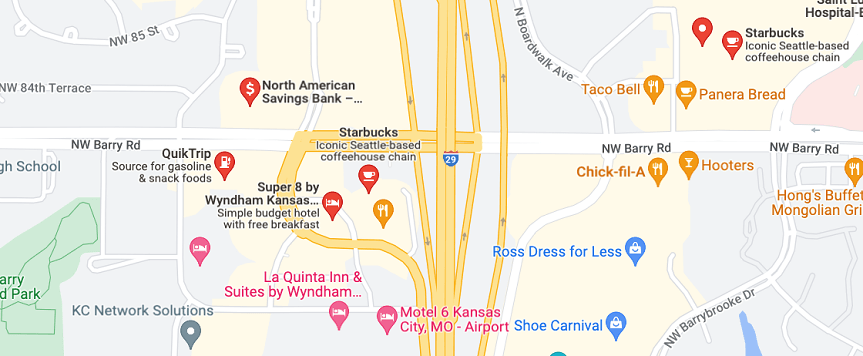
Interstate 29 at Barry Road

 i29 barry road kansas city

This intersection is in the northern portion of the city. The structure is that of a cloverleaf, which can always be a dangerous place to drive – especially when traffic is heavy.

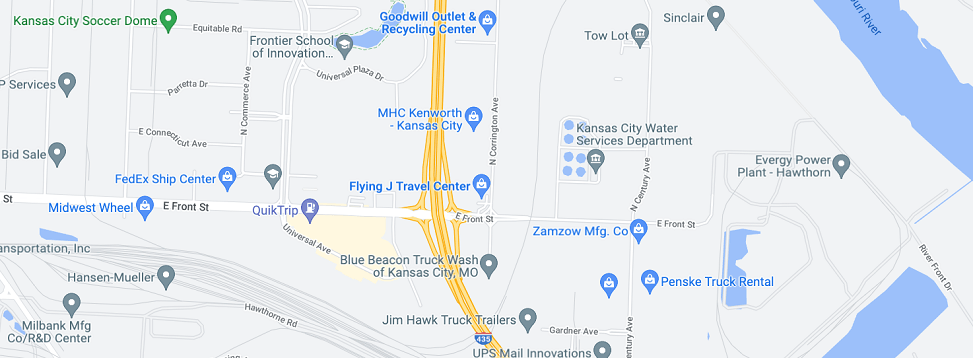
Interstate 435 at Front Street

i435 front street kansas city

This portion of I-435 is a bridge, which can sometimes be a fairly scary place to drive. This bridge is even more challenging since Front Street is a huge intersection with lots of lanes that cross one another. 

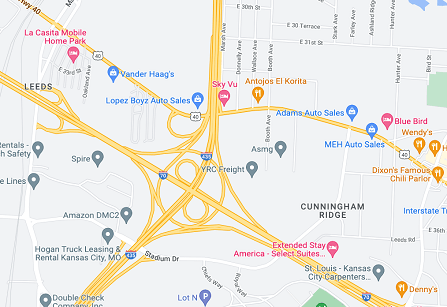
Interstate 70 and I-435 interchange

i70 i435 kansas city

Most long-time KC residents will recommend that you avoid this area whenever possible because it’s really a jumbled mess – and an incredibly busy one at that.

Ways to stay safe when driving

Even if you can’t avoid these dangerous roads in Kansas City, there are still several things you can do to remain safe. If you keep the following in mind, there’s a good chance you’ll avoid becoming part of these tragic statistics.

  • Always wear your seatbelt – Seatbelt use is mandatory in Missouri, yet there are still people who insist on not wearing one. You’re much more likely to die, or at the least to be severely injured, in a wreck if you’re not wearing your seatbelt. 
  • Put down your phone – Distracted driving causes accidents far too often. Motorists simply can’t bear to not look at their phone to check emails, texts, and to talk on the phone. You’d be surprised at just how fast you can cause an accident when you lose focus–it only takes seconds. Keep your focus on the road instead of on your phone.
  • Never drive impaired – Although people know how dangerous it is to drive while under the influence of drugs or alcohol, they still continue to do it. If you’re planning a night out, keep your vehicle at home, get a designated driver, or use a rideshare app. 

We’re ready to help

The Kansas City car accident lawyer with Langdon & Emison is ready to help you if you’ve been hurt in a car accident caused by someone else’s negligence or recklessness. Please call (866) 931-2115 or contact us online as soon as possible to schedule your free consultation.

The post Most Dangerous Roads in Kansas City, MO appeared first on Langdon & Emison.
A Pro Bono Matter with a #Giving Tuesday Opportunity

This Saturday, Michael Politte told @48Hours about the horrifying day in December 1998 when he found his mother dead and on fire on her bedroom floor – a crime he was wrongfully convicted for, spending over 20 years in a #Missouri prison. 

https://www.cbs.com/shows/video/lwprS65b0QozmnPEIN5wMIFvqpCH0u23/

Instead of treating Mike like a terrified, traumatized 14-year-old child, the police made baseless assumptions on how he “should” act and quickly labeled him a ruthless, cold-blooded killer when he failed to meet those assumptions. Prosecutors presented “scientific” evidence to the jury that was later proven false. 

Even the State now concedes the evidence was false, and the prosecutor has filed a motion in court to overturn Mike’s conviction. Although Mike has been released on parole and is doing well outside of prison, he, alongside his lawyers, are working tirelessly to exonerate him of his mother’s killing after the incredible trauma of losing her and being forced to grieve her behind bars.

For #GivingTuesday, many are helping Mike rebuild his life after prison by donating to his GoFundMe. Mike and his family appreciate all the help and support that are being shown to him currently as he continues to navigate life back home, alongside his fight for exoneration and #JusticeForRita: www.gofundme.com/f/help-michael-politte-after-wrongful-conviction 

The post A Pro Bono Matter with a #Giving Tuesday Opportunity appeared first on Langdon & Emison.

Most Dangerous Streets for Drivers and Pedestrians in St. Louis

St. Louis is a wonderful place to live and visit because our community is teeming with culture, museums, parks, and other experiences and places to visit. Unfortunately, some areas are also dangerous for drivers with 178 fatalities and 42 pedestrian fatalities in 2021 alone.  

most dangerous streets in st louis

If you’ve suffered an injury in a vehicle-related accident caused by someone’s negligence, the Missouri auto accident lawyers with Langdon & Emison can help you obtain the compensation you deserve. Please give us a call at (866) 931-2115 or contact us online to schedule a free consultation.

Continue reading about some of the most troublesome areas in St. Louis for motorists and those traveling on foot. 

Most Dangerous Streets for Drivers

In addition to the 178 fatalities in 2021, there were more than 14,00 injuries in vehicle accidents in St. Louis City and County. This was the fourth consecutive year that the number of fatalities increased – and the first time that the number of deaths exceeded 100 since 2000. 

Although St. Louis roads were originally designed to handle traffic created by one million residents, our population is closer to 300,000. As a result, the roads are wider and motorists tend to drive faster than necessary which creates dangerous situations for drivers and pedestrians.

These are four of the most dangerous streets for motorists.

1. Page Avenue

There’s a half-mile stretch of Page Ave. in the suburb of Wellston that runs between RM Moore Ave. and Sutter Ave. This small section of roadway had three fatal accidents between 2015 and 2016, causing it to be the deadliest in the area.

2. Goodfellow Boulevard

There were 49 car accidents between the 5000-8900 blocks of Goodfellow between 2020 and 2021. These accidents resulted in one death and 16 injuries, and police issued more than 1,000 citations for moving violations.

3. Chambers Road

From 2017 to 2021, 22 people lost their lives on Chambers Road. In the previous five years, there were only five fatal accidents. While deaths in St. Louis County as a whole increased by 35% during this time, fatalities on Chambers spiked by nearly 400%.

Most Dangerous Streets for Pedestrians

Just as there are areas that pose increased danger for motorists, there are several areas in St. Louis where pedestrians need to be cautious and aware of their surroundings.  

1. North Grand Boulevard

This is one of the most well-known streets in St. Louis as it runs directly through the city. North Grand is a busy road lined with restaurants, theaters, and St. Louis University, it’s a busy road with a lot of foot traffic.

One particularly hazardous area is the intersection of North Grand and Montgomery, where six fatalities occurred between the years of 2010-2019. This intersection is actually considered the most dangerous in the entire state of Missouri

Another danger spot is the area where North Grand and I-64 meet near SLU. Not only does the campus sit just north of the 1-64 exit, the SLU hospital and medical school sit just to the south. There are also several popular bars, restaurants, and other attractions in the area. 

To make matters worse, the northbound exit from 1-64 to North Grand has a sharp curve which can be dangerous at any time, but especially for those who are unfamiliar with the area and in certain weather conditions. 

2. I-70 Intersection at Grand Avenue 

Grand Avenue also intersects with Interstate 70, creating yet another dangerous spot. For years, this part of I-70, also known as the Mark Twain Expressway, was notorious for being hazardous. It’s difficult for motorists to be able to distinguish lanes, and there’s a lack of proper markings to show pedestrians where they can safely cross the street. 

3. Lindell Boulevard

Thankfully, work has been ongoing to address the dangers of Lindell Blvd. which has been notorious for pedestrian accidents. In fact, Lindell is one of just nine streets that have accounted for nearly 50% of pedestrian fatalities in St. Louis since 2017. The others are Broadway, Kingshighway, Union, Chippewa, MLK, Gravois, and Grand.

Not only is construction ongoing to add bike lanes and parking to reduce pedestrian traffic, the number of traffic lanes is being reduced from four to two in an effort to force drivers to slow down.

4. Natural Bridge Avenue

Natural Bridge is yet another popular yet dangerous place to walk in St. Louis. About 20% of all pedestrian accidents in 2020 and 2021 occurred on Grand,  Kingshighway and Natural Bridge – even though these streets make up less than 1% of all lane miles in the city.

Hurt in a crash on one of St. Louis’ most dangerous streets? We can help.

The St. Louis personal injury lawyers with Langdon & Emison have an extensive amount of experience helping people injured in vehicle and pedestrian accidents that occurred through no fault of their own. We know how to conduct a thorough investigation into the accident and obtain the evidence our clients need to have the strongest case possible against the liable party and their insurance company.

If you would like more information on how we can help you recover the compensation you deserve, call us at (866) 931-2115 or contact us online to schedule a free consultation.

The post Most Dangerous Streets for Drivers and Pedestrians in St. Louis appeared first on Langdon & Emison.