2023 Year in Review: Do You Have a Class Action or Mass Tort Claim in 2024?

While the products we buy are supposed to be safe for their intended use, this isn’t always the case. Companies sell dangerous and defective products, and these products often lead to serious—and sometimes fatal—illnesses and injuries. At Searcy Denney, we are committed to holding companies responsible, and we have recovered billions of dollars in financial compensation for victims and their families.

Each year, we publish numerous articles on our blog covering topics that are important to victims and their families. Last year was no exception. If you think that you may need to join a class action lawsuit or file a mass tort claim related to a dangerous or defective product, here is a recap of what you need to know in 2024:

Gastroparesis Caused By Ozempic and Wegovy

Ozempic took the world by storm in 2023. Once a little-known diabetes medication, Ozempic started making national headlines when it was discovered that the drug could be used to curb people’s appetites and achieve dramatic weight loss. Wegovy, a similar drug manufactured by a different pharmaceutical company, became extremely popular as well.

Sadly, as Ozempic and Wegovy grew in popularity, it was discovered that these drugs, belonging to a class of medications known as semaglutides, presented a serious risk for gastroparesis. Also known as “stomach paralysis,” gastroparesis is a potentially dangerous medical condition that can cause severe nausea and vomiting—and that requires emergency hospitalization in some cases.

Our mass tort lawyers began investigating potential claims against Ozempic and Wegovy’s manufacturers in 2023. To find out if you may have a claim in 2024, you can read: Searcy Denney Investigates Claims of Gastroparesis Caused by Ozempic, Other Weight Loss Drugs.

Elevated Lead Levels in WanaBana Applesauce Pouches

In November 2023, the U.S. Food and Drug Administration (FDA) issued a warning advising parents and caregivers “not to buy or feed WanaBana apple cinnamon fruit puree pouches to toddlers or young children because of elevated blood levels.” In conjunction with this warning, the manufacturer of WanaBana applesauce pouches agreed to a voluntary recall.

The recall applies not only to WanaBana brand applesauce pouches but also pouches sold under the brands Schnucks Apple Sauce and Weis Cinnamon Apple Sauce. Sadly, as the FDA notes, the symptoms of lead poisoning in children may not be readily apparent, and lead poisoning can only be diagnosed through clinical testing. As a result, parents generally will not know that their child has experienced lead poisoning from WanaBana, Schnucks or Weis brand applesauce pouches unless they go to the hospital or see their pediatrician.

Shortly after the FDA issued its warning, our mass tort lawyers wrote an article discussing the symptoms caused by elevated blood levels and the potential long-term risks. Our lawyers also discussed the steps that parents can (and should) take if they need to hold the manufacturer accountable. To learn more, you can read: FDA Warns of Elevated Lead Levels in WanaBana Applesauce Pouches.

Contaminated Eye Drops

Several companies recalled eye drops in 2023 due to contamination. The contaminants in these recalled eye drops present risks for several serious health conditions, including ocular infections, which have the potential to cause blindness or even death. This outbreak is notable not only because it potentially affects thousands of eye drop users across the United States, but also because it involved numerous contaminants, including strep and staph—among many others.

If you or a loved one has been diagnosed with a serious medical condition after using eye drops sold by EzriCare, Delsam Pharma or another company, you should speak with a lawyer about your family’s legal rights. You may be entitled to significant financial compensation. To learn more about the risks associated with contaminated eye drops, you can read: The Most Common Types of Contaminants Found in Eye Drops.

While the contaminated eye drop recalls in 2023 were widespread, not all eye drops were affected. If you are experiencing symptoms such as abnormal light sensitivity, blurred vision or eye pain and you haven’t used contaminated eye drops, you should consult with your physician about other possible causes of your condition.

The FDA maintains a database of recalled products, and if you have concerns about your (or a loved one’s) eye drops, we encourage you to search the database to see if a recall applies. We also published an article in October that lists the names and manufacturers of some of the most popular contaminated eye drop brands. To find out if your (or your loved one’s) eye drops may have been contaminated, you can read: How to Check if Your Eye Drops Have Been Recalled Due to Contamination.

Cancer-Causing Chemical Hair Straighteners

In 2023 we also saw some of the first major lawsuits filed in cases involving cancers and other medical conditions caused by chemical hair straighteners. Numerous brands of chemical hair straighteners have been linked to uterine cancer and other serious medical conditions—and, as awareness of the issue continues to grow, more women are taking action to assert their legal rights. If you are wondering whether you may have a claim related to a chemical hair straightener, we encourage you to read: Why Are So Many Women Suing Over Chemical Hair Straighteners? Examining the Evidence.

Why do chemical hair straighteners present risks for uterine cancer and other serious (and potentially life-threatening) illnesses? Studies have found that chemical hair relaxing products sold by several companies contain dangerous chemicals such as bisphenol A, formaldehyde and parabens. While these chemicals are supposed to interact with hair and cause curls to relax, they can also penetrate the skin during use. When absorbed through the skin, these chemicals can cause cancer and other medical conditions over time.

In 2023 we published a comprehensive review of the link between chemical hair straighteners, cancers and other health problems. The article also discusses some of the key considerations involved in determining whether you may have a claim for financial compensation. To learn more, you can read: The Link Between Chemical Hair Straighteners and Health Problems: Understanding the Science.

For most women and families, filing a claim for cancer (or any other health condition) caused by a chemical hair relaxer will involve joining a pending mass tort lawsuit. Currently, there are lawsuits pending against L’Oreal and multiple other companies. Joining a mass tort lawsuit provides the opportunity to recover just compensation when filing a lawsuit individually wouldn’t make sense financially due to the costs involved. For more information about joining a chemical hair straightener mass tort lawsuit, you can read: What You Need to Know About the Recent Mass Tort Litigation for Chemical Hair Straighteners.

Many women have used chemical hair straighteners for years, and switching products can be difficult once you’ve found something that you like. This is especially true when it comes to your appearance. But, due to the risks involved, the FDA recommends against using chemical relaxers that are known to present risks for uterine cancer and other serious conditions. Fortunately, there are several non-chemical alternatives available. To learn about these alternatives, you can read: Protecting Yourself from Harmful Chemicals: Alternatives to Chemical Hair Straighteners.

Exactech Shoulder Replacement Defects

Exactech shoulder replacement systems were another product subject to widespread recalls in 2023. Unfortunately, defective medical devices are not uncommon, and Exactech has had issues with its knee replacement devices in the past. Our firm is available to handle defective shoulder replacement claims against Exactech. For more information, you can read: Exactech Shoulder Replacement Systems: What You Need to Know.

Exactech’s defective shoulder replacement systems present risks for a variety of potentially serious complications. If you or someone you love has an Exactech shoulder implant, it will be important to be aware of the signs and symptoms of defect-related issues. To learn about these signs and symptoms, you can read: The Most Common Exactech Shoulder Issues and How to Identify Them.

A lot has happened since Exactech first issued the recall for its defective shoulder replacement devices. This includes lots of updates in the mass tort litigation against the company. While you don’t need to know the whole history if you have a claim, a brief review can help you understand whether you may have a claim. For an overview of the pending litigation against Exactech, you can read: The Exactech Recall: A Quick Synopsis and Update on What You Need to Know.

Exactech has now recalled hundreds of thousands of defective medical devices. Unfortunately, for many patients, these recalls come too late. But, for those who have not yet experienced serious complications, obtaining a replacement device (if necessary) may prevent infections, joint failures, fractures and other potentially life-altering (or even life-threatening) medical conditions. Learn more: The Impact of the Exactech Recall on Patient Safety.

Class Action and Mass Tort Claims Based on Dangerous and Defective Products

Many class action and mass tort claims involve dangerous and defective products. These include dangerous drugs and medical devices, dangerous foods, dangerous eye drops, and dangerous chemical hair straighteners, among many others. Several different factors can make products unsafe for their intended use, and understanding why a product presents a risk for illness or injury is critical for filing a class action or mass tort lawsuit. To learn about the grounds for pursuing a product-related class action or mass tort claim, you can read: Types of Product Liability Claims in Florida: Design, Manufacturing, and Marketing Defects.

Whether you are eligible to join a class action or mass tort lawsuit or you need to file a claim on your own, it is important to have as much evidence as possible. If you (or a loved one) has been injured by a dangerous or defective product, this means keeping the product and its packaging, if possible. But, there may be other forms of evidence available as well, and it is important that you speak with an attorney regardless of what evidence (if any) you currently have in your possession. Learn more: The Importance of Keeping Evidence in a Product Liability Case in Florida.

In class action and mass tort cases involving dangerous and defective products, what you need to prove in order to recover just compensation depends on the circumstances involved. Manufacturers, retailers and other companies can be held liable on various grounds—but, again, you will need adequate evidence in order to recover the financial compensation you deserve. To learn about the options for establishing liability for a product-related injury or illness, you can read: Proving Liability in a Product Liability Case in Florida.

Suffering an injury or illness caused by a dangerous or defective product can negatively impact all aspects of your life. If your child, spouse, or another loved one has been diagnosed with a serious medical condition caused by a product defect, this can cause you financial and non-financial losses as well. Understanding these costs is important for making informed decisions about taking legal action. To learn about some of the most common financial and non-financial costs associated with product related injuries and illnesses, you can read: The Impact of Defective Products on Florida Consumers: Types of Product Liability Claims.

While preserving any evidence that you may have available is important, this isn’t the only evidence you will need to prove your legal rights. You will also need expert testimony explaining how the defendant’s product caused your (or your loved one’s) condition and why the defendant is liable. For more information about how your attorney will use expert testimony to prove your legal rights, you can read: The Role of Expert Witnesses in Product Liability Cases in Florida.

Request a Free Consultation with a Mass Tort Lawyer at Searcy Denney

Do you have a claim in 2024? If you think the answer might be “Yes” (or if you don’t know and want to find out), we invite you to get in touch. To request a free consultation with a mass tort lawyer at Searcy Denney, please call 800-780-8607 or tell us how we can help online today.

The post 2023 Year in Review: Do You Have a Class Action or Mass Tort Claim in 2024? appeared first on Searcy Law.

FAQs: What You Need to Know About Filing a Medical Malpractice Claim in Florida

The risk of suffering unnecessary complications due to medical malpractice is a concern for patients and families across Florida. While all healthcare providers have a duty to ensure that they provide a professional standard of care, providers fall well below this standard far too often. This leaves patients and families struggling to cope with the consequences—and needing to effectively assert their legal rights.

If you or a loved one has experienced medical malpractice in Florida, it is important that you speak with a lawyer about filing a claim. You may be entitled to significant financial compensation.

10 Frequently Asked Questions (FAQs) About Medical Malpractice Claims Against Doctors, Hospitals and Other Healthcare Providers

Do you have a medical malpractice claim in Florida? Here are the answers to 10 frequently asked questions (FAQs) about medical malpractice claims against doctors, hospitals and other healthcare providers:

1. When Can I File a Medical Malpractice Claim in Florida?

You can file a medical malpractice claim in Florida when a healthcare provider fails to meet the requisite standard of care. In most cases, this means failing to provide the level of care that other medical professionals would provide in similar circumstances. Some of the most common forms of medical malpractice include diagnostic errors, medication errors and errors during surgery.

2. Where Do I File a Medical Malpractice Claim in Florida?

In most cases, you will need to file your medical malpractice claim with the provider’s insurance company. Doctors, hospitals and other healthcare providers typically have insurance that covers medical malpractice claims. When you hire a medical malpractice lawyer to represent you, your lawyer will present the evidence to your provider’s insurance company, negotiate for a favorable settlement and then take the insurance company to court if necessary.

3. What Does it Take to Prove Medical Malpractice?

Proving medical malpractice requires evidence of the provider’s failure to meet the requisite standard of care. This is usually in the form of a written report prepared by a medical expert who has thoroughly examined the circumstances surrounding your (or your loved one’s) care. You also need evidence of the consequences of the provider’s malpractice. Medical records, employment records and documentation of the day-to-day effects of your (or your loved one’s) condition will all be important for proving your right to just compensation.

4. How Much Do Medical Malpractice Lawyers in Florida Charge?

Most medical malpractice lawyers (including ours) do not charge any fees or costs out of pocket. Instead, we provide representation on a contingency fee basis. This means that you only pay if you win, and if you win, our fees will be calculated as a percentage of your financial recovery.

5. What Factors Should I Consider When Choosing a Medical Malpractice Lawyer?

When choosing a medical malpractice lawyer, it is important to consider the lawyer’s experience representing patients and families in circumstances similar to yours. Proving a medical malpractice claim isn’t easy, so relevant experience is critical. You will want to choose a lawyer who has helped numerous clients recover just compensation for the costs of their healthcare providers’ malpractice.

6. What Damages Are Available for Medical Malpractice in Florida?

Florida law allows patients and families to recover financial compensation for all forms of financial and non-financial loss resulting from medical malpractice. This includes current and future medical expenses, loss of income and benefits, prescriptions and other out-of-pocket costs, emotional trauma, pain and suffering, loss of consortium and companionship, and loss of enjoyment of life.

7. Is There a Limit on How Much I Can Recover for Medical Malpractice?

There is no limit on how much you can recover for the current and future financial costs of medical malpractice. While Florida has a statute that limits practitioners’ liability for non-financial costs to $500,000, the Florida Supreme Court called the constitutionality of this statute into question in 2023.

8. How Long Do I Have to File a Medical Malpractice Claim in Florida?

In most cases, you have two years to file a medical malpractice claim under Florida law. This two-year limitations period typically runs from the date of the malpractice or from the date that you reasonably should have discovered the malpractice. But there are some exceptions, and, in any case, it is important that you discuss your legal rights with an attorney as soon as possible.

9. What is the First Step for Filing a Medical Malpractice Claim in Florida?

The first step for filing a medical malpractice claim in Florida is to speak with an experienced medical malpractice attorney. Your initial consultation at Searcy Denney is completely free and confidential. Our attorneys can help you understand your situation, and we can help you make an informed decision about whether it is worth filing a claim. If you decide to move forward, we will represent you on a contingency fee basis, and we will work to recover just compensation on your behalf as efficiently as possible.

10. Do I Need to Hire a Florida Medical Malpractice Lawyer?

Strictly speaking, you do not need to hire a Florida medical malpractice lawyer to represent you. If you want to, you can try to handle your situation on your own. However, practically speaking, hiring an experienced lawyer is the only way to effectively assert your legal rights. There are specific steps you need to take to protect your legal rights, and you must be able to deal with the provider’s insurance company effectively. Hiring a lawyer costs nothing out of pocket, and it is the best way to maximize your chances of recovering just compensation.

Schedule a Free Consultation with a Florida Medical Malpractice Lawyer at Searcy Denney

Do you have a medical malpractice claim in Florida? If you believe that you may be entitled to financial compensation for a medical mistake, we invite you to get in touch. To discuss your claim with an experienced Florida medical malpractice lawyer in confidence, please call 800-780-8607 or request a free initial consultation online today.

The post FAQs: What You Need to Know About Filing a Medical Malpractice Claim in Florida appeared first on Searcy Law.

FAQs: What You Need to Know After a Truck Accident in Florida

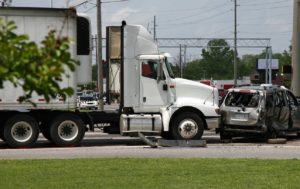
Truck accidents often have serious consequences. If you or a loved one has been seriously injured in a truck accident, you could be facing significant and long-term losses. You may be entitled to financial compensation (the statistics show that most truck accidents are the truck driver’s fault), but you will need experienced legal representation to recover the compensation you deserve.

To maximize your chances of a financial recovery, you will need to make informed decisions. The more you know, the more you can do to protect yourself and your family.

10 Frequently Asked Questions (FAQs) About Truck Accident Claims in Florida

With this in mind, here are the answers to 10 frequently asked questions (FAQs) from the Florida truck accident attorneys at Searcy Denney:

1. What Should I Do After a Truck Accident in Florida?

If you need to file a claim for a truck accident in Florida, seeking help should be your first priority. You should make sure that you or your loved one receives all necessary medical treatment as soon as possible, and you should schedule a free consultation with an attorney promptly.

2. Does My Auto Insurance Cover Me After a Truck Accident?

Your Personal Injury Protection (PIP) coverage applies after a truck accident. This is “no-fault” coverage, and you can use it to help offset your medical bills and lost wages regardless of who (or what) caused the collision. If you have Uninsured/Underinsured Motorist (UIM) coverage, you may be able to use this as well, though this will generally be a last resort if you don’t have other claims available.

3. Is the Trucking Company Liable for My Injuries?

Trucking companies are liable for truck accidents in many cases. Under Florida law, trucking companies can be held liable when their drivers cause accidents and when inadequate maintenance leads to a failure (i.e., tire failure or brake failure) on the road. Trucking companies can also be held liable for cargo-related accidents in many cases, although, in a tractor-trailer accident, the company that loaded the shipping container may be liable.

4. What if the Truck Driver Said They Are an Independent Contractor or Owner-Operator?

Some truck drivers are independent contractors or “owner-operators.” This means that they transport shipments for hire. If the truck driver who hit you or your loved one is an owner-operator, the truck driver should have liability insurance—and you should be able to file a claim under his or her policy.

5. How Do I Prove the Truck Driver Was At Fault?

Proving fault in a truck accident requires a prompt and thorough investigation. When you hire an attorney to represent you, your attorney will send an investigator to the scene of the accident promptly. Your attorney will likely work to gather evidence from other sources as well, including driver logs and maintenance records from the trucking company. Depending on the circumstances, traffic camera footage, eyewitness statements, and various other forms of evidence may also be available.

6. How Much Can I Recover After a Truck Accident in Florida?

The amount you can recover after a truck accident in Florida depends on the consequences of the collision. Generally speaking, truck accident victims and their families can seek just compensation for all of their financial and non-financial losses, including their emotional trauma. Crucially, this includes both losses incurred through the date of your claim and losses that you are likely to incur in the future—which could easily make up the largest portion of your claim.

7. Can a Truck Accident Lawyer Help Me Recover Just Compensation?

A truck accident lawyer will be able to use his or her knowledge and experience to help you see the full compensation you deserve. Your lawyer will be able to negotiate on your behalf, and take your case to court if necessary. Truck accident cases present many unique challenges, so it is important to have experienced legal representation.

8. How Much Do Florida Truck Accident Lawyers Charge?

Most truck accident lawyers in Florida (including the lawyers at Searcy Denney) represent clients on a contingency fee basis. This means that your legal fees, if any, will be calculated as a percentage of your settlement or verdict. You will not have to pay anything upfront, and if your truck accident claim is unsuccessful for any reason, you will owe nothing.

9. What if the Insurance Companies Blame Me for the Accident?

When you file a truck accident claim, you need to be prepared for the insurance companies to blame you (or your loved one) for the accident. This is a common defense tactic, and it is one that can be both disheartening and frustrating. But, you should not let the insurance companies convince you that you (or your loved one) did anything wrong. Determining fault requires a thorough and unbiased legal analysis of the evidence that is available. Your lawyer can help make sure that you do not fall victim to false accusations.

10. Do Most Truck Accident Claims Settle in Florida?

Most successful truck accident claims settle. It is relatively rare for truck accident cases to go to trial—though some victims and families will need to go to court to recover the financial compensation they deserve. While our lawyers will negotiate to secure a favorable settlement on your behalf, we will also tell you if it is in your best interests to present your case to a judge. We are committed to recovering maximum compensation for our clients, and when you choose our firm to represent you, we will be prepared to do whatever it takes to recover the compensation you deserve.

Request a Free Consultation with a Florida Truck Accident Lawyer at Searcy Denney

Do you need to know more about filing a truck accident claim in Florida? If so, we invite you to get in touch. To discuss your additional questions with an experienced Florida truck accident lawyer in confidence, please call 800-780-8607 or tell us how we can reach you online today.

The post FAQs: What You Need to Know After a Truck Accident in Florida appeared first on Searcy Law.

FAQs: What You Need to Know After a Car Accident in Florida

Dealing with the aftermath of a car accident is never easy. Even when you are involved in a minor fender-bender, dealing with the insurance companies and getting your car repaired can be a painful and difficult process. But, when you or a loved one suffers injuries in an accident, the costs can be far more substantial—and this makes it especially important to ensure that you receive the financial compensation you deserve.

With offices in West Palm Beach, Tallahassee and Tampa, we represent car accident victims and families across Florida. If you are dealing with the aftermath of a serious accident, we understand what you’re going through, and we are here to help. We encourage you to read our attorneys’ answers to the following frequently asked questions (FAQs) and then contact us for a free, no-obligation consultation.

10 Frequently Asked Questions (FAQs) About Car Accident Claims in Florida

Here are the answers to 10 FAQs about protecting your legal rights after a serious car accident in Florida:

1. What Should I Do After a Car Accident in Florida?

After a car accident in Florida, there are a few steps you should take as soon as possible. Most importantly, you should seek treatment for your (or your loved one’s) injuries. You should also take photos, videos, and detailed notes, and you should make arrangements to speak with a lawyer as soon as possible.

2. What is Florida’s “No Fault” Auto Insurance Law?

Florida’s “no-fault” auto insurance law limits accident victims to filing Personal Injury Protection (PIP) claims in some cases. PIP insurance provides “no fault” coverage, which means that your insurance company is supposed to pay regardless of why the accident occurred. Unfortunately, this doesn’t always happen.

3. What if My PIP Coverage Isn’t Enough After a Serious Car Accident?

Most Florida residents have $10,000 in PIP coverage (which is the minimum amount required by law), and this can go very quickly when you have expensive medical bills and aren’t able to work. If your PIP coverage isn’t enough after a serious car accident, you may be able to file a claim against the other driver—or you may have a variety of other claims available.

4. What if I Got Hit By a Driver Who Doesn’t Have Auto Insurance?

Since Florida’s “no-fault” auto insurance law doesn’t require liability insurance, many drivers don’t have this coverage. If the driver who hit you doesn’t have liability insurance, your options may include filing an uninsured motorist (UM) claim with your insurance company or determining if you have a claim outside of auto insurance.

5. What if I Got Hit By a Rideshare Driver (Uber or Lyft)?

While Florida law doesn’t require liability insurance for most drivers, it does require liability insurance for rideshare drivers. Companies like Uber and Lyft are also required to carry insurance that covers their drivers’ accidents. If you got hit by a rideshare driver in Florida, our attorneys can help you file a claim with the driver’s insurer, the rideshare provider’s insurer or both.

6. What if I Got Hit By a Commercial Vehicle?

Accidents involving commercial vehicles also provide additional opportunities for seeking financial compensation. Under Florida law, employers are liable for their employees’ negligence in most cases—and most employers have insurance that covers car accidents. Filing this type of insurance claim presents unique challenges, and you will want to have an experienced car accident attorney on your side. However, employers’ liability insurance policies often provide far more coverage than individual auto insurance policies.

7. What Damages Are Available to Injured Car Accident Victims in Florida?

If you are limited to filing a PIP claim, you can seek financial compensation for your medical bills and lost wages. But, if you have a claim outside of PIP, you can seek just compensation for all of your accident-related losses. Along with your medical bills and lost wages, this includes your pain and suffering, emotional trauma and loss of enjoyment of life.

8. Is It Important to Hire a Car Accident Lawyer in Florida?

Hiring a car accident lawyer is extremely important when you or a loved one has been injured in a collision. Hiring an experienced lawyer is the best way to protect your legal rights and make sure the insurance companies don’t take advantage of you. Unfortunately, this is a very real concern and many car accident victims who try to handle their claims on their own end up without the financial compensation they deserve.

9. How Much Do Florida Car Accident Lawyers Charge?

Most Florida law firms that represent car accident victims provide contingency-fee representation. This means that you only pay if you win. Your initial consultation is completely free, and you will not receive monthly legal bills. If your lawyer helps you recover just compensation, your lawyer’s fees will be calculated as a percentage of your settlement or verdict. If your claim is unsuccessful, you will owe nothing for your legal representation.

10. What if the Insurance Companies Won’t Offer a Fair Settlement?

This is one of the biggest concerns when it comes to asserting your legal rights after a car accident in Florida. While hiring a lawyer to represent you will reduce the chances of the insurance companies denying coverage in bad faith, your lawyer cannot force the insurance companies to offer a fair settlement. If the insurance companies refuse to offer the compensation you deserve, your lawyer can keep fighting for more—and your lawyer can take your claim to court if necessary.

Speak with a Florida Car Accident Lawyer at Searcy Denney for Free

Have you or a member of your family been injured in a car accident in Florida? If so, we encourage you to contact us for more information. To discuss your specific questions with an experienced Florida car accident lawyer at Searcy Denney in confidence, give us a call at 800-780-8607 or request a free initial consultation online today.

The post FAQs: What You Need to Know After a Car Accident in Florida appeared first on Searcy Law.

Proving Liability After a Florida Pedestrian Accident

If you’ve been injured in a pedestrian accident, it may be fairly obvious to you that the driver who hit you is to blame. But, to recover the financial compensation you deserve, you must be able to prove liability.

So, how do you prove liability after a pedestrian accident in Florida?

5 Steps to Prove Liability After a Pedestrian Accident in Florida

Proving liability after a pedestrian accident is a multi-step process that requires experienced legal representation. Here is an overview of the steps that will be necessary to recover the financial compensation you deserve.

1. Hire a Lawyer to Investigate Your Pedestrian Accident as Soon as Possible

After a pedestrian accident, it is important to hire a lawyer as soon as possible. One of the first things your lawyer will do is conduct an investigation focused on gathering the evidence needed to prove liability. This may include evidence such as:

  • Statements, Photos and Videos from Eye Witnesses – Eye witnesses can often provide key evidence in pedestrian accident cases. If anyone saw what happened, and possibly took photos or videos, they could play a key role in helping you recover just compensation.
  • Forensic Evidence from the Crash Site – Debris at the crash site, traffic signal patterns, road markings, and various other forms of evidence at the crash site could help establish the driver’s liability.
  • An Inspection of the Vehicle that Hit You – An inspection of the vehicle that hit you could provide key evidence as well. This could include everything from evidence that the driver’s tires were bare to evidence of the driver’s speed based on the damage to his or her vehicle.
  • “Black Box” Data from the Vehicle that Hit You – Many modern vehicles are equipped with computers that collect data ranging from speed to brake pedal pressure. If this “black box” data shows the driver was being negligent, this could help clearly prove your right to just compensation.
  • Cell Phone Records, Maintenance Records, Receipts and Other Documents – If the driver was distracted or drunk, if the driver failed to maintain his or her vehicle, or if the driver was working at the time of the accident, securing documentary proof could be the key to proving liability.
  • Traffic or Surveillance Camera Footage of the Accident – If your pedestrian accident was caught on camera, the footage could clearly show that the driver is liable for your accident-related injuries.
  • The Driver’s Admission of Liability If the driver who hit you admitted to being negligent, your lawyer will be able to use this to help prove your case as well. This is true whether the driver made his or her admission to the police, on social media or in testimony.

Other forms of evidence may be available to prove the driver’s liability as well. Crucially, the evidence may also point to one or more other parties holding (or sharing) responsibility for your pedestrian accident. If this is the case, you may need to file multiple claims in order to recover full compensation.

2. Determine Which Claim (or Claims) to File Based on the Evidence from the Investigation

After gathering the evidence that is available, the next step is to determine which claim (or claims) you can file. While there is a good chance that you have a claim against the driver who hit you, you could also have claims against parties such as:

  • The vehicle’s owner (if the driver is not the owner)
  • The driver’s employer or rideshare company
  • The vehicle’s manufacturer or a dealership or shop that worked on the vehicle
  • A government agency (if an issue with the road played a role in the accident)
  • Another negligent driver who started a chain reaction on the road

Proving that another party is liable can be critical in some cases. Florida law does not require drivers to carry bodily injury liability insurance—and, as a result, many drivers are uninsured. If the driver who hit you doesn’t have insurance, it will be especially important to determine what other options you have available. If you have auto insurance with uninsured/underinsured motorist (UIM) coverage, filing a claim under your policy could be an option as well.

3. Submit the Available Evidence to the Insurance Company (or Companies)

Once you start the claims process, the next step is submitting the available evidence to the insurance company (or companies). But, this is not a simple matter of sending in what you have and waiting to receive a check in the mail. Instead, your lawyer will need to take a strategic approach that involves showing how the available evidence demonstrates you are entitled to coverage.

4. Respond to Any Allegations of Partial Fault

In some cases, the insurance companies will try to avoid liability for pedestrian accidents by blaming victims for their own injuries. Recently, Florida passed a law that allows the insurance companies to deny coverage entirely if an accident victim is more than 50 percent at fault in a collision. If an accident victim is 50 percent or less at fault, then the amount the insurance companies have to pay is reduced based on the victim’s percentage of fault.

Responding to allegations of partial fault is often a matter of pointing to the evidence. If the evidence clearly shows that you did nothing wrong, then you should be able to recover 100 percent of your accident-related losses.

5. Respond to Any Other Defenses to Liability

Along with allegations of partial fault, the insurance companies may assert a variety of other defenses to liability as well. Here, too, overcoming these defenses is often a matter of pointing to the evidence and applying the protections afforded to pedestrian accident victims under Florida law. While proving liability can be challenging (and the insurance companies’ defense tactics can be extremely frustrating), an experienced lawyer will be able to fight to ensure that you receive just compensation.

Talk to a Lawyer About Investigating Your Pedestrian Accident for Free

Do you need to prove liability for a pedestrian accident in Florida? If so, we encourage you to contact us promptly. Call 800-780-8607 or request a free consultation online to discuss your case with a lawyer at Searcy Denney today. 

The post Proving Liability After a Florida Pedestrian Accident appeared first on Searcy Law.

Who To Sue If a Pedestrian is Hit By a Commercial Vehicle

Getting hit by a commercial vehicle can be a life-altering experience. Not only can the financial costs be overwhelming, but your pain and suffering and the other non-financial effects of the accident can impact all aspects of your daily life.

As a result, after a pedestrian accident involving a commercial vehicle, it is important to know who you can sue.

So, who can you sue? The answer to this question depends on the circumstances of your accident. Generally, companies in Florida can be held liable for their employees’ negligence. This means that if the driver who hit you was being negligent (i.e., speeding or driving while distracted), then you can most likely sue his or her employer. But, there are other possibilities as well—and making sure you sue the right company (or companies) is critical for recovering the financial compensation you deserve.

Who Can (and Should) You Sue After a Pedestrian Accident Involving a Commercial Vehicle?

Depending on the circumstances involved, it may be possible to sue one or more of the following parties after a pedestrian accident involving a commercial vehicle in Florida:  

The Company That Owns the Commercial Vehicle

In most cases, the first option is to sue the company that owns the commercial vehicle. If the driver is responsible for hitting you, then his or her employer should be liable.

Companies that own commercial vehicles can be held liable for pedestrian accidents on other grounds as well. For example, if the vehicle was overloaded, or if its brakes or tires failed due to neglected maintenance, these could also provide clear grounds for you to seek just compensation.

The Company that Manufactured the Commercial Vehicle

While driver negligence is the most common cause of pedestrian accidents by far, vehicle-related issues can also be to blame in some cases. When an issue exists from the time a vehicle leaves the factory, the manufacturer can be held liable in the event that the issue leads to an accident. Unlike lawsuits based on driver error, lawsuits based on vehicle defects do not require proof of negligence. Instead, vehicle manufacturers can be held liable simply as a result of putting a dangerous vehicle on the road.

The Manufacturer of One of the Commercial Vehicle’s Components

Many commercial vehicles are equipped with components that were manufactured by different companies. Tires are the most common example, but brakes, commercial truck beds, and even engines can come from other manufacturers as well. If the driver of the commercial vehicle that hit you lost control because of a component failure, then you may have a claim against the component’s manufacturer.

A Shop or Mobile Maintenance Provider that Worked on the Commercial Vehicle

Along with vehicle defects, negligent maintenance work can also cause commercial vehicle drivers to suddenly and unexpectedly lose control. Faulty brake jobs, failure to properly mount and balance new tires, and numerous other maintenance-related issues can—and frequently do—lead to dangerous situations on the road. If it appears that a vehicle-related issue is to blame for your pedestrian accident, your lawyer will conduct an in-depth investigation to determine whether a defect or faulty maintenance work is to blame.

The Government Agency Responsible for the Road Where the Accident Happened

Road-related issues can also be to blame (or at least partially to blame) for pedestrian accidents involving commercial vehicles in some cases. This includes issues such as cracks and potholes, trees and foliage obstructing drivers’ vision, and poorly-timed crossing signals—among many others. If an issue with the road played a role in your pedestrian accident, then recovering your losses may involve suing the government agency that is responsible for the road where the accident happened.

Another Driver Involved in the Accident

Even if you got hit by a commercial vehicle, another driver could still be responsible for your injuries. This could be the case, for example, if a distracted or reckless driver cut off the commercial vehicle and forced its driver to swerve off of the road. While the commercial driver may have still owed a duty to avoid hitting you, in this scenario you may need to sue both drivers (or their employers or insurance companies) to recover all of your financial and non-financial losses from the accident.

How Do You Know Who to Sue?

When you need to recover your losses from a pedestrian accident involving a commercial vehicle, knowing who you might be able to sue isn’t enough. To file a lawsuit, you need to know the specific party (or parties) that are liable for your injuries.

So, how do you figure out the specific party (or parties) you need to sue? Figuring this out requires a thorough investigation. When you hire a lawyer to represent you, your lawyer will work quickly to collect all available evidence of liability. Depending on the circumstances, this may include evidence such as:

  • Eyewitness testimony
  • Traffic or surveillance camera footage
  • Telematics (or “black box”) data from the commercial vehicle
  • The company’s employment and vehicle maintenance records
  • Forensic evidence from the crash site
  • Forensic evidence from an inspection of the commercial vehicle
  • The driver’s phone records, social media posts and any other evidence that may be available

While you have two years to file a pedestrian accident lawsuit in most cases, there are exceptions (including exceptions for lawsuits against government agencies). Additionally, the longer you wait, the more difficult it will become to collect all of the evidence you need. As a result, if you’ve been injured in a pedestrian accident involving a commercial vehicle, it is important that you speak with a lawyer as soon as possible.

Discuss Your Case with a Pedestrian Accident Lawyer at Searcy Denney

Do you need to know more about filing a lawsuit for a pedestrian accident involving a commercial vehicle in Florida? If so, we encourage you to contact us promptly. To discuss your case with a lawyer at Searcy Denney for free, call 800-780-8607 or tell us how we can reach you online now.

The post Who To Sue If a Pedestrian is Hit By a Commercial Vehicle appeared first on Searcy Law.

How Comparative Fault Impacts Florida Pedestrian Accident Cases

When you get injured in a pedestrian accident, you need to protect yourself against the insurance companies. They are going to do everything they can to pay you as little as possible—and this may include blaming you for your own injuries.

If you are partially responsible for your injuries, this could reduce the amount you are entitled to recover. It could even prevent you from filing a claim entirely if the accident was primarily your fault. But, in most cases, pedestrians aren’t responsible for their own injuries, and the insurance companies’ accusations of comparative fault are nothing more than an attempt to avoid paying just compensation.

What is “Comparative Fault” in a Pedestrian Accident Case?

The concept of comparative fault has to do with apportioning blame between the parties that are involved in an accident. Under different states’ comparative fault laws, if someone who suffers injuries in an accident is partially responsible for causing the accident (or increasing the severity of their injuries), this either reduces or eliminates their right to just compensation.

Until recently, Florida had a “pure comparative fault” law. Under this law, pedestrian accident victims (and other accident victims) could file a claim regardless of their percentage of fault. For example, even if a victim was 99 percent at fault, he or she could theoretically recover one percent of his or her losses.

But, in March 2023, Florida shifted to a “modified comparative fault” standard. Under Florida’s new modified comparative fault law, accident victims can only file a claim if they are not primarily responsible for their injuries. In other words, if an accident victim is deemed 50 percent at fault, he or she is entitled to recover 50 percent of his or her losses. But, if an accident victim is deemed 51 percent at fault, he or she is entitled to nothing.

With this change, the insurance companies now have even more incentive to blame pedestrian accident victims for their own injuries. As a result, it is especially important to have an experienced lawyer on your side.

Examples of Comparative Fault (or Partial Fault) in Pedestrian Accident Cases

So, when might comparative fault play a role in your case? After pedestrian accidents, the insurance companies look for any excuse to blame victims for their own injuries. Some examples of common allegations of comparative fault (or partial fault) in these cases include:

  • Failing to look before crossing a busy street
  • Entering a crosswalk without the right of way
  • Crossing outside of a crosswalk
  • Attempting to cross in front of an oncoming vehicle
  • Walking or running on the side of a busy road
  • Walking or running after dusk without lights or reflective clothing
  • Falling or stumbling into the road

While all of these might be indicative of partial fault, none of them necessarily mean that you deserve anything less than a full financial recovery. As a result, regardless of the circumstances involved in your pedestrian accident, you should not trust the insurance companies’ assessment of liability. Instead, you should hire a lawyer to investigate promptly, and then you should make informed decisions based on your lawyer’s advice.

How Do You Prove that You Weren’t Partially at Fault in a Pedestrian Accident?

Let’s say the insurance companies accuse you of being partially to blame in your pedestrian accident. If this happens, how do you prove that you are still entitled to full compensation?

To disprove any allegations of partial fault, you will need to rely on your lawyer to gather evidence that demonstrates both: (i) who was at fault in the accident; and, (ii) that you weren’t being negligent when the accident happened. Evidence that can be used to prove fault in a pedestrian accident includes things like:

  • Eyewitness testimony
  • Cell phone photos or videos
  • Traffic camera or surveillance camera footage
  • Skid marks, damaged signs or traffic signal posts, and other types of forensic evidence from the accident site

Evidence that can be used to prove that you weren’t being negligent includes things like:

  • You waited to cross until you had the right of way
  • You were walking in the crosswalk or on the correct side of the road
  • You were not on your phone
  • The driver was speeding or ran a red light or stop sign—suddenly and unexpectedly putting you in a dangerous position

Ultimately, however, it is on the insurance companies to prove that Florida’s modified comparative fault law applies. If your lawyer presents evidence of liability and the insurance company cannot present any evidence that supports its allegations of partial fault, then you are entitled to full compensation. An experienced lawyer will be able to expose these types of flaws in the insurance companies’ defense and fight to recover the full compensation you deserve.

Protecting Your Right to Just Compensation After a Pedestrian Accident

With all of this in mind, one of the most important things you can do after a pedestrian accident is hire an experienced lawyer to represent you. Your lawyer will be able to conduct a thorough investigation, deal with the insurance companies for you, and help you make informed decisions every step of the way.

As a final note, it is also extremely important that you follow your doctor’s advice (or seek a second opinion, if necessary). If you ignore your doctor’s advice, the insurance companies may be able to use this to argue that you are partially to blame for your injuries’ costs and long-term effects. So, if you suffered serious injuries in a pedestrian accident, get the treatment you need, and rely on your doctor and lawyer to help you recover as fully and quickly as possible.

Discuss Your Pedestrian Accident Case with a Lawyer at Searcy Denney

Do you need to know more about protecting your legal rights after a pedestrian accident in Florida? If so, we’re here to help. To discuss your case with a lawyer at Searcy Denney in confidence as soon as possible, give us a call at 800-780-8607 or request a free consultation online today.

The post How Comparative Fault Impacts Florida Pedestrian Accident Cases appeared first on Searcy Law.

Calculating Damages in a Florida Pedestrian Accident Case

Pedestrian accidents often result in serious injuries—and these injuries can leave victims facing significant losses. From medical bills to lost earnings, the financial costs alone can far exceed what most people can afford. When you add in victims’ emotional trauma, pain and suffering, and loss of enjoyment of life, a pedestrian accident can truly be a life-altering experience.

Fortunately, injured pedestrians will be entitled to compensation for their financial and non-financial losses in many cases. These losses—or “damages”—are unique to each victim. As a result, if you’ve been injured in a pedestrian accident in Florida, calculating your damages will involve gaining a comprehensive understanding of all of the ways your injuries have impacted (and will continue to impact) your life.  

Calculating Your Financial Damages After a Pedestrian Accident

For many pedestrian accident victims, recovering their financial damages is their most immediate concern. Suffering serious injuries can have immediate financial consequences—and, if you suddenly find yourself facing unexpected medical bills while you are unable to work, this can be a very stressful situation.

If a negligent driver (or any other party) is responsible for your injuries, you are entitled to just compensation for all of your financial losses under Florida law. Here is a brief overview of the steps involved in calculating the most common types of financial damages after a pedestrian accident:

Past Medical Bills

As a pedestrian accident victim in Florida, you are entitled to just compensation for your medical bills from the moment you got injured until you are fully recovered. Calculating damages for your past medical bills will involve adding up your receipts and the amount of any unpaid medical bills that are still pending. With this in mind, it is a good idea to start keeping track of your receipts and unpaid bills—though your lawyer will work with your healthcare providers to collect all relevant documents.

Future Medical Bills

Calculating just compensation for your future medical bills is more challenging. This involves understanding your long-term medical needs and forecasting the costs of your future care. Here, too, your lawyer will work with your healthcare providers to ensure that he or she is seeking the full compensation you deserve

Other Past and Future Out-of-Pocket Costs

Along with your medical bills, you are also entitled to just compensation for your other past and future out-of-pocket costs. This includes things like prescriptions, medical supplies and transportation—as well as housecleaning, landscaping, childcare and other necessary services. Your lawyer will use your receipts and account statements to add up your costs to date, and then your lawyer will forecast your future costs based on your injuries’ long-term effects and your ongoing medical needs.

Loss of Income and Benefits

Similar to your out-of-pocket costs, calculating damages for your lost income and benefits will involve using the records that are available (i.e., your pay stubs and documentation from your employer) to show how much the accident has cost you. But, there can be some additional challenges involved, particularly if you rely on tips or commissions. As a result, it is important to work with an experienced lawyer who can accurately calculate the total damages you are owed.

Loss of Earning Capacity

Calculating your loss of earning capacity presents additional challenges as well. How long will you be out of work? Will you be able to go back to work part-time or in a limited capacity? What raises and promotions would you have received over your lifetime? These are just a few of the questions that your lawyer must be able to answer in order to provide effective legal representation.

Calculating Your Non-Financial Damages After a Pedestrian Accident

While securing financial damages is many people’s most immediate concern, the non-financial costs of a pedestrian accident will often have the greatest long-term consequences. As a result, non-financial losses will often account for the largest portion of a pedestrian accident victim’s claim for damages.

The non-financial costs of a pedestrian accident can take many different forms. For example, in a typical pedestrian accident case involving serious injuries, we will seek damages for our client’s:

  • Emotional trauma
  • Pain and suffering
  • Scarring and disfigurement
  • Loss of companionship and consortium
  • Loss of enjoyment of life

Since there is no way to “add up” these losses, calculating non-financial damages is very different from calculating financial damages. In most cases, one of two methods will be used:

The first method is the per diem method. “Per diem” is Latin for “by the day.” When using the per diem method, a daily dollar value is assigned to the accident victim’s non-financial losses. This value is then multiplied by the number of days the victim is expected to experience these losses over the remainder of his or her life. The per diem value is based on the scope and severity of the non-financial effects of the victim’s injuries.

The second method is the multiplier method. With this method, the first step is to calculate the victim’s financial damages. Then, a “multiplier” (which is typically a number between one and five) is applied to calculate the victim’s total non-financial damages. Similar to a per diem value, the multiplier is based on the victim’s individual circumstance.

As you can see, the damages available in Florida pedestrian accident cases can be substantial. As you can also see, these damages are simply intended to put victims back in the place they would have been had their accidents never happened. While it may never be possible to fully move on from a serious accident, recovering the damages you deserve is critical for minimizing the long-term consequences of someone else’s mistake.

Discuss Your Florida Pedestrian Accident Case with a Lawyer at Searcy Denney

If you need to know more about your legal rights after a pedestrian accident in Florida, we encourage you to speak with one of our lawyers as soon as possible. For a free, no-obligation consultation at Searcy Denney, call 800-780-8607 or tell us how we can contact you online today.

The post Calculating Damages in a Florida Pedestrian Accident Case appeared first on Searcy Law.

Proving Liability After a Florida Boating Accident

Proving liability after a boating accident is critical when seeking just compensation for your losses. To file a claim, you need to know who (or what company) is responsible—and you need to be able to prove it to the insurance companies.

But, proving liability is not an easy process. While this is true for all types of accidents, it is often especially true for boating accidents. Investigating a boating accident presents some unique challenges, and taking action promptly is often critical for making sure victims can recover the financial compensation they deserve.

Investigating a Boating Accident in Florida

Generally, proving liability after an accident starts with visiting the accident location. In the case of a boating accident, this may be a bridge, dock or sandbar—or it may be a wide expanse of open ocean. As a result, the evidence that can be gathered from the accident scene often depends on the tides, sea state, weather conditions and other environmental factors.

Fortunately, it will usually be possible to gather evidence from a variety of other sources as well. For example, when investigating boat accidents, our lawyers often take steps including (but not limited to):

  • Hiring an inspector to examine each vessel involved in the accident
  • Talking to passengers, other boaters and any witnesses on land
  • Reviewing photos and videos available from witnesses or posted on social media
  • Reviewing accident reports from the U.S. Coast Guard and Florida Fish and Wildlife Conservation Commission (FWC)
  • Reviewing AIS data, tide charts, weather reports and other publicly available information

Again, these are just examples of the steps our lawyers may take when investigating a boating accident in Florida. Depending on the circumstances, we may take a variety of other steps as well. We determine what investigative steps are necessary based on the unique circumstances of each individual case.

Collecting Additional Evidence of Liability

In addition to conducting an investigation, it will often be possible to gather additional evidence of liability through subpoenas and other legal means. This additional evidence can be critical for proving liability in many cases. Some examples of the additional forms evidence our lawyers may be able to obtain in order to prove liability include:

  • Boat captains and passengers’ receipts from supermarkets or liquor stores (to show that alcohol played a role in the accident)
  • Boat captains’ cell phone records (to show that a captain was distracted at the helm)
  • Boat maintenance records (to show that a boat had not been properly maintained or that negligent maintenance work contributed to causing the accident)
  • “Black box” data from chart plotters and other onboard computer systems (to show a boat’s speed and direction of travel at the time of the accident)
  • Employment, charter or rental records (to show that a boat owner is liable for the captain’s negligence)

These, too, are just examples. Even when a boating accident happens miles from shore, there will usually be multiple forms of evidence available to prove liability. The key is to act quickly and continue to assess (and reassess) potential claims as more evidence is uncovered.

Identifying the Liable Party (or Parties)

After gathering the evidence that is available, the next step is to identify the liable party (or parties). There are usually several possibilities, and determining which company (or companies) to sue requires a clear understanding of how Florida law applies to the circumstances at hand. Depending on the circumstances, some examples of the parties that may be liable for a boating accident in Florida include:

Boat Captain

Boat captains will be liable for accidents in many cases. Under Florida law, boat captains have a duty to operate their vessels safely at all times. Even so, inexperience, recklessness, impaired boating, distracted boating and other forms of negligence are all common factors in Florida boating accidents.

Boat Owner

In many cases, boat owners can be held liable for accidents even when they aren’t at the helm. For example, boat owners can be held liable for others’ negligence when they either employ the individual who causes an accident or negligently entrust their boat to an inexperienced, unsafe or unqualified captain or crew. As a result, boat owners may be liable in cases involving accidents caused by:

  • Employees
  • Crew members
  • Friends and family members
  • Boat club members
  • Bareboat charter renters

Passenger

Passengers can be liable for boating accidents in some cases. One of the most common scenarios involves a drunk passenger interfering with a captain’s safe operation of the vessel. But, there are several other possible scenarios as well.

Boat or Engine Manufacturer

Sometimes, boating accidents result not from negligence on deck, but instead from issues with the boat itself. If a defective boat or engine is to blame, then the manufacturer could be fully liable for all victims’ injuries under Florida law.  

Marine Maintenance Service Provider

Negligent maintenance can lead to dangerous situations on the water as well. If a boat or engine is unsafe due to negligent maintenance work, then the company that performed the work could be liable instead of the manufacturer.

Proving Liability to the Insurance Companies

Once it is clear which party (or parties) caused a boating accident, the final step involves proving liability to the insurance companies. While the insurance companies will typically conduct their own investigations, they will do so with their best interests in mind. As a result, it is common for insurance companies to deny liability unless and until they are left with no choice but to acknowledge the true facts at hand. An experienced lawyer can help here as well; and, to maximize your chances of a full financial recovery, it is best to begin working with a lawyer as soon after your boating accident as possible.

Schedule a Free Florida Boating Accident Consultation at Searcy Denney

If you need to file an insurance claim after a boating accident in Florida, we encourage you to contact us promptly for more information. Give us a call at 800-780-8607 or send us your information online to schedule a free consultation today.

The post Proving Liability After a Florida Boating Accident appeared first on Searcy Law.