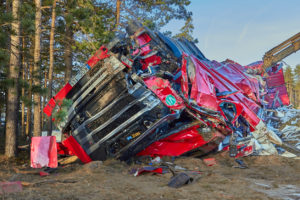
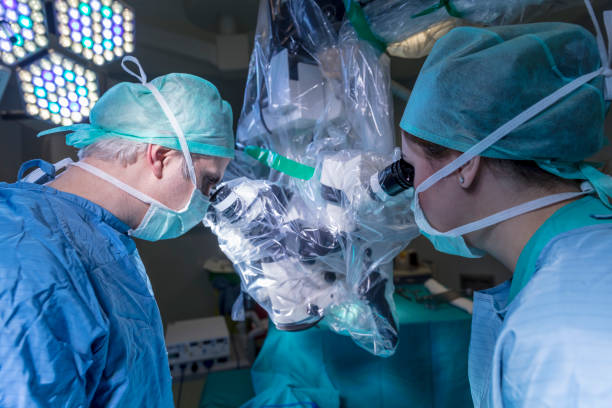
The Common Causes of Truck Accidents in Florida and How to Avoid Them
A victim’s passenger car is no match for an oncoming semi-truck. Accidents involving such trucks can often result in serious injury or even a wrongful death. There are several common causes of such accidents and understanding the liability for each is important to protecting your rights after an accident. We will be using this article, therefore, to discuss some of the common causes of Florida truck accidents and how they may be handled in a personal injury lawsuit. If you or a family member has been injured, contact us today to speak with a Florida truck accident attorney.

There are many types of conduct that can lead to a trucking accident. Each type of conduct, however, can generally be placed in one of three categories. These categories include:

  • Negligence
  • Negligent hiring and supervision
  • Intentional conduct

We will discuss each of these in turn.

Florida Truck Accidents May Be Caused by Negligence of the Driver or Another Entity

Many Florida truck accidents are caused by some form of negligence by either the truck’s driver or some other entity. This negligence can come in several forms. If any such conduct causes an accident, then the driver’s employer will be vicariously liable for a victim’s damages.

Distracted Driving

The driver of any vehicle has a duty to pay attention to the road and to not operate a vehicle while distracted. This applies to the driver of a semi truck as well. Examples of instances where a truck accident is caused by a trucker’s distracted driving include looking at the radio or other equipment instead of the road, texting or talking on the phone while driving, etc. Also, it is not uncommon for married couples to operate a semi truck as a team. If the couple is paying more attention to each other, whether due to conversation or argument, than they are to the road then such conduct would be considered distracted driving.

Operating a Truck While Fatigued

Truckers spend long stretches of time behind the wheel of a big rig. They have a duty to ensure that they are not operating the truck while drowsy, sleep deprived, or hung over from the night before. If a driver is aware that they are not in a physical state which allows them to operate a truck, then they should not do so.

Overloading a Truck’s Trailer

If a semi-truck’s trailer is overloaded with cargo then it can make the vehicle unsafe to operate. If an overloaded trailer is the cause of a truck going out of control, and injuring a victim, then liability may extend to those who loaded the truck, in addition to the driver (who likely has a responsibility to monitor their load) and their employer.

Improperly Maintaining Equipment

The owner and driver of any vehicle has an obligation to ensure that such a vehicle is safe to be on the road. This is also true for the owners and drivers of semi-trucks. Operating the vehicle with worn tires or improperly functioning signaling equipment are just two situations which can lead to an accident.

The Negligent Hiring and Supervision of Truck Drivers Can Lead to Accidents in Florida and Elsewhere

As mentioned above, the employer of a truck driver can be held vicariously liable for any negligent acts which the driver commits. In other words, an employer is just as liable for an employee’s negligence as is the employee. Employers may face additional liability, however, for failing to properly screen and supervise their employees (the drivers). 

Negligent Hiring

When a trucking company hires a driver then they have a responsibility to ensure that the individual will not present some type of threat to the public. Properly screening a potential employee can involve drug-testing the individual and conducting a full background check. If a company fails to do so then they may be found liable for negligence stemming from their failure to screen an employee. This is in addition to the vicarious liability the company will face due to the driver’s negligent actions.

Negligent Training or Supervision

Employers have a responsibility to properly train and supervise their employees after they are hired. If a failure to properly train or otherwise supervise the employee leads to an accident, then the employer may be held liable. Common examples of a failure to train or supervise an employed truck driver can include not informing them of company expectations regarding rest periods, not monitoring the number of hours which they are spending on the road each day, not conducting regular drug screenings, failing to follow up on reports received that the driver is operating the vehicle in an erratic manner, etc. 

Florida Trucking Accidents are Sometimes Caused by a Driver’s Intentional Actions

There are instances where a truck driver’s intentional actions may be the cause of an accident. While less common than negligence or negligent hiring and supervision, these types of incidents do occur. Common examples of intentional acts which lead to a wreck can include reckless driving on the part of the truck operator. The operator may drive well in excess of the speed limit, on purpose out of an effort to meet a deadline. Other forms of intentional conduct can include road rage on the part of a frustrated driver. An employer will typically be held liable for the intentional acts of an employee, as long as those acts were committed within the normal course of employment. This means, therefore, that if a truck driver commits one of the intentional acts just discussed then the employer will most likely share in their liability.

Contact a Florida Truck Accident Attorney if You Have Been in an Accident

If you or a loved one have been involved in a wreck then it is important that you take immediate steps to protect your rights. One of the first steps to take is to hire an experienced personal injury lawyer. We are able to assist with such matters and we take pride in the level of service which we offer our clients. Contact us online or by telephone at 561-285-4670 to speak with a Florida truck accident attorney.

The post The Common Causes of Truck Accidents in Florida and How to Avoid Them appeared first on Searcy Law.

What Causes Occupants to Be Ejected From a Vehicle During a Crash?

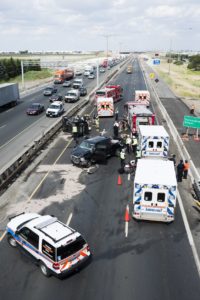
When people are ejected from a vehicle during an accident, serious injuries are almost inevitable. In fact, the probability of serious injury or death is much higher than during most other types of motor vehicle injuries. If you or a loved one has been injured or killed due to ejection from a vehicle during an automobile or trucking accident, contact a Florida car accident attorney at Searcy Denney for help with your insurance and legal claims.

What Causes Ejections?

The most common mode of ejection is a driver or passenger being thrown through a windshield, window, or door during a collision. Typically, such ejections occur when the vehicle occupant fails to wear a seatbelt. However, other reasons for ejections after a crash include:

  • Weak roofs or sunroofs
  • Weak window glass
  • Malfunctioning door latches 
  • Defective seatbelts

Certain types of accidents are more likely to cause ejections than others, some of which include:

  • Rear-End Accidents. The sheer force generated by slamming into the back of another vehicle can cause ejections since the vehicle has suddenly stopped, but the occupant’s body tends to keep moving forward. As Newton put it: “[a]n object [your body] in motion stays in motion with the same speed and in the same direction…” unless it is stopped by some other force, such as hitting the ground.
  • Vehicle Rollovers. The force of a rolling car may eject occupants and make their injuries far worse.
  • Single vehicle accidents. Like hitting another vehicle from behind, ejections may occur when a car hits a wall, a guard rail, a tree, a utility pole, or a lamp post.
  • Multi-vehicle accidents. Multi-vehicle accidents can potentially cause multi-occupant ejections, and someone who is in the middle or at the front of a long line of crashed cars may be ejected due to the force transferred to their vehicle.

The Myth of Seatbelts

Some people will tell you that it’s safer to travel without a seatbelt because you may not be able to unlatch it after an accident. This myth is generally put out there by those who are too lazy to buckle up or feel “uncomfortable” wearing seatbelts, which would be funny in its ignorance if the subject matter weren’t so serious.

The chances of being ejected are far greater than faulty seatbelts, and the injuries are far more severe. Don’t risk your life by refusing to wear seatbelts.

Contact a Florida Car Accident Attorney for More Information on Ejections

Vehicle ejections are far more dangerous than typical accident injuries. The single best thing you can do to prevent ejection is to wear your seatbelt. If you or a loved one has been involved in a motor vehicle accident, a Florida car accident attorney can help. We work on a contingency fee basis. We also offer free consultations, so contact us to discuss your claims as soon as possible.

The post What Causes Occupants to Be Ejected From a Vehicle During a Crash? appeared first on Searcy Law.

Florida Uninsured Motorist Coverage: Stacked vs. Unstacked

Uninsured motorist (UM) coverage is a component of an auto insurance policy that provides coverage for you, the policyholder, when you are involved in an accident with someone who does not have insurance.

Underinsured motorist (UIM) coverage is an addition to your auto insurance policy that protects you, the policyholder, if you are involved in an accident with someone who does not have sufficient insurance of their own.  

UM and UIM coverage is something that you are given the option of acquiring at the time when you sign up for your auto policy. These coverage components can also be added after you sign up your policy, meaning you can gain such coverage at any time.

Stacked auto insurance is a way to maximize your medical coverage when you are involved in an accident caused by someone who is uninsured or underinsured. Stacking insurance allows the UM/UIM coverage limits from multiple policies to be combined and force a higher cap on what insurance will pay for post-injury care. Stacked car insurance is available to drivers in about 30 states, including Florida, who insure more than one vehicle or have more than one insurance policy on a single car.  The choice of stacking your insurance can, again, be made at the time at which you sign up for your policy, or it may be added at a later date.

When you have only unstacked insurance, you’re not allowed to combine policy limits. Unstacked insurance is for drivers who only own one policy on a single car or those who own multiple vehicles but are prohibited from stacking by either their insurance carrier or state law. Unlike drivers with stacked insurance, unstacked insurance drivers may file medical claims only on the actual car involved in an accident with an at-fault driver who doesn’t have enough insurance coverage. Because of this, premiums tend to be lower with unstacked insurance.

Stacked insurance may help you with your claim if you have been involved in an accident. If you have questions about stacked insurance or have been involved in an auto accident, call a Florida car accident attorney at Searcy Denney for help.

Do You Need Stacked Insurance in Florida?

Unfortunately, there are far too many uninsured motorists on the road, despite the legal requirement for insurance coverage in many states. The economic loss caused each year by individuals who drive without insurance is substantial.   Although all states do not require insurance coverage, every state requires that you meet financial responsibility requirements, either through insurance, a bond, or other approved means that show you can pay if you damage another person or their property in an automobile accident.

Regardless, if you are involved in an accident caused by an uninsured driver, it can be challenging to obtain full compensation for your bodily injury. Individuals who are driving without insurance will often have few, if any assets, which can be collected upon in the event that you receive a judgment. Even if you are hit by a driver who has liability insurance coverage, you could still face issues if they only carry the state’s minimum liability limits coverage; Florida only requires an individual to carry a $10,000 liability policy in order for them to be considered “insured.” When you consider how much medical care costs in today’s age, it becomes easy to see how such limits can be exhausted quickly if you are seriously injured. An exhaustion of coverage, due to medical expenses, can mean that there would be no coverage left for the repayment of lost wages, other economic losses, and for pain and suffering.

This is where stacked insurance comes into play. Stacked insurance coverage kicks in where the at-fault driver’s liability insurance leaves off. It can help to cover medical bills left over from the other party’s exhausted liability coverage. It can also help to cover damages for lost wages, pain and suffering, etc. At best, a stacked policy may help an injured individual to be made whole. At worst, it can mitigate the extent of their losses.

The foregoing is best explained through examples. Suppose Joe earns $60,000 per year, or $5,000 per month, at his job as a construction worker. While driving to work, Joe is hit by another driver who is only carrying a minimum of $10,000 in liability coverage. Joe suffers a broken arm and a concussion. He requires several follow-ups to the doctor for his arm as well as trips to a neurologist. Joe’s medical bills total $25,000, and he misses two months of work, meaning he loses $10,000 in wages. Joe’s damages, therefore, total $35,000 before pain and suffering is included. Even if the defendant’s insurance tenders the policy limit of $10,000, Joe will still not receive the full sum of his damages. If Joe has a stacked UM policy then he can make a claim against his own insurance for the difference. If Joe does not have a stacked policy then he is unlikely to receive compensation beyond the initial $10,000.

The only real disadvantage of stacked insurance is that you’ll typically pay higher premiums for higher coverage limits. This means when you stack UM and UIM limits, you’ll likely pay more for that coverage. Many individuals operate under the notion that they do not need to pay the additional premiums because they “have never been in an accident.” It is important to remember, however, that it only takes one accident for an individual to suffer serious, if not catastrophic, injuries. Such possibilities are the reason why people acquire insurance.

Contact a Florida Car Accident Attorney for More Information

Stacked insurance may be an advantageous option for you. Nonetheless, no matter what type of insurance you have, contact a Florida car accident attorney at Searcy Denney for a free consultation if you have been involved in a car accident. Once retained, we will contact the defendant’s insurance carrier, as well as your UM carrier, so that they may deal with us directly. If you are unsure as to how your own insurance applies to the situation then we will take the time to make sure that you know what to expect as the case moves forward. This allows you to focus on the important business of treating your injuries and regaining your health. 

We work on a contingency fee basis, which means you don’t pay if you don’t recover. Contact us online today for help.

The post Florida Uninsured Motorist Coverage: Stacked vs. Unstacked appeared first on Searcy Law.

The Worst Truck Accidents in the U.S.

The vast majority of traffic accidents are minor, with smaller amounts of damages and less serious injuries. However, every once in a while, there is an accident that garners national attention because of its size and/or severity. These accidents can involve hundreds of vehicles and cause multiple injuries and, in some cases, death

From a legal perspective, these cases are very difficult for everyone involved because of the number of vehicles involved, the number of people and injuries involved, the amount of physical and property damage, and the confusion of assigning fault for the accident.

The U.S. has had its share of spectacularly bad accidents involving trucks. They often take the form of chain-reactions collisions, each causing the one behind it. Big trucks are commonly involved because they take longer to stop, are harder to control on slippery surfaces, and occupy plenty of space across the highway, making it difficult for following cars to maneuver around.

On the other hand, some truck-related crashes are notable simply because of their particular tragic circumstances. If you have been involved in a truck accident of any size in Florida, a Florida truck accident lawyer at Searcy Denney can help.

What Are the Most Tragic Truck Accidents in U.S. History?

Some of the most tragic truck accidents in the U.S. include:

Birmingham

On Birmingham’s I-59, a truck accident killed a local fire chief and seriously injured his daughter. An 18-wheeler unexpectedly crossed the median, hitting two vehicles, including the SUV of the fire chief. The collision broke off the vehicle’s top, killed the 54-year old fire chief, and left his 26-year old daughter seriously injured.

South Carolina

A driver from Georgia driving a truck to New York crashed into a median and sliced through the cable barrier, causing a head-on collision with another truck on the southbound lane near Blacksburg, South Carolina. The crash ignited a huge fire that burned the Georgia driver beyond identification, requiring dental records to identify the body.

North Carolina

Two sisters were killed in an impact with two trucks. Traveling with their parents heading for Texas, the fatal accident occurred when a truck sideswiped their car, which sent the car off into a spin, then struck again, pushing the spinning car under another truck. The other truck’s underride guard collapsed, which led to the death of the two teen sisters.

Montana

The worst truck accident in Montana history happened when a school bus collided with a fuel tanker truck during a snowstorm in January. The bus passengers included the high school wrestling team returning from a meet when a double tanker truck jumped from the opposite side of the highway and came down right in front of the bus. A huge fireball resulted from the accident that surrounded the bus. Nine people on the bus, including the coach, his wife, and child, were mortally wounded, while 19 others suffered serious to minor injuries.

Houston

In 1976, a truck carrying 7,500 gallons of ammonia lost control in the Houston freeway. It crashed through the guardrail and jack-knifed off a ramp onto a crowded highway below. The accident killed five people and injured 180 others, most of whom became trapped in a cloud of poisonous gas. The speeding truck driver was held to have caused the accident.

New Jersey

On October 24th, 1973 visibility along a stretch of the New Jersey Turnpike near Secaucus rapidly declined. Multiple semi-trucks were involved in a large-scale pile up. This incident involved sixty-five vehicles. It also resulted in nine deaths and more than forty injuries.

California

On April 7th, 1982 a gasoline tanker truck set off a fire in the Caldecott Tunnel. This accident resulted in major damage to the tunnel, and it had to be closed to traffic for several months. Seven individuals died and two more were injured. It has been reported that if that accident had not occurred late at night, and had occurred during rush hour instead, hundreds more could have died.

What Are the Biggest Pile-Ups Involving Trucks in U.S. History?

Most of the monumental pile-ups involve both trucks and other types of automobiles. Some of the worst include:

Los Angeles

The largest multi-car wreck in the U.S. occurred approximately 25 miles south of Los Angeles, California on Interstate 10 on November 3, 2002. 216 vehicles were involved, causing 41 injuries.

Fortunately, no deaths were reported. In the middle of morning rush hour, a semi-truck that was traveling on the Interstate crashed into the center divider, which started the long chain reaction on both sides of the interstate. Fog is believed to be the leading cause for the series of wrecks.

Due to the accident, authorities closed a two-mile stretch of highway until late in the afternoon so that emergency services could render aid to the injured and begin cleaning up the massive amount of wreckage.

Mobile, Alabama

One of the worst multiple-vehicle accidents to occur in the history of the U.S. took place on March 20, 1995, on Interstate 10 near Mobile, Alabama.

In all, 200 vehicles were involved in the accident, resulting in 90 injured people and one death. The cause of the pile-up was the fact that the Interstate runs along a bridge over Mobile Bay, causing a thick fog that rose from the Bay below.

Michigan

An accident on Interstate 96 in Michigan started with an SUV and about 10 other vehicles, including a semi-truck. From there, cars began piling up on both sides of the Interstate, involving approximately 114 vehicles on the eastbound side and 86 on the westbound side. Fatalities included a 14-year-old boy who was riding in the SUV that was involved in the initial crash and a man who rear-ended a tractor-trailer late during the accident. The cause again was a thick fog that resulted in less than a quarter-mile of visibility for drivers.

Galesburg, Michigan

An unlikely series of events caused this 193-vehicle pileup on I-94 near Galesburg, Michigan that caused 23 injuries and one death. The crash began just before 10:00 a.m. on the eastbound lanes but quickly spread to both sides of the interstate.

After the initial pile-up, one of the tractor-trailers that had caught fire was discovered to be carrying fireworks, resulting in multiple explosions. Another semi-truck involved was carrying acid, which began leaking onto the surrounding area, causing other hazardous conditions. These incidents led police to release a statement asking anyone who lived within one mile of the scene to stay in their homes until the accident could be cleared, which took about 12 hours.

Fort Worth, Texas

As recently as February 11, 2021, at least six people died and dozens more were injured in a massive pileup involving at least 133 vehicles on the North Texas Express toll lanes in Fort Worth. The cause appeared to be overnight sleet. All southbound lanes of Interstate 35W north of downtown remained closed through the day and overnight as dozens of firefighters and other first responders continued to work in freezing temperatures to clear the damaged vehicles from the highway.

CATASTROPHIC TRUCKING ACCIDENTS CAN INVOLVE MULTIPLE DEFENDANTS

Trucking accidents differ from car accident cases in that they are more likely to involve multiple defendants. This is due to the fact that, in a traditional auto wreck, one will typically only sue the at-fault driver. In a trucking accident, by contrast, the driver of the big rig can obviously be a defendant. However, the owner of the truck and possibly any third-party management company can also be potential defendants. This is due to the fact that business owners can be held liable for the actions of their employees and subcontractors. In turn, if one has been hit by a semi-truck, then they will likely need to name multiple defendants in a lawsuit.

The owners and managers of a trucking company, if they are separate from the driver, can also be liable for additional causes of action. One such cause of action is for the negligent hiring and supervision of a driver. Which causes of action to bring against each defendant will depend on the specific facts of the case. It is important that you retain an experienced personal injury attorney to assist you in such matters as failing to name all parties, and to bring all relevant causes of action, can result in you receiving less than the full amount of compensation that you deserve.

HOW DAMAGES ARE CALCULATED IN A SERIOUS TRUCKING ACCIDENT CASE

The calculation of damages in such matters can become complicated. The victim will be entitled to compensation for lost wages, medical bills, and pain and suffering which have been incurred due to the accident. If the victim was seriously injured, which is common in such cases, then they will also be entitled to the cost of future lost wages, medical expenses, etc. If the victim’s injuries are severe enough that they cannot return to their former profession, then the amount of lost income, less what they can earn in another line of work, can also be awarded.

The determination of future lost wages and medical expenses will typically require the retention of expert witnesses. A vocational expert will likely be required to offer testimony as to how much the victim would have earned, if not for the injury. This professional will also offer an opinion as to how much they can be expected to earn after the injury, given their limitations. Also, medical professionals will offer opinions as to the victim’s likelihood of recovery, the expected cost of care, the amount of pain they can be expected to go through, etc.

It is important to note that if a victim was partially at fault for an accident then their compensation will be reduced by their share of the liability. If, for example, a jury finds that a victim was forty percent responsible for the accident, and the victim incurred $100,000 in damages, then the victim will receive $60,000 ($100k – 40%). The determination of comparative fault is always made by the jury and it is, therefore, important that you retain counsel who can explain the matter to jurors in easy to understand terms. 

A Florida Truck Accident Lawyer Can Help if You Have Been Involved in a Truck Crash

Fortunately, most truck accidents are not nearly as tragic or monumental as the accidents described above. Nonetheless, if you have suffered injuries resulting from a truck accident, contact a Florida truck accident lawyer at Searcy Denney for help. We offer a free consultation and work on a contingency fee basis.

The post The Worst Truck Accidents in the U.S. appeared first on Searcy Law.

Understanding Telehealth and the Risks of Medical Malpractice

43,775 Telehealth Stock Photos, Pictures & Royalty-Free Images - iStock

Telehealth practices can be tremendously helpful for patients who live in remote areas far from doctors. Telehealth can also protect healthcare providers and patients from exposure to infectious diseases. But telehealth benefits are probably outweighed by risks in many situations.

Patients need to understand the risks and potential problems associated with telehealth visits to avoid additional injuries. Medical malpractice can become more of a danger than ever.

What Constitutes Telehealth

The terms telehealth and telemedicine are used to refer to a variety of practices. Essentially, any time a doctor or medical professional provides care without seeing you in the office in person, that constitutes a telehealth visit.

Telehealthcare includes:

  • Discussions with a care provider live through a video chat or phone call
  • Using secure messaging systems to send information to and receive messages from healthcare providers
  • Using monitoring devices that allow providers to check on a patient’s condition remotely

Healthcare providers currently offer a wide range of services through telehealth, and these are expected to increase in the future. Telehealth options have long been used to share the results of x-rays and lab tests. Doctors have also used telehealth methods to monitor or prescribe medications for recurring conditions such as urinary tract infections, skin conditions, and migraine headaches. Telehealth has provided an easy way to check in on patients after surgery.

Increasingly, telehealth methods are now being used to diagnose and treat urgent care issues such as coughs and stomach ailments. Patients now frequently receive a wide variety of therapy through telehealth methods. This includes mental health treatment, medication management, and physical and occupational therapy sessions.

Use of Telehealth is Likely to Increase

Concerns of exposure during the COVID-19 pandemic lead to a huge increase in telehealth visits. This increase is not likely to fade away as concerns over the virus decrease. This is largely due to cost issues.

Doctors can treat many more patients in a day through telehealth visits, and their office overhead is reduced. This reduces costs for insurance companies as well. The benefits for providers and insurers give them the incentive to reduce the availability of providers for live in-office visits. Insurers may make it much more difficult to get an appointment for an in-person visit and much more costly for those who are able to obtain appointments.

Doctors Making Decisions with Limited Information

One of the biggest problems for patients being treated through telehealth methods is that doctors are limited in the amount of information they can acquire before making decisions about diagnosis and treatment. Instead of basing decisions on all available information, they must decide based on information available through a screen. They cannot palpate a patient’s abdomen, for instance, to detect the site of tenderness or feel for an abdominal mass when a patient has a stomachache.

Although the doctor can see and hear the patient in a telehealth visit, the delays and limitations in quality severely limit the amount of useful information that can be gained. Moreover, patients frequently unnaturally limit what they say when speaking into a device rather than conversing in person. Critical details may not be shared with providers, and they miss nuances that clue them into potential problems.

Doctors need to understand when they lack the information to make a decision in their patient’s best interests. Failure to advise patients to come in for an in-person exam or test could potentially lead to claims of malpractice.

Claims Against Telehealth Providers in Florida

Florida law requires telehealth providers to practice according to the same “prevailing professional standard of practice” used by professionals providing in-person care. This sets a standard to protect patients. The law also requires telehealth providers to carry professional liability coverage “or maintain “financial responsibility.”

Unfortunately, the insurance requirement may not be enforced, and the law also allows out-of-state doctors to register to provide telehealth services to patients in Florida. Attorneys trying to help patients with telehealth medical malpractice claims may need to understand how to reach assets available beyond insurance in order to protect clients fully.

Understanding Malpractice in Florida

In a Florida medical malpractice case, an injured patient must prove that the healthcare provider breached the prevailing standard of care. The court looks at the level of care that would be accepted as appropriate by other “reasonably prudent” healthcare providers under similar circumstances.

Many different types of medical errors can give rise to a claim for malpractice. Some of these, such as surgical errors, will not generally apply in a telehealth case. Malpractice claims can also be based on:

  • Improper reading of test results
  • Prescribing the wrong type or dose of medication
  • Failure to diagnose a condition
  • Not providing sufficient aftercare
  • Failure to gather sufficient patient history to provide an informed decision

As an example of when a telehealth visit can provide grounds for a valid malpractice claim, some physicians refer to the case of a patient who had initially been treated in the emergency room for an ankle injury. When he contacted a telehealth doctor three weeks later about swelling in his leg, the doctor told him to see an orthopedic surgeon within 24 hours. However, the patient went into cardiac arrest and died soon after the telehealth visit. The patient’s family sued for failure to diagnose and treat deep vein thrombosis, and the case settled out of court.

Knowledgeable Attorneys Can Help Those Suffering from Telehealth Malpractice

Telehealth offers many benefits and the increasing trend toward virtual medical practice is expected to increase over time. However, patients need to be aware of the risks to protect themselves.

All patients are entitled to medical care that meets prevailing standards regardless of whether they receive care in a doctor’s office or over their cell phones. If you or a loved one suffered harm caused by a medical error, you may be entitled to receive compensation to offset the pain, suffering, and other effects.

Talk to the experienced team at Searcy Denney for a free case evaluation to learn your options for relief. We have offices to serve you in West Palm Beach, Tallahassee, and Tampa.

The post Understanding Telehealth and the Risks of Medical Malpractice appeared first on Searcy Law.

When Robot Doctors Injure, Who is to Blame?

2,894 Robot Doctor Stock Photos, Pictures & Royalty-Free Images - iStock

Robot doctors may sound like the stuff of science fiction, but they are starting to show up in real-life hospitals. Concerns about the shortage of medical professionals and the need to protect them from exposure during the COVID-19 pandemic probably speeded the trend.

Regardless of the reasons hospitals are turning to the use of robots to provide medical care, the practice raises many ethical and legal questions. One of these concerns is where responsibilities lie when medical mistakes injure a patient. Who is to blame?

How Do Robots Provide Health Care?

At present, the service of robot doctors is a novelty, offered on an experimental or trial basis in most situations. Surgeons, however, have been relying on robot-assisted surgery for decades.

Robot Surgery

In the surgical arena, doctors have traditionally worked with three types of robotic systems. The type referred to as “master-slave” systems depend entirely on a surgeon for guidance. The surgeon makes hand movements that are transmitted to surgical instruments operating within the patient’s body.

By contrast, systems referred to as “active” undertake tasks programmed in advance working autonomously. They remain under the control of an operative surgeon but essentially as a failsafe measure. Systems described as “semi-active” work with pre-programmed elements augmented by elements driven directly by a surgeon.

Now, scientists have developed robotic surgeons that can perform without human guidance. The robot surgeon Smart Tissue Autonomous Robot or STAR recently proved to be capable of performing better than a human surgeon when given the task of connecting two ends of an intestine in a difficult laparoscopic procedure. STAR is considered to be the first robot with the capability to plan and execute a surgical procedure with virtually no human intervention. The robot can even react and adapt to cope with unexpected challenges that arise during surgery.

Robotics in Radiotherapy and Rehabilitation

Robotic technology has been used in radiotherapy for almost as long as in surgery. Linear accelerators mounted on robotic arms are used all around patients’ bodies to treat tumors in precise locations. Robotic treatment couches position patients for treatment, and medical professionals can use them to move patients without entering the treatment room.

Although the use of robots in medical rehabilitation is a more recent innovation, the practice is quickly becoming common. For instance, robotic devices can deliver controlled repetitive gait training that is hard for a human therapist to match.

Hospital Service Robots

Hospitals are increasingly relying on robots to deliver meals, medications, and specimens through their facilities. In addition, the desire for contactless sanitation procedures during the COVID-19 pandemic has encouraged hospitals to use robots for sanitation functions as well.

Robots are also being used to provide social interaction for patients, particularly children and the elderly.

Mobile Triage

The newest use of robots by hospitals sees this machinery actually taking over actions performed by doctors. For instance, “Dr. Spot,” a four-legged robot introduced to patients in a Boston hospital, evaluates patient symptoms and performs minor procedures such as placing intravenous catheters.

Use of this type of robot can alleviate problems caused by staff shortages and reduce human workers’ exposure to infectious diseases.

Assessing Blame for Injuries

Increase in the use of artificial intelligence and robotics in medicine raises critical liability questions. If a robotic device injures a patient in surgery, for instance, is the making of the device liable, or is the doctor who elected to use it? Should liability be based on a negligence standard or will accountable parties be held to a strict liability standard? Will it matter if a patient was given a choice about the use of robotic technology in treatment?

Robot surgeons can perform many procedures much faster than human surgeons. For that reason and others, treatment by robotic medicine is less expensive, so we should expect to see it much more in the future.

Courts Examine Individual Circumstances

Malfunctions in robotic devices have been blamed for many patient injuries. In most cases, injured patients file lawsuits against the hospital, healthcare providers, and the company that manufactured the robot. The courts examine the circumstances to determine whether faulty programming or a mechanical breakdown caused the injury or whether the surgeon’s improper use or reliance on the device caused the injury.

In the future, in situations where a patient may be treated by a robot without oversight by a doctor, cases could be much different. Courts may decide that the manufacturers or sellers of robot doctors should be strictly liable for harm caused by their devices without any showing of negligence in the design, manufacturing, or marketing of the product. This standard is used in certain product liability cases, and it encourages innovation and safety in the research and development of these critical products.

Whether Injury is Caused by a Robot or a Human, It Remains Malpractice

Patients have a right to expect their medical care to be performed to appropriate medical standards. This remains true regardless of whether the care is provided by a human, a robot, or a combination of the two.

When patients receive substandard care and suffer injuries as a result, they should be able to hold medical providers accountable and recover compensation for their losses. Medical malpractice is an actionable wrong and somewhere along the line, a human can be held liable.

An Experienced Attorney Can Help Assess Liability for Injuries from Robotic Medicine

When robot doctors cause injuries, the case will involve many questions. In-depth research into the cause of injuries will be critical. This type of research can take considerable time and tenacity.

This means that patients injured in a procedure or due to advice from a device with artificial intelligence should consult an experienced attorney as soon as possible so the legal team can investigate before evidence becomes too hard to find. The dedicated personal injury lawyers at Searcy Denney help victims of all types of medical malpractice. For a free case evaluation, contact our team today. We have offices to serve you in West Palm Beach, Tallahassee, and Tampa.

The post When Robot Doctors Injure, Who is to Blame? appeared first on Searcy Law.

Virtual Appointments and Medical Malpractice

The rise of telehealth is one of the biggest changes that the world of modern medicine has seen in recent years. Virtual appointments and treatment sessions are increasingly common, making it significantly easier for people to get the healthcare services they need.

Yet, the risk of mistakes, errors and just plain negligence that comes with any medical treatment remains when doctors and patients go virtual. In fact, not being in the same room may even boost the chance of a misdiagnosis, delayed diagnosis or other mishaps.

At Searcy Denney, our lawyers help people and families in West Palm Beach and across the country who have been injured by medical malpractice. We combine four decades of experience in these and other injury cases and a track record of successful results.

Telemedicine on the Rise

Virtual medical appointments were already increasing rapidly when the Covid-19 pandemic hit, making telemedicine the only viable option for many people and their doctors across the country.

Nearly one-third (32%) of all doctor office and outpatient visits occurred via telehealth in the first month after the pandemic was declared in the U.S., according to research from McKinsey. The use of virtual appointments is about 38 times more frequent now than before the pandemic.

People ages 20 to 39 are most likely to utilize virtual medical appointments, with nearly 40% of patients opting for telehealth. Older patients – those 65 and older – are least likely to take the option, with less than 25% utilizing telemedicine.

As the pandemic subsides, the telehealth boom is likely here to stay. Doctors and their patients have now become accustomed to virtual appointments. The scheduling flexibility it affords will make virtual appointments attractive to many people as they return to their daily lives.

Telemedicine Risks

Virtual appointments certainly offer a new level of convenience and allow doctors and medical professionals to reach people in remote areas that often go underserved. 

They are not a cure-all, however. The unfortunate fact is that doctors can and do make mistakes. When these errors happen, they can have devastating and life-changing consequences for the patient and his or her family.

Many of the most common and harmful forms of medical malpractice happen in person. Surgical and treatment errors happen far too frequently and mishaps regarding prescriptions and the administration of medication have been happening since long before doctors and patients began meeting online.

But there is also reason to believe that the risk of a delayed diagnosis or missed diagnosis is heightened in a virtual setting. Medical malpractice claims stemming from online appointments most frequently center on allegations that a doctor failed to properly identify an injury, ailment or medical condition.

Very few medical professionals have been formally trained in telemedicine. Learning on the fly increases the risk for patients.

The problem for doctors and their patients is that a telehealth session may give the medical professional a misleading or incomplete picture of the situation. That is at least in part because the doctor does not have the ability to observe the patient up close and in person. The doctor may very well miss non-verbal clues and behavior that may help shine a light on what is going on with a patient. Instead, he or she is forced to rely on information about the symptoms from the patient.

That is not to mention possible tech glitches that can impact the quality of the communication between doctor and patient. Whether it is video hiccups or shoddy audio, substandard technology further limits the quality of the information shared. That makes it harder for doctors to accurately identify health issues the first time around.

Unfortunately, time is often of the essence. The sooner that a medical professional correctly diagnoses a condition, the sooner he or she can begin to treat the condition. Delays allow health problems to potentially get worse, requiring more extensive treatment to eventually address them. Meanwhile, a misdiagnosis can cause additional harm by subjecting a patient to medication that he or she does not need.

Suing for Medical Malpractice

Anyone who has been injured as a result of a misdiagnosis or delayed diagnosis in Florida has the right to seek compensation from those responsible. That includes not only the doctor involved but also his or her employer and potentially the hospital or facility with which the doctor is affiliated.

The compensation available in these cases typically includes money for medical bills stemming from the mistake, whether that is for additional treatment through medication and surgery, switching to a new doctor, or therapy and rehabilitation services. Compensation is also often available for missed wages during recuperation and any long-term impact of the mistake on the person’s ability to earn an income.

To be sure, medical mistakes can and do happen. Not all of them rise to the level of malpractice.

To prove medical malpractice in Florida, you have to be able to establish that the doctor who wrongly diagnosed you did not live up to a certain standard of care under state law. That standard generally is the level of skill, care, and treatment recognized as reasonable, appropriate and acceptable by other similar prudent healthcare providers.

It is not entirely clear whether Florida courts will apply a different standard in telemedicine misdiagnosis cases than in those stemming from in-person treatment. Nevertheless, doctors and medical professionals are expected to understand the limits of virtual appointments and take certain steps to reduce the risk of misdiagnosis or delayed diagnosis.

You also have to be able to detail the full extent of the impact of the mistake. That means specifically showing how a wrong or delayed diagnosis made things worse. 

Speak with a Medical Malpractice Lawyer

If you or a loved one has been injured as a result of a virtual appointment gone wrong, the medical malpractice lawyers at Searcy Denney can help.

Our offices are conveniently located in West Palm Beach, Tampa and Tallahassee. Call us at 800-780-8607 or contact us online to schedule a free consultation with an injury lawyer today.

The post Virtual Appointments and Medical Malpractice appeared first on Searcy Law.

Robotic Surgery Medical Malpractice

3,627 Robotic Surgery Stock Photos, Pictures & Royalty-Free Images - iStock

Technical advancements have helped doctors around the world treat and even cure a wide range of diseases, injuries and other ailments. But new procedures, like robotic surgery, also come with their own set of risks. Unfortunately, things can and sometimes do go wrong.

At Searcy Denney, we help people in West Palm Beach and across Florida injured by robotic surgery and other mistakes get back on their feet by seeking compensation for their injuries. We are seasoned medical malpractice attorneys who combined decades of experience and a track record of successful results.

What is Robotic Surgery?

Robotic surgery, as the name suggests, refers to a variety of procedures performed with the assistance of robots. 

That is not to say that R2-D2 and C-3PO from “Star Wars” are going to come into your operating room, pick up a scalpel and start cutting. Rather, robotic procedures commonly use one or more mechanical arms with tools or cameras connected to them. A surgeon controls the arms using a device near the operating table.

Some of the procedures most commonly performed with the assistance of robots include:

  • Urology
  • Kidney and other transplants
  • Gastrointestinal
  • Gynecology
  • Orthopedic
  • Pediatric
  • Thoracic
  • Heart

The technology is designed to make surgical procedures more precise, safe and effective by limiting the risk of human error. It allows surgeons to better perform certain standard surgical procedures and to do more complex procedures that otherwise might not be possible. For example, doctors have performed kidney transplants in obese patients that they say would have been too risky to try without robot assistance.

Some surgeons also say that robotic procedures can lessen recovery time for patients.

Risks Associated with Robotic Surgery

Although robotic surgery is becoming increasingly common and the technology continues to advance, it is far from perfect. Some research shows that robotic procedures are roughly as effective as alternatives and expose patients to a similar level of risk of complications or death. 

A systematic review of 50 studies – published in the Annals of Internal Medicine – focused particularly on abdominal and pelvic surgeries. The studies compared robotic procedures to laparoscopic (using handheld tools) and open (using a large incision) surgeries.

About 9% of laparoscopic procedures resulted in complications that required further surgery, compared to about 8% of robotic procedures. Focusing particularly on gastrointestinal surgeries, as much as 3% of laparoscopic procedures and 4% of open procedures resulted in life-threatening complications compared to up to 2% of robotic procedures.

“There is currently no clear advantage with existing robotic platforms,” the researchers concluded.

Injuries Caused by Robotic Surgery

One growing problem with robotic surgery is that the companies who make the robots often do not take the appropriate steps to ensure that the technology is safe to use. Combine that with insufficient training for doctors and medical professionals new to using the equipment and you have a recipe for disaster.

Thousands of lawsuits have been filed in Florida and across the country against robotic surgery machine manufacturers and doctors who use the equipment. These cases allege that people undergoing a wide range of surgical procedures have been injured as a result of doctor mistakes, as well as poor design and construction of robot devices.

A slew of lawsuits against one leading robotic surgery manufacturer, the company behind the Da Vinci Surgical System, highlights the serious and life-changing injuries that can result from these procedures. Patients have suffered everything from electrical burns to organ damage and even death from botched robotic procedures, according to the lawsuits.

Suing for Medical Malpractice Related to Robotic Surgery

Anyone who is injured in a robotic surgery has the right to take legal action against those responsible, just like people who are injured as a result of other types of medical procedures.

Medical malpractice is a legal claim designed to hold doctors, healthcare professionals, and their employers and hospitals responsible when they do not live up to a certain standard of care.

The monetary damages available in these cases are primarily aimed at compensating an injured person for the financial consequences of the injury. That includes money for additional doctors’ bills – whether it is for more surgery, new treatments and medication or rehabilitation services – as well as missed wages during recuperation and any impact of the injury on the person’s long-term earning capacity. An injured person can also seek compensation for pain, suffering, emotional distress, and loss of enjoyment of life. 

In some limited situations, punitive damages may also be awarded to punish particularly reckless or negligent behavior.

In a tragic situation in which a person dies as a result of a robotic surgery incident, his or her loved ones can take action by pursuing a claim for wrongful death. Certain family members can seek compensation for a range of financial implications of the person’s death. That includes hospital, medical and burial costs, as well as money for the loss of the deceased person’s financial and emotional support.

Florida law imposes a two-year statute of limitations in medical malpractice cases. That means that an injured person must file a lawsuit within two years of the date on which he or she knew or should have known that the injury or illness was caused by malpractice.

Robotic surgery cases can raise complicated questions about who is to blame, however. Hospitals and doctors often point the finger at equipment manufacturers, who respond in kind by arguing that mistakes in using the technology are the culprit. 

It is vital that anyone pursuing legal action stemming from a robotic surgery injury seek the advice of an experienced attorney who can identify those responsible and clearly prove their liability. A seasoned medical malpractice attorney can also work to resolve your case without a long and drawn-out court fight in many situations.

Speak with a Lawyer Today

If you or a loved one has been injured as a result of a robotic surgery procedure, you have the right to seek compensation from those responsible. Searcy Denney can help.

Our offices are conveniently located in West Palm Beach and Tallahassee. Call us at 800-780-8607 or contact us online to schedule a free consultation with a West Palm Beach injury lawyer today.

The post Robotic Surgery Medical Malpractice appeared first on Searcy Law.