What Happens When Multiple Parties Are at Fault in an Auto Accident?

Whether your accident took place on Interstate-75 near Manatee Avenue or On US 301 heading toward Sarasota, auto accidents involving multiple parties can be incredibly challenging and complicated, both legally and financially. When more than one driver is involved, it’s not just about finding out who was driving recklessly. Instead, it requires a thorough look at what each person did or didn’t do, and how those actions contributed to the accident. Understanding how fault is determined in these situations is essential to ensure you get the fair compensation you deserve and that everyone responsible is held accountable.

In multi-party auto accidents, figuring out who is at fault involves analyzing the specific actions of everyone involved, and even parties who contributed without being directly involved. This is often guided by the principle of comparative negligence, which can vary depending on where you are. Comparative negligence rules define how fault and damages are divided among the parties involved.

With multi-vehicle accidents, the stakes are high because multiple parties typically mean dealing with several insurance companies, which can make negotiations more complex. Each party’s level of fault will impact their financial liability and the amount of compensation you can receive for damages such as medical expenses, lost wages, and pain and suffering.

Given how complicated these kinds of cases can be, it’s essential to get experienced legal help. At Goldman, Babboni, Fernandez, Murphy & Walsh, our attorneys understand the ins and outs of Florida’s new modified comparative negligence rules and multi-party lawsuits. We are here to handle all of the paperwork, documents, and negotiations and fight for fair compensation on your behalf. Knowing how these factors play out will not only help you seek justice but also ensure that every aspect of your case is handled with care.

Sorting Out Who Was At Fault In Multi-Vehicle Accidents

Sorting Out Who Was At Fault In Multi-Vehicle Accidents

In multi-party auto accidents, determining fault involves more than just identifying who was driving recklessly or negligently. It requires analyzing the specific actions of each party involved, understanding how their actions contributed to the accident, and how fault should be apportioned among them. This process is often guided by principles of comparative negligence, which vary by jurisdiction and significantly impacts the outcome of your case.

The stakes in these cases can be high, as multiple parties often mean multiple insurance policies and potentially complex negotiations. Each party’s level of responsibility will influence their financial liability and the compensation that victims can recover for damages such as medical expenses, lost wages, and pain and suffering.

Comparative Negligence (Now Modified Comparative Negligence In Florida)

Comparative negligence is a legal doctrine that determines how fault and compensation are allocated when multiple parties are involved in an auto accident. Unlike contributory negligence, where any degree of fault can entirely bar recovery, comparative negligence offers a more flexible approach. This system assesses each party’s liability in proportion to their degree of fault, allowing for a fairer distribution of damages based on the extent of each party’s contribution to the accident.

For instance, if one driver is 30% at fault and another is 70% at fault, the comparative negligence system assigns liability according to these percentages. Consequently, the driver who is 30% at fault would be responsible for 30% of the damages, while the driver who is 70% at fault would be liable for 70% of the damages. This method ensures that each party is held accountable for their share of the blame, rather than being unjustly penalized or denied compensation due to shared fault.

There are two primary types of comparative negligence systems: pure comparative negligence and modified comparative negligence.

Pure comparative negligence

Under pure comparative negligence, a party’s liability is based entirely on their percentage of fault, no matter how significant or minor that percentage may be. For example, if a driver is 40% at fault and their damages total $10,000, they can still recover $6,000, which represents 60% of the total damages. This system is often seen as more advantageous to accident victims because it allows for recovery even if they are significantly at fault.

Modified comparative negligence

In contrast, modified comparative negligence sets a threshold for fault beyond which a party cannot recover damages. The two main variations are the 50% Bar Rule and the 51% Bar Rule. The 50% Bar Rule stipulates that a party can only recover damages if they are found to be less than 50% at fault. If their fault exceeds 50%, they are barred from any recovery. For example, a driver found to be 49% at fault can recover damages proportional to their fault, while a driver found to be 51% at fault cannot recover anything. The 51% Bar Rule operates similarly but permits recovery if a party’s fault is less than 51%.

Multi-Party Lawsuits

When multiple parties are involved in an auto accident, filing a lawsuit becomes a more complex and involved process. Initially, the injured party must identify all potentially liable parties and their insurance companies. This involves gathering information about each party’s role in the accident, including their insurance coverage and any possible contributing factors. The plaintiff’s attorney will then draft and file a complaint in the appropriate court, detailing the allegations and the damages being sought. Each defendant is served with a copy of the complaint and given the opportunity to respond.

Each party’s insurance company plays a crucial role in this process. Insurance companies will conduct their own investigations to determine their policyholder’s level of fault and potential liability. They may also negotiate settlements with the plaintiff or their attorney, either independently or in coordination with other insurers involved. Insurance adjusters evaluate evidence, assess the extent of damages, and make offers to settle claims. If a fair settlement cannot be reached, the case may proceed to trial, where a judge or jury will decide the outcome.

Determining Liability

In multi-party lawsuits, determining liability is a critical and often intricate task. Liability is apportioned among the parties based on their relative degrees of fault. This process involves a thorough investigation, including the review of police reports, accident scene photographs, vehicle damage assessments, and medical records. Witness testimonies can provide crucial insights into the actions and behaviors of each party leading up to the accident.

Expert analysis often plays a significant role in determining fault. Accident reconstruction specialists can recreate the accident scenario to show how each party’s actions contributed to the accident. Forensic experts may analyze vehicle damage and skid marks to provide a scientific basis for fault attribution. The combined evidence from these sources helps establish a clear picture of each party’s contribution to the accident.

Settlement Negotiations

Settlement negotiations in multi-party lawsuits can be quite complicated and contentious. The goal is to reach a fair resolution that compensates the injured party for their damages while appropriately distributing the financial responsibility among the liable parties. Negotiations typically involve discussions between the plaintiff’s attorney and the insurance companies representing each defendant. Each insurer will consider their policyholder’s share of fault and the potential cost of litigation when making settlement offers.

Comparative negligence plays a significant role in settlement negotiations. If fault is distributed among multiple parties, each insurer’s offer will reflect their proportionate liability. For example, if one party is found to be 70% at fault, their insurance company will be responsible for 70% of the settlement amount. The plaintiff’s attorney must navigate these negotiations to ensure that the total compensation reflects the fault distribution and adequately covers the plaintiff’s damages.

If a settlement cannot be agreed upon, the case may proceed to trial. During the trial, each party presents evidence and arguments regarding their level of fault, and the court or jury ultimately decides how damages should be allocated based on the comparative negligence principles. The complexity of these negotiations and the potential for disputes among multiple insurers highlight the importance of having skilled legal representation to advocate for the plaintiff’s interests throughout the process.

The Impact Of Comparative Negligence On Compensation

When multiple parties are at fault in an auto accident, calculating damages involves a detailed assessment of various types of losses. The total damages include both economic and non-economic losses. Economic damages cover quantifiable expenses such as medical bills, lost wages, and property damage. Medical expenses encompass all costs related to treating injuries, from hospital bills and surgeries to medication and rehabilitation. Lost wages represent the income a plaintiff loses due to their inability to work while recovering. Property damage involves the costs associated with repairing or replacing damaged vehicles and other property.

Non-economic damages address the more subjective impacts of the accident, including pain and suffering, emotional distress, and loss of enjoyment of life. While these damages are harder to quantify, they are an essential component of the total compensation. In cases with multiple at-fault parties, the total damages are allocated based on each party’s percentage of fault. For instance, if the total damages amount to $100,000 and one party is found to be 60% at fault and another 40% at fault, the first party would be responsible for $60,000, while the second would be liable for $40,000.

Several factors influence the amount of compensation a plaintiff may receive:

The severity of the injuries plays a significant role; more severe injuries that require extensive treatment or lead to permanent disability will result in higher compensation for both medical expenses and pain and suffering.

The duration of medical treatment also affects the total compensation; longer treatment and higher medical costs generally lead to greater damages.

The impact on the plaintiff’s daily life is considered, with compensation increasing if the injuries severely affect their ability to perform daily activities or enjoy life. Future lost earnings are also taken into account if the injuries impair the plaintiff’s ability to work long-term or permanently.

When recovering damages from multiple parties, strategies include negotiating settlements with each party’s insurance company, ensuring that the plaintiff’s total compensation accounts for the combined liability of all responsible parties. This multi-faceted approach helps to secure fair and comprehensive compensation for the injured party.

At Goldman, Babboni, Fernandez, Murphy & Walsh we have been helping people recover from all kinds of auto accidents including multi-vehicle crashes.

If you’ve been involved in an auto accident with multiple parties and need expert legal guidance, contact Goldman, Babboni, Fernandez, Murphy & Walsh. Our skilled attorneys are here to help you handle the legal process, protect your rights, and secure fair compensation. Reach out today to schedule a consultation and get the support you need for your case.

More About Comparative Negligence

What Is Comparative Negligence?

Proving Liability and Damages in a Car Accident Lawsuit

Evi’s story

Large and Small Cars in Real-World Crashes

The post What Happens When Multiple Parties Are at Fault in an Auto Accident? appeared first on Justice Pays.

A Comprehensive Guide to Diagnostic Procedures for Car Accident-Related Back Pain

In the aftermath of an auto accident, the physical and emotional toll can be overwhelming, especially when dealing with serious back pain, a common but often complex injury. The road to recovery and securing fair compensation begins with understanding the intricate diagnostic procedures that can reveal the full extent of your injuries. The experienced legal team at Goldman, Babboni, Fernandez, Murphy & Walsh, will provide you with comprehensive information on how back injuries are analyzed following an accident.

Back pain after an accident can manifest in various forms, from mild discomfort to debilitating pain that affects your daily life. Diagnosing the specific cause and severity of back pain requires the use of advanced medical imaging techniques, such as MRI, X-rays, and CT scans. These tools are essential in providing a clear and accurate picture of your condition, helping medical professionals pinpoint the exact nature of your injury.

Beyond the physical aspects, understanding these diagnostic procedures is crucial when dealing with a personal injury claim. By familiarizing yourself with the role of imaging techniques, you empower yourself to engage more effectively with healthcare providers and legal experts. This knowledge not only aids in ensuring you receive the appropriate medical care but also strengthens your position in seeking fair compensation for your injuries.

Understanding Back Injuries From Car Accidents

Common Types of Back Injuries

Car accidents can cause a variety of back injuries, ranging from minor to severe. One of the most frequent issues you might experience is disc herniation, particularly in the middle back area. This occurs when the soft inner portion of a spinal disc pushes through a crack in the tougher exterior casing, often resulting in pain, numbness, or weakness.

Soft-tissue injuries are another prevalent consequence of auto collisions. These can manifest as pain, stiffness, limited range of motion, and muscle spasms. It’s important to note that these symptoms may not appear immediately after the accident, sometimes taking days or even weeks to develop fully.

Back injuries are among the most common and potentially debilitating outcomes of car accidents. The sudden impact and force exerted on the body during a collision can lead to various types of back injuries, each with its own set of symptoms, potential complications, and treatment options. Understanding these injuries is crucial for anyone involved in a car accident, as prompt diagnosis and treatment can significantly affect recovery outcomes.

Herniated discs

One of the most frequent back injuries resulting from a car accident is a herniated disc. This occurs when the soft, gel-like center of a spinal disc pushes out through a tear in the outer ring. Herniated discs are particularly common in the lower back (lumbar spine) and the neck (cervical spine), but they can also affect the mid-back (thoracic spine). The pressure from the herniated disc on the surrounding nerves can cause intense pain, numbness, and weakness. Symptoms may include pain that radiates to the buttocks, legs, or arms, numbness or tingling in the extremities, and muscle weakness that may lead to difficulty in holding or lifting objects. If left untreated, herniated discs can lead to chronic pain and permanent nerve damage, resulting in long-term disability. Treatment options range from conservative approaches like physical therapy and pain management to surgical interventions in severe cases.

Soft-tissue injuries

Soft-tissue injuries are another prevalent consequence of car accidents. These injuries encompass a range of conditions affecting the muscles, ligaments, and tendons in the back. Common types of soft-tissue injuries from car accidents include sprains, strains, and muscle spasms, often resulting from the sudden jolt or twisting motion of the spine during a collision. Symptoms of soft-tissue injuries can include pain and tenderness in the affected area, stiffness and limited range of motion, swelling and bruising, and muscle spasms that cause sharp pain and discomfort. The onset of these symptoms can be delayed, often appearing days or weeks after the accident. If not properly treated, soft-tissue injuries can lead to chronic pain, mobility issues, and the formation of scar tissue, which may further restrict movement. Initial treatment typically involves rest, ice, compression, and elevation (RICE), followed by physical therapy and, in some cases, anti-inflammatory medications or injections.

Spinal fractures

Spinal fractures represent a more severe category of back injuries that can occur in high-impact car accidents, such as head-on collisions or rollovers. A spinal fracture involves the breaking of one or more vertebrae in the spine, which can be stable or unstable. Unstable fractures pose a significant risk to the spinal cord. Symptoms may include severe back pain, particularly when moving, numbness, tingling, or weakness in the limbs, difficulty walking or standing, and in severe cases, loss of bowel or bladder control. Spinal fractures can lead to long-term or permanent spinal cord damage, resulting in paralysis or other significant neurological deficits. Treatment depends on the severity of the fracture; minor fractures may be managed with bracing and rest, while more severe cases may require surgical intervention to stabilize the spine.

Facet joint injuries

Facet joint injuries are another type of back injury that can occur during a car accident. Facet joints are small stabilizing joints located between and behind adjacent vertebrae. Injuries to these joints can lead to facet joint syndrome, causing significant back pain and discomfort. Symptoms may include localized pain in the back that radiates into the buttocks or thighs, stiffness, and difficulty twisting or bending the spine. The pain may worsen with prolonged standing or sitting. If left untreated, facet joint injuries can contribute to chronic pain and reduced mobility. Treatment options include physical therapy, facet joint injections, and, in some cases, radiofrequency ablation to reduce nerve pain.

Spinal cord injuries

Among the most severe back injuries from car accidents are spinal cord injuries (SCI). These injuries occur when the spinal cord itself is damaged, leading to partial or complete loss of motor function and sensation below the level of the injury. Symptoms can include loss of movement and sensation, difficulty breathing if the injury is in the upper spine, loss of bowel and bladder control, and extreme back pain or pressure in the neck, head, or back. Spinal cord injuries can result in permanent paralysis, including paraplegia or quadriplegia, depending on the location of the injury. These injuries require immediate medical attention to prevent further damage. Treatment typically involves immediate emergency care followed by long-term rehabilitation, which may include surgery, medications to reduce inflammation, and physical therapy to improve mobility.

The importance of early diagnosis and treatment for back injuries from car accidents cannot be overstated. These injuries can range from mild discomfort to life-altering conditions, and early diagnosis is crucial for effective management. Even if you don’t feel pain immediately after an accident, it is essential to seek medical evaluation as soon as possible. Many back injuries, particularly soft-tissue injuries, can have delayed symptoms that may worsen over time if left untreated. Prompt medical attention allows for the early identification of injuries, leading to more effective treatment and a better prognosis. This is particularly important for severe injuries like spinal fractures or herniated discs, where early intervention can prevent long-term complications such as chronic pain or permanent nerve damage.

Understanding your legal rights is also crucial if you have suffered a back injury in a car accident. These injuries can lead to significant medical expenses, lost wages, and long-term rehabilitation costs. In many cases, the negligence of another driver is responsible for the accident, making them liable for your damages. It is essential to document your injuries thoroughly, including all medical records, treatment plans, and any expenses related to your injury. Working with an experienced personal injury attorney can help you with the complex legal process and ensure you receive the compensation you deserve.

Importance of Getting Diagnostic Testing After an Auto Accident

Following an auto accident, one of the most critical steps you can take is seeking immediate medical attention and undergoing comprehensive diagnostic testing. These actions are not just essential for your health; they also play a pivotal role in protecting your legal rights. Diagnostic tests are crucial in identifying injuries that might not be immediately apparent, ensuring that you receive the appropriate treatment, and providing vital evidence for any potential legal claims.

Imaging Tests: Revealing Hidden Injuries

Imaging tests such as X-rays, CT scans, and MRIs are among the most powerful tools available for uncovering injuries that may not be visible to the naked eye. X-rays are particularly effective at detecting bone fractures, which are common in auto accidents but may not always present with immediate pain or visible deformity. A quick X-ray can reveal breaks, cracks, or dislocations in the bones, allowing for prompt treatment and preventing further damage.

CT scans, or computed tomography scans, go a step further by providing detailed cross-sectional images of the body’s soft tissues, bones, and internal organs. These scans are particularly valuable in assessing injuries to the brain, abdomen, and chest—areas where internal damage can be life-threatening but is often not immediately obvious. For instance, a CT scan can detect internal bleeding, organ damage, or complex fractures that might not be visible on a standard X-ray.

MRIs, or magnetic resonance imaging, offer the most comprehensive view of the body’s internal structures. Unlike X-rays and CT scans, MRIs do not use radiation but instead employ powerful magnets and radio waves to produce detailed images of soft tissues, including muscles, ligaments, and nerves. This makes MRIs particularly useful for diagnosing injuries such as herniated discs, torn ligaments, and nerve damage—injuries that can cause chronic pain and disability if not promptly treated. The ability of MRIs to reveal even minor damage is invaluable in ensuring that no injury goes unnoticed.

Comprehensive Medical Evaluations: Preventing Complications

While imaging tests are indispensable, a thorough medical assessment goes beyond these diagnostics to include physical examinations, neurological tests, and sometimes even blood work. A comprehensive evaluation is essential because not all injuries are immediately apparent or visible on imaging tests. For example, internal bleeding, a potentially life-threatening condition, may not be detectable through imaging alone and could require blood tests and continuous monitoring to diagnose and manage effectively.

Neurological tests are another crucial component of a thorough medical evaluation, particularly following a head injury or any trauma that might affect the spinal cord. These tests help assess the function of your brain, nerves, and muscles, which can be critical in diagnosing concussions, traumatic brain injuries (TBIs), or spinal cord damage. Early detection of such injuries can significantly impact the treatment plan, potentially preventing long-term complications such as cognitive deficits, chronic pain, or paralysis.

Additionally, a detailed physical examination by a healthcare professional can reveal signs of injuries that might otherwise be missed. For instance, a doctor might detect swelling, bruising, or tenderness that could indicate an underlying injury. This examination might also include checking for range of motion limitations, reflexes, and sensory function, all of which can provide clues to the extent and severity of your injuries.

Getting the reasons for getting diagnostic testing extends beyond your immediate health—it also has significant legal implications. The results of these tests provide concrete, objective evidence of your injuries, which is invaluable when dealing with insurance companies or pursuing a legal claim. In many cases, the success of an insurance claim or lawsuit hinges on the ability to prove that your injuries were directly caused by the accident. Diagnostic tests create a clear, documented link between the accident and your injuries, thereby strengthening your case for compensation.

Moreover, some injuries, particularly soft tissue injuries or concussions, may not manifest symptoms immediately. This delayed onset can complicate claims if there is no early documentation of potential injuries. Undergoing diagnostic testing soon after the accident ensures that even those injuries with delayed symptoms are identified and documented from the outset. This proactive approach can be crucial in securing the compensation you need for medical expenses, lost wages, and pain and suffering.

Types of Diagnostic Tests for Back Injuries

Imaging Tests: Revealing Hidden Injuries

Imaging tests such as X-rays, CT scans, and MRIs are among the most powerful tools available for uncovering injuries that may not be visible to the naked eye. X-rays are particularly effective at detecting bone fractures, which are common in auto accidents but may not always present with immediate pain or visible deformity. A quick X-ray can reveal breaks, cracks, or dislocations in the bones, allowing for prompt treatment and preventing further damage.

CT scans

CT scans, or computed tomography scans, go a step further by providing detailed cross-sectional images of the body’s soft tissues, bones, and internal organs. These scans are particularly valuable in assessing injuries to the brain, abdomen, and chest—areas where internal damage can be life-threatening but is often not immediately obvious. For instance, a CT scan can detect internal bleeding, organ damage, or complex fractures that might not be visible on a standard X-ray.

MRIs

MRIs, or magnetic resonance imaging, offer the most comprehensive view of the body’s internal structures. Unlike X-rays and CT scans, MRIs do not use radiation but instead employ powerful magnets and radio waves to produce detailed images of soft tissues, including muscles, ligaments, and nerves. This makes MRIs particularly useful for diagnosing injuries such as herniated discs, torn ligaments, and nerve damage—injuries that can cause chronic pain and disability if not promptly treated. The ability of MRIs to reveal even minor damage is invaluable in ensuring that no injury goes unnoticed.

Comprehensive Medical Evaluations: Preventing Complications

While imaging tests are indispensable, a thorough medical assessment goes beyond these diagnostics to include physical examinations, neurological tests, and sometimes even blood work. A comprehensive evaluation is essential because not all injuries are immediately apparent or visible on imaging tests. For example, internal bleeding, a potentially life-threatening condition, may not be detectable through imaging alone and could require blood tests and continuous monitoring to diagnose and manage effectively.

Neurological tests

Neurological tests are another crucial component of a thorough medical evaluation, particularly following a head injury or any trauma that might affect the spinal cord. These tests help assess the function of your brain, nerves, and muscles, which can be critical in diagnosing concussions, traumatic brain injuries (TBIs), or spinal cord damage. Early detection of such injuries can significantly impact the treatment plan, potentially preventing long-term complications such as cognitive deficits, chronic pain, or paralysis.

Additionally, a detailed physical examination by a healthcare professional can reveal signs of injuries that might otherwise be missed. For instance, a doctor might detect swelling, bruising, or tenderness that could indicate an underlying injury. This examination might also include checking for range of motion limitations, reflexes, and sensory function, all of which can provide clues to the extent and severity of your injuries.

When to Seek Medical Care With a Car Accident Lawyer

After an auto accident, the steps you take immediately following the accident can significantly impact both your health and your ability to secure fair compensation. Understanding when and how to seek medical care, as well as the importance of contacting a car accident lawyer, is crucial in protecting your well-being and legal rights.

Immediate Medical Attention

Your health should always be your top priority after a car accident, no matter how minor the collision might seem. The shock and adrenaline rush that often accompany an accident can mask symptoms of serious injuries, leading you to believe that you’re unscathed. However, injuries, particularly those affecting the back, neck, and internal organs, may not manifest immediately. Conditions like whiplash, concussions, internal bleeding, and soft tissue injuries can develop hours, days, or even weeks after the accident.

Seeking immediate medical care is essential not only for your health but also for establishing a clear and documented link between the accident and any injuries you may have sustained. Emergency medical professionals can perform an initial assessment, often followed by diagnostic tests such as X-rays, CT scans, or MRIs, to detect injuries that are not immediately visible. This prompt attention can prevent minor injuries from becoming major health issues and ensures that you receive the appropriate treatment from the outset. Moreover, early medical intervention creates a comprehensive record of your injuries, which can be vital if you pursue a personal injury claim.

Contacting a Car Accident Lawyer

Once your immediate medical concerns are addressed, the next critical step is to contact a car accident lawyer at Goldman, Babboni, Fernandez, Murphy & Walsh. The legal issues following a car accident can be overwhelming, especially when you’re trying to recover from your injuries. An experienced car accident lawyer can provide invaluable assistance in guiding you through the complex legal process, ensuring your rights are protected every step of the way.

A skilled attorney at Goldman, Babboni, Fernandez, Murphy & Walsh will start by conducting a thorough investigation of the accident, gathering evidence such as police reports, witness statements, and any available video footage. They will also help you deal with insurance companies, which often aim to minimize payouts or deny claims altogether. Insurance adjusters may use tactics like downplaying the severity of your injuries or disputing the cause of the accident. Having a lawyer on your side ensures that these tactics are countered effectively and that you have the best chance of receiving the compensation you deserve.

In addition, your lawyer will work closely with your medical providers to obtain detailed documentation of your injuries and treatments. This information is crucial in building a strong case that accurately reflects the extent of your damages, including medical expenses, lost wages, pain and suffering, and any long-term impacts on your quality of life.

Florida’s 14-Day Rule

In Florida, time is a critical factor when it comes to car accident claims due to the state’s 14-day rule. This rule requires that you seek medical treatment within 14 days of the accident to qualify for Personal Injury Protection (PIP) benefits under your auto insurance policy. PIP benefits are designed to cover medical expenses and lost wages regardless of who was at fault for the accident.

Failing to seek medical care within this two-week window can result in the denial of these benefits, significantly affecting your ability to cover medical costs and other expenses resulting from the accident. It’s important to understand that even if you feel fine immediately after the accident, you should still get a medical evaluation within this timeframe to ensure your rights to compensation are preserved. Your car accident lawyer can advise you on how to comply with this rule and ensure that all necessary steps are taken to protect your claim.

Documenting Your Injuries

Throughout your recovery process, it’s essential to maintain detailed records of all medical diagnoses, treatments, and expenses related to your injuries. This documentation serves multiple purposes: it helps your healthcare providers track your progress and adjust treatment plans as needed, and it provides your lawyer with the evidence needed to build a comprehensive case on your behalf.

Accurate and thorough medical records can significantly strengthen your personal injury claim. These records should include notes from all doctor visits, prescriptions, receipts for out-of-pocket expenses, and any correspondence with your insurance company. Additionally, keeping a personal injury journal where you document your pain levels, physical limitations, and the impact of your injuries on your daily life can further support your case. This level of detail can be instrumental in demonstrating the full extent of your injuries and their impact on your life, which is key to securing fair compensation.

Frequently Asked Questions About Back Injuries and Car Accidents

Common Types of Back Injuries from Auto Accidents

Back injuries resulting from car accidents can have devastating effects on victims’ lives, often leading to chronic pain and limited mobility. The most frequent types of back injuries include:

  • Fractures: Broken vertebrae can cause severe pain and instability
  • Sprains and strains: Damage to ligaments, tendons, and muscles
  • Herniated discs: When the cushioning between vertebrae ruptures or slips out of place

These injuries may not always be immediately apparent, which is why prompt medical evaluation after an accident is crucial.

Long-Term Impact and Compensation

The long-term consequences of back injuries can be significant, affecting a person’s ability to work, enjoy hobbies, or even perform daily activities. Chronic pain, reduced range of motion, and the need for ongoing medical treatment are common outcomes.

Victims of car accidents who suffer back injuries may be eligible for financial compensation. This can cover:

  • Medical expenses (past and future)
  • Lost wages and diminished earning capacity
  • Pain and suffering
  • Rehabilitation costs

It’s important to consult with a qualified attorney to understand your rights and options for pursuing compensation after a car accident-related back injury.

Understanding the diagnostic procedures for back pain is crucial. By familiarizing yourself with techniques such as MRIs, X-rays, and CT scans, you empower yourself to make informed decisions about your medical care and potential legal claims. Remember, proper diagnosis is the foundation for effective treatment and fair compensation. Should you find yourself facing back pain after an accident, don’t hesitate to seek professional medical attention and consult with experienced legal counsel. The lawyers of Goldman, Babboni, Fernandez, Murphy & Walsh are here to guide you through this challenging process, ensuring your rights are protected and your recovery is prioritized.

More About Back Injuries and Car Accidents:

6 Back And Neck Injuries After A Car Accident

How to Deal With Back Pain After a Car Accident

Lower Back Pain After Car Accident: When To See A Doctor |

What Tests are Done After a Car Accident

Back Pain: Diagnosis, Treatment, and Steps to Take

Back pain – Diagnosis and treatment

Back Pain Tests

Low Back Pain – AANS

Which Tests Are Best for Diagnosing Low Back Pain

Can I still go to the hospital 2 weeks after my car accident …

Common Back Pain After a Car Accident

The post A Comprehensive Guide to Diagnostic Procedures for Car Accident-Related Back Pain appeared first on Justice Pays.

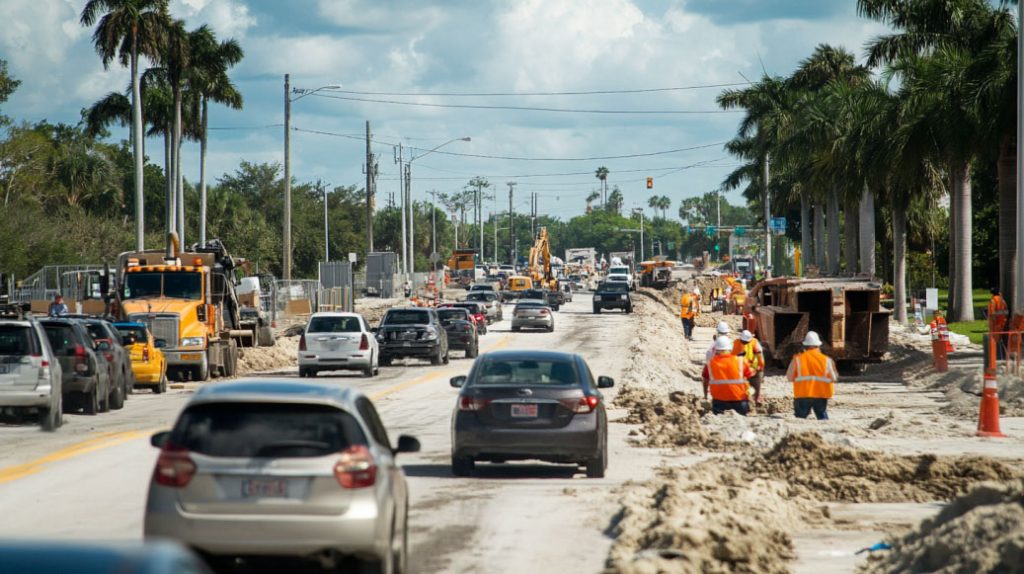
Construction Zone Accidents in Sarasota: Who’s Liable?

Sarasota has been a city in constant growth, with numerous construction zones on Interstate 75 and scattered throughout the county as more people continue to move to our area, and more homes and apartments are being built. These construction zones, while vital for infrastructure improvements, also present significant risks to both motorists and pedestrians. The presence of heavy machinery, altered traffic patterns, and often confusing or inadequate signage can create hazardous conditions that significantly increase the likelihood of accidents. When such accidents occur, determining liability is rarely straightforward and often involves a complex interplay of multiple parties. The law firm of Goldman, Babboni, Fernandez, Murphy & Walsh will explore the intricacies of liability in construction zone accidents in Sarasota and provide insights into how you can protect your rights if you find yourself involved in a construction zone accident.

helpful: Road and Lane Closures In Sarasota

Understanding Liability in Florida Construction Zone Accidents

Construction zones are a common sight in Florida, particularly in rapidly expanding areas like Sarasota. While these zones are essential for supporting economic growth and improving infrastructure, they also pose unique dangers. The complexity of construction zone accidents lies in the fact that liability can be spread across various parties, including the construction company, the city or municipality, contractors, subcontractors, equipment manufacturers, and even other drivers or pedestrians. Understanding who is at fault in these situations requires a thorough examination of several key factors.

Key Factors in Determining Liability

The determination of liability in Florida construction zone accidents depends on several critical factors, including the specific location of the accident, the conditions of the construction site at the time, and any environmental influences such as weather. Each of these elements can significantly affect who is ultimately held responsible for the accident.

For example, if an accident occurs at night in a poorly lit construction zone, the construction company responsible for the site may be liable if the lighting or signage is found to be insufficient. In such cases, the lack of adequate safety measures could be seen as a failure to provide a safe environment, which is a fundamental responsibility of the construction company.

Weather conditions also play a crucial role in determining liability. Florida is known for its sudden and severe weather changes, which can quickly turn a construction zone into a hazardous area. If an accident is caused by slick roads due to rain, and it is determined that the construction site did not implement necessary safety measures—such as proper drainage or warning signs—liability might be shared among multiple parties. This could include the construction company, subcontractors involved in safety planning, and even local government agencies responsible for road safety.

Construction Zone Accidents in Sarasota: Who’s Liable?

Liability When Multiple Parties Are Involved

One of the most challenging aspects of construction zone accidents is the involvement of multiple parties, each potentially sharing some degree of liability. Unlike typical traffic accidents, where liability might rest solely with one or two drivers, construction zone accidents often involve a broader range of responsible entities.

These parties can include the primary construction contractor, various subcontractors working on specific tasks, equipment manufacturers whose machinery might have malfunctioned, and government entities that approve or oversee the construction project. Each of these parties may have contributed to the unsafe conditions that led to the accident, making the process of determining liability a complex and often contentious one.

For instance, if a piece of heavy machinery malfunctions and causes an accident, the equipment manufacturer could be held liable for producing a defective product. At the same time, the subcontractor operating the machinery might share responsibility if it is found that the equipment was not properly maintained or operated according to safety protocols. Additionally, if the local government failed to ensure that the construction zone met safety standards, they too could be implicated.

A thorough investigation and expert legal analysis are essential to untangling this web of responsibility. Legal professionals must examine contracts, safety records, maintenance logs, and other documentation to determine which parties failed to meet their obligations and how those failures contributed to the accident.

Driver Responsibilities in Construction Zones

While construction companies and other parties involved in the project bear significant responsibilities, drivers also have critical obligations when navigating through construction zones in Florida. The law requires drivers to yield the right of way to construction zone workers and to exercise heightened caution in these areas. This includes adhering to reduced speed limits, paying close attention to posted signs, and following any instructions provided by road crews or traffic control devices.

Failure to comply with these requirements can result in severe penalties, including fines and points on your driving record. Moreover, if an accident occurs due to a driver’s negligence—such as speeding through a construction zone or ignoring warning signs—that driver may be held primarily liable for any damages or injuries that result.

It’s important to remember that construction zones are not just another road hazard; they are active work sites where the safety of workers and other drivers is at stake. By following the law and exercising extra caution, drivers can help prevent accidents and reduce their own risk of liability.

Proving Negligence of the Driver vs. Construction Company

Establishing Liability in Construction Zone Accidents

Determining liability in construction zone accidents is often a multifaceted process, requiring a careful examination of the circumstances surrounding the accident. These accidents are particularly challenging because they typically involve various parties, including drivers, construction workers, contractors, and sometimes even municipal authorities. To prove negligence, whether on the part of the driver or the construction company, it is essential to gather substantial evidence that demonstrates a breach in the duty of care. This evidence must show that one or more parties failed to act in a manner that a reasonably prudent person or company would under similar circumstances.

Driver Negligence in Construction Zones

Drivers have a legal obligation to exercise heightened caution when driving through construction zones. This responsibility includes adhering to reduced speed limits, obeying all posted traffic signs, and remaining vigilant for any workers, machinery, or road alterations that could pose a danger. Construction zones are often marked with clear indicators such as cones, barriers, warning signs, and flashing lights, all of which are designed to alert drivers to potential hazards. When a driver ignores these warnings, speeds through a construction area, or fails to pay adequate attention to the road, their actions can lead to serious accidents.

In proving driver negligence, several forms of evidence can be pivotal. Eyewitness testimonies from other drivers, pedestrians, or construction workers who observed the driver’s behavior before the accident can provide valuable insights. Additionally, traffic camera footage may capture the driver’s failure to follow traffic rules, while police reports can document the circumstances and any citations issued at the scene. These pieces of evidence help build a case that the driver’s actions were below the standard of care expected, thereby contributing to the accident.

Construction Company Liability

Construction companies and their employees are equally responsible for maintaining a safe environment in and around the work zone. Their duty of care involves ensuring that the construction site is properly managed, with clear and adequate signage, well-maintained road conditions, and appropriately placed equipment and materials. When these responsibilities are not met, and an accident occurs as a result, the construction company may be held liable for any damages or injuries.

Several scenarios can illustrate construction company negligence. For example, if a construction zone is poorly marked, with insufficient warning signs or inadequate lighting, drivers may not have enough time to adjust their speed or avoid hazards, leading to a collision. Similarly, if construction materials or machinery are left in a position that obstructs the road or creates an unexpected obstacle, the construction company could be deemed negligent for not ensuring that the road remains safe for public use.

Proving negligence on the part of a construction company often requires a thorough investigation into the site’s safety protocols and practices. Key pieces of evidence may include site plans that detail where signs and barriers were placed, safety records that track compliance with regulations, and testimony from safety experts who can assess whether the construction company’s actions met industry standards. In some cases, employee records or witness statements from workers on-site might also reveal whether proper procedures were followed.

How Comparative Negligence Governs Car Accidents In Construction Zones

Understanding Florida’s New Modified Comparative Negligence Rules

In the busy and often chaotic environment of construction zones, traffic accidents can happen due to a variety of factors, making the determination of liability particularly complicated. For those involved in construction zone accidents in Sarasota, understanding the new rules under modified comparative negligence is essential, as it can greatly influence the outcome of any personal injury claims. Florida’s new rules now limit your ability to claim compensation if you are found to be more than 50% at fault.

Florida’s comparative negligence system is designed to allocate responsibility among all parties involved in an accident based on their respective degrees of fault. This legal doctrine means that even if you are partially responsible for an accident, you are still entitled to recover damages, albeit with a reduction proportional to your level of fault (As long as you are less than 50% at fault). For instance, if a court determines that you were 30% at fault for a construction zone accident, your total compensation will be reduced by that same percentage. Therefore, if the damages awarded amount to $100,000, you would only receive $70,000 after the reduction.

This system is particularly relevant in construction zone accidents, where the environment is often fraught with multiple potential hazards, such as poorly marked detours, unexpected lane shifts, and the presence of heavy machinery. In these kinds of accidents, it’s not uncommon for several parties to share responsibility, including the drivers, the construction company, subcontractors, and possibly even government entities. Florida’s comparative negligence rules ensure that liability is fairly distributed according to the specific circumstances of each case, acknowledging that more than one party may have contributed to the accident.

Impact on Personal Injury Cases

The application of comparative negligence can have a profound impact on personal injury cases stemming from construction zone accidents. This law allows for a more nuanced approach to determining liability, which is especially important in the context of construction zones where the causes of an accident can be multifaceted. For example, an accident might occur due to a combination of factors such as a driver’s inattention, inadequate signage by the construction company, and poor weather conditions. In such cases, the court will examine the evidence to determine the percentage of fault attributable to each party involved.

This distribution of fault means that victims of construction zone accidents may still recover a portion of their damages even if they bear some responsibility for the accident. However, the amount of compensation they receive will be directly linked to the degree of their fault. This approach underscores the importance of thoroughly investigating all aspects of the accident to accurately assess the contributions of each party. It also emphasizes the need for victims to be proactive in protecting their rights, as the final determination of fault will significantly impact the financial recovery available to them.

Given the complexities involved in applying Florida’s pure comparative negligence law to construction zone accidents, having experienced legal representation is crucial. A skilled attorney can make a significant difference in the outcome of your case by meticulously gathering evidence, consulting with experts, and effectively negotiating with insurance companies. An attorney’s goal is to minimize your percentage of fault, thereby maximizing the compensation you are entitled to receive.

For instance, your attorney might work to demonstrate that the construction company failed to provide adequate warnings or that the placement of barriers and signage was improper, thereby shifting more of the liability away from you and onto the other parties involved. Additionally, legal representation can be invaluable in navigating the often adversarial interactions with insurance companies, who may attempt to downplay their client’s liability to reduce the amount they have to pay out.

In construction zone accident cases, where every detail can influence the final determination of fault, understanding how comparative negligence works in Florida is critical. The process of proving your case, minimizing your liability, and securing the compensation you deserve requires a thorough knowledge of the law and a strategic approach to presenting the facts. With the right legal support, you can negotiate comparative negligence with our legal team and work toward a fair and just resolution of your claim.

Why You Need an Experienced Car Accident Lawyer After a Construction Zone Crash

More Complicated Liability Issues Require An Experienced Attorney And A Strong Case

Construction zone accidents are notoriously complicated, primarily due to the unique set of challenges they present in determining liability. Unlike typical car accidents, where fault may rest solely with one or two drivers, construction zone crashes often involve multiple parties, each of whom may share some degree of responsibility. These parties can include the construction company managing the site, government agencies overseeing the project, subcontractors performing specific tasks, and other drivers navigating the zone. The interplay between these entities creates a complex web of potential liability, making it difficult for an individual to identify who is truly at fault.

An experienced car accident lawyer from Goldman, Babboni, Fernandez, Murphy & Walsh is well-equipped to untangle this web. They have the expertise to analyze the specific circumstances of your crash, such as the layout of the construction site, the presence (or absence) of proper signage, and the actions of other drivers. By conducting a thorough investigation, your attorney can identify all potentially liable parties and build a strong, evidence-based case to support your claim. This is essential in ensuring that you are not unfairly blamed for an accident that was caused by the negligence of others.

Evidence, And Accident Reconstruction When Determining Liable Parties

In the aftermath of a construction zone accident, one of the most critical tasks is determining who bears responsibility for the accident. This is no easy feat, as construction zones are dynamic environments where conditions can change rapidly, and safety protocols may not always be strictly followed. Questions such as whether proper signage was in place, whether traffic control measures were adequate, and whether construction workers adhered to safety standards must all be answered to establish liability.

Your attorney will take a comprehensive approach to this investigation, meticulously gathering evidence to support your case. This may include reviewing accident reports filed by law enforcement, collecting witness statements from those who observed the crash, and examining construction site records to determine if there were any violations of safety regulations. Additionally, your lawyer might consult with experts in construction safety or accident reconstruction to provide further insights into what caused the accident. This level of scrutiny ensures that all liable parties are held accountable for their role in your accident, which is crucial in securing the compensation you deserve.

Negotiating With Impartial Insurance Adjusters For Fair Compensation

One of the biggest challenges you may face after a construction zone accident is dealing with insurance companies. Insurers are often more focused on protecting their bottom line than on providing fair compensation to accident victims. This is especially true in complex cases like construction zone accidents, where multiple parties may be involved, and the extent of your damages may not be immediately clear. Insurance companies may try to downplay the severity of your injuries, argue that you were partially at fault, or offer a settlement that is far below what you actually deserve.

The experienced car accident lawyers of Goldman, Babboni, Fernandez, Murphy & Walsh act as your advocate in these negotiations. They understand the full scope of damages you may be entitled to, including not just your immediate medical expenses, but also long-term costs such as ongoing treatment, rehabilitation, lost wages due to time off work, and compensation for pain and suffering. Your attorney will skillfully negotiate with insurers, presenting a compelling case that highlights the true impact of your accident and the extent of your losses.

By having a knowledgeable attorney on your side, you significantly increase your chances of receiving a settlement that truly reflects the damages you have suffered. Without legal representation, you may find yourself at a disadvantage, potentially accepting a settlement that doesn’t fully cover your expenses or account for the long-term effects of your injuries.

The complexities of construction zone accidents require more than just a basic understanding of traffic laws; they demand the expertise of a lawyer who is experienced in handling these specific types of cases. At Goldman, Babboni, Fernandez, Murphy & Walsh, the attorneys are well-versed in the intricacies of construction zone liability and are committed to ensuring that their clients receive the justice and compensation they deserve. From handling the many complications of liability to negotiating with insurance companies, having an experienced car accident lawyer on your side can make all the difference in the outcome of your case.

Frequently Asked Questions About Construction Zone Accident Claims

Who Can Be Held Liable?

Construction zone accidents often involve complex liability issues. Typically, responsible parties may include:

  • Contractors overseeing the project
  • Property owners where construction is taking place
  • Government entities responsible for road maintenance

Each case is unique, and multiple parties may share liability depending on the circumstances.

Does Workers’ Compensation Cover All Injuries?

While workers’ compensation can provide coverage for many construction-related injuries, it’s important to note that not all injuries are eligible. Some scenarios, such as those involving gross negligence or third-party involvement, may fall outside the scope of workers’ compensation.

What Steps Should I Take After a Construction Zone Accident?

If you’ve been involved in a construction zone accident, consider these crucial steps:

  • Gather evidence: Take photos, collect witness information, and document the scene.
  • Seek immediate medical attention, even for seemingly minor injuries.
  • Report the incident to your employer or the appropriate authority.
  • Contact a personal injury lawyer experienced in construction accident cases.

Remember, time is often critical in these cases. Prompt action can help preserve evidence and protect your rights to compensation.

Whether you’re a driver, pedestrian, or construction worker, knowing your rights and responsibilities can make a significant difference in the event of an accident. Remember, liability often involves multiple parties and requires careful investigation. If you find yourself involved in a construction zone accident, seek legal counsel promptly. The experienced attorneys at Goldman, Babboni, Fernandez, Murphy & Walsh can help you navigate the intricate legal process, ensure your rights are protected, and work towards securing the compensation you deserve. Stay informed, stay safe, and don’t hesitate to seek professional legal assistance when needed.

The post Construction Zone Accidents in Sarasota: Who’s Liable? appeared first on Justice Pays.

Should I call an accident Attorney in Sarasota If I was Partially at Fault?

If you’ve been involved in an accident in Sarasota and believe you may have been partially at fault, you might feel hesitant to seek legal assistance. It’s common for accident victims to worry that admitting any degree of fault could jeopardize their chances of receiving compensation. However, it is important to understand that contacting an experienced accident attorney could be crucial for protecting your rights and securing fair compensation.

Florida operates under a comparative negligence system, which means that you can still recover damages even if you share some responsibility for the incident. This system allocates fault between all parties involved in an accident and adjusts the compensation based on each party’s degree of fault.

Understanding how these laws apply to your specific situation is complex, as the determination of fault often involves intricate legal and factual analysis. Factors such as eyewitness testimonies, police reports, and expert evaluations can all play a role in establishing liability. Our attorney’s experience in Sarasota accident cases at Goldman, Babboni, Fernandez, Murphy & Walsh can thoroughly investigate the circumstances surrounding your accident, gather and analyze evidence, and build a strong case on your behalf.

Moreover, insurance companies often attempt to minimize payouts by exploiting a victim’s lack of legal knowledge, potentially arguing that you are more at fault than you actually are. Our experienced attorneys can negotiate with insurers on your behalf, ensuring that you are not unfairly assigned more fault than you deserve and that your compensation reflects the true extent of your losses, including medical expenses, lost wages, and pain and suffering.

The law firm of Goldman, Babboni, Fernandez,Murphy & Walsh will explore the reasons why consulting with a skilled accident attorney in Sarasota is advisable, even if you think you might be partially at fault for the accident. Having a knowledgeable attorney by your side can provide peace of mind, help you navigate the complexities of Florida’s comparative negligence laws, and maximize your chances of obtaining a fair settlement or judgment. Seeking professional legal guidance is invaluable in protecting your rights and ensuring you receive the compensation you deserve, regardless of the role you may have played in the accident.

Understanding Fault in a Car Accident

Defining Fault in “Fault” States

In “fault” states like Florida, determining who is responsible for causing an accident is a critical factor in the legal process, as it directly impacts who is liable for damages. Under this system, the person deemed responsible for causing an accident is typically liable for compensating other parties for their injuries, property damage, and other losses. This liability can include covering medical expenses, lost wages, repair or replacement costs for damaged property, and even non-economic damages such as pain and suffering. Consequently, if you’re found at fault, you may be required to compensate the affected parties for these damages, which can have significant financial implications.

Understanding how fault is determined is crucial when considering whether to consult an attorney. Fault is assessed based on a variety of factors, including traffic laws, eyewitness accounts, accident scene evidence, police reports, and expert testimony. Insurance companies and legal professionals carefully examine these elements to establish a clear picture of how the accident occurred and who was responsible. This determination can be complex, especially in accidents where multiple parties are involved or where fault is not immediately apparent. For instance, factors such as road conditions, vehicle maintenance, and driver behavior at the time of the accident can all play a role in assigning fault.

Florida’s comparative negligence laws add another layer of complexity to fault determination. Even if you are partially responsible for an accident, you may still be entitled to recover damages, albeit reduced by your percentage of fault. For example, if you are found to be 30% at fault for an accident, you can still recover 70% of your total damages. However, accurately determining and arguing your share of fault requires an understanding of the law and strong negotiation skills, especially when dealing with insurance adjusters who may attempt to shift more blame onto you to minimize their payout.

Given these complexities, consulting with an experienced attorney can be invaluable. A skilled attorney can help you navigate the intricacies of fault determination, gather and present evidence to support your case, and negotiate effectively with insurance companies. They can also provide guidance on the potential outcomes of your case and help you understand your rights and obligations under Florida law. By having legal representation, you can ensure that your side of the story is accurately represented and that you receive fair treatment and compensation, regardless of the degree of fault assigned to you.

Negligence and Carelessness

Fault in a car accident is primarily determined by assessing negligence or carelessness on the part of the drivers involved. Negligence is defined as the failure to exercise the care that a reasonably prudent person would exercise in similar circumstances, and it is a key factor in most car accident cases. This could involve actions such as speeding, running a red light, driving while distracted, or failing to yield the right-of-way. Each of these behaviors can significantly increase the likelihood of an accident and demonstrate a lack of regard for the safety of others on the road.

In Florida, proving negligence involves establishing that a driver had a duty to operate their vehicle safely, that they breached this duty through negligent actions, and that this breach directly caused the accident and resulting injuries. This process often requires a thorough investigation, including gathering evidence from the accident scene, obtaining witness statements, and analyzing traffic camera footage, if available.

Potential Consequences for At-Fault Drivers

At-fault drivers may face more than just financial liability in the aftermath of a car accident. Depending on the severity of the accident and any traffic laws violated, they could also face criminal charges. These might range from traffic citations, such as speeding tickets or fines for running a red light, to more serious offenses, particularly if the accident resulted in severe injuries or fatalities. In cases where reckless driving, driving under the influence (DUI), or leaving the scene of an accident is involved, drivers could face significant legal repercussions, including license suspension, hefty fines, and even imprisonment.

Moreover, being found at fault can lead to increased insurance premiums and potential civil lawsuits from other parties seeking compensation for damages not covered by insurance. These consequences underscore the importance of understanding the legal implications of being at fault in a car accident and the need to handle such situations carefully.

Given the complexities of fault determination and the potential consequences of being found at fault, consulting with an experienced accident attorney in Sarasota is often advisable, even if you believe you were partially at fault. Our attorneys at Goldman, Babboni, Fernandez, Murphy & Walsh can provide invaluable assistance in protecting your rights and navigating the legal intricacies of your specific case. They can offer guidance on how to gather and present evidence, negotiate with insurance companies, and advocate on your behalf to ensure that you receive a fair assessment of your case and a just compensation amount.

A knowledgeable attorney at Goldman, Babboni, Fernandez, Murphy & Walsh can also help you understand the details of Florida’s comparative negligence laws and how they apply to your situation. They can assess the strengths and weaknesses of your case, advise you on the best course of action, and represent your interests in legal proceedings. Additionally, having legal counsel can provide peace of mind, knowing that you have an expert handling the legal aspects of your case while you focus on recovery and moving forward. Ultimately, consulting with a skilled attorney can significantly impact the outcome of your case and ensure that your rights and interests are protected throughout the legal process.

What it Means to be Partially at Fault

Understanding the concept of partial fault is crucial when considering legal action after an accident in Sarasota. In many accident cases, multiple parties share the blame to varying degrees, and it’s not uncommon for an injured party to bear some responsibility for the accident. Florida follows a comparative negligence system, which can significantly impact your ability to recover damages. This legal framework means that even if you are partially at fault for an accident, you can still pursue compensation for your injuries and losses. However, your recovery will be adjusted according to your degree of fault. Recognizing how partial fault can influence your case is essential for determining your next steps and ensuring you pursue a fair and just outcome.

The 51% Rule

In Florida, the 51% rule plays a pivotal role in determining eligibility for recovering damages in a car accident. This rule stipulates that if you’re found to be 51% or more at fault for an accident, you cannot recover any damages from the other parties involved. This threshold is critical because it can mean the difference between receiving compensation and walking away empty-handed. The 51% rule serves as a barrier that protects defendants from paying damages when the plaintiff is primarily responsible for the accident. Therefore, it is essential to have a clear understanding of your level of responsibility in the incident. Accurately assessing fault can be a complex process that involves examining evidence, analyzing police reports, and understanding the nuances of traffic laws. Given the high stakes, having legal guidance can be invaluable in navigating this intricate landscape.

Reduced Damages for 50% or Less Fault

If your fault is determined to be 50% or less, you may still be eligible to recover damages under Florida’s comparative negligence system. However, your compensation will be reduced proportionally to your level of fault. For example, if you’re found to be 30% at fault and your total damages are $100,000, you would only be able to recover $70,000. This reduction reflects the portion of responsibility you bear for the accident. Understanding this aspect of comparative negligence is important because it affects your potential recovery and influences how you approach negotiations with insurance companies and opposing parties. It emphasizes the importance of accurately determining fault percentages to ensure you receive fair compensation.

Impact on Car Accident Settlements

Partial fault can significantly affect your car accident settlement. Insurance companies and opposing attorneys are often motivated to assign you a higher percentage of fault to minimize their payout obligations. They may scrutinize the details of the accident, highlight any potential mistakes you made, and attempt to downplay the other party’s responsibility. This is where having an experienced accident attorney in Sarasota becomes invaluable. A skilled attorney at Goldman, Babboni, Fernandez, Murphy & Walsh can help gather evidence, such as witness statements, surveillance footage, and expert testimonies, to build a strong case on your behalf. They can negotiate with insurance companies, advocate for a fair assessment of fault, and present your case in the most favorable light, potentially increasing your compensation. Legal representation can make a significant difference in the outcome of your settlement, helping you overcome the challenges posed by partial fault.

Should I Hire a Car Wreck Lawyer if I was Partially Responsible?

Understanding Partial Fault in Car Accidents

When you’re involved in a car accident where you bear some responsibility, it’s crucial to understand how partial fault can impact your case. In Sarasota, as in many jurisdictions, partial fault can reduce the compensatory damages you may recover and affect your insurance coverage. However, this doesn’t mean you’re without options.

Even if you were partially at fault, hiring a car accident lawyer is highly recommended. Here’s why:

  • Navigating Complex Laws: A skilled attorney can help you understand Florida’s comparative negligence laws and how they apply to your case.
  • Maximizing Compensation: If your share of blame is below a certain threshold, you may still be eligible for compensation. An experienced lawyer can help ensure you receive the maximum amount possible.
  • Dealing with Insurance Companies: Insurance adjusters often try to minimize payouts. Your attorney can negotiate on your behalf, protecting your interests.
  • Gathering Evidence: A lawyer can help collect and present evidence that may reduce your perceived level of fault.
  • Representing You in Court: If your case goes to trial, having a skilled attorney by your side can significantly improve your chances of a favorable outcome.

Remember, the other party’s insurance company may try to shift more blame onto you to reduce their liability. Don’t let this deter you from seeking the compensation you deserve. Consult with a reputable car wreck lawyer in Sarasota at Goldman, Babboni, Fernandez, Murphy & Walsh to understand your rights and options.

How Can a Car Accident Attorney Help if I was Partially at Fault?

Challenging Fault Allocation

If you’re partially at fault in a car accident, an experienced attorney can be invaluable. They can meticulously review the evidence and challenge the percentage of fault assigned to you. By leveraging their expertise in traffic laws and accident reconstruction, they may be able to reduce your liability, potentially increasing your compensation.

Negotiating with Insurance Companies

Insurance companies often try to minimize payouts, especially when you’re partially at fault. A skilled car accident attorney can level the playing field. They’ll negotiate assertively on your behalf, ensuring you receive fair compensation that accurately reflects the true extent of your damages and injuries.

Protecting Your Rights and Maximizing Recovery

Your attorney serves as your advocate throughout the legal process. They’ll protect your rights, advise you on what to say (and not say) to insurance adjusters, and guide you through complex legal procedures. By building a strong case and presenting compelling arguments, they can work to maximize your financial recovery, even if you were partially at fault.

Remember, being partially at fault doesn’t mean you’re not entitled to compensation. An experienced Sarasota car accident attorney can help you navigate this complex situation, potentially turning a seemingly unfavorable circumstance into a more positive outcome for you.

Questions to Ask a Car Accident Lawyer During a Free Consultation

Types of Injury Cases Handled

When meeting with a potential attorney, it’s crucial to inquire about their experience with various types of injury cases. Ask about their familiarity with car accidents, truck collisions, motorcycle crashes, and pedestrian incidents. A lawyer well-versed in diverse scenarios can better navigate the complexities of your specific case.

Attorneys’ Fees and Payment Structure

Understanding the financial aspects of legal representation is essential. Inquire about the lawyer’s fee structure – do they work on a contingency basis, or do they charge hourly rates? Clarify if there are any upfront costs or hidden fees. A transparent discussion about expenses will help you make an informed decision and avoid surprises later.

Success Rate and Trial Experience

Don’t hesitate to ask about the attorney’s successful wins. Inquire about their success rate in settling cases similar to yours and their experience in taking cases to trial. A lawyer with a proven history of favorable outcomes and courtroom experience can be invaluable, especially if your case proceeds to litigation. Remember, past performance doesn’t guarantee future results, but it can provide insight into the attorney’s capabilities and approach to handling accident cases.

Even if you were partially at fault for an accident in Sarasota, consulting with an experienced attorney is still advisable. The complexities of Florida’s comparative negligence laws and the potential for significant compensation make professional legal guidance invaluable. By contacting Goldman, Babboni, Fernandez, Murphy & Walsh, you can receive a thorough evaluation of your case and expert advice on the best course of action. Remember, partial fault does not necessarily preclude you from recovering damages. Don’t let uncertainty or misconceptions about your role in the accident deter you from seeking the legal representation you deserve. Protect your rights and interests by reaching out to a qualified accident attorney today.

Learn More About Fault And Liability In Car Accidents:

At-Fault Accidents: Driver Liability for Car Accidents

At-Fault vs. No-Fault Accidents

The post Should I call an accident Attorney in Sarasota If I was Partially at Fault? appeared first on Justice Pays.

Sarasota Attorney Explains Damages And Compensation in Multi-Vehicle Pileups

Whether it happened on I-75 at the Manatee Avenue exit in Bradenton, or on Tamiami Trail near Clark Road in Sarasota, when you find yourself caught up dealing with the aftermath of a multi-vehicle pileup, your attorney will begin investigating what led up to the crash. Multi-car pile-ups can be complex accidents that often result in significant injuries and property damage, leaving victims grappling with injuries and legal challenges. As you explore the process of seeking compensation, it’s essential to grasp the details that influence claim evaluations. From the initial impact to subsequent collisions, each event plays a role in determining the extent of damages awarded and to which party they are awarded too. During multi-vehicle pile-up cases, Our law firm will unveil the key severity factors in multi-vehicle pileups and provide insights into the legal considerations that shape compensation claims in these challenging cases.

When you find yourself entangled in the aftermath of a multi-vehicle pileup, comprehending the factors that contribute to damage severity is essential. These complex accidents often lead to significant injuries and property damage, presenting victims with intricate legal challenges. The compensation process requires a thorough understanding of the essential elements that influence claim evaluations. Every element, from the initial impact to subsequent collisions, plays a crucial role in determining the extent of damages. In this detailed exploration, Goldman, Babboni, Fernandez, Murphy & Walsh will uncover the key severity factors in multi-vehicle pile ups and offer insights into the legal considerations that shape compensation claims in these intricate cases.

The Initial Impact and Chain Reaction In A Multi-Vehicle Pileup

The severity of a multi-vehicle pileup often begins with the initial impact. This first collision sets off a chain reaction of subsequent crashes, each contributing to the overall damage. The force and angle of the initial impact can significantly influence the severity of injuries and property damage sustained by all involved. Understanding how these dynamics unfold is critical in evaluating the full extent of the damages.

The speed and mass of the vehicles involved are major factors in the severity of a multi-vehicle accident. Heavier vehicles such as trucks and SUVs, especially when traveling at high speeds, can cause more substantial damage upon impact. The kinetic energy released during the collision can lead to severe injuries and extensive property damage, complicating the legal landscape of compensation claims.

Road conditions and weather play a pivotal role in multi-vehicle pileups. Wet or icy roads can reduce traction, leading to longer stopping distances and an increased likelihood of collisions. Poor visibility due to fog, rain, or snow can also contribute to accidents. These environmental factors must be carefully examined when determining liability and assessing damage severity.

Driver behavior, including reaction time, distraction, and impairment, significantly impacts the severity of multi-vehicle accidents. Delayed reactions, whether due to distraction or impairment, can exacerbate the initial collision and lead to more severe subsequent impacts. Analyzing driver behavior helps in understanding the root causes and contributing factors of the pileup.

The presence of modern safety features in vehicles, such as airbags, anti-lock braking systems (ABS), and electronic stability control (ESC), can mitigate the severity of injuries in a multi-vehicle pileup. Vehicles equipped with advanced safety technologies may offer better protection to occupants, influencing the overall assessment of injuries and damages.

Navigating the legal landscape of compensation claims in multi-vehicle pileups involves understanding the interplay of various severity factors. The attorneys at Goldman, Babboni, Fernandez, Murphy & Walsh leverage their expertise to meticulously analyze each aspect of the accident. By utilizing advanced accident reconstruction technology and comprehensive evidence analysis, we build compelling cases that accurately reflect the extent of damages and the factors contributing to the accident.

Advanced Techniques in Analyzing Multi-Vehicle Accident Claims

At Goldman, Babboni, Fernandez, Murphy & Walsh, we utilize the following advanced techniques to effectively analyze and handle multi-vehicle accident claims:

  • 3D Laser Scanning
  • Simulation Software
  • Digital Forensics
  • Video and Photographic Evidence
  • Expert Testimony
  • Detailed Reports
  • Visual Aids
  • Strategic Negotiation

Our team conducts thorough investigations to gather and analyze evidence meticulously. This includes obtaining police reports, witness statements, and available video footage. We collaborate with accident reconstruction experts and utilize advanced accident reconstruction software and digital evidence analysis tools to provide a clear picture of how the accident occurred and who is at fault. This meticulous approach, led by David Goldman and Michael Babboni, ensures that every detail of your case is examined to build a compelling argument.

Assessing Injuries and Damages From Multi-Vehicle Accidents

When you’re involved in a multi-vehicle pileup, the process of assessing injuries and damages can be complex and overwhelming. Understanding the key factors involved will help you navigate this challenging situation more effectively.

Physical Injuries and Medical Evaluation

In the aftermath of a multi-vehicle accident, your first priority should be seeking medical attention. Even if you feel fine initially, some injuries may not be immediately apparent. A thorough medical evaluation can:

  • Document all injuries, from minor to severe
  • Establish a clear link between the accident and your injuries
  • Provide crucial evidence for your potential claim

Remember, injuries sustained in multi-vehicle collisions can range from whiplash and broken bones to more severe trauma like spinal cord injuries or traumatic brain injuries.

Property Damage Assessment

Evaluating property damage in a multi-vehicle pileup is often more complicated than in a two-car collision. You should:

  • Take extensive photos of all vehicles involved
  • Obtain a detailed damage report from a qualified mechanic
  • Keep all repair estimates and receipts

Be aware that your vehicle may have sustained hidden damage that’s not immediately visible, such as frame misalignment or electrical system issues.

Determining Liability

Establishing fault in a multi-vehicle accident can be challenging due to the number of parties involved. Insurance companies and legal teams will analyze factors such as:

  • Each driver’s actions leading up to the collision
  • Road conditions and weather at the time of the accident
  • Vehicle maintenance records
  • Any traffic violations or citations issued

Understanding these elements will help you navigate the complex process of assessing damages and pursuing fair compensation in a multi-vehicle accident case.

Factors that Determine Severity in Multi-Car Crashes

When you’re involved in a multi-vehicle pileup, several key factors contribute to the overall severity of the incident. Understanding these elements is crucial for both prevention and legal considerations.

The number of occupants in each vehicle significantly impacts crash severity. Statistics show that the fatality rate for multi-occupant crashes is 2-3 times higher than single-occupant crashes. This underscores the importance of proper safety equipment usage. Seatbelts, airbags, and child restraints play a vital role in mitigating injuries during multi-car collisions.

Another factor that impacts crash severity is your surroundings at the time of the crash. Lighting conditions, for instance, can affect drivers’ visibility and reaction times. Moreover, road conditions such as wet, snowy, or icy surfaces can exacerbate the impact of a multi-vehicle pileup. These environmental factors not only contribute to the initial collision but can also amplify the chain reaction in subsequent impacts.

The types of vehicles involved in the crash can dramatically affect the outcome. Larger vehicles like trucks or SUVs may offer more protection to their occupants but can cause more severe damage to smaller cars. Additionally, the age and safety features of the vehicles play a role in determining the extent of injuries and property damage.

By considering these factors, you can better understand the complexities involved in multi-car crashes and the potential legal implications for compensation claims.

Out Team Of Experts Utilize Advanced Negotiation, Courtroom Advocacy and Personalized Attention

Negotiating with multiple insurance companies can be daunting. Bernard Walsh employs advanced negotiation tactics and leverages state-of-the-art technology to handle complex insurance claims. This ensures you receive the maximum possible compensation. Our team is adept at countering insurance companies’ attempts to minimize payouts, safeguarding your interests and ensuring you are not shortchanged.

If necessary, our attorneys are prepared to take your case to trial. With extensive courtroom experience, Stephen Fernandez, Bernard Walsh and David Goldman lead our litigation efforts, presenting compelling cases to secure justice and appropriate compensation for our clients. Our firm has a strong track record of success in litigating complex highway accident cases, ensuring that you have the best representation possible.

We understand the profound emotional and physical toll that highway accidents can inflict. Stephen Fernandez and Daniel Murphy provide compassionate support, guiding you through each step of the legal process with professionalism and care. They ensure you are fully informed about your legal options and the progress of your case, empowering you to make well-informed decisions.

What Causes Multi-Vehicle Pileups?

Multi-vehicle pile-ups are complex accidents that can result in severe damage and injuries. Understanding their causes is crucial for both prevention and legal proceedings. Here are the primary factors that contribute to these devastating collisions:

Environmental Conditions

Poor visibility is a significant contributor to multi-vehicle pileups. When you’re driving in heavy fog, smoke, dust, or inclement weather, your ability to see and react to hazards is severely compromised. These conditions can lead to sudden braking or unexpected maneuvers, triggering a chain reaction of collisions.

Aggressive Driving Behaviors

Your driving habits play a critical role in road safety. Tailgating, a common form of aggressive driving, significantly increases the risk of multi-vehicle accidents. When you follow too closely, you reduce your reaction time, making it difficult to avoid collisions if the vehicle in front suddenly stops.

Excessive Speed

Speeding is another major factor in multi-vehicle pileups. When you’re traveling at high speeds, you have less time to react to sudden changes in traffic flow. Additionally, the impact of a high-speed collision is more likely to cause a chain reaction, involving multiple vehicles.

Distracted Driving

In today’s connected world, distracted driving has become increasingly prevalent. When you take your eyes off the road to check your phone or adjust your GPS, you’re more likely to miss critical cues that could help you avoid a pileup.

Understanding these causes is essential for both preventing multi-vehicle accidents and navigating the complex legal landscape that follows such incidents. By recognizing these factors, you can make informed decisions on the road and in potential legal proceedings.

Seeking Maximum Compensation For Your Injuries

In the aftermath of a multi-vehicle pileup, securing fair compensation for your injuries is paramount. To maximize your potential recovery, consider the following crucial steps:

Compensation Amounts in Auto Accident Claims

The amount of money you can obtain from auto accident compensation varies widely based on several factors, including the severity of the accident, the extent of your injuries, the level of negligence, and the insurance policies involved.

Factors Influencing Compensation Amounts

The severity of your injuries is a primary determinant of compensation. Minor injuries, such as whiplash or minor cuts and bruises, can result in compensation ranging from $2,000 to $10,000. Moderate injuries, which require medical treatment but are not life-threatening, such as broken bones or herniated discs, typically lead to settlements between $10,000 and $50,000. Severe injuries, including spinal cord injuries or traumatic brain injuries, can result in compensation ranging from $50,000 to $100,000 or more. Catastrophic injuries, such as paralysis or severe burns, often lead to settlements exceeding $100,000, with some cases reaching into the millions.

Economic damages include all medical costs related to the accident, such as hospital bills, surgery costs, physical therapy, and future medical expenses. They also cover lost wages due to the inability to work during recovery and future lost earning potential if the injury affects your ability to work long-term. Additionally, economic damages encompass the cost of repairing or replacing your vehicle and any other personal property damaged in the accident.

Non-economic damages cover compensation for physical pain and emotional distress caused by the accident, the impact on relationships with spouses and family members (loss of consortium), and the reduction in quality of life due to injuries (loss of enjoyment of life).

Average Compensation Examples

For minor accidents, such as a rear-end collision resulting in whiplash and minor vehicle damage, settlements typically range from $5,000 to $10,000. According to AllLaw.com, minor car accident settlements often fall within this range, depending on the specifics of the case.

Moderate accidents, such as those involving broken bones and some time off work, can lead to compensation amounts ranging from $20,000 to $50,000. Settlements for moderate injuries often fall within this range, considering medical costs and lost wages.

Severe accidents, which result in traumatic brain injuries or spinal injuries, can lead to settlements ranging from $100,000 to $1,000,000 or more. Nolo.com indicates that settlements for severe injuries can easily exceed $100,000, especially when long-term medical care is required.

Catastrophic accidents causing permanent disability, such as paralysis, often result in multimillion-dollar settlements. Forbes and other legal sources specializing in personal injury cases report that the average settlement for catastrophic injuries frequently reaches into the millions.

Prompt Medical Attention

Seeking immediate medical care after an accident is not only vital for your health but also critical for your compensation claim. Prompt treatment establishes a clear link between the accident and your injuries, strengthening your case. Delay in seeking medical attention may be interpreted as an indication that your injuries were not severe, potentially diminishing your claim’s value.

Thorough Documentation

Meticulous record-keeping is essential for building a robust claim. Document all medical treatments, expenses, and lost wages. Additionally, maintain a daily journal detailing your pain levels, limitations, and how the injuries affect your daily life. This comprehensive documentation provides tangible evidence of your damages, supporting your pursuit of maximum compensation.

Engaging an experienced personal injury attorney can significantly impact the outcome of your claim. A skilled lawyer can:

  • Navigate complex legal procedures
  • Accurately assess the full extent of your damages
  • Negotiate effectively with insurance companies
  • Represent your interests in court, if necessary

By leveraging legal expertise, you increase your chances of receiving fair compensation for both economic and non-economic damages, including pain and suffering.

Remember, insurance companies often attempt to minimize payouts. By following these steps and securing professional representation, you position yourself to receive the maximum compensation you deserve for your injuries and related expenses.

Questions to Ask Your Lawyer About Multi-Vehicle Accident Cases

When consulting with car accident injury lawyers about your multi-vehicle accident case, it’s crucial to ask the right questions to ensure you’re well-informed and properly represented. Here are some key inquiries to make:

What Is Your Fee Structure

Most injury lawyers charge a contingency fee for multi-vehicle accident cases. Ask about the specific percentage they’ll take from your settlement or court award. Inquire if there are any additional costs you might be responsible for, such as filing fees or expert witness expenses. Understanding the fee structure upfront will help you avoid surprises later.

Experience and Expertise

Ask about the lawyer’s experience in handling cases similar to your multi-vehicle accident. Inquire about their success rate with such cases and if they have specific expertise in dealing with the complexities of multi-vehicle pileups. A lawyer with a track record in this area will be better equipped to navigate the intricacies of your case.

Potential Outcomes

Inquire about the potential outcomes you can expect for your multi-vehicle accident case. While no lawyer can guarantee results, an experienced attorney should be able to provide a realistic assessment based on the specifics of your situation. Ask about possible settlement ranges, the likelihood of going to trial, and any factors that could impact the outcome of your case.

By asking these questions, you’ll gain valuable insights into the lawyer’s approach, experience, and expectations for your case, helping you make an informed decision about your legal representation.

Contact the law firm of Goldman, Babboni, Fernandez, Murphy & Walsh if you were injured in an auto accident

If you’ve been involved in a multi-vehicle pileup or any other auto accident, seeking legal representation is crucial to protect your rights and secure fair compensation. The law firm of Goldman, Babboni, Fernandez, Murphy & Walsh stands ready to assist you with their unparalleled expertise in personal injury cases.

With over 100 years of combined Florida legal experience, the attorneys at Goldman, Babboni, Fernandez, Murphy & Walsh have successfully handled more than 10,000 non-fatal and fatal personal injury cases. Their extensive knowledge of Florida’s complex traffic laws and insurance regulations positions them as formidable advocates for accident victims.

When you contact the firm, you’ll receive a thorough assessment of your case. The experienced professionals will carefully examine the severity factors contributing to the damages in your multi-vehicle pileup, ensuring that all potential compensation avenues are explored.

Every auto accident case is unique, and the attorneys at Goldman, Babboni, Fernandez, Murphy & Walsh understand this implicitly. They will develop a tailored legal strategy to address the specific nuances of your situation, leveraging their expertise to maximize your chances of a favorable outcome.

Don’t navigate the aftermath of an auto accident alone. Contact Goldman, Babboni, Fernandez, Murphy & Walsh today to schedule a consultation and take the first step towards securing the compensation you deserve.

In multi-vehicle pileups, understanding severity factors is crucial for evaluating damages and pursuing fair compensation. As you navigate the complexities of these accidents, remember that factors such as vehicle positioning, impact force, and chain-reaction dynamics significantly influence injury severity and property damage. Thorough investigation and expert analysis are essential to unravel the intricate web of liability in these cases. By working with experienced legal professionals, you can ensure that all relevant factors are considered when assessing damages and building a strong claim. Armed with this knowledge, you’ll be better equipped to protect your rights and seek appropriate compensation in the aftermath of a multi-vehicle collision.

More On Multi-Vehicle Collisions

Multi-Car Accident: Fault, Causes & Your Legal Rights

Multi-Car Accidents: Determining Fault & Liability

Comparative Analysis of Influencing Factors on Crash …

The priority setting of factors affecting a crash severity …

and multi-occupant vehicles crashes separately: A case of …

Crash severity analysis and risk factors identification based …

Typical Car Accident Settlement Amounts (2024)

Car Accident Deposition Sample Questions

Goldman Babboni Fernandez Murphy & Walsh

Goldman Babboni Fernandez Murphy & Walsh – 50 Reviews

The post Sarasota Attorney Explains Damages And Compensation in Multi-Vehicle Pileups appeared first on Justice Pays.

Auto Accident Lawyer Reveals Tactics to Counter Insurance Company Strategies

Whether your crash was on River Road in Venice, Manatee Avenue in Bradenton, or on Bee Ridge Road in Sarasota, as you negotiate the aftermath, you face a formidable opponent: the insurance company. They’re armed with tactics to minimize your payout, leaving you feeling overwhelmed and outmatched. But you don’t have to accept their offers. By understanding insurance companies’ playbooks and equipping yourself with counter-strategies, you can level the playing field. In this guide, we’ll explore the common tricks insurers use after intersection accidents and arm you with powerful tactics to secure the fair settlement you deserve. Don’t let them take advantage of your vulnerable state – it’s time to fight back.

Insurance Companies Follow These Tactics:

  • Quick Settlement Offers: Offering a fast, low settlement before the full extent of your injuries and damages are known.
  • Requesting Recorded Statements: Asking for a recorded statement soon after the accident to use your words against you later.
  • Disputing Liability: Denying or disputing the insured’s fault in the accident to minimize the payout.
  • Delaying the Claims Process: Prolonging the claims process to pressure you into accepting a lower settlement.
  • Requesting Excessive Documentation: Asking for unnecessary and burdensome documentation to complicate and delay your claim.
  • Downplaying Injuries: Arguing that your injuries are less severe than claimed or were pre-existing.
  • Using Surveillance: Conducting surveillance to catch you in activities that contradict your injury claims.
  • Misinterpreting Policy Terms: Misleading you about the coverage and terms of your policy to reduce the payout.
  • Offering Settlements Without Adequate Explanation: Presenting a settlement amount without fully explaining the basis for the offer.
  • Pressuring Unrepresented Claimants: Taking advantage of claimants without legal representation to settle quickly and for less.

Gather Evidence From the Accident Scene

At the scene of an intersection accident, you can become your own investigator. Your actions in these crucial moments can significantly impact your case’s outcome. Here’s how to gather compelling evidence:

Capture the Scene Visually

The moment you’ve ensured everyone’s safety, your next step is to document the accident scene comprehensively. Utilize your smartphone to take a series of photographs from multiple angles and distances. Focus on capturing the positions of the vehicles involved, traffic signals, road signs, and any skid marks that might indicate sudden braking. Additionally, document the weather conditions and the time of day, as these details can play a crucial role in understanding the context of the accident.

The visual evidence you collect can be invaluable when dealing with insurance adjusters. These adjusters often try to downplay the severity of the accident or shift blame. Detailed photographs can vividly portray the reality of the scene, making it harder for adjusters to dispute your account. Ensure you cover all aspects of the scene to provide a comprehensive visual narrative that supports your claims.

Collect Witness Information

After documenting the scene, look around for potential witnesses. Witnesses can offer unbiased third-party perspectives that might be crucial in establishing the facts of the accident. Approach witnesses calmly and politely ask if they saw the accident. If they agree, collect their contact information and ask them to provide a brief statement about what they observed.

Having eyewitness accounts can significantly bolster your case, as these testimonies can corroborate your version of events. Insurance companies may attempt to discredit your claims, but multiple witness statements can provide a solid foundation that supports your account of the accident. Make sure to document each witness’s name, phone number, and a summary of their observations.

Document Physical Evidence

Thoroughly examine and photograph any visible damage to all vehicles involved in the accident. Pay close attention to the points of impact, as these details can help experts reconstruct the sequence of events leading to the collision. If you have sustained any injuries, take clear photographs of them, even if they seem minor. Documenting your injuries can be pivotal during negotiations with insurance companies, as it provides tangible proof of the harm you suffered.

In addition to vehicle damage and personal injuries, consider any other relevant physical evidence. This could include debris from the vehicles, damaged road infrastructure, or any other items that might have contributed to or resulted from the accident. The more detailed and thorough your evidence collection, the more challenging it becomes for insurance companies to dispute your claims.

Being diligent in gathering and documenting evidence immediately after an accident can significantly strengthen your position against insurance companies’ tactics. Visual documentation, witness statements, and detailed records of physical evidence collectively create a compelling case. This thorough approach can be the key to securing a fair settlement and ensuring that the insurance companies cannot easily undermine your claims. By taking these steps, you protect your rights and enhance your chances of a favorable outcome in your negotiations.

Documenting Your Injuries and Medical Expenses: A Detailed Guide for Goldman, Babboni, Fernandez, Murphy & Walsh

In the aftermath of an intersection accident, meticulous documentation becomes your strongest ally. Creating a comprehensive record of your injuries and expenses is essential to counter any insurance company tactics aimed at minimizing your claim. Here’s an in-depth guide to help you through this critical process.

Capture Visual Evidence

Immediately after the accident, if you are physically able, start by taking clear, detailed photos and videos of your visible injuries. Document any bruises, cuts, or swelling from multiple angles to capture the full extent of your injuries. As your recovery progresses, continue to photograph your injuries to show the healing process over time. This visual timeline is crucial in demonstrating the extent and duration of your suffering. For example, if you have sustained significant bruising or lacerations, take photos daily to show the evolution and recovery. This ongoing documentation can provide compelling evidence to counter any claims from the insurance company that your injuries are minor or healed quickly.

Keep a Detailed Injury Journal

Maintaining a daily log of your symptoms and how they affect your life adds depth to your claim. Start this journal as soon as possible after the accident. Detail your pain levels, mobility issues, and any emotional distress you experience. Be specific about activities you can no longer perform or enjoy due to your injuries. For instance, if you are unable to participate in activities such as jogging, playing with your children, or even performing daily household tasks, document these limitations and their impact on your quality of life. This personal account helps paint a vivid picture of your post-accident struggles, making it harder for insurance companies to downplay the severity of your injuries.

Track All Medical Expenses

Maintain a meticulous record of every medical bill, prescription receipt, and therapy invoice. This includes not only the significant expenses like hospital stays, surgeries, and physical therapy but also smaller costs such as over-the-counter medications, medical supplies, and transportation to medical appointments. Create a dedicated file for all documents related to your medical care, including doctor’s notes, test results, and treatment plans. This comprehensive collection will be invaluable when calculating the full cost of your injuries. Additionally, ensure that you keep copies of all insurance correspondence and any explanations of benefits (EOBs) received from your health insurer.

Document Lost Wages and Opportunities

If your injuries cause you to miss work or lose out on potential earnings, carefully document these losses. Request a detailed letter from your employer that outlines the specific days you missed work and the corresponding lost wages. If you are self-employed, gather evidence of cancelled appointments, declined projects, or lost clients due to your injuries. This might include emails, contracts, or statements from clients. Demonstrating the economic impact of your injuries strengthens your claim by showing how your accident has directly affected your livelihood.

Notify Your Auto Accident Lawyer Immediately

Time is of the essence when dealing with intersection accidents. The sooner you contact your auto accident lawyer, the better they can protect your rights and ensure you receive fair compensation. Goldman, Babboni, Fernandez, Murphy & Walsh have extensive experience in handling intersection accident cases. They can guide you through the process of collecting and organizing evidence, negotiating with insurance companies, and pursuing legal action if necessary.

Your lawyer will help you understand the importance of immediate and thorough documentation, assist in gathering additional evidence such as traffic camera footage or eyewitness statements, and represent your interests throughout the legal process. Their expertise ensures that you are not taken advantage of by insurance companies and that you receive the full compensation you are entitled to for your injuries and losses.

By following these detailed steps and working closely with your auto accident lawyer, you can effectively counter the tactics employed by insurance companies and build a strong case for your claim. This diligence will be instrumental in securing a fair settlement that truly reflects the impact of your injuries and expenses.

Swift Action Secures Critical Evidence

The moment you contact your attorney, a sequence of critical actions is set in motion. At Goldman, Babboni, Fernandez, Murphy & Walsh, our team understands the urgency of gathering evidence immediately after an accident. Investigators are dispatched to the scene without delay, capturing essential details before they vanish. Skid marks that reveal braking distances can fade rapidly, debris from the collision is often cleared away quickly, and witnesses’ memories can become less reliable as time passes. The prompt response of your attorney is crucial, as this initial evidence can significantly influence the outcome of your case.

Countering Insurance Company Tactics

Insurance adjusters are known for their swift actions aimed at minimizing payouts. They often reach out to accident victims soon after the incident, hoping to catch them off guard and extract statements that might compromise their claims. Your lawyer acts as a critical shield, handling all communication with the insurance company. This protection is vital because approximately 40% of all accidents occur at intersections, which inherently makes these cases complex and contentious. By managing interactions with the insurance company, your attorney prevents adjusters from using your statements against you.

Establishing Negligence Early On

Proving negligence is often the cornerstone of intersection collision cases. At Goldman, Babboni, Fernandez, Murphy & Walsh, we prioritize building your case from the outset. Our team immediately begins gathering police reports, traffic camera footage, and eyewitness accounts. These pieces of evidence are crucial in reconstructing the accident and establishing who was at fault. For instance, traffic camera footage can provide unbiased, real-time evidence of the events leading up to the collision, while eyewitness statements can corroborate your version of events. This proactive approach not only strengthens your position but also increases the likelihood of securing a fair settlement.

Preserving Your Rights

One of the most important aspects of contacting your lawyer right away is ensuring that all legal deadlines are met. The statutes of limitations for filing a claim vary by state and type of accident, and missing these deadlines can jeopardize your entire case. Your attorney will navigate these legal complexities, ensuring that your right to compensation for medical bills, lost wages, and pain and suffering is preserved. This legal guidance is essential for maintaining the validity of your claim and protecting your financial recovery.

In the aftermath of an intersection accident, the role of experienced car accident attorneys cannot be overstated. At Goldman, Babboni, Fernandez, Murphy & Walsh, we are committed to acting swiftly and decisively to gather evidence, counter insurance company tactics, and establish negligence. Our comprehensive approach ensures that your rights are protected and that you have the strongest possible case for securing the compensation you deserve. Do not delay—contact us immediately after your intersection accident to ensure the best possible outcome for your situation.

When you’re reeling from an intersection accident, the temptation to accept a quick settlement can be strong. However, you must resist this urge. Insurance companies often swoop in with early offers that seem appealing but are usually far below what you deserve. In the aftermath of a crash, you might not fully grasp the extent of your damages. Medical bills can pile up weeks or even months after the incident. By accepting an early offer, you risk shortchanging yourself on future expenses. Remember, once you settle, there’s no going back for more compensation.

Time is your ally in negotiating a fair settlement. As you recover, gather thorough documentation of your injuries, property damage, and lost wages. This evidence strengthens your position and often leads to a more substantial payout. Don’t let the insurance company pressure you into a hasty decision. Before considering any offer, consult with an experienced auto accident lawyer. They can assess the true value of your claim and guide you through the negotiation process. With their expertise, you’re more likely to secure a settlement that truly reflects your losses and future needs. Patience and preparation are your best tools in this situation. By resisting the lure of quick cash, you protect your right to fair compensation and ensure a more secure financial future post-accident.

When you’re dealing with the aftermath of an intersection accident, you might feel overwhelmed by the insurance company’s tactics. That’s where your auto accident lawyer becomes your greatest ally. By entrusting negotiations to your legal representative, you’re positioning yourself for a more favorable outcome. Your attorney brings a wealth of knowledge to the table. They understand the intricacies of insurance law and can spot unfair strategies a mile away. You’ll benefit from their ability to interpret complex policy language and identify coverage loopholes that could work in your favor.

Insurance adjusters aim to minimize payouts, but your lawyer knows how to counter their tactics. They’ll gather and present compelling evidence to support your claim, including detailed accident reports, expert witness testimonies, medical records and bills, and lost wage documentation. This comprehensive approach strengthens your position and can lead to higher settlement offers. Your auto accident lawyer’s negotiation skills are honed through years of experience. They know when to push back against lowball offers and when to leverage legal precedents to your advantage. By letting your attorney handle communications, you avoid the risk of saying something that could potentially harm your case.

Remember, insurance companies have teams of professionals working to protect their interests. By having a skilled auto accident lawyer on your side, you level the playing field and increase your chances of securing a fair settlement that truly reflects the impact of your intersection accident.

When you’re reeling from the aftermath of an intersection accident, you need a team that understands your plight and fights tirelessly for your rights. That’s where Goldman, Babboni, Fernandez, Murphy & Walsh come in. With over a century of combined Florida legal experience in personal injury cases.

You’ll benefit from a wealth of knowledge accumulated through years of handling auto accident injuries. The firm’s attorneys have honed their skills, developing strategies to counter insurance companies’ tactics and secure fair settlements for their clients. They understand the intricacies of insurance law and can spot unfair strategies a mile away, using their expertise to interpret complex policy language and identify coverage loopholes that could work in your favor.

Worried about costs? Put your mind at ease. You can schedule a free consultation with these experienced lawyers to discuss your case. It’s your opportunity to share your story, understand your rights, and explore potential paths to justice and compensation. By entrusting your case to Goldman, Babboni, Fernandez, Murphy & Walsh, you are positioning yourself for a more favorable outcome. Their prompt response to your situation is crucial; investigators are dispatched to the scene without delay, capturing essential details before they vanish. Skid marks that reveal braking distances can fade rapidly, debris from the collision is often cleared away quickly, and witnesses’ memories can become less reliable as time passes. The initial evidence collected by your attorney can significantly influence the outcome of your case.

Insurance adjusters are known for their swift actions aimed at minimizing payouts. They often reach out to accident victims soon after the incident, hoping to catch them off guard and extract statements that might compromise their claims. Your lawyer acts as a critical shield, handling all communication with the insurance company. This protection is vital because approximately 40% of all accidents occur at intersections, which inherently makes these cases complex and contentious. By managing interactions with the insurance company, your attorney prevents adjusters from using your statements against you.

Proving negligence is often the cornerstone of intersection collision cases. At Goldman, Babboni, Fernandez, Murphy & Walsh, our team prioritizes building your case from the outset. They immediately begin gathering police reports, traffic camera footage, and eyewitness accounts. These pieces of evidence are crucial in reconstructing the accident and establishing who was at fault. This proactive approach not only strengthens your position but also increases the likelihood of securing a fair settlement.

One of the most important aspects of contacting your lawyer right away is ensuring that all legal deadlines are met. The statutes of limitations for filing a claim vary by state and type of accident, and missing these deadlines can jeopardize your entire case. Your attorney will navigate these legal complexities, ensuring that your right to compensation for medical bills, lost wages, and pain and suffering is preserved. This legal guidance is essential for maintaining the validity of your claim and protecting your financial recovery.

In the aftermath of an intersection accident, the role of experienced car accident attorneys cannot be overstated. At Goldman, Babboni, Fernandez, Murphy & Walsh, they are committed to acting swiftly and decisively to gather evidence, counter insurance company tactics, and establish negligence. Their comprehensive approach ensures that your rights are protected and that you have the strongest possible case for securing the compensation you deserve. Do not delay—contact Goldman, Babboni, Fernandez, Murphy & Walsh immediately after your intersection accident to ensure the best possible outcome for your situation.

When you choose Goldman, Babboni, Fernandez, Murphy & Walsh, you’re not just hiring attorneys – you’re enlisting dedicated advocates that will help you every step of the way. They’ll stand by your side, navigating the complex legal landscape while you focus on recovery. From gathering evidence to negotiating with insurance companies, they’ll handle every aspect of your case with precision and care.

Remember, time is of the essence in personal injury cases. Don’t let insurance companies take advantage of your vulnerable state. Reach out to Goldman, Babboni, Fernandez, Murphy & Walsh today and take the first step towards securing the compensation you deserve.

As you navigate the aftermath of an intersection accident, remember that knowledge is your greatest asset. By understanding the tactics insurance companies employ, you’ve armed yourself with powerful countermeasures. Your vigilance in documenting evidence, seeking prompt medical care, and maintaining a unified front can make all the difference. Don’t let the strategies of insurance companies intimidate you. With these tools at your disposal, you’re well-equipped to negotiate a fair settlement. Stay focused, stay determined, and don’t hesitate to seek legal counsel when needed. Your rights and your recovery are worth fighting for. Stand firm, and you’ll emerge from this challenging time with the compensation you truly deserve.

How To Counter The First Car Insurance Settlement Offer

The post Auto Accident Lawyer Reveals Tactics to Counter Insurance Company Strategies appeared first on Justice Pays.

Sarasota Man Dies In High-Speed Motorcycle Crash On US 41 Friday Night

SARASOTA – Florida Highway Patrol has announced one person has died and another person was injured during a motorcycle accident Friday night.

According to the report, the crash began as a 22-year-old man from Saraota was riding a motorcycle south on US 41 in the left lane at a high rate of speed approaching the intersection with Landings Boulevard.

As the motorcycle was approaching from the north, a 43-year-old man from Sarasota driving a sedan was heading north on US 41 within the left turn lane closing on the intersection with Landings Boulevard.

At 11:24:00 PM, the driver of the sedan attempted to make a left turn onto Landings Boulevard from US 41 and entered the southbound lanes of travel.

The front of the motorcycle collided with the sedan in the intersection. The force of the crash threw the motorcyclist from his vehicle onto the roadway.

First responders pronounced the motorcyclist deceased at the scene of the accident. The report states that the driver of the sedan also sustained minor injuries in the crash.

FHP has stated that the accident remains under investigation.

The post Sarasota Man Dies In High-Speed Motorcycle Crash On US 41 Friday Night appeared first on Justice Pays.

A Sarasota Attorney’s Insights on Avoiding Deadly Motorcycle Distractions

As a motorcyclist in Sarasota, you face unique and significant risks from inattentive drivers. The busy streets and scenic routes of the local area can quickly turn perilous when drivers lose focus. Staying vigilant and maintaining your concentration on the road could save your life. Don’t let a moment’s distraction cut your ride short. The law firm of Goldman, Babboni, Fernandez, Murphy & Walsh is dedicated to providing motorcyclists with essential information and practical tips to enhance your safety by combating distractions in the Sarasota, Florida area. Stay informed, stay focused, and ensure that your next journey is a safe one.

Tamiami Trail (US-41)

  • Areas of Concern: Especially busy near downtown Sarasota, University Parkway, and Stickney Point Road.
  • Distractions: High traffic volumes, numerous commercial establishments, and frequent pedestrian crossings.

Bee Ridge Road

  • Areas of Concern: Particularly at intersections with Cattlemen Road and Beneva Road.
  • Distractions: Shopping centers, restaurants, and heavy commuter traffic.

Fruitville Road

  • Areas of Concern: Intersections with Honore Avenue, Beneva Road, and the I-75 interchange.
  • Distractions: Proximity to the highway, commercial areas, and schools.

University Parkway

  • Areas of Concern: Intersection with US-301 and the vicinity of the Mall at University Town Center.
  • Distractions: Major shopping destinations, heavy traffic, and frequent lane changes.

Clark Road (SR-72)

  • Areas of Concern: Intersections with Honore Avenue and McIntosh Road.
  • Distractions: Busy intersections, nearby shopping plazas, and access to I-75.

Main Street in Downtown Sarasota

  • Areas of Concern: Intersections with Orange Avenue and Pineapple Avenue.
  • Distractions: Dense pedestrian traffic, numerous dining establishments, and entertainment venues.

Beneva Road

  • Areas of Concern: Intersections with Webber Street and Bee Ridge Road.
  • Distractions: Residential areas, schools, and parks.

Honore Avenue

  • Areas of Concern: Intersections with Fruitville Road and University Parkway.
  • Distractions: Suburban traffic, retail centers, and medical facilities.

Ringling Boulevard

  • Areas of Concern: Intersections with US-301 and near Payne Park.
  • Distractions: Government buildings, recreational areas, and mixed residential/commercial zones.

Siesta Drive

  • Areas of Concern: Intersections with US-41 and Midnight Pass Road.
  • Distractions: Access to Siesta Key, tourist traffic, and beachgoers.

Tips for Riding Safely in Distracted Areas

  • Increase Visibility: Use bright clothing and ensure your motorcycle’s lights are functioning correctly.
  • Maintain Safe Distances: Keep a safe distance from vehicles, especially those that appear to be driving erratically.
  • Use Defensive Driving Techniques: Anticipate the actions of other drivers and have an escape route planned.
  • Stay Alert: Constantly scan your surroundings and be aware of potential hazards such as distracted drivers, pedestrians, and changing traffic signals.
  • Avoid High-Risk Times: If possible, avoid riding during peak traffic hours when distractions and traffic congestion are at their highest.

The Dangers of Distracted Driving for Motorcyclists in Sarasota

A Lethal Combination

Riding a motorcycle already carries inherent risks due to the lack of protective barriers, making motorcyclists some of the most vulnerable road users. In Sarasota, this vulnerability is compounded by the growing prevalence of distracted driving, a dangerous trend that has escalated with the proliferation of smartphones and other in-car technologies. When drivers take their eyes off the road, even for a split second, they put motorcyclists’ lives in jeopardy. Unlike car drivers, motorcyclists are exposed to the elements and lack the protective framework of a vehicle, which means a minor accident for a car can be devastating for a motorcycle rider.

A momentary lapse in focus can have catastrophic consequences for riders who have minimal protection. For instance, a distracted driver who glances at a text message for just five seconds while traveling at 55 mph covers the length of a football field without looking at the road. In this time, they can easily miss a motorcyclist changing lanes, making a turn, or stopping ahead of them. The statistics are alarming: the National Highway Traffic Safety Administration (NHTSA) reports that distracted driving claimed 3,142 lives in 2020, a significant portion of which involved motorcyclists.

In Sarasota, where scenic routes attract many riders, the combination of high traffic volumes and distracted driving creates a particularly lethal environment. Local law enforcement agencies have noted an increase in motorcycle accidents related to distracted driving. The Florida Department of Highway Safety and Motor Vehicles (FLHSMV) has been working on campaigns to raise awareness about the dangers of distracted driving, but the responsibility ultimately falls on individual drivers to stay focused and attentive.

Motorcycle safety advocates in Sarasota stress the importance of education and proactive measures to protect riders. This includes public awareness campaigns about the specific risks motorcyclists face and the implementation of stricter penalties for distracted driving offenses. Additionally, motorcyclists are encouraged to take defensive driving courses to better anticipate and react to the unpredictable behaviors of distracted drivers.

Common Culprits In Motorcycle Crashes

While texting and using handheld devices are well-known distractions, other activities can be equally dangerous when it comes to endangering motorcyclists. Distracted driving is not limited to cell phone use; it encompasses a wide range of activities that divert a driver’s attention away from the primary task of driving. These distractions can be categorized into three main types: visual, manual, and cognitive.

Visual distractions occur when a driver takes their eyes off the road. Common culprits include adjusting the radio, using a GPS system, or even glancing at billboards or scenic views. When a driver is visually distracted, they are not able to see motorcyclists who might be in their blind spots or making a maneuver. This can lead to dangerous situations where the driver may suddenly swerve or brake without realizing the proximity of a motorcycle.

Manual distractions involve taking hands off the steering wheel. Eating, drinking, smoking, or reaching for items in the car are typical examples. Even brief moments of manual distraction can lead to loss of vehicle control, making it difficult for drivers to react quickly to changes in traffic conditions or the sudden appearance of a motorcycle. For motorcyclists, this can mean the difference between life and death, as even a slight veer into another lane can cause a serious collision.

Cognitive distractions are those that take a driver’s mind off the road. These can be particularly dangerous because the driver may appear to be paying attention, but their mind is elsewhere. Conversing with passengers, daydreaming, or dealing with emotional stress can all lead to cognitive distraction. A driver engaged in a deep conversation might not register the presence of a motorcycle until it is too late. Cognitive distractions impair a driver’s ability to process information and make quick decisions, which are critical for safely sharing the road with motorcyclists.

Eating or drinking while driving is another significant distraction that is often underestimated. Drivers might spill their drink, drop food, or need to clean up a mess, all of which can lead to dangerous periods of inattention. According to the National Safety Council, eating while driving increases the likelihood of an accident by 80%. For motorcyclists, this means an increased risk of being hit by a driver who is momentarily preoccupied with their meal.

Adjusting in-car technologies such as climate controls, entertainment systems, or even advanced features like lane-keeping assistance can also be distracting. As vehicles become more technologically advanced, the potential for driver distraction increases. Many of these adjustments require looking away from the road and using hands to manipulate controls, taking focus away from driving and increasing the risk to motorcyclists.

Motorcyclists’ lack of structural protection makes them especially vulnerable in collisions with distracted drivers. Even low-speed impacts can result in severe injuries or fatalities for riders. As such, it is crucial for both drivers and motorcyclists to remain vigilant and focused on the road at all times.

Combating Distractions For Motorcyclists

Combating distracted driving requires a concerted effort from all road users. Motorcyclists must ride defensively, anticipating potential distractions from other drivers. Motorists must also recognize their responsibility to prioritize road safety and avoid any activities that could jeopardize the lives of vulnerable road users like motorcyclists.

Distracted driving is a major factor contributing to motorcycle accidents on the roads of Sarasota. When drivers take their eyes and minds off the road, even for a few seconds, they significantly increase the risk of colliding with a motorcycle. Common driver distractions leading to devastating consequences for motorcyclists include cell phone use, visual distractions, passenger interactions, eating or drinking, and adjusting vehicle controls.

Texting, browsing social media, or talking on the phone while driving are among the most dangerous forms of distracted driving. These visual, manual, and cognitive distractions make it nearly impossible for drivers to fully focus on the road and detect motorcycles, which can easily disappear into a vehicle’s blind spots. Similarly, visual distractions such as car accidents along the interstate, billboards, or other events along the roadside can cause drivers to fail to notice motorcycles in their path. Even a momentary lapse in concentration can have catastrophic results for motorcyclists.

Engaging in conversations, disciplining children, or interacting with passengers can divert a driver’s attention away from the road, increasing the likelihood of overlooking motorcycles or misjudging their speed and distance. Consuming food or beverages while driving can impair a driver’s ability to control their vehicle and respond to sudden changes in traffic conditions, putting motorcyclists at heightened risk of being involved in an accident. Additionally, adjusting the radio, climate controls, or GPS system can lead to visual and manual distractions, causing drivers to lose situational awareness and potentially collide with motorcycles sharing the road.

Tips to Minimize Distractions and Stay Focused While Riding

Before hitting the road, establish a calming pre-ride ritual to center your mind and leave distractions behind. Take a few deep breaths, visualize your route, and consciously let go of any stressors or worries. This mental preparation helps shift your focus to the ride ahead. Additionally, closing your visor can act as a signal to your brain, indicating it’s time to transition into a focused riding mode.

Ensure your riding gear enhances focus rather than hindering it. Wear proper protective gear suited to the weather conditions to stay comfortable and alert. Avoid loose or flapping clothing that could distract you while riding. Invest in a quality helmet with excellent visibility to minimize blind spots and enhance your overall awareness on the road.

In our hyper-connected world, digital distractions pose a significant risk to riders. Resist the urge to check your phone, even at stoplights. Turn off notifications or enable a “do not disturb” mode to eliminate pings, dings, and vibrations that could break your concentration. If you must take a call, pull over to a safe location first. Staying digitally disconnected ensures your full attention remains on the road.

Anticipate potential hazards by constantly scanning your surroundings and planning an escape route. Stay engaged by actively identifying road signs, predicting drivers’ actions, and covering your brakes proactively. When your focus inevitably wavers, consciously redirect it to the present moment. This active engagement can significantly reduce the risk of accidents.

Fatigue and stress can severely undermine your ability to ride safely. Know your limits and take breaks before exhaustion sets in. If overwhelmed by personal or work stressors, postpone riding until you’ve processed those distractions. A clear, rested mind is crucial for safe motorcycle operation. Managing your mental and physical state is essential to maintaining focus and ensuring a safe ride every time.

What To Do After a Motorcycle Accident Caused by a Distracted Driver

Being involved in a motorcycle accident caused by another driver’s negligence can be an overwhelming and traumatic experience. However, it’s crucial to remain calm and take appropriate steps to protect your rights and ensure your safety.

Secure the Scene

  • Turn on your hazard lights to alert other drivers and prevent further accidents.
  • If possible, move your motorcycle to a safe location, away from traffic.

Assess Injuries and Call for Help

  • Your well-being is the top priority. Assess yourself and any passengers for injuries.
  • If anyone is injured, even minor injuries, call emergency services immediately. Provide accurate location details and await their arrival.

Document the Accident

  • Take photos and videos of the accident scene, vehicle damage, and any visible injuries.
  • Note the time, location, weather conditions, and any other relevant details.
  • Obtain the other driver’s name, contact information, insurance details, and license plate number.

Notify Authorities

  • Contact the local police to file an official accident report, even if the accident seems minor.
  • Cooperate fully with the authorities but avoid admitting fault or providing recorded statements without legal counsel.

Seek Medical Attention

  • Even if you feel fine initially, it’s essential to get a thorough medical evaluation. Some injuries, such as internal bleeding or traumatic brain injuries, may not be immediately apparent.
  • Follow your doctor’s recommendations for treatment and keep detailed records of all medical expenses.

Contact an Experienced Motorcycle Accident Attorney

  • Consult with a reputable motorcycle accident attorney as soon as possible. They can protect your rights, deal with insurance companies, and ensure you receive fair compensation for your injuries, lost wages, and other damages.

Staying focused and taking the proper steps after a motorcycle accident caused by a distracted driver can be crucial for your recovery and legal case. Remember, your safety and well-being should always come first.

Frequently Asked Questions About Motorcycle Accident Claims in Sarasota

What should I do after a motorcycle accident?

Florida law requires reporting any accident involving injuries, fatalities, or significant property damage to the police. Seek medical attention immediately, even for seemingly minor injuries. Document the scene with photos and notes. Obtain contact and insurance information from other parties involved. Avoid admitting fault or providing recorded statements to insurers without consulting an attorney first.

How much is my motorcycle accident claim worth?

The value of a motorcycle accident injury claim depends on the specific circumstances, such as the severity of injuries, medical expenses, lost wages, property damage, and emotional distress. An experienced Sarasota motorcycle accident lawyer can evaluate the details and fight for the maximum compensation you deserve.

Should I accept the insurance company’s initial settlement offer?

Insurance companies often make lowball settlement offers to minimize their payouts. Consulting with a skilled Sarasota motorcycle accident attorney is crucial before accepting any offer. They can negotiate aggressively on your behalf to ensure you receive fair compensation for your losses.

How long do I have to file a motorcycle accident claim?

In Florida, the statute of limitations for filing a personal injury claim is generally four years from the accident date. However, it’s best to consult a Sarasota motorcycle accident lawyer promptly, as evidence can deteriorate, and the claims process can be complex.

Do I need a lawyer for a motorcycle accident claim?

While legal representation is not mandatory, having an experienced Sarasota motorcycle accident attorney on your side can significantly increase your chances of obtaining a favorable outcome. They handle negotiations, paperwork, court proceedings, and protect your rights throughout the claims process.

By being aware of potential distractions and your own tendencies to become distracted, you can take proactive steps to remain focused while riding. Eliminate distractions before getting on your bike, limit technology use, and pull over safely if you do become distracted. Most importantly, spread awareness about the issue to fellow riders and drivers, and advocate for policies and infrastructure improvements that enhance motorcycle safety. We all share the roads, so it is in everyone’s best interest to minimize dangerous distractions.

More Information For Motorcyclists:

Rider skills: How to stay focused

How to Stay Focused While Riding Your Motorcycle

Mental Focus: The Key to Successful Motorcycle Riding

Understanding Motorcycle Accidents in Sarasota, FL – Mighty

The post A Sarasota Attorney’s Insights on Avoiding Deadly Motorcycle Distractions appeared first on Justice Pays.

Two From Punta Gorda Seriously Injured In Road-side Multi-Vehicle Crash On I-75

SARASOTA COUNTY, FL – A serious multi-vehicle collision occurred Monday morning on June 24, 2024, at approximately 10:37 AM, at the intersection of Interstate 75 northbound near Mile Marker 187 south of River Road. The Florida Highway Patrol (FHP) reported that the accident involved seven vehicles and resulted in serious injuries for two individuals.

According to the FHP report the accident began as a 35-year-old man from Punta Gorda was driving a sedan on I-75 just south of River Road, the first vehicle in a multi-vehicle accident, when he encountered debris in the left lane of the highway—a tire. In an attempt to avoid the debris a tire in the left lane of the highway, the driver swerved onto the shoulder, where the front of his vehicle collided with the rear of a second vehicle another sedan parked on the paved shoulder. The second vehicle with an unknown driver belonged to a tire service company that was changing the tire of a forth vehicle, a sport utility vehicle disabled and parked on the left shoulder.  The impact caused a chain reaction:  

A third vehicle a pickup truck driven by an 18-year-old-man from Punta Gorda, swerved to avoid the debris and collided with the rear and left side of the fourth vehicle the sport utility vehicle that was disabled on the side of the left shoulder.   A fifth vehicle a sport utility vehicle driven by a 41-year-old-man from Fort Myers, suddenly stopped when a sixth vehicle a sport utility vehicle following him driven by a 41-year-old-man from Cape Coral, failed to stop in time and collided with the  rear of his sport utility vehicle .

Lastly, a final seventh vehicle a sport utility vehicle driven by a 66-year-old woman from Punta Gorda failed to stop and collided with the rear of the sixth vehicle.  

The driver and passenger of Vehicle 1, a 34-year-old female from Punta Gorda, sustained serious injuries and were transported to Sarasota Memorial Hospital. The driver of Vehicle 3 suffered minor injuries and was treated at the scene of the accident. The identities of the drivers of Vehicles 2 and 4 remain unknown at this time.

The Florida Highway Patrol continues to investigate the circumstances surrounding this multi-vehicle accident. Further updates will be provided as more information becomes available.

The post Two From Punta Gorda Seriously Injured In Road-side Multi-Vehicle Crash On I-75 appeared first on Justice Pays.